
Plantingschedule11 min read
Hummingbird Plants for Nonstop Backyard Visits
Practical steps to plan, plant, and maintain a yard full of hummingbird friendly flowers from spring through fall, in zones 3–11.
A yard full of hummingbirds does not happen by accident. It takes the right mix of flowers, bloom times, and placement so birds always find nectar when they swing by. The good news is that many hummingbird plants are as tough as coneflower-style prairie perennials.
The short version: picking plants, laying out beds, and keeping blooms coming from thaw to frost; whether you garden in zone 3 or zone 10, you can build a simple nectar corridor that works with your existing shrubs and long lived perennials, not against them.
ecoKnow What Hummingbirds Actually Want
A hummingbird first cares about fuel, not flower names. It is looking for tubular blooms rich in nectar, spaced close enough that it can feed without wasting energy.
Red and orange flowers grab their attention fastest, but they will happily visit purple and blue blooms like salvia if the nectar is good. Shape and constant bloom matter more than petal color alone.
In most yards, the sweet spot is mixed beds that combine perennials for structure with annuals that fill nectar gaps. You can balance those with the same mindset you use for annual versus perennial flower choices elsewhere in the yard.
Hummingbirds also want safety. They will work a bed longer if there is a shrub or small tree nearby where they can perch and scan for predators. A flowering shrub like butterfly bush doubles as both nectar source and lookout.
The closer you place nectar plants to safe perches, the more time each hummingbird spends in your yard.
- fiber_manual_recordFlower shape: Tubular or trumpet, about finger width
- fiber_manual_recordBloom height: Mix knee high perennials with chest high shrubs
- fiber_manual_recordColor mix: Heavy on reds and oranges, with some purple for contrast
- fiber_manual_recordSupport plants: A few dense shrubs within 10-15 feet of main beds
calendar_monthPlan Bloom Time From Spring Through Fall
One flat of red flowers gives you one short show. Hummingbirds migrate and raise young over several months, so they need a relay of blooms from early spring until frost.
Think in three blocks. Spring flowers wake birds up, summer is your main nectar season, and fall plants fuel migration. You do not need dozens of species, just 2–3 solid bloomers per season.
Cool climate gardeners in zone 4 or zone 5 often lean on spring bulbs and early perennials. You might pair tulip drifts with later emerging phlox clumps so beds never look bare between waves.
Further south, spring flowering shrubs like azalea hedges can carry the early load; then hand things off to tough summer workhorses like lantana and trailing verbena cushions.
- fiber_manual_recordSpring anchors: Flowering shrubs, bulbs, early perennials
- fiber_manual_recordSummer workhorses: Long blooming annuals and repeat flowering perennials
- fiber_manual_recordFall fuel: Late bloomers that push flowers into October
- fiber_manual_recordZone check: Match picks to your local hardiness zone so winter does not wipe out your base planting
Guide — See AlsoDrainage Holes in Pots: Simple Rules That Prevent RotLearn how many drainage holes your pots need, how big they should be, and what to do if a container has none so you can
chevron_rightlocal_floristChoose Reliable Hummingbird Plants by Zone
Certain plants pull more than their weight for hummingbirds almost everywhere. The trick is matching those all stars to your winters, summers, and soil, just like you do when choosing full sun perennials for tough spots.
In cooler zones, think along the lines of a peony or hosta clump for cold hardiness, but swap to nectar-rich choices. Hardy perennials such as bee balm and daylily fans thrive in cold gardens. They handle zone 4 winters that regularly hit subzero.
Milder zones open more doors. Gardeners who can grow hydrangea or crepe myrtle reliably can usually tuck in tender hummingbird favorites like Mexican bush sage or tropical hibiscus for months of color.
Where summers are long and hot, annuals such as lantana mounds and spreading verbena keep blooming when fussier perennials stall. In short-season areas, focus on plants that flower 70 days or less from transplant so birds are not left with green foliage.
Do not buy every "hummingbird mix" in sight. Pick a short list that fits your zone and repeat them in groups of 3-5 plants.
Use the list as a starting point, then choose the plants that match your actual winter low and summer heat.
- fiber_manual_recordCold zones 3-5: bee balm, red daylilies, hardy garden phlox
- fiber_manual_recordMiddle zones 6-8: salvia, coral bells, summer coneflower borders
- fiber_manual_recordWarm zones 9-11: lantana, tropical hibiscus shrubs, cuphea and firebush
Email Updates
Join the KnowTheYard update list
Zone-specific advice, seasonal reminders, and new plant guides — no filler.
yardLay Out Beds Hummingbirds Will Actually Use
A scattered single plant here and there makes birds work too hard. Grouping plants in patches builds big color targets and efficient feeding routes.
Aim for drifts of 3–7 of the same plant so hummingbirds can move bloom to bloom without crossing empty mulch. Think wide sweeps, not polka dots, just like you would design a cut flower bed for strong visuals.
Place taller hummingbird plants at the back or center, mid height in front, and low spreaders at the edge. A combo of tall salvia wands, mid-height bee balm heads, and low verbena drifts gives birds choices at different heights.
Near patios, keep the richest nectar within 8–10 feet of where you sit. You will still get that close-up view without crowding doors or walkways like a hedge of thorny roses might.
Keep hummingbird feeders at least 10 feet from your best flower beds so they do not compete with one another.
Before planting, sketch the bed from the main viewing angle so patches, perches, and flight paths work together.
- fiber_manual_recordBed depth: Aim for 3–6 feet deep to fit three height layers
- fiber_manual_recordPatch size: Repeat blocks 3–4 feet wide for strong color impact
- fiber_manual_recordPerches: Add a small tree or shrub like serviceberry nearby
- fiber_manual_recordSightlines: Leave a clear flight path, avoiding tight tunnels of foliage
Guide — See AlsoFall Blooming Flowers for Color After FrostPlant and care for fall blooming flowers so your beds stay colorful well past summer, with specific plant choices, timin
chevron_rightecoKeep Hummingbird Plants Thriving After Planting
The first season after planting decides whether your hummingbird garden becomes effortless or needy. New plants need steady moisture, mulch, and a little shaping to settle in.
Water deeply once or twice a week, not every day. Aim for soil that stays slightly damp 6 inches down but dries a bit between soakings, similar to how you would water moisture-loving hydrangeas.
Mulch with 2-3 inches of shredded bark or leaf mold around each plant. Keep mulch a couple of inches off stems to avoid rot and to leave bare soil for reseeding annuals like self-sown coneflowers.
Skip strong fertilizers the first year. Compost and slow-release feeds are plenty; that lines up with the gentler timing in the vegetable bed feeding approach.
- fiber_manual_recordWatering goal: Deep soak to 6-8 inches of soil, then let the surface dry
- fiber_manual_recordMulch depth: 2-3 inches around, not against, plant crowns
- fiber_manual_recordFirst pruning: Light tip-pinching after bloom flush, never hard shearing
- fiber_manual_recordWeed control: Hand-pull near crowns so you do not disturb shallow roots
warningAvoid Common Mistakes That Repel Hummingbirds
Plenty of hummingbird gardens underperform because of a few easy-to-fix habits. Getting these right matters more than buying rare plants.
The fastest way to ruin a good planting is pesticides. Even “safe” broad-spectrum sprays wipe out tiny insects that hummingbirds also eat. That is where more targeted pest control options come in.
Deadheading everything too aggressively is another problem. Some plants, like repeat-blooming salvias, benefit from spent blooms removed. Others, such as late-season coneflowers, feed goldfinches with seedheads and still draw hummingbirds to side blooms.
Avoid systemic insecticides on any plant that produces nectar or berries you want wildlife to use.
Chemical weed-and-feed products in lawns can also drift and stress shallow rooted perennials nearby. Spot-spray weeds or hand-weed around hummingbird beds instead of blanket-treating the whole yard.
- fiber_manual_recordSkip systemics: Do not use imidacloprid or similar on flowering shrubs near beds
- fiber_manual_recordSelective deadheading: Focus on plants that rebloom only, not every faded flower
- fiber_manual_recordProtect soil life: Limit synthetic fertilizer and lean on compost around roots
- fiber_manual_recordWatch lawn treatments: Shield nectar borders when you apply any turf products
Guide — See AlsoPlants That Attract Ladybugs To Guard Your GardenLearn which flowers, herbs, and shrubs attract ladybugs, how to plant them, and how to keep ladybugs in your yard as lon
chevron_rightwater_dropManage Water, Drought, and Heat Around Nectar Plants
Summer heat can either turbocharge nectar production or cook your plants into silence. Water strategy and shade adjustments decide which way it goes.
Deep, occasional watering builds the same tough roots you want in heat-tolerant lawns, and it works for perennials too. Shallow daily sprinkles keep roots near the surface where they dry and overheat.
In zones 8-11, afternoon shade helps plants like scarlet salvia clumps keep blooming despite brutal sun. In cooler zones 3-6, prioritize full sun and only offer light shade in extreme heat waves.
Wilting in late afternoon that recovers by morning usually means heat stress, not underwatering.
If leaves stay limp by breakfast, dig a quick test hole near the root zone. Dry, crumbly soil calls for a slow soak. Muddy soil means you need less water and possibly better drainage.
- fiber_manual_recordCheck moisture: Dig 4-6 inches down weekly during hot spells
- fiber_manual_recordWater timing: Early morning so leaves dry fast and nectar sets by midday
- fiber_manual_recordTemporary shade: Use 30-40% shade cloth on hoops during heat waves
- fiber_manual_recordContainer care: Pots may need water every 1-2 days in peak heat
calendar_monthSeasonal Cleanup Without Erasing Next Year’s Blooms
End-of-season cleanup can either reset your hummingbird beds perfectly or strip away next year's flowers. Timing depends on your zone and which plants you grow.
In cold zones 3–5, leave sturdy stems from plants like tall coneflower clumps and late asters until early spring. They trap snow, protect crowns, and feed winter birds.
Warmer zones 7–9 can handle more fall trimming, especially on woody plants such as butterfly bush types. Just avoid cutting into live green wood in fall, since that can push tender growth right before frost.
Do most structural pruning in late winter while plants are still dormant and before new growth starts.
Spring is the time to cut back dead stalks to fresh buds, divide crowded clumps, and remove winter-killed stems on shrubs. Match your timing with guidance in the seasonal pruning guide so you do not remove future flower buds.
- fiber_manual_recordFall tasks: Remove diseased foliage, leave healthy stems for structure
- fiber_manual_recordWinter watch: Brush off heavy snow but leave ice alone to avoid breakage
- fiber_manual_recordEarly spring: Cut dead stems to first green buds once soil thaws
- fiber_manual_recordEvery 3–4 years: Divide overgrown perennials when centers thin out
Guide — See AlsoBest Indoor Plants for Every Room and Light LevelA practical guide to choosing the best indoor plants for your home, covering beginner-friendly picks, low light champion
chevron_rightpaletteAdvanced Tweaks: Containers, Vines, and Color Mixing
Once the basic beds are humming along, small upgrades can pull birds in even closer to your porch or windows.
Container groupings let you bring nectar right up to seating areas. Use at least a 14–18 inch wide pot, which holds moisture better than tiny porch pots you might use for kitchen basil.
Mix upright and trailing plants in one pot. A tall clump of potted salvia spikes pairs well with spilling trailing verbena and even edible accents like strawberries with blossoms. All three types offer flowers hummingbirds will investigate.
Vertical space also matters. Train vines like flowering clematis or trumpet shaped annuals on trellises and arches so birds can feed at eye level. Just keep aggressive vines like wisteria pruned hard so they do not smother nearby shrubs.
- fiber_manual_recordContainer mix: One thriller, two fillers, two spillers in each large pot
- fiber_manual_recordColor strategy: Group 3–5 plants of the same color for a clear target
- fiber_manual_recordHeight layers: Flowers at 1, 3, and 5 feet give easy access
- fiber_manual_recordPerch points: Add small branches or thin stakes near blooms for resting
tips_and_updates
Pro Tips
- check_circleStagger planting times so replacements are ready when early annuals get tired.
- check_circleSkip double flower forms, since packed petals often hide or reduce nectar.
- check_circleDeadhead spent blooms weekly on salvias and verbena to push fresh flowers.
- check_circleWater new hummingbird plants deeply twice a week until roots are established.
- check_circleAvoid broad spectrum insecticides, which can kill the tiny insects hummingbirds also feed on.
- check_circleMix in night scented flowers near seating so you enjoy fragrance even after birds roost.
- check_circleUse a shallow bubbler or mister nearby, since moving water pulls hummingbirds from a distance.
quiz
Frequently Asked Questions
Do I need a hummingbird feeder if I plant enough flowers?expand_more
You can skip feeders if you have continuous bloom and plenty of tubular flowers, but a clean feeder is good backup in early spring and late fall. Never let sugar water ferment, and always prefer flowers over syrup when possible.
How close should hummingbird plants be to my house?expand_more
Place key nectar plants 6–15 feet from windows for good viewing and fewer collisions. Add shrubs or small trees nearby for perching and shelter so birds feel safe using flowers close to your patio or deck.
Will hummingbird plants also attract bees and butterflies?expand_more
Yes, most nectar rich plants draw a mix of pollinators. Spiky blooms like garden salvias and cone-shaped daisies are especially busy. If bee activity worries you near doors, keep the heaviest bloom clusters farther from entrances.
Can I grow hummingbird plants in shade?expand_more
Dense shade is tough, but bright dappled light works for some plants. Try options that handle lower light, similar to shade tolerant hosta borders, and expect fewer blooms than in full sun beds.
How long before hummingbirds find a new planting?expand_more
If hummingbirds migrate through your area, they usually find new nectar beds in the first season, often within weeks of peak bloom. Plant in larger groups, skip pesticides, and keep some late flowers for a better chance of repeat visits.
menu_book
Sources & References
Related Guides

Air Purifying Plants for Cleaner Indoor Air
Learn how to pick, place, and care for air purifying plants so they help your indoor air instead of just looking pretty.
11 min read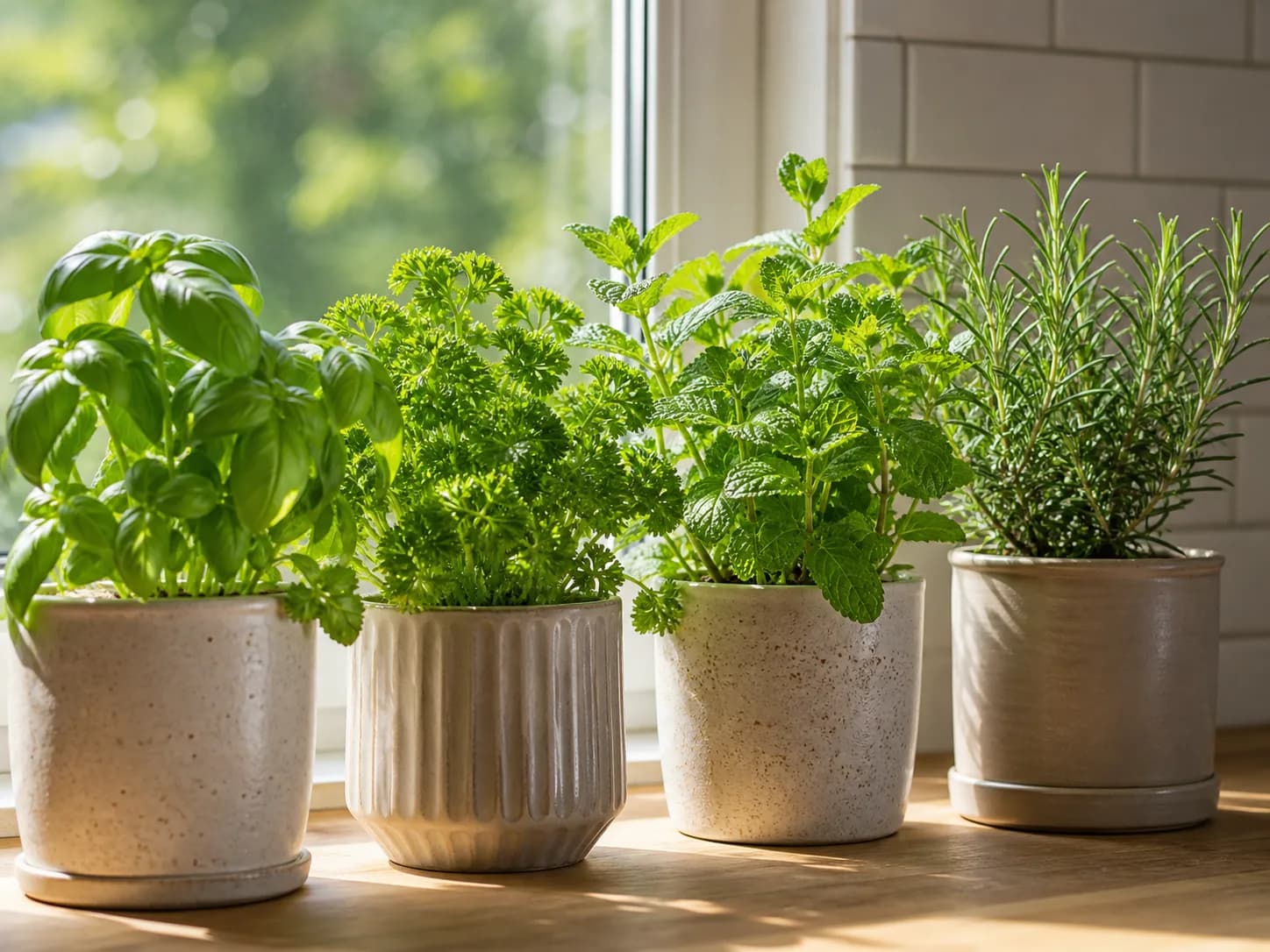
Best Herbs to Grow Indoors for Real Harvests, Not Spindly Pots
Choose indoor herbs that can actually produce in your light, temperature, and container setup, then match each one to the right harvest rhythm and watering style.
10 min read
Best Indoor Plants for Every Room and Light Level
A practical guide to choosing the best indoor plants for your home, covering beginner-friendly picks, low light champions, bright light lovers, watering basics, and how to avoid the most common mistakes.
13 min read