
Plantingschedule14 min read
Plan and Plant a Productive Cut Flower Garden
Step‑by‑step guide to planning, planting, and maintaining a backyard cut flower garden that keeps vases full from spring through frost.
A good cut flower garden acts like a small flower farm behind your house. Beds are packed, blooms keep coming, and you rarely have to raid the front yard shrubs for stems.
Here is what you need to know: planning, layout, soil prep, plant choices, and harvest timing so you get steady buckets of stems, not one big flush and then silence. We will lean on reliable workhorses like coneflower clumps and annual fillers. Herbs such as basil foliage add scent and greenery.
After one planning pass, you should know how many beds you need, which plants to mix, and how to keep flowers coming from zone 3 springs to zone 10 fall frosts.
yardChoose Your Site and Bed Style
Nonstop bouquets start with a practical layout, not fancy varieties. Flowers for cutting like full sun, level ground, and easy access on all sides, so you can reach stems without trampling soil.
Aim for 6–8 hours of direct sun. If your yard behaves like a row of lilac shrubs with sun on one side and shade on the other, place beds where light hits longest, even if that is not the most scenic spot.
Beds that are 2–4 feet wide and as long as space allows work best. You can reach the center from each side without stepping in. Longer beds are more efficient to irrigate and weed than many tiny patches.
Raised beds warm faster in spring and drain better on heavy clay. In sandy soils, in‑ground rows hold water longer and cost less to fill than deep boxes.
Before building raised beds, call utility locators so you do not set posts over buried lines.
That quick phone call is dull, but it is cheaper than rebuilding a bed after you hit a buried line.
Paths matter as much as beds. Leave 18–24 inches between beds for a wheelbarrow or kneeling with a bucket. Grass aisles feel nice underfoot but need mowing; wood chips or compacted soil handle carts better.
- fiber_manual_recordSun exposure: At least 6 hours of direct light for strong stems
- fiber_manual_recordBed width: 2–4 feet, length to match your space
- fiber_manual_recordPath width: 18–24 inches for easy movement
- fiber_manual_recordBed type: Raised for drainage, in‑ground for lower cost and cooler soil
- fiber_manual_recordAccess: Both long sides reachable without stepping into the bed
compostPrep Soil for Long Stems and Fast Regrowth
Tall flowers need loose, fertile soil so roots can run deep and push up strong stems. If your soil can pack into a ball and stay there, you need air and organic matter before planting.
Mix 2–3 inches of compost into the top 8–10 inches of soil across the whole bed. In very heavy clay, blend in coarse materials like pine fines or composted bark. In very sandy ground, extra compost acts like a sponge, catching water and nutrients so blooms do not stall between waterings.
Avoid overfeeding with high-nitrogen fertilizer. Too much nitrogen gives you huge leaves and few flowers, especially on annuals and filler herbs such as mint foliage. A balanced, slow-release product or light organic fertilizer is enough.
Most cut flower beds respond better to compost and mulch than to constant fertilizer.
Check drainage before planting by filling a 12 inch deep hole with water. If it is still full after four hours, build a raised bed or add more grit and organic matter.
Mulch the finished bed with 2–3 inches of shredded leaves, straw, or compost. Mulch keeps soil cool, holds water, and keeps soil off lower petals, which matters on pale blooms like garden rose stems.
- fiber_manual_recordCompost layer: 2–3 inches over the whole bed
- fiber_manual_recordTilling depth: 8–10 inches to loosen planting zone
- fiber_manual_recordDrainage test: Water should disappear within 4 hours
- fiber_manual_recordMulch thickness: 2–3 inches, pulled back from plant crowns
- fiber_manual_recordFertilizer: Light, balanced product, never lawn-strength formulas
Guide — See AlsoHow to Start Seeds Indoors for Stronger TransplantsStep-by-step guide to starting seeds indoors so you get stout, healthy transplants instead of weak, leggy seedlings.
chevron_rightlocal_floristPick Workhorse Flowers and Foliage
Bouquet gardens run on three groups: focal flowers, filler flowers, and foliage. Getting that mix right matters more than chasing rare varieties.
Focal flowers are the blooms your eye jumps to first. Think peony stems, hydrangea heads, or shasta daisies. Fillers like salvia, yarrow, and cosmos knit everything together without taking over the vase.
Foliage gives structure and scent. Lavender, woody rosemary, sage, and leafy basil pull double duty as bouquet greens and kitchen herbs.
Herbs earn their space fast because they bulk up bouquets and stay useful outside the vase too.
Email Updates
Join the KnowTheYard update list
Zone-specific advice, seasonal reminders, and new plant guides — no filler.
heightDesign by Bloom Time and Stem Height
Good cut gardens run on staggered bloom windows, not on one big flush.
Spring starts with tulip stems, daffodils, and early perennials. Summer carries the load with daylily, coneflower, black eyed susan, and salvia spikes. Fall finishes with asters, mums, and a few late grasses.
Group plants by height in bands instead of scattering singles. Tall stems belong at the back or north edge, mid-height flowers in the center, and short fillers along the front where cutting is easy.
If you see an empty month on paper, you will feel it in your vases later.
Guide — See AlsoAir Purifying Plants for Cleaner Indoor AirLearn how to pick, place, and care for air purifying plants so they help your indoor air instead of just looking pretty.
chevron_rightcalendar_monthPlanting Calendar and Succession Schedules
Your cut flower garden earns its keep when something is blooming every week. That comes from staggered sowing, not one big planting day.
Cool flowers carry the early season. Think hardy annuals and bulbs that laugh at spring chills in zones 3-7.
Warm-season workhorses need consistent heat before they thrive. If you grow zinnia-style annuals or similar, wait until soil is at least 60°F and all frost danger is gone.
Succession planting keeps buckets full instead of feast or famine harvests.
- fiber_manual_recordCool-season sowing: Start hardy annuals indoors 4-6 weeks before your last frost, then harden off using the same gradual steps as outdoor seedling transitions.
- fiber_manual_recordBulb timing: Plant spring bulbs like tulip clumps and daffodil-type flowers in fall once soil cools below 55°F.
- fiber_manual_recordFirst warm crop: Direct sow heat lovers about 1-2 weeks after frost, similar timing to tomato transplants in the vegetable bed.
Those first three moves set your opening bloom wave; the rest of the schedule is about keeping buckets full instead of peaking once.
- fiber_manual_recordSuccession windows: Resow quick annuals every 2-3 weeks until 8 weeks before your first fall frost.
- fiber_manual_recordFall color: Plan a late wave with hardy perennials such as late asters and mums so October vases are not all foliage.
Most home cutting beds fail from planting everything on one weekend instead of spreading sowings.
Zones with long summers, like zone 9 areas, can squeeze in an extra late succession. Cooler zone 4 gardeners should favor hardy annuals and perennials that bloom reliably in shorter seasons.
water_dropWatering, Feeding, and Deadheading Routines
Strong stems and repeat blooms start with consistent moisture and modest feeding. Erratic water gives you split stems and bent necks.
Most cut flowers prefer deep, less frequent watering that soaks roots 6-8 inches down instead of daily sprinkles.
Use your fingers and a trowel as gauges. If the top 2 inches are dry but soil below is still cool and slightly damp, you can usually wait another day.
- fiber_manual_recordWater depth: Aim for roughly 1 inch of water per week in spring, up to 1.5 inches in peak summer, similar to lawn targets in lawn care schedules.
- fiber_manual_recordMulch layer: Add 2-3 inches of shredded leaves or compost around plants to hold moisture and cut weeding time.
Those two habits handle most of the moisture swings that leave stems thin or floppy.
- fiber_manual_recordFertilizer choice: Side-dress with compost or a balanced organic fertilizer at planting, then again midseason if growth slows, instead of constant high-nitrogen feeding used on heavy-feeding crops.
- fiber_manual_recordDeadheading habit: Remove spent blooms every 2-3 days. Snip back to a strong set of leaves to trigger more lateral stems.
- fiber_manual_recordBucket station: Keep a clean bucket of cool water right by the bed so cut stems go straight into water within 30 seconds.
Those basics matter more than exotic feeding products or fancy hose timers.
Overhead watering late in the day invites mildew on tight plantings, especially on dahlias and similar full-leafed plants.
Water so foliage dries by early evening, ideally using drip or soaker hoses. If you inherit clay soil that holds puddles, follow the same deep-not-frequent pattern from deep watering methods, but stretch the days between sessions.
Guide — See AlsoWhen to Harvest Rosemary for Maximum FlavorLearn exactly when to harvest rosemary for peak flavor, how often you can cut it, and how timing changes with season and
chevron_rightcontent_cutHarvest Technique for Long-Lasting Vases
How you cut and condition stems matters as much as how you grow them. A sloppy harvest can turn perfect blooms into drooping stems overnight.
Harvest early in the morning when plants are fully hydrated and temps are cool.
Each flower type has a best harvest stage. Snapdragons and similar spikes last longest when the bottom one-third of blooms are open and the rest are still buds.
Many daisy types like shasta-style daisies do best when flowers are fully open but centers still tight and bright.
- fiber_manual_recordTools: Use a sharp, clean knife or snips. Disinfect blades every few buckets to avoid spreading disease, similar to pruning rose shrubs.
- fiber_manual_recordCut length: Cut stems longer than you think, at least 12-18 inches, then recut to fit vases indoors.
- fiber_manual_recordCut angle: Slice stems at a 45-degree angle so the drinking surface is larger and less likely to seal to the vase bottom.
Those three cuts set up water uptake; the next two steps are what keep the bucket clean indoors.
- fiber_manual_recordStrip foliage: Remove any leaves that would sit below water. Rotting foliage is the fastest way to foul a vase.
- fiber_manual_recordHydration step: Place stems straight into a deep bucket of cool water in the shade for at least 1-2 hours before arranging.
That conditioning window is where a lot of vase life gets won or lost.
Never leave a full bucket in direct sun. Warm water speeds bacteria growth and shortens vase life.
Some flowers such as poppies and certain bulb stems benefit from special treatment. Briefly searing poppy stem ends in boiling water can extend vase life. Woody stems, like those on big hydrangea heads, respond better to a long, deep slit up the stem base for improved uptake.
pest_controlWeeds, Pests, and Weather Problems
Dense flower beds can either shade out weeds or become a jungle. The difference is early control and smart spacing.
Start clean, then stay ahead. A few weeds in June become seed-filled monsters by August.
Mulch does most of the heavy lifting. A couple of inches between rows smothers annual weeds and keeps soil from crusting after summer storms.
If you deal with aggressive grasses like encroaching bermuda runners, install a physical edge or bury a barrier strip at least 6 inches deep.
- fiber_manual_recordWeekly walk-through: Spend 10-15 minutes once a week hand-pulling small weeds and checking leaf undersides.
- fiber_manual_recordPest scouting: Look for curled leaves, stippling, or webbing. Early spider mite spotting skills from indoor plant checks translate straight outdoors.
- fiber_manual_recordGentle controls: Start with a firm hose blast, insecticidal soap, or neem on soft-bodied pests instead of jumping to broad-spectrum sprays.
That quick patrol handles most problems before they turn a cutting bed into a cleanup job.
- fiber_manual_recordDeer and rabbits: Choose backup plants from lists of deer-resistant ornamentals if browsing is heavy in your neighborhood.
- fiber_manual_recordStorm response: After hail or wind, cut shredded stems back to a healthy node. Many annuals regrow faster than you expect.
Most flower pests target stressed plants first, so uneven watering and poor drainage invite trouble before insects arrive.
In hot zone 8-10 beds, sunscald can bleach darker petals, especially on deep purple varieties mentioned in purple flower roundups. Provide a bit of afternoon shade or use taller foliage plants to shield delicate blooms.
Guide — See AlsoHow to Choose Houseplants That Actually Fit Your SpaceChoose houseplants by matching light, watering style, pet safety, and room size before you fall for leaf color or pot st
chevron_rightecoAdvanced Tricks: Foliage, Fillers, and Perennial Structure
Buckets of nothing but big blooms look flat. The pros lean on foliage, airy fillers, and reliable backbone plants so every arrangement has depth.
You can grow many foliage accents in the same bed as your main flowers or borrow from nearby borders.
Herbs carry double duty. A few stems of woody rosemary sprigs or fresh mint foliage add scent and structure alongside your blooms.
Shrubby plants such as boxwood hedges or small hydrangea bushes near the cutting bed act as windbreaks and a source of sturdy greenery.
- fiber_manual_recordFoliage ratio: Aim for roughly ? foliage and fillers to ? focal blooms in each arrangement.
- fiber_manual_recordPerennial anchors: Mix in long-lived plants like sturdy coneflower clumps or classic peony stems so the bed is not a total replant every spring.
That backbone keeps bouquets from looking flat even when the focal flowers come from only one or two rows.
- fiber_manual_recordSelf-sowers: Allow a controlled patch of re-seeders, then thin extras. This works well with airy fillers that will not bully neighbors.
- fiber_manual_recordShade edges: Use taller perennials on the north side to cast light shade for cool lovers, similar to how hosta borders soften shade garden edges.
- fiber_manual_recordWinter interest: Seed heads left on a few stems feed birds and mark bed lines once frost takes the rest.
Pause before adding aggressive fillers; a cutting bed should stay easy to harvest.
Do not let aggressive spreaders like some mints loose in the main bed. Grow them in buried pots so they cannot overrun annuals.
Think of this bed as part of your larger yard. You might flank it with butterfly magnets or tuck in a small serviceberry tree nearby so spring blooms arrive before annuals even sprout.
tips_and_updates
Pro Tips
- check_circleOverplant a few extra filler rows so you never feel guilty cutting heavily for the house.
- check_circleLabel rows with paint sticks or stakes so you remember exact varieties at harvest time.
- check_circleStagger sowing of annual fillers every 2–3 weeks to extend bloom and keep stems fresh.
- check_circleCut in the cool of morning and place stems straight into a clean bucket of lukewarm water.
- check_circleSharpen and clean snips regularly so you slice stems cleanly instead of crushing them.
- check_circleWalk the beds twice a week just to deadhead and weed; short, regular visits beat marathon cleanups.
- check_circleTrack which plants produced the most usable stems and replant those winners next year.
quiz
Frequently Asked Questions
How big should a beginner cut flower garden be?expand_more
A simple starting size is a bed around 4x8 feet. That is enough room for a few rows of annuals, fillers, and foliage without becoming a weeding burden. You can always add a second bed after one good season.
Do I need special fertilizer for cut flowers?expand_more
Most cut flowers are happy with compost and a balanced, slow-release fertilizer worked into the soil at planting. If you already feed vegetables using basic veggie fertilizer routines, your flowers can follow the same schedule.
Can I grow cut flowers in partial shade?expand_more
You can, but expect fewer and shorter stems. In light afternoon shade, focus on hardy perennials and foliage plants, and supplement blooms with sun-lovers in containers where you can move them, similar to shifting shade-tolerant pots.
How many plants do I need for regular bouquets?expand_more
For weekly bouquets from late spring to frost, plan roughly 25–40 plants in a small bed. Include a mix of focal flowers, airy fillers, and foliage. Succession sowing of a few annuals stretches that number much further.
Can I mix vegetables and cut flowers in the same bed?expand_more
Yes, as long as you avoid shading out sun-hungry crops and keep spacing generous. Tall flowers can shelter greens like kale leaves. Their blooms also lure pollinators to crops such as vining cucumbers. Just keep traffic paths wide enough for harvest.
menu_book
Sources & References
Related Guides

Air Purifying Plants for Cleaner Indoor Air
Learn how to pick, place, and care for air purifying plants so they help your indoor air instead of just looking pretty.
11 min read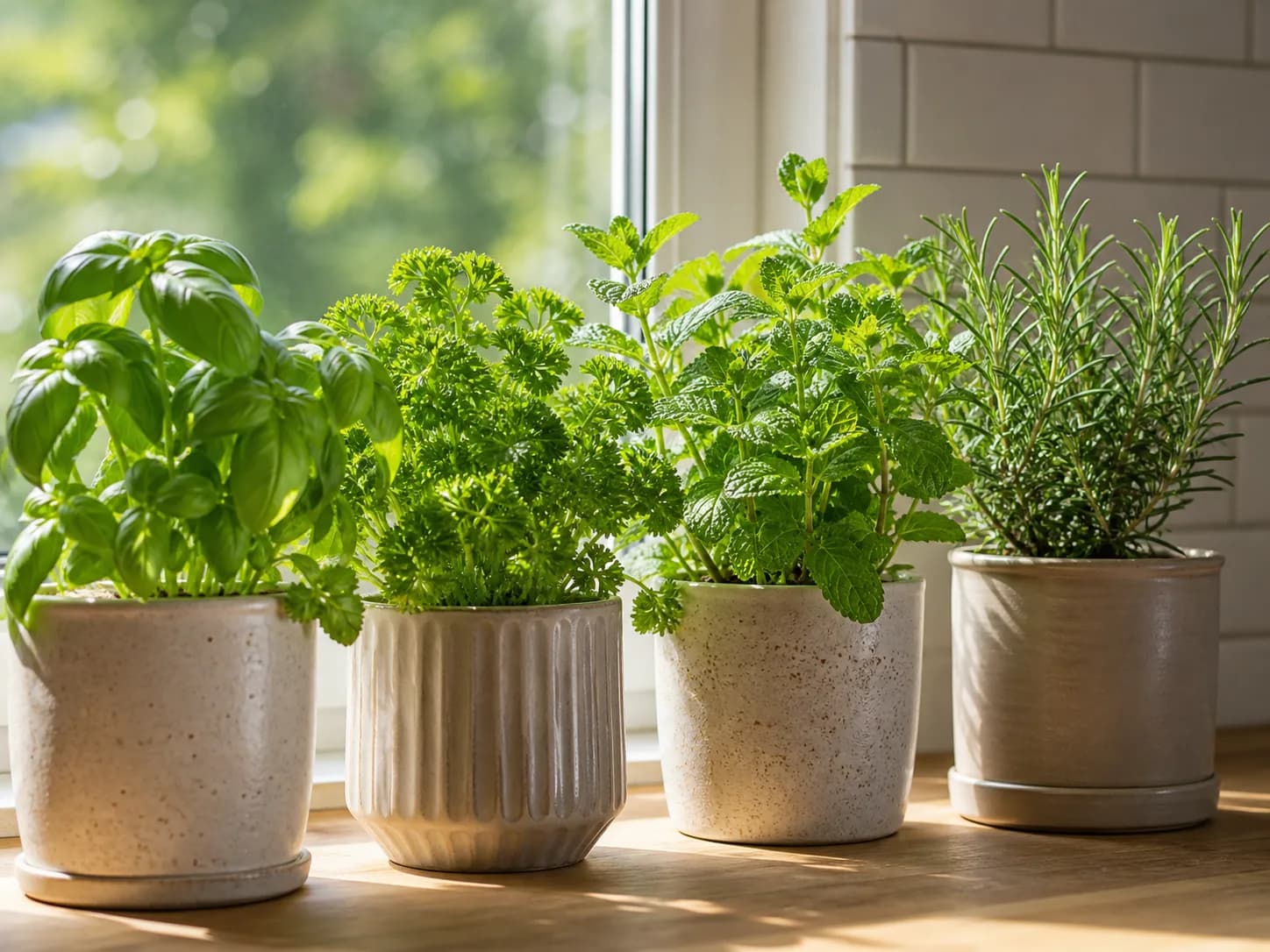
Best Herbs to Grow Indoors for Real Harvests, Not Spindly Pots
Choose indoor herbs that can actually produce in your light, temperature, and container setup, then match each one to the right harvest rhythm and watering style.
10 min read
Best Indoor Plants for Every Room and Light Level
A practical guide to choosing the best indoor plants for your home, covering beginner-friendly picks, low light champions, bright light lovers, watering basics, and how to avoid the most common mistakes.
13 min read