Plantingschedule11 min read
How to Propagate Houseplants Without Losing the Parent Plant
Learn the easiest houseplant propagation methods for cuttings, division, and offsets so you can multiply healthy plants without rough handling.
Houseplant propagation works best when you match the method to the way the plant naturally grows. Some plants root easily from stem cuttings, some are cleaner to divide at the roots, and some are really offset plants that just need time and patience.
The mistake is treating every plant like a cutting project. A good propagation setup is less about excitement and more about choosing healthy material, keeping the parent plant stable, and giving the new plant enough light, air, and moisture to root without rotting.
account_treeKnow which method fits the plant
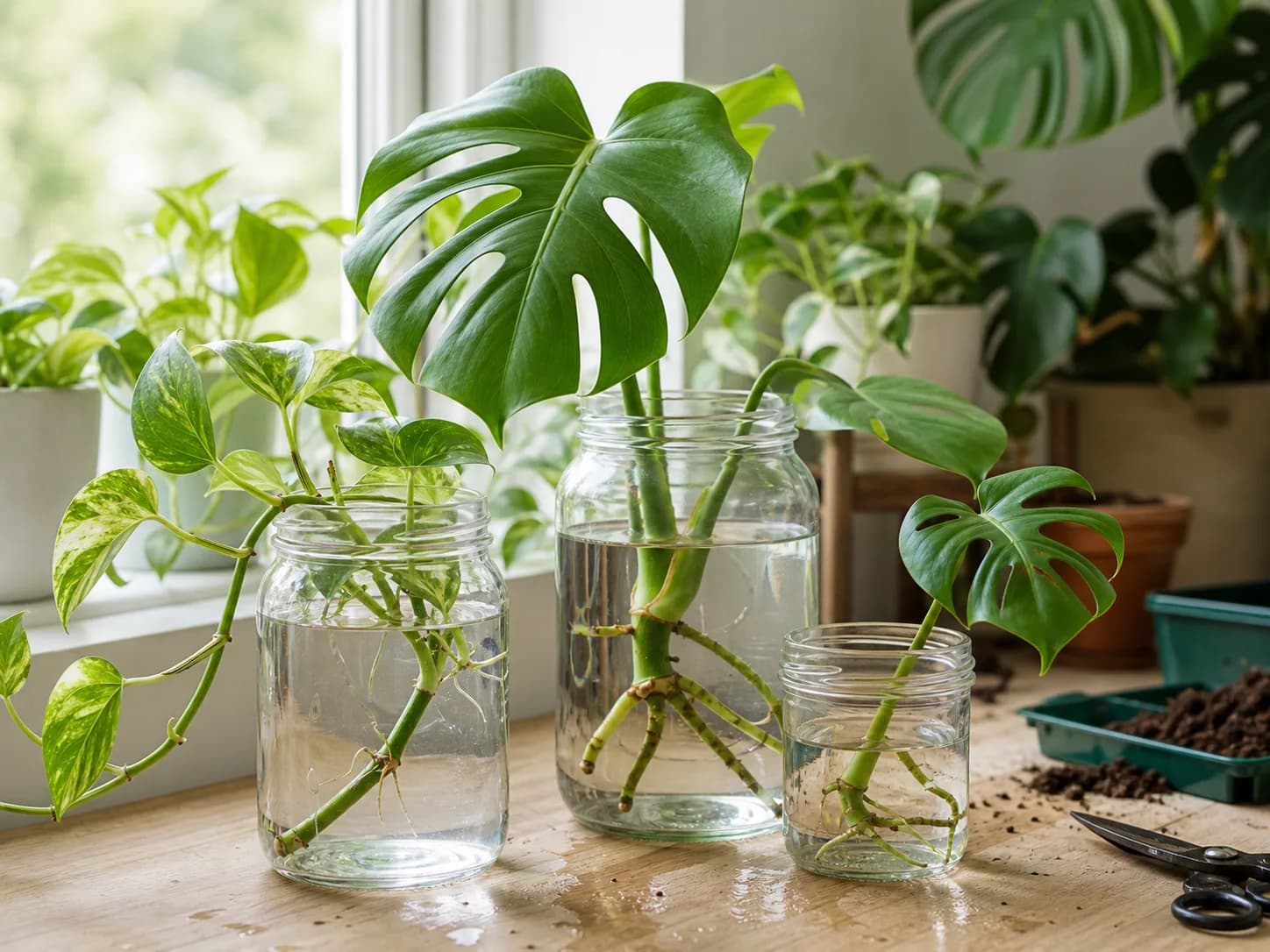
Start with the plant's growth habit. Vining plants like Pothos and Philodendron usually root well from stem cuttings that include a node. Clumping or offset plants like Spider Plant and Peace Lily are often cleaner to divide.
Plants with thick rhizomes or denser root systems, including Snake Plant and ZZ Plant, can be propagated, but they usually move slower and punish rough handling more.
If the plant is already overdue for root work, plan propagation alongside a repot instead of stressing it twice.
content_cutTake cuttings only from active, healthy growth
The best cuttings come from healthy stems, not from the oldest, weakest growth on the plant. Look for firm tissue, active nodes, and leaves that are mature enough to support rooting but not already declining.
That matters most on fast propagators like Pothos and Philodendron, where one clean node can root well if the mother plant is in good shape. It matters even more on slower plants because bad material wastes time you do not get back.
If the parent plant is showing stress from bad light or watering, fix that first with better plant placement or watering diagnosis before you start cutting.
Guide — See AlsoHow to Grow Watermelon for Sweet Summer FruitPlant, train, and care for watermelons from seed to harvest. This guide covers soil prep, spacing, watering, pollination
chevron_rightgrassRooting medium matters more than rooting hormone for most homes
Most houseplant cuttings root perfectly well without fancy products if the medium stays evenly moist and airy. Water propagation is fine for learning, but long-term it often helps to root into a loose mix, sphagnum, or perlite blend so the transition to soil is smoother.
That is especially true for Spider Plant plantlets and tropical stem cuttings that dislike being moved from one extreme environment to another. Use an airy indoor mix for potting on, not dense soil that seals around a tiny new root system.
Keep the setup bright and warm, but avoid hard direct sun while roots are still forming.
Email Updates
Join the KnowTheYard update list
Zone-specific advice, seasonal reminders, and new plant guides — no filler.
checklistDivision works best when the root system already wants space
Division is the cleanest route when the parent plant has multiple crowns, offsets, or root clusters that already separate naturally. Peace Lily and Spider Plant often handle this well when the root ball is full and actively growing.
With Snake Plant or ZZ Plant, stay conservative; split only when you can preserve solid roots and healthy growth on each section. Forcing a small fragment with weak roots usually turns into a slow recovery project.
Use the same pot-sizing logic from repotting afterward so the new division is not buried in an oversized container.
Guide — See AlsoFull Sun Perennials for All-Day Hot SpotsPractical planting guide for full sun perennials, from choosing tough varieties to soil prep, spacing, and watering so y
chevron_rightaccount_treeAftercare is where most new propagations are lost
Fresh cuttings and new divisions need stability more than attention. Keep them in bright indirect light, avoid strong fertilizer, and do not water on a panic schedule just because you are eager to see movement.
Cuttings in mix should stay lightly moist, not waterlogged. New divisions should be watered thoroughly once, then allowed to move toward a normal rhythm based on the pot size and root mass.
If the new plant stalls, check light, warmth, and soil texture before you assume it needs more water. The same overreaction that hurts mature plants still hurts new ones; watering rhythm matters here too.
account_treeBest beginner propagation choices
If you want easy wins, start with Pothos, Philodendron, or Spider Plant. They show roots fairly quickly and forgive ordinary beginner mistakes.
Save slower or fussier propagation projects for later. The point of a first propagation is to learn what good material and steady aftercare look like, not to test patience on the hardest plant in the room.
Guide — See AlsoPrivacy Trees: Plan, Plant, and Grow a Living ScreenStep-by-step guide to choosing, spacing, and planting privacy trees for a fast, healthy living screen in small yards and
chevron_righttips_and_updates
Pro Tips
- check_circleMatch the method to the plant instead of forcing everything into stem cuttings.
- check_circleTake propagation material only from healthy, active growth.
- check_circleUse an airy rooting setup rather than dense potting soil.
- check_circleDivide only when each new section can keep enough roots to recover.
- check_circleBright indirect light and steady conditions beat constant fussing.
quiz
Frequently Asked Questions
What is the easiest houseplant to propagate?expand_more
Pothos, Philodendron, and Spider Plant are usually the easiest starters because they root readily and show progress fast.
Should I root cuttings in water or soil?expand_more
Either can work. Water is easy to monitor, but an airy mix often makes the transition to a potted plant smoother.
When is the best time to propagate houseplants?expand_more
Late winter through summer is usually easiest because the plant is in or moving into active growth.
Can I propagate a struggling plant to save it?expand_more
Sometimes, but it is better to stabilize the parent first unless the top growth is clearly the only healthy material left.
Related Guides

Air Purifying Plants for Cleaner Indoor Air
Learn how to pick, place, and care for air purifying plants so they help your indoor air instead of just looking pretty.
11 min read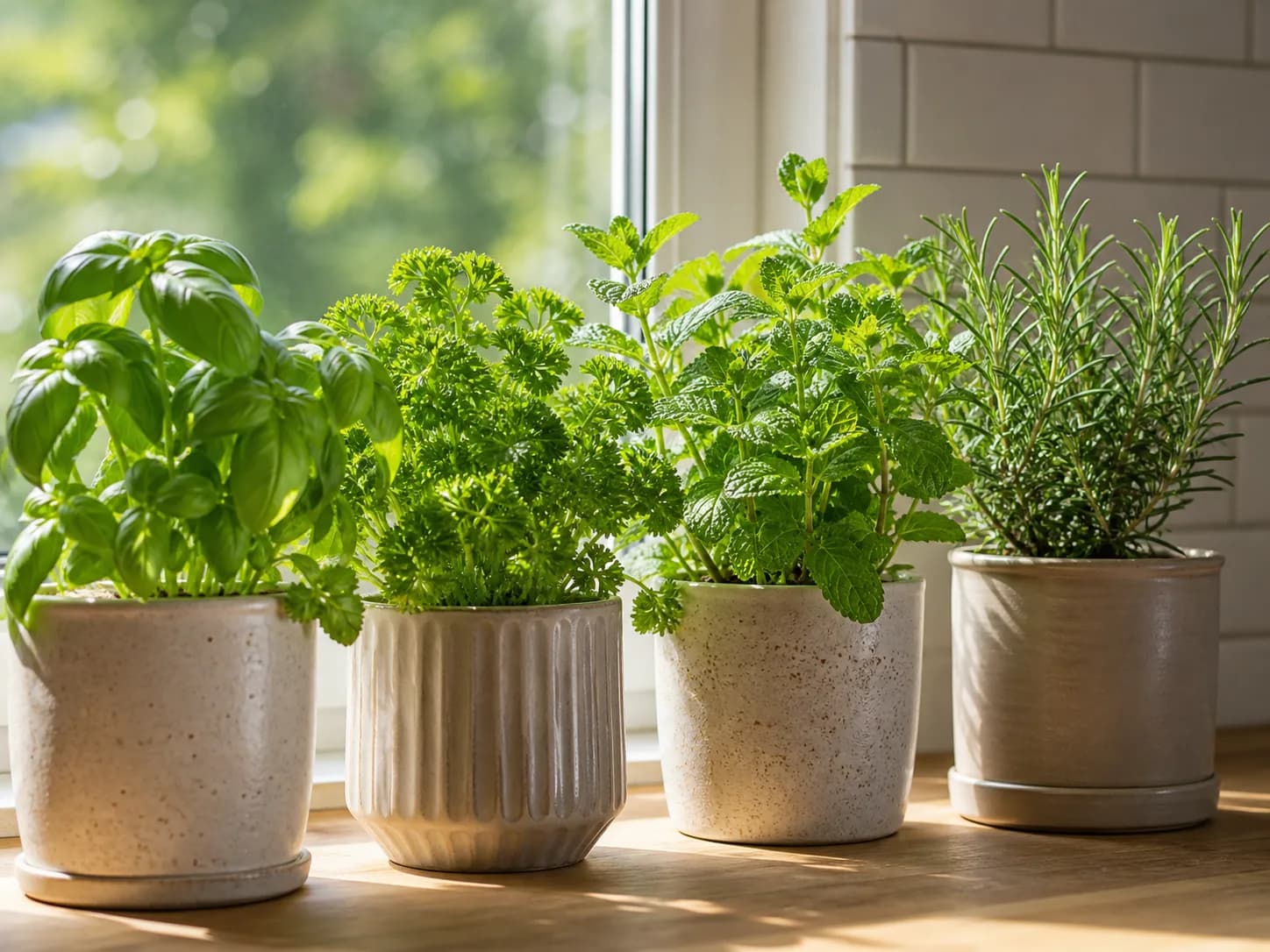
Best Herbs to Grow Indoors for Real Harvests, Not Spindly Pots
Choose indoor herbs that can actually produce in your light, temperature, and container setup, then match each one to the right harvest rhythm and watering style.
10 min read
Best Indoor Plants for Every Room and Light Level
A practical guide to choosing the best indoor plants for your home, covering beginner-friendly picks, low light champions, bright light lovers, watering basics, and how to avoid the most common mistakes.
13 min read