Plantingschedule10 min read
How to Choose Houseplants That Actually Fit Your Space
Choose houseplants by matching light, watering style, pet safety, and room size before you fall for leaf color or pot styling.
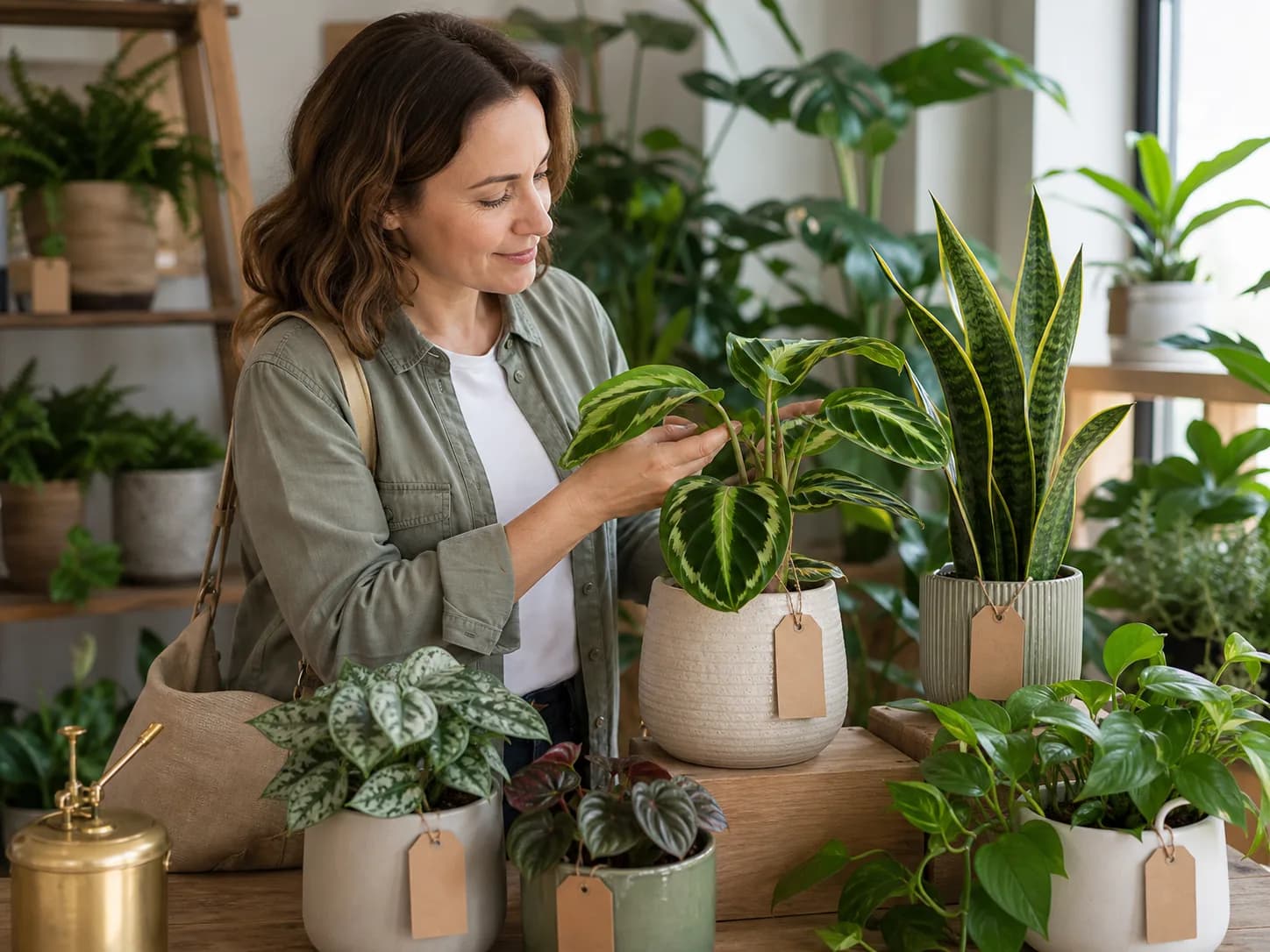
Most bad houseplant purchases start the same way: a plant looked good on the shelf, the tag sounded easy, and nobody stopped to ask whether the room could support it. Buying with the room in mind fixes most of that; buying with the leaves in mind usually creates a rescue project.
The better order is simple. Read your light first; decide how often you really water; then check whether pets or cold drafts are part of the setup. That is how people end up happy with Pothos in forgiving rooms. Snake Plant works the same way for people who need tougher foliage instead of a plant that never had the right conditions.
light_modeStart with the light you really have
Window direction and distance from glass matter more than the marketing photo. Bright indirect light near an east window can handle very different plants than a dim shelf in the back of a room.
If the space is genuinely low light, start with resilient plants like Snake Plant, ZZ Plant, or a forgiving Pothos. If the room stays brighter for most of the day, broader-leaved picks like Monstera or Peace Lily make more sense.
When you are still unsure, compare the room against our low-light plant guide. Then cross-check it with the best indoor plants list before you buy.
water_dropMatch the plant to your watering habits
A plant is only low maintenance if its watering rhythm matches the person caring for it. If you forget for stretches, do not bring home a moisture-hungry diva and expect a different outcome.
Frequent water checkers usually do well with Peace Lily. Spider Plant is another good fit if you enjoy checking soil before it dries hard. People who water late, travel often, or simply do not enjoy daily fuss tend to keep ZZ Plant and Snake Plant alive longer.
Use houseplant watering frequency as the baseline. Then avoid impulse buys that would drag you into constant corrections with overwatered plant recovery.
Guide — See AlsoPink Flowers for Beds, Borders, and ContainersPractical guide to choosing and planting pink flowers in beds, borders, and containers, with real spacing, sun, and wate
chevron_rightchecklistCheck mature size before you check the leaf pattern
A juvenile nursery plant hides its real footprint. The small pot on the bench is not the mature plant you will be living with six months or two years later.
Trailing plants like Pothos stay flexible because you can hang them or prune them back. Upright plants like Monstera eventually want floor space, support, and wider leaf clearance. Compact plants like ZZ Plant suit desks and narrow corners better.
If the room is already tight, buy for the future and assume you may need a repotting upgrade later rather than treating every small starter pot like a permanent size.
Email Updates
Join the KnowTheYard update list
Zone-specific advice, seasonal reminders, and new plant guides — no filler.
potted_plantDo not ignore containers, drainage, and cold spots
A good plant still fails in a bad setup. Pots without drainage, AC vents that blast dry air, and winter-cold window ledges create problems that the plant tag never warned you about.
Before buying, decide whether the plant will sit in a nursery pot inside a cover pot or go straight into a real container with drainage. If you still need to sort that out, read why drainage holes matter first.
This is also where plant choice shifts. Spider Plant and Pothos adapt to ordinary rooms more easily, while fussier tropicals get punished faster by cold glass, heater drafts, or decorative pots that trap water.
Guide — See AlsoRed Flowers: Plan, Plant, and Combine ColorsPractical guide to choosing and planting red flowers in beds and containers, including sun, soil, spacing, and color-pai
chevron_rightsearchShop the plant itself, not just the species label
Two plants with the same name can leave the store in very different shape. Look for firm stems, roots that are not circling out of every drain hole, and foliage without widespread yellowing, crispy edges, or pest residue.
A healthy starter Peace Lily or Snake Plant will recover from minor stress faster than a discounted plant that was already declining on the rack. Check the soil too; if it is bone dry one day and sour the next, the plant has already lived through uneven care.
If you spot gnats, sticky residue, or suspicious webbing, skip that plant. That saves you a later round with fungus gnat cleanup.
checklistA simple buying shortlist for beginners
If you want a short answer, buy according to the hardest limit in the room. For low light and low attention, lean toward ZZ Plant or Snake Plant.
For medium light and faster growth, try Pothos or Spider Plant. For brighter rooms where you want a bolder look, start with Monstera.
That shortlist is boring on purpose; it works because it respects the room and the owner. Once you keep those alive, then branch into fussier choices.
Guide — See AlsoBest Time to Overseed a Northeast Lawn for Thick TurfLearn exactly when to overseed cool-season lawns in the Northeast, how soil temperature and frost dates affect timing, a
chevron_righttips_and_updates
Pro Tips
- check_circleRead the room first, then read the plant tag.
- check_circleBuy for the light you have on an ordinary day, not the brightest hour of the week.
- check_circleMatch watering style to your real habits, not to the plant you wish you were ready for.
- check_circleAssume every young plant will want more space later.
- check_circleSkip any plant that already looks like a rehab case unless that is the project you wanted.
quiz
Frequently Asked Questions
What is the easiest first houseplant to buy?expand_more
For most rooms, Pothos, Snake Plant, and ZZ Plant are the safest starters because they forgive missed watering and average indoor conditions.
Should I buy a bigger plant if I want faster impact?expand_more
Only if the room can actually support it. Bigger plants look impressive, but they expose bad light and watering habits much faster than smaller starters.
Is low light the same as no light?expand_more
No. Low light still means usable daylight. A dark hallway with no window is not a real plant spot unless you add grow lights.
Do nursery pots matter if I plan to repot later?expand_more
Yes. A healthy nursery setup with drainage buys you time to learn the plant before you change soil or container size.
Related Guides

Air Purifying Plants for Cleaner Indoor Air
Learn how to pick, place, and care for air purifying plants so they help your indoor air instead of just looking pretty.
11 min read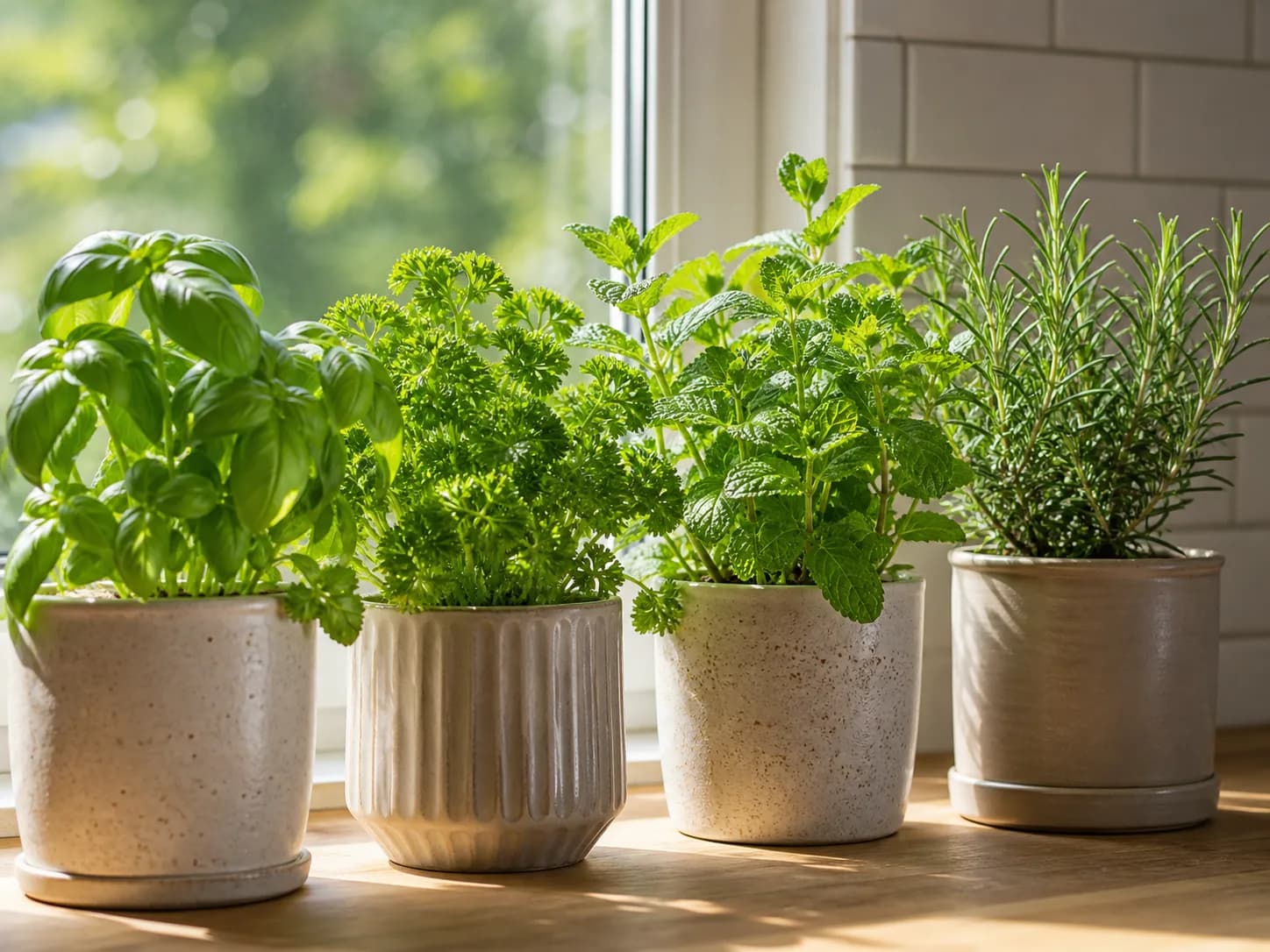
Best Herbs to Grow Indoors for Real Harvests, Not Spindly Pots
Choose indoor herbs that can actually produce in your light, temperature, and container setup, then match each one to the right harvest rhythm and watering style.
10 min read
Best Indoor Plants for Every Room and Light Level
A practical guide to choosing the best indoor plants for your home, covering beginner-friendly picks, low light champions, bright light lovers, watering basics, and how to avoid the most common mistakes.
13 min read