verifiedGarden Guides
Lawn Care
A healthy lawn is built on soil biology, not cosmetic shortcuts. These guides cover mowing height by grass species, seasonal fertilization windows based on soil temperature, and irrigation scheduling that promotes deep root systems over surface dependency.
menu_book21Guides
potted_plant14Plants Covered
schedule12 minAvg Read Time
help109FAQs Answered
Lawn Care Guides
21 Guides Availableinfo
About This Hub
A healthy lawn is built on soil biology, not cosmetic shortcuts. These guides cover mowing height by grass species, seasonal fertilization windows based on soil temperature, and irrigation scheduling that promotes deep root systems over surface dependency. These guides are maintained from published references, practical garden context, and internal editorial review.
grass
Understanding Your Grass Type
Every lawn care decision starts with grass species identification. Cool-season grasses like Kentucky bluegrass and tall fescue thrive when soil temperatures sit between 50–65°F. Warm-season varieties like bermudagrass and zoysiagrass peak at 80–95°F soil temps.
Mowing height, fertilization timing, and overseeding windows all depend on this distinction. A bermudagrass lawn mowed at 3.5 inches will thin out. A fescue lawn cut at 1 inch will scorch.
Misidentifying your grass type is the single most common cause of lawn decline. If you inherited a lawn and are unsure, your local cooperative extension office can identify it from a plug sample for free.
science
Soil Health as the Foundation
Grass is only as healthy as the soil it grows in. Compacted clay soil restricts root growth to the top 2 inches, making turf drought-vulnerable and disease-prone. Sandy soil drains too fast, leaching nutrients before roots absorb them.
A basic soil test (available for $10–20 through your county extension) reveals pH, phosphorus, potassium, and organic matter content. Most turf grasses prefer pH 6.0–7.0. Outside that range, nutrient uptake drops even when fertilizer is present.
Core aeration once or twice per year breaks compaction and allows oxygen, water, and nutrients to reach root zones. Time it during active growth periods for fastest recovery.
calendar_month
Seasonal Maintenance Cycles
Lawn care follows a predictable annual cycle that varies by climate zone. Cool-season lawns do their heaviest growing in spring and fall. Warm-season lawns peak in summer.
The most common mistake is applying fall practices in spring or vice versa. Overseeding a cool-season lawn in July wastes seed. Fertilizing a warm-season lawn in November feeds weeds, not turf.
Our guides organize tasks by the soil temperature triggers that actually matter, not calendar dates. A lawn in Zone 5 and Zone 8 both need the same actions — just at different times of year.
content_cut
Mowing: The Most Underrated Practice
Mowing accounts for more lawn quality variation than fertilizer or irrigation combined. The one-third rule — never remove more than one-third of the blade height in a single cut — prevents shock, scalping, and weed invasion.
Sharp blades cut clean. Dull blades tear, leaving ragged tips that brown within hours and create entry points for fungal pathogens like dollar spot and brown patch.
Mowing frequency should match growth rate, not your schedule. During peak spring growth, that may mean cutting every 4–5 days. In summer heat, once every 10–14 days may be sufficient.
calendar_monthSeasonal Lawn Care Tips
local_floristSpring
Apply pre-emergent herbicide when soil temperature reaches 55°F for three consecutive days — this is when crabgrass germinates.
wb_sunnySummer
Raise mowing height by 0.5–1 inch during heat waves. Taller grass shades roots and reduces soil temperature by up to 10°F.
parkFall
Core aerate and overseed when soil temperatures drop to 55–65°F. This is the single highest-impact maintenance window for cool-season lawns.
ac_unitWinter
Avoid walking on frozen turf — ice crystals in grass blades rupture cells, causing brown footprints that persist until spring regrowth.
 Lawn Care
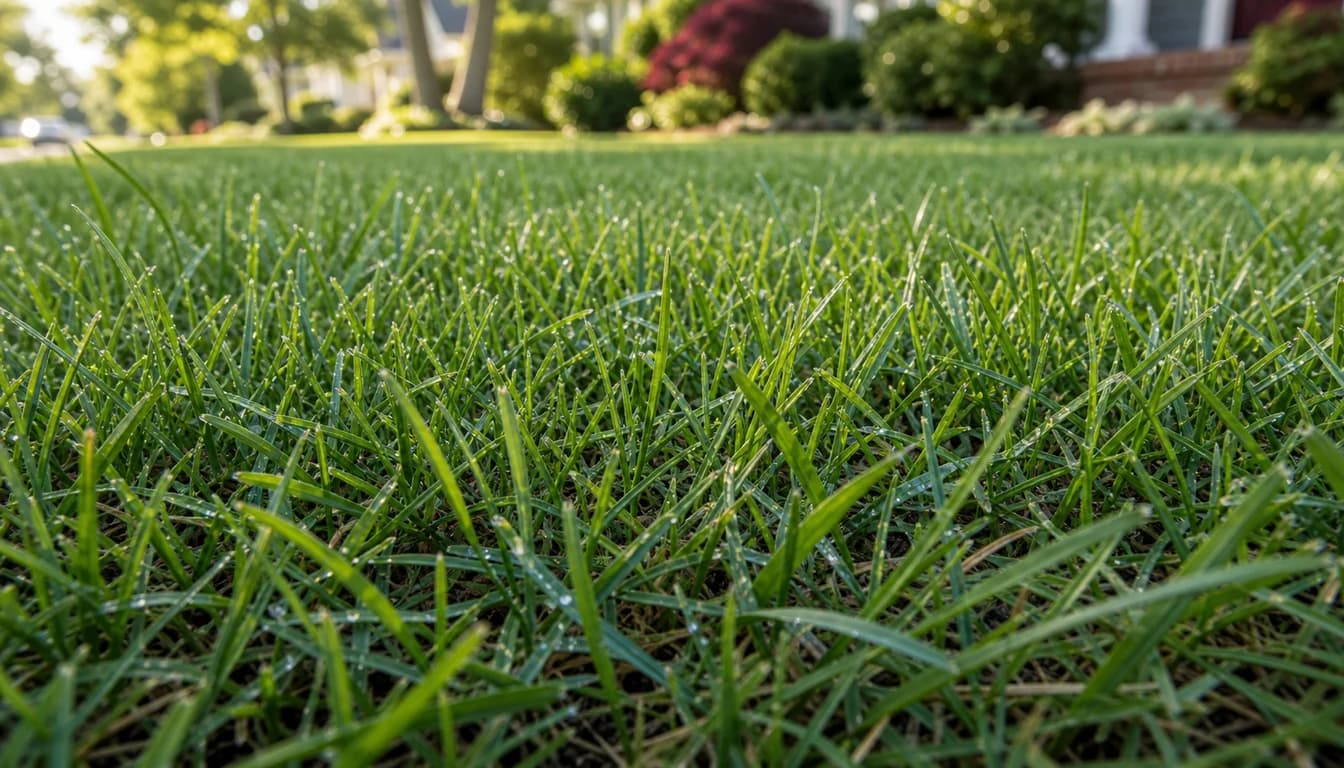
When to Aerate a Lawn in Ohio for Thick, Green Grass
Practical timing tips for when to aerate a lawn in Ohio, plus how to match aeration to your grass type, soil, and overseeding plans.
schedule11 min readsignal_cellular_altAll Levels
Read Guide arrow_forward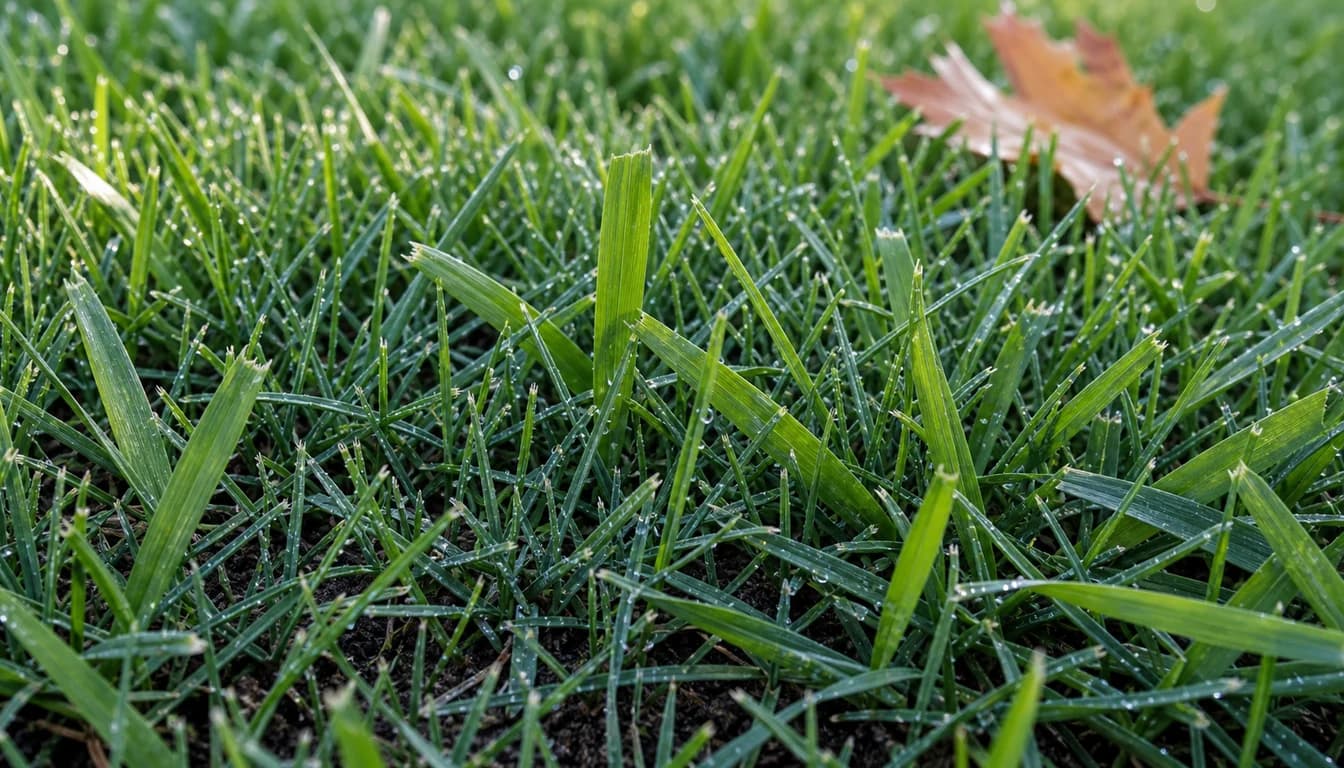 Lawn Care
When to Aerate a Lawn in Michigan for Thick Turf
Learn exactly when to aerate a lawn in Michigan, how soil temperature and grass type change the timing, and how to pair aeration with overseeding and fertilizing for thick, healthy turf.
schedule11 min readsignal_cellular_altAll Levels
Read Guide arrow_forward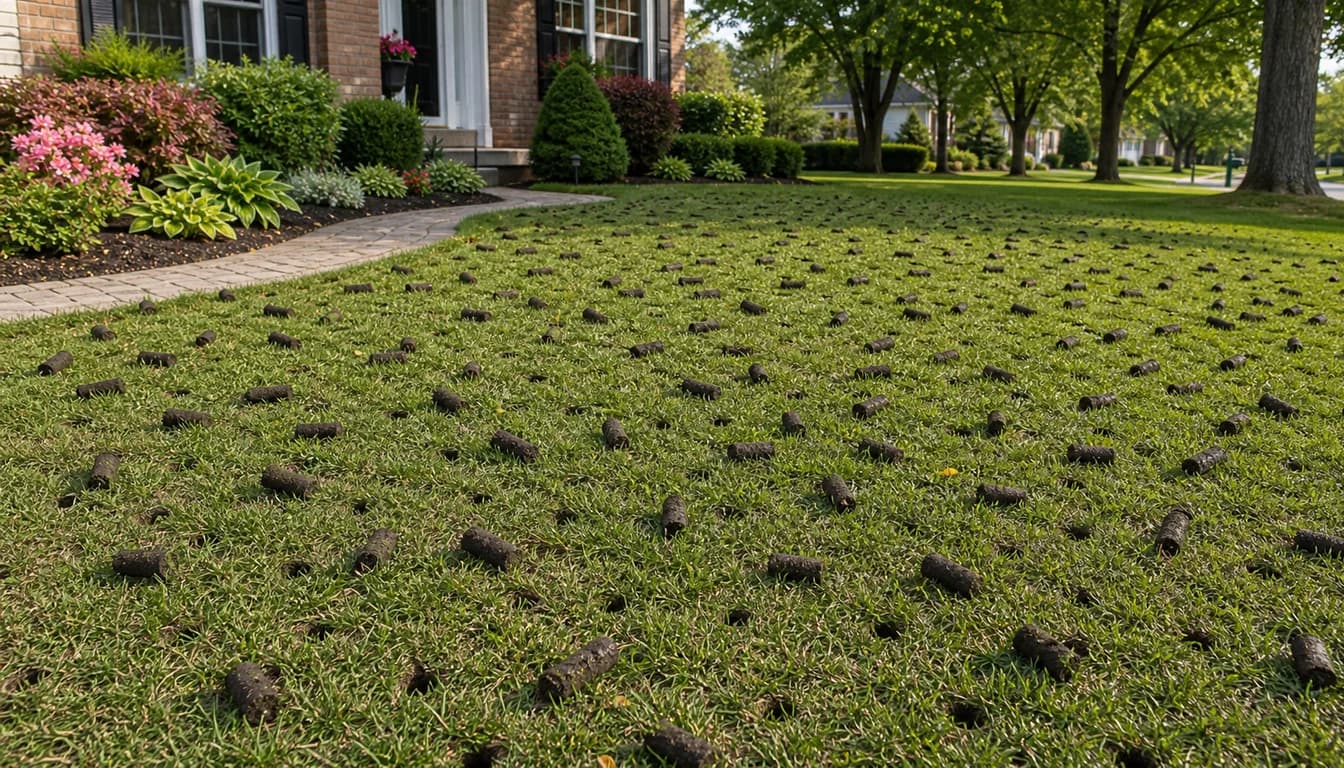 Lawn Care
When to Aerate Your Lawn for Real Results
Learn exactly when to aerate your lawn based on grass type, soil conditions, and season so you get thicker turf instead of stressing it.
schedule11 min readsignal_cellular_altAll Levels
Read Guide arrow_forward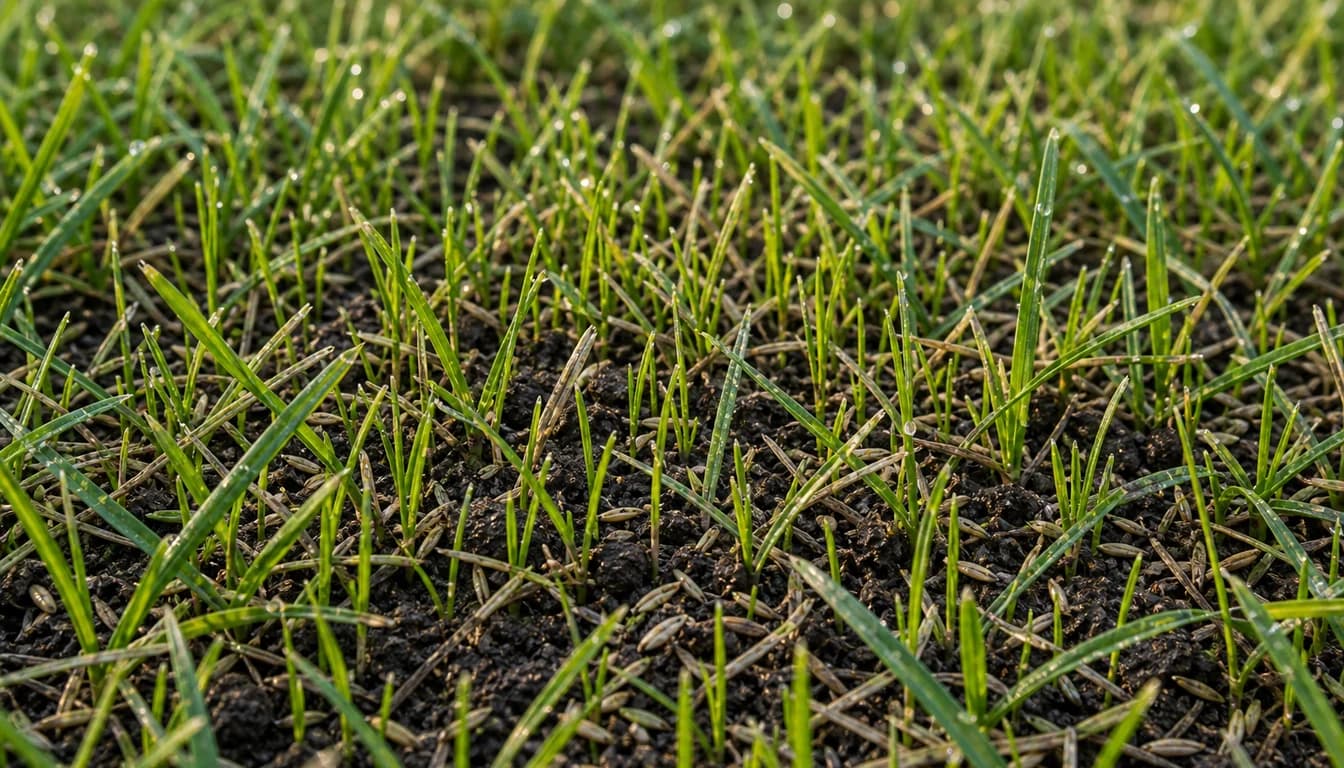 Lawn Care
When to Cut Grass After Overseeding Without Killing New Seed
Learn exactly how long to wait before mowing after overseeding, how tall new grass should be for the first cut, and mower settings that protect fragile seedlings.
schedule11 min readsignal_cellular_altAll Levels
Read Guide arrow_forward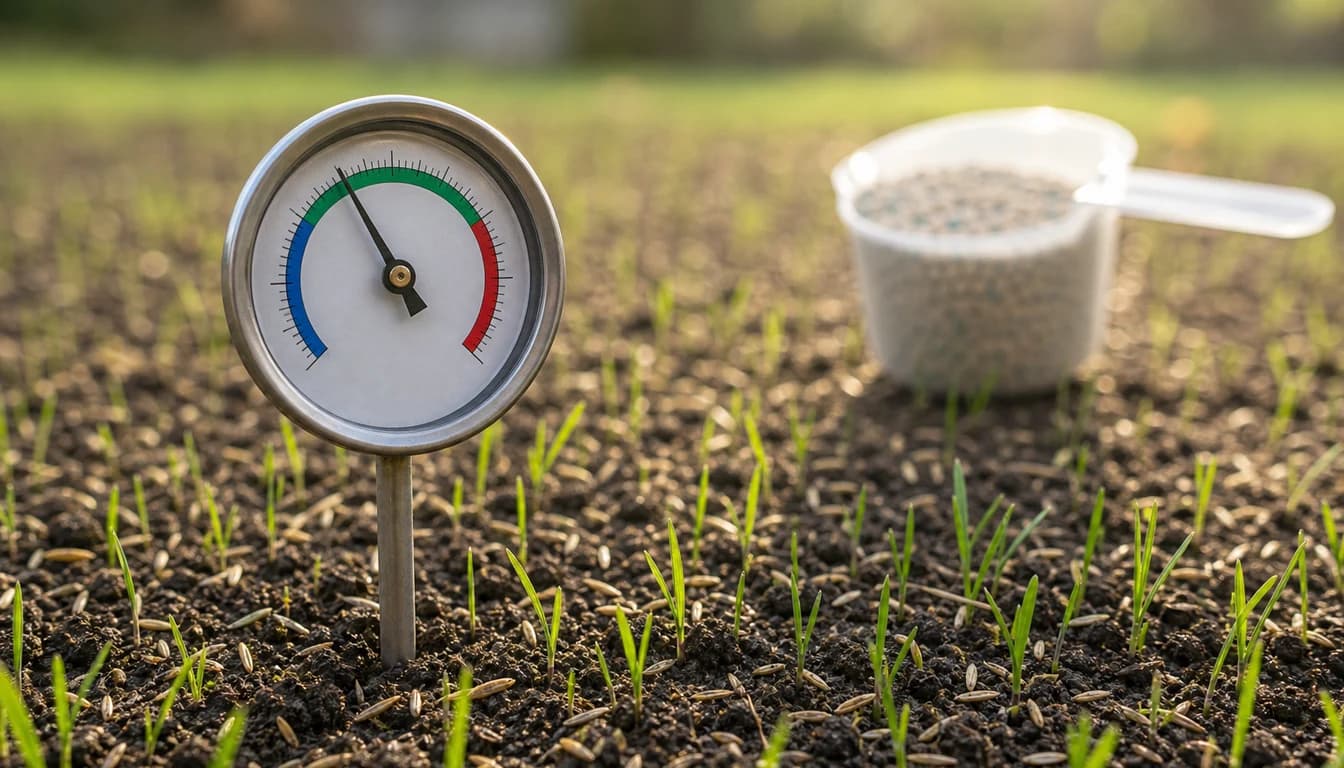 Lawn Care
When to Fertilize New Grass Without Burning It
Learn exactly when to fertilize new grass from seed or sod so it roots deeply, fills in fast, and avoids fertilizer burn.
schedule11 min readsignal_cellular_altAll Levels
Read Guide arrow_forwardhelpFrequently Asked Questions
How often should I water my lawn?expand_more
Most established lawns need 1–1.5 inches of water per week, delivered in 1–2 deep sessions. Frequent shallow watering encourages surface roots and increases drought vulnerability. Water early morning to reduce evaporation and fungal risk.
When is the best time to fertilize a lawn?expand_more
For cool-season grasses, early fall (soil temp 55–65°F) is the most impactful fertilization window. For warm-season grasses, late spring when soil consistently exceeds 65°F. Avoid fertilizing dormant grass — it feeds weeds instead.
How do I fix bare patches in my lawn?expand_more
Loosen the top 1–2 inches of soil, apply seed at the rate on the label, cover lightly with peat moss or straw, and keep consistently moist for 2–3 weeks. Seed-to-soil contact is the critical factor for germination success.
Should I bag or mulch grass clippings?expand_more
Mulch them. Grass clippings return nitrogen and organic matter to the soil, reducing fertilizer needs by up to 25%. Only bag if clippings are excessively long (over 1 inch) or if the lawn has active fungal disease.
How do I get rid of lawn weeds without chemicals?expand_more
The most effective non-chemical weed control is a thick, healthy lawn. Mow at the tall end of the species range, overseed thin areas in fall, and maintain proper fertility. Hand-pull broadleaf weeds before they seed. Corn gluten meal works as a pre-emergent in spring.
What height should I mow my lawn?expand_more
It depends on species. Kentucky bluegrass: 2.5–3.5 inches. Tall fescue: 3–4 inches. Bermudagrass: 0.5–1.5 inches. Zoysiagrass: 1–2 inches. Always cut at the higher end during heat stress periods to shade roots and retain moisture.