
Lawn Careschedule11 min read
When to Aerate a Lawn in Ohio for Thick, Green Grass
Practical timing tips for when to aerate a lawn in Ohio, plus how to match aeration to your grass type, soil, and overseeding plans.
Core aeration is one of the few lawn jobs that can change how your yard looks for years, not just weeks. In Ohio, timing it right around cool seasons, soil temps, and your grass type makes all the difference.
Most Ohio lawns are cool season mixes like Kentucky bluegrass blends and Tall Fescue, which prefer specific windows in spring and fall. The details that move the needle: exact timing by region, how to read your soil instead of the calendar, and how to pair aeration with overseeding and fertilizer for real results.
grassKnow Your Ohio Grass Type First
The right aeration window depends on whether your lawn is cool season or warm season turf. In Ohio, almost every home lawn is a cool season mix, unless someone installed a specialty warm season yard.
Cool season lawns are usually Kentucky bluegrass, Perennial Ryegrass, and Tall Fescue in some combination. You will rarely see warm season grasses like bermuda in full sun outside a few southern Ohio test lawns.
Kentucky bluegrass spreads by rhizomes and fills holes quickly after you pull cores. Tall fescue clumps more, so it benefits heavily from pairing aeration with overseeding to thicken bare spots.
Perennial ryegrass germinates fast and is often used in blends to cover thin areas. It tolerates aeration well as long as you time it during strong growth, not summer stress.
If you are not sure what you have, look at blade width and feel. Fine, soft turf that looks like a sports field is often bluegrass or rye. Coarser, thicker blades in clumps usually mean tall fescue is involved.
Ohio sits mostly in USDA zones 5 and 6, with a bit of zone 7 near the river. Treat your timing similar to zone 5 timing in the north. Use zone 6 schedules farther south in the state.
Aerate only when grass is actively growing. Pulling cores into dormant or heat-stressed turf slows recovery and can cause thin patches.
For most Ohio lawns, early fall is the high-confidence aeration window.
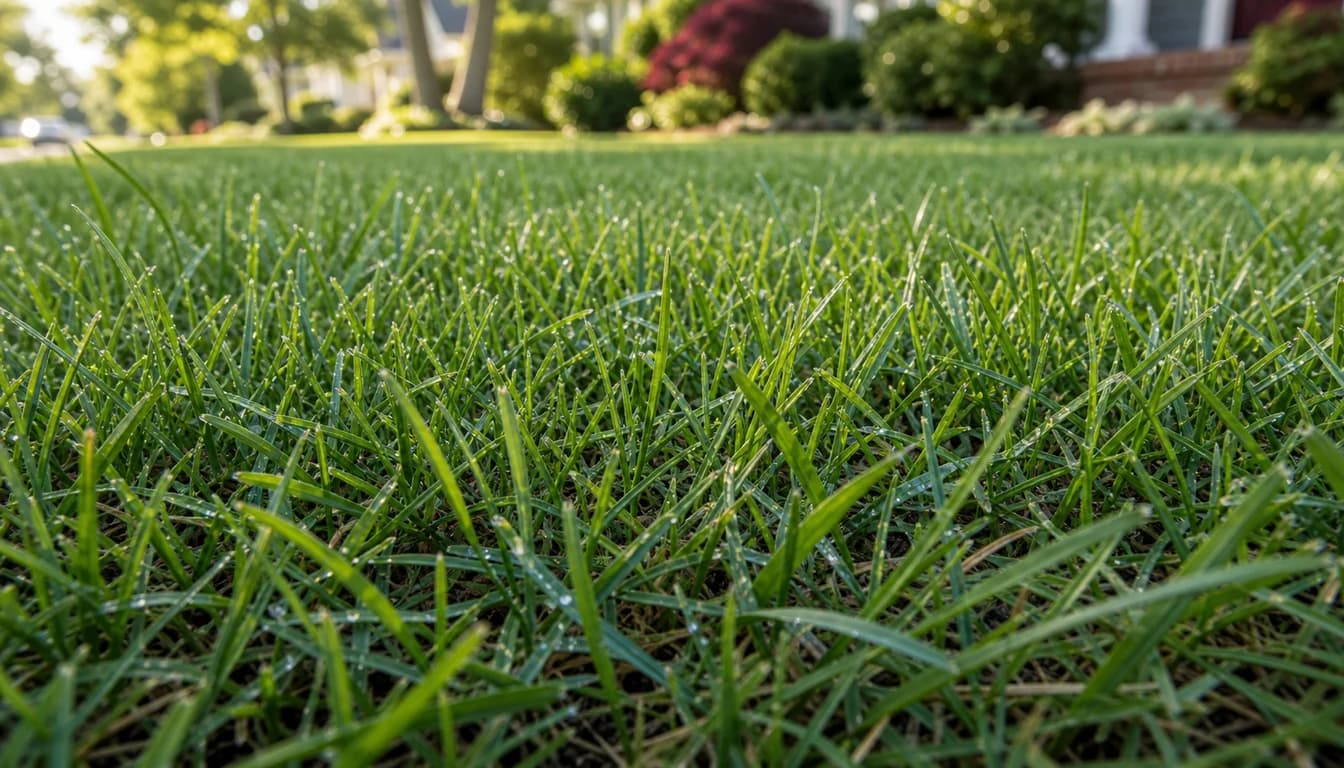
Most Ohio lawns are cool season mixes, which like fall aeration.
- fiber_manual_recordMost common mix: Kentucky bluegrass, perennial ryegrass, tall fescue
- fiber_manual_recordWarm season outliers: Small patches of bermuda or zoysia in hot microclimates
- fiber_manual_recordRule of thumb: Cool season lawns prefer fall aeration for thickening
calendar_monthBest Time to Aerate in Ohio: Month-by-Month
On paper, Ohio lawns get aerated in early fall. In real life, you get the best results by watching soil temperature and local weather, not just flipping the calendar to September.
For cool season lawns, target soil temps between 50–65°F. In northern Ohio, this usually hits from mid September into early October. In central and southern Ohio, the window often stretches from early September through mid October.
Spring aeration is a backup option, not the star. If fall was missed, you can aerate in late April to mid May, once soil dries out and grass is growing, but before summer heat and weeds explode.
Summer aeration is almost always a bad idea for cool season turf. The combination of open soil, heat, and possible drought stress pushes grass toward thinning instead of thickening.
Warm season patches, like a small zoysia front strip, prefer late spring aeration when soil is warming and those grasses wake up. That is not common in Ohio, but it matters if you have a transition yard.
If you can only aerate once per year in Ohio, early fall is your money window.
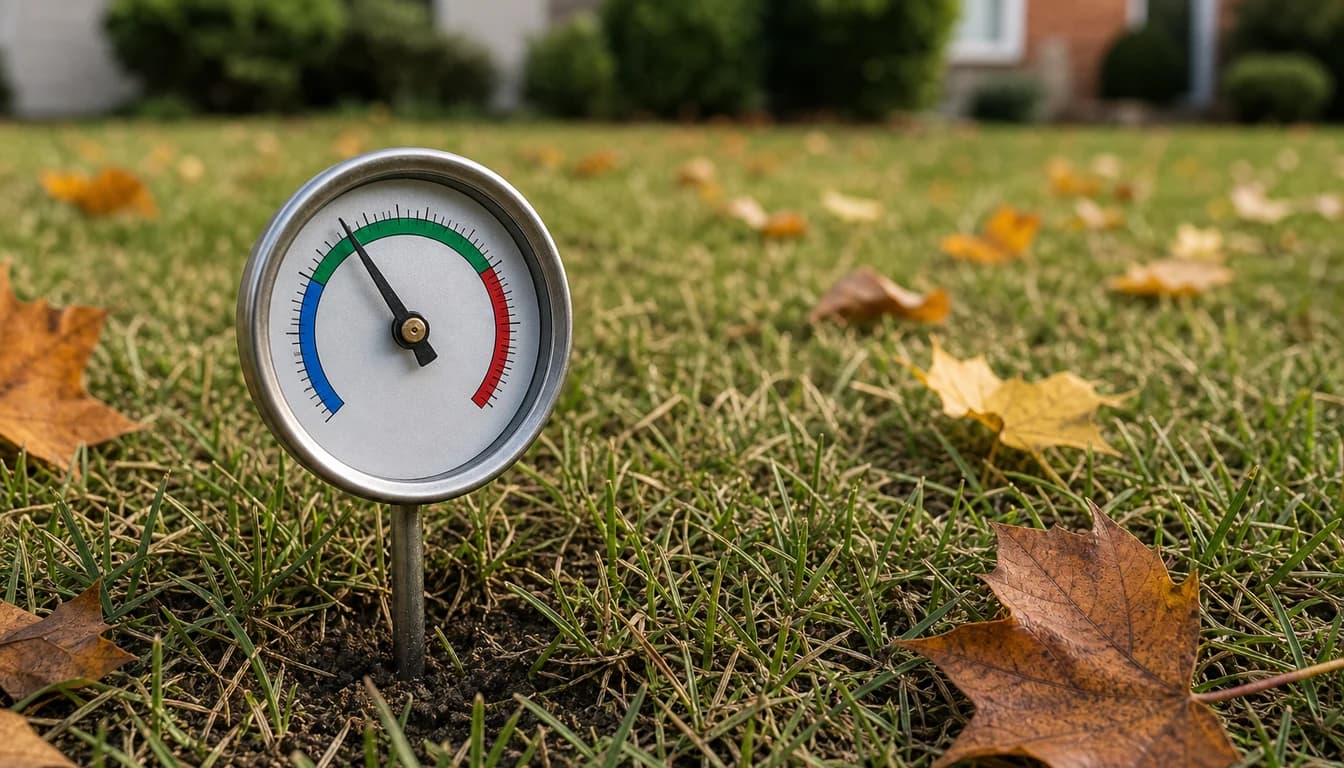
Soil temperature tells you more than the calendar for aeration timing.
- fiber_manual_recordNorthern Ohio: Primary window mid Sept–early Oct, backup late April–early May
- fiber_manual_recordCentral Ohio: Primary early–late Sept, backup mid April–mid May
- fiber_manual_recordSouthern Ohio: Primary early Sept–mid Oct, backup early April–early May
Guide — See AlsoHow to Level a Sloping Yard for Safer, Flatter SpaceStep‑by‑step guide for homeowners on how to level a sloping yard without ruining drainage, hurting trees, or wasting mon
chevron_rightthermostatUse Soil Temperature, Not Just the Calendar
Air can feel cool while soil is still warm from summer, and grass responds to soil, not your jacket. A cheap soil thermometer takes the guesswork out of timing aeration.
Push the probe 3–4 inches deep, about the depth of your aeration cores. Check in shaded and sunny spots, then average the readings so you do not chase one odd microclimate.
For cool season mixes, the sweet spot is when soil lives between 50–65°F for at least a week. Grass roots are pushing strong, weeds slow down, and cores heal quickly.
Below 45°F, recovery crawls and you risk leaving open holes going into winter. Above 70°F, cool season grass in Ohio is often under stress, especially without proper deep watering habits.
Soil stays cooler near shade trees and north sides of houses, and warmer near south-facing concrete. Follow the average, not the warmest or coolest single reading.
Never aerate when soil is soggy enough to leave deep footprints. You will smear hole sides and compact instead of loosen.
Use both temperature and moisture before renting the machine.
- fiber_manual_recordTarget range: 50–65°F at 3–4 inch depth
- fiber_manual_recordTools: Basic analog soil thermometer or digital probe
- fiber_manual_recordCheck frequency: Every few days once nights consistently drop into the 50s
Email Updates
Join the KnowTheYard update list
Zone-specific advice, seasonal reminders, and new plant guides — no filler.
ecoMatching Aeration Timing to Overseeding and Fertilizer
Core holes act like little seedbeds, so the best time to overseed a thin Ohio lawn is right after aeration. That is why fall aeration is so popular, it lines up with perfect cool season seeding weather.
In Ohio, you typically overseed cool season lawns from late August through mid October, depending on region. Aerate within that window, ideally just before or at the very start of your seeding plan.
Spread seed the same day you pull cores so it falls into the holes and contacts soil. Follow it with starter fertilizer if needed, similar to how you might feed a new blueberry hedge at planting to help roots establish.
Avoid heavy nitrogen fertilizing right before summer if you do spring aeration. Pushy top growth plus heat stress is a bad mix. Use a milder rate or wait until fall to apply your main nitrogen load.
Weed control also affects timing. Strong pre-emergent products applied just before aeration and seeding will block new grass seed as well as weeds.
Do not combine spring aeration, seeding, and strong crabgrass preventers. You will pay for seed that never sprouts.
Choose the sequence based on whether seed or weed control matters more.
- fiber_manual_recordFall combo: Aerate, overseed, then apply starter fertilizer and water
- fiber_manual_recordSpring backup: Light aeration only, gentle fertilizer, skip pre‑emergent where you seed
- fiber_manual_recordFertilizer guide: Follow local recommendations or see a broader fertilizing strategy to understand NPK basics
Guide — See AlsoGrow Strong St Augustine Grass in Shady YardsPractical steps to keep St Augustine grass thick and healthy in partial shade, including light limits, pruning, watering
chevron_rightwater_dropWhat To Do Right After Aerating
Fresh holes in your lawn open a short window where every good habit works better. Water, seed, and fertilizer all move into the root zone faster than usual.
Soil in much of Ohio runs on the heavy side, especially around new builds. Letting water soak through those cores helps break up compaction that might have choked roots before.
Water within 24 hours of core aeration if rain is not already in the forecast. Aim for a slow soaking, not runoff, so the top 1–2 inches stay moist.
If you are overseeding right after, spread seed before you water. Seed falls into the cores and gets much better seed‑to‑soil contact than it would on a hard surface.
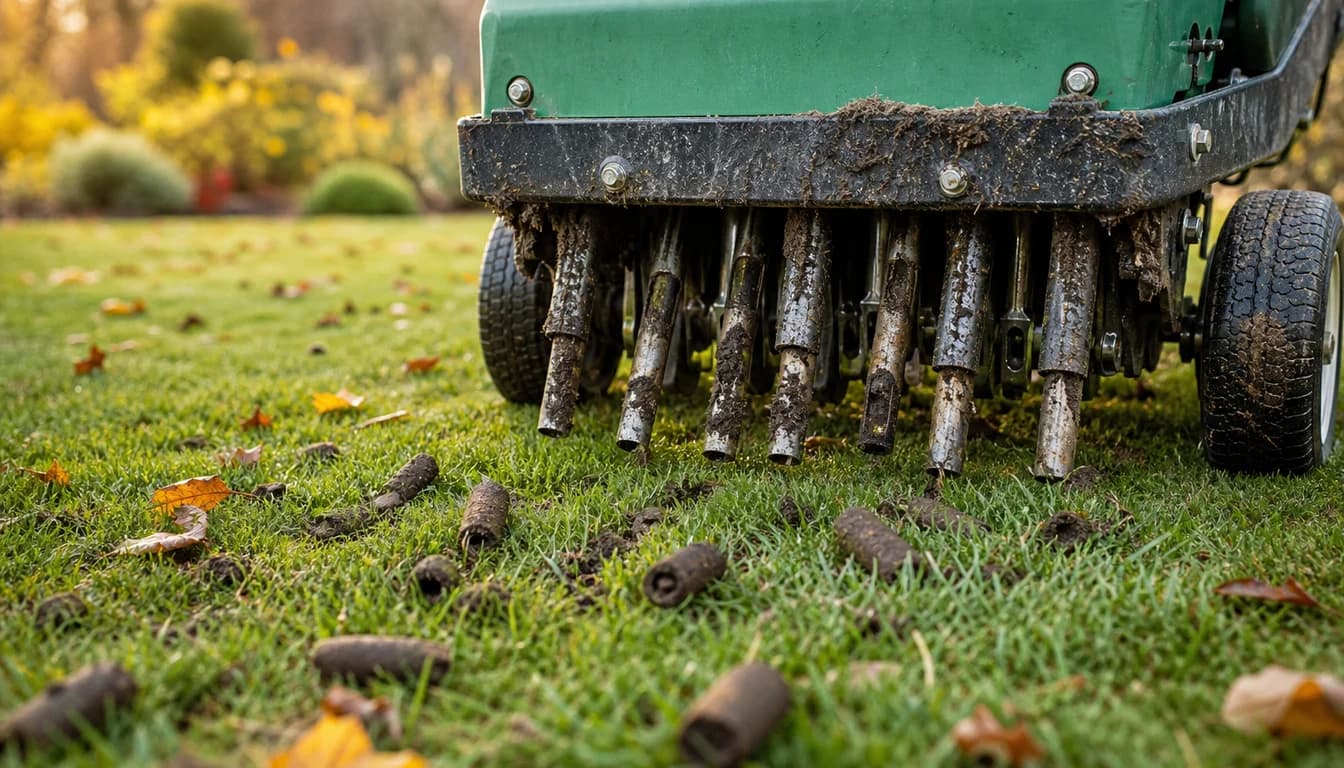
Leaving those little soil plugs on top is the right move. They crumble with mowing and rain, topdressing the lawn and feeding microbes that also help deeper watering habits pay off.
Hold off on heavy foot traffic for a week after aeration. The soil is softer and easier to rut, especially in low areas that already stayed wet.
Avoid dragging hoses or wheelbarrows across freshly aerated, soggy soil or you will compact the same spots all over again.
If you fertilize after aerating, pick a product that matches your grass type and season. In fall, cool‑season lawns respond well to a balanced or slightly higher nitrogen blend applied at label rates.
Mow only when the grass needs it, not right away. Once you do mow, expect to chew up a few plugs, which is normal and even helps them break down.
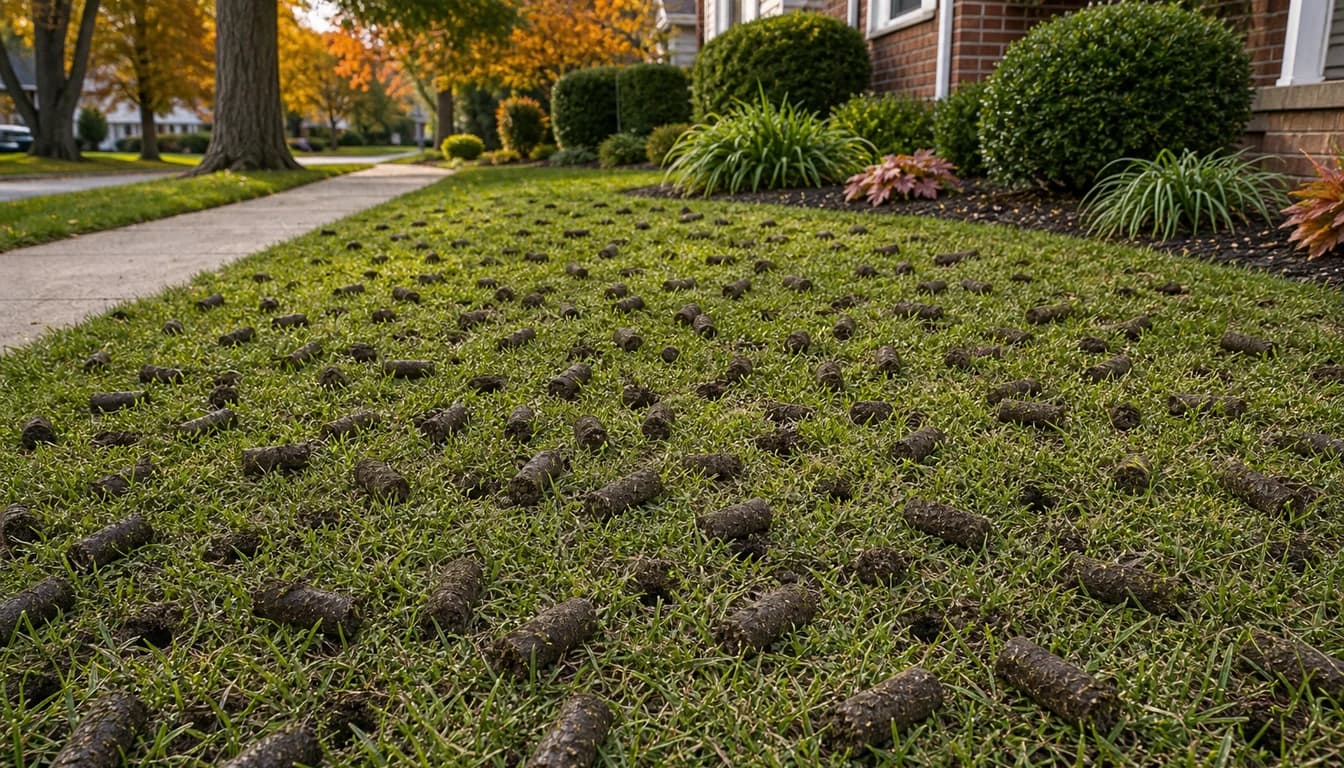
Leave soil plugs on the lawn so rain and mowing can break them down.
warningCommon Aeration Mistakes In Ohio Yards
Most aeration problems come from ignoring timing and soil conditions. In Ohio, spring and fall weather swings can turn a good plan into torn turf if you push ahead on the wrong day.
Aerating when soil is too dry barely scratches the surface. The tines bounce instead of pulling real cores, so you get holes that look nice but do little for compaction.
On the flip side, punching cores in saturated soil smears the sides of each hole. That creates glazed walls that roots struggle to grow through, especially in clay‑heavy neighborhoods.
More lawns are stressed by aerating in the wrong season than by skipping aeration for a year.
Another mistake is using spike shoes or a spike drum instead of a core aerator. Spikes push soil sideways instead of removing it, which squeezes roots tighter.
Fast passes are also wasteful. If you walk too quickly, cores end up 6+ inches apart. Heavier clay areas in Ohio usually need holes every 2–3 inches in at least one direction.
If you see only shallow dimples and almost no plugs on the surface, your aeration did not reach the thatch and compaction layer.
Some folks aerate right after a weed‑and‑feed or crabgrass barrier. Those products depend on a smooth soil surface. Once you poke holes, you break the barrier and open new spots for weeds.
Skipping cleanup of flags, dog toys, and irrigation heads is expensive. Hitting a hidden sprinkler or low electrical box with a rental aerator can turn a Saturday project into a repair call.
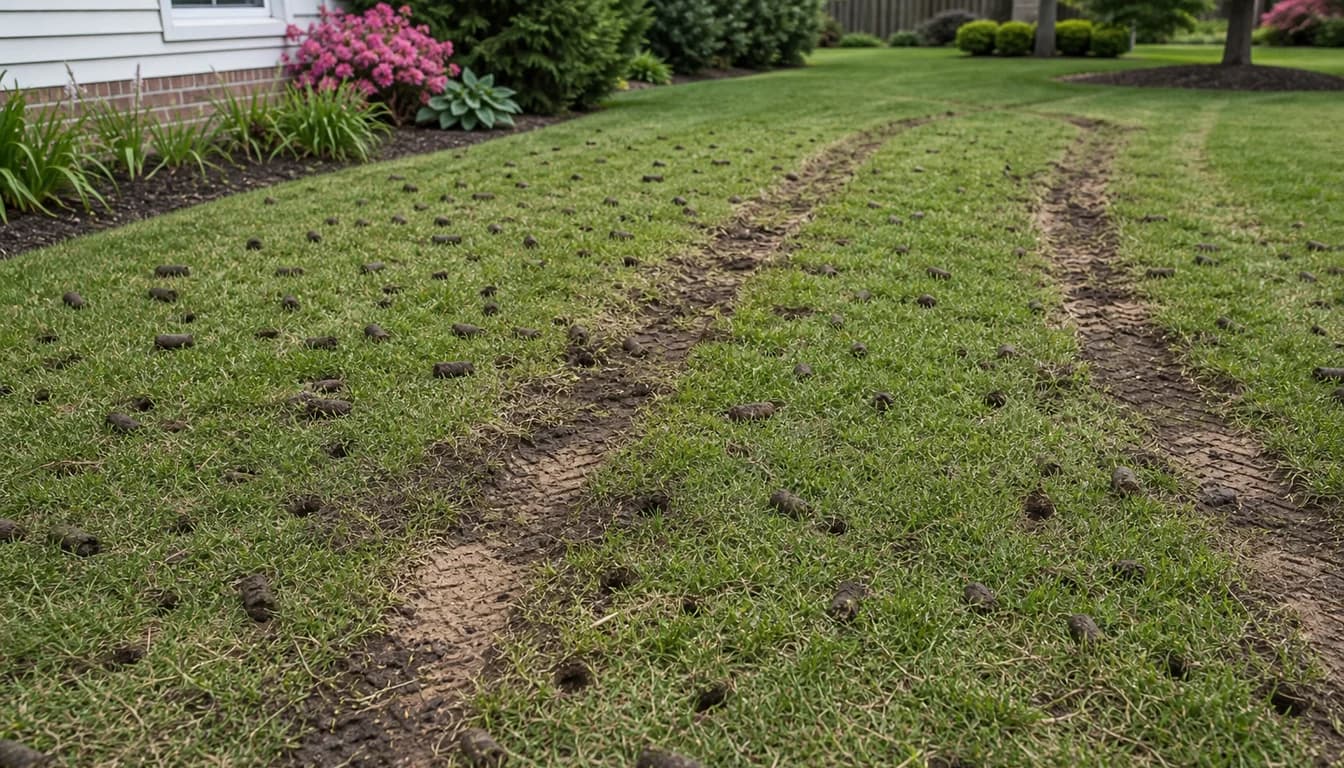
Poor timing or shallow passes can stress turf instead of helping it.
Guide — See AlsoHow to Overseed a Lawn That Actually Fills InStep-by-step overseeding guide so new grass takes: timing by grass type, prep, seeding rates, and watering schedule for
chevron_rightgrassChoosing Tools And Settings For Ohio Soils
Tool choice matters more in Ohio than in many areas because soil texture changes fast from county to county. A small suburban lot on fill dirt needs different gear than a larger rural yard with loam.
Most homeowners do best with a walk-behind core aerator from a rental shop. Look for hollow tines at least 2-3 inches long so they can reach past the thatch into compacted soil.
Self-propelled units are worth the extra cost if you have slopes or a larger yard. Hills along driveways or around mature oak trees can be tough to cover with a push-only machine.
Plan your pattern before you start. Overlap passes slightly and change direction once so cores end up in a loose grid instead of straight rows.
If you have clay that cracks in summer, bump the depth setting as far as the machine allows while still keeping stable traction. Deeper cores relieve more compaction and give roots a path to chase water.
In softer, loamy soils, you can get away with one slow pass in two directions every other year. Heavier, trampled areas near patios and play sets often need annual work.
Avoid using tow-behind spike aerators on small city lots. They rarely pull real cores and can compact wet clay even more.
Homeowners with irrigation should mark every head with tall flags first. Cores near sprinkler lines help water sink instead of running across the surface, boosting the value of any smart controller or weather-based schedule.
If you also maintain garden beds with perennials like hosta clumps, reserve a hand aerator for tight corners. Keep it away from daylily borders and other edge plantings the machine cannot clear cleanly.
ecoCoordinating Aeration With Weed Control
Weed timing and aeration timing bump into each other in Ohio. Crabgrass preventers work best early, while core aeration and seeding often fall just after or just before that window.
Pre-emergent herbicides form a thin barrier in the top layer of soil. Aeration pokes thousands of holes through that layer, creating channels where weed seeds can germinate.
If your priority is thickening turf with seed, plan aeration and seeding first. Then wait until new grass is well established before you use most weed controls.
Homeowners focused on controlling crabgrass may apply pre-emergent first in early spring. In that case, push core aeration to fall, when cool-season grasses in Ohio respond best anyway.
Broadleaf weed sprays also interact with stressful work like aeration; spraying right before you punch holes can be rough on turf that is already under heat or drought pressure.
As a rule, separate broadleaf spraying and core aeration by at least 2 weeks in either direction.
If your yard is dominated by cool-season grasses like turf-type fescue stands, lean toward fall aeration. Kentucky bluegrass patches respond well in that same window, and it also lines up with many fall spot-treatments for dandelions.
You can use the same calendar where you track weed treatments to plan soil work. Pair that with a broader year-round lawn calendar so big tasks do not stack up on the same weekend.
Guide — See AlsoWhen to Plant Tomatoes Outside for Big HarvestsLearn how to time outdoor tomato planting by frost dates, soil temperature, and USDA zone so your plants grow fast inste
chevron_rightthermostatAdapting Aeration To Ohio Microclimates
Not every yard in Ohio warms the same way. A lawn in downtown Columbus behaves very differently from a shady yard along Lake Erie or a windy hilltop in Athens County.
South-facing slopes and open lots near pavement heat up early. Lawns there might be ready for light spring aeration while shaded, low yards still sit cold and soggy.
Lake-effect areas near Cleveland and Toledo often stay cooler in spring. Soil temps lag air temps, so aeration that works in early April elsewhere might be better in late April here.
In river bottoms or heavy clay pockets, water sits longer after storms. Those lawns benefit from waiting a few extra dry days before you run equipment.
Walk the yard and check with a screwdriver in several spots. If it pushes in easily 3-4 inches, conditions are about right.
Yards packed with big trees like maple canopies or dense oak shade collect roots near the surface. Dial back your depth around major roots so you do not shear them off.
If you maintain both a lawn and nearby shrub beds, protect drip lines with flags. That matters even more around boxwood hedges. Around hydrangea borders, exposed roots and mulch edges are easy to chew up.
Tying your aeration dates into a simple seasonal plan helps here. It pairs well with work like prepping vegetable beds and timing shrub pruning so every piece of the yard gets attention when conditions fit.
tips_and_updates
Pro Tips
- check_circleAim for early fall aeration in Ohio, then treat spring aeration only as a recovery option if you skipped fall.
- check_circleCheck soil temperature at 3–4 inches and wait until it sits near 50–65°F for the best recovery.
- check_circleSkip aeration when soil is saturated enough to squash under your feet or smear on a shovel blade.
- check_circleSchedule overseeding for the same day as aeration so seed drops into open cores for better contact.
- check_circleHold off on strong pre‑emergent herbicides anywhere you plan to seed after aerating.
- check_circlePlan mowing around aeration so the grass is slightly shorter, which helps plugs break down faster.
- check_circleRent a core aerator with hollow tines, not a spiking tool, to relieve compaction in Ohio’s common clay soils.
quiz
Frequently Asked Questions
How often should I aerate my lawn in Ohio?expand_more
Most Ohio lawns with cool‑season grass do well with core aeration every 1–2 years. Heavy clay, new construction, or yards with kids and dogs often benefit from yearly fall aeration to relieve ongoing compaction.
Is spring or fall better for aerating in Ohio?expand_more
Fall is usually safest for cool‑season lawns in Ohio, especially September to early October. Spring can work if soil is firm and cool, but avoid late spring aeration when heat and summer weeds start climbing.
Can I aerate and use crabgrass preventer at the same time?expand_more
It is not ideal. Core aeration breaks the pre‑emergent barrier and lets weed seeds germinate. Either aerate and seed later in the season, or apply pre‑emergent in a year when you skip spring aeration.
Do I need to pick up the cores after aerating?expand_more
No. Leave the plugs on top of the lawn. Rain, irrigation, and mowing break them apart within a few weeks, returning organic matter to the surface and helping reduce thatch and surface compaction.
Can I mow right after aerating my Ohio lawn?expand_more
You can, but it is better to wait until the grass actually needs a cut. Give the soil a few days to settle so the mower does not rut soft spots, especially in damp, compacted areas.
menu_book
Sources & References
Related Guides
Best Time to Aerate and Overseed for a Thicker Lawn
Learn when to aerate and overseed your lawn by season and grass type so every pass of the machine leads to thicker, greener turf instead of wasted seed.
11 min read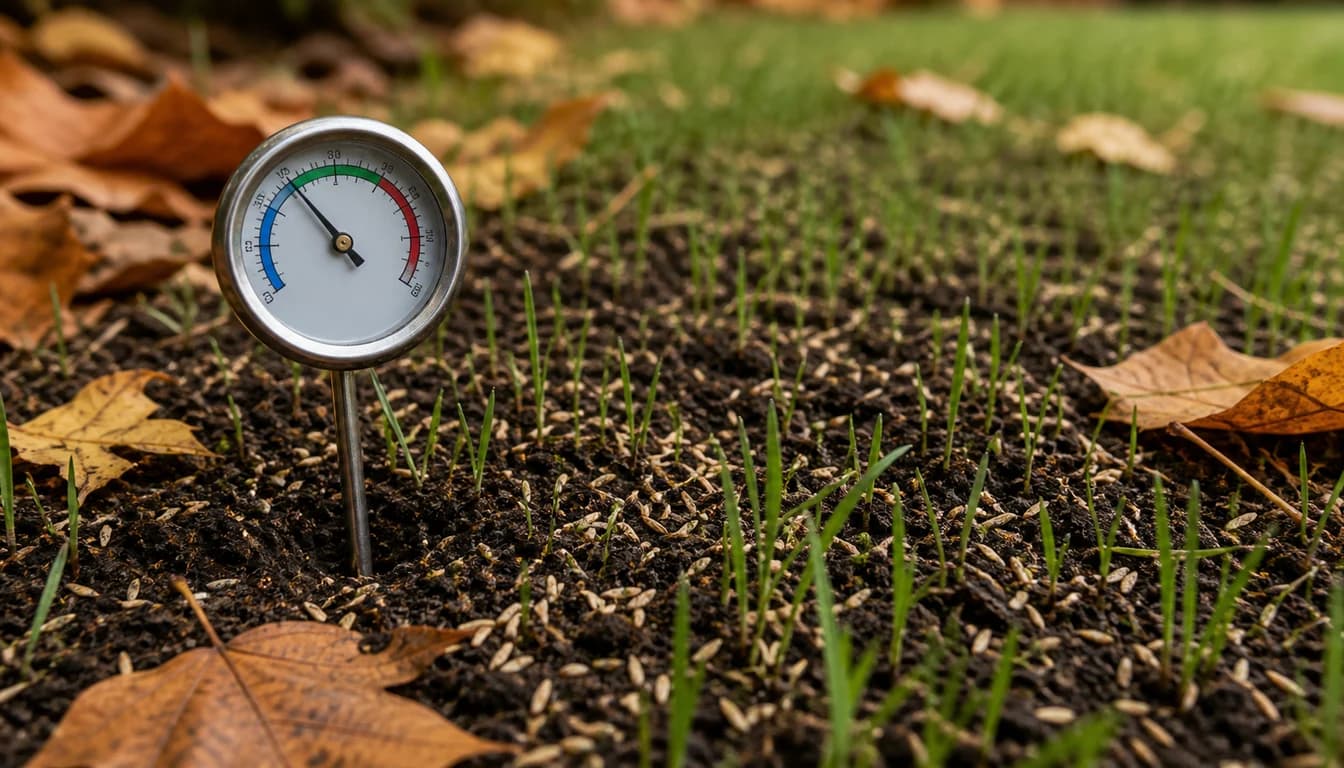
Best Time to Overseed a Midwest Lawn for Thick Turf
Learn the best time to overseed a Midwest lawn based on soil temperature, grass type, and hardiness zone so your new seed fills in thin spots.
11 min read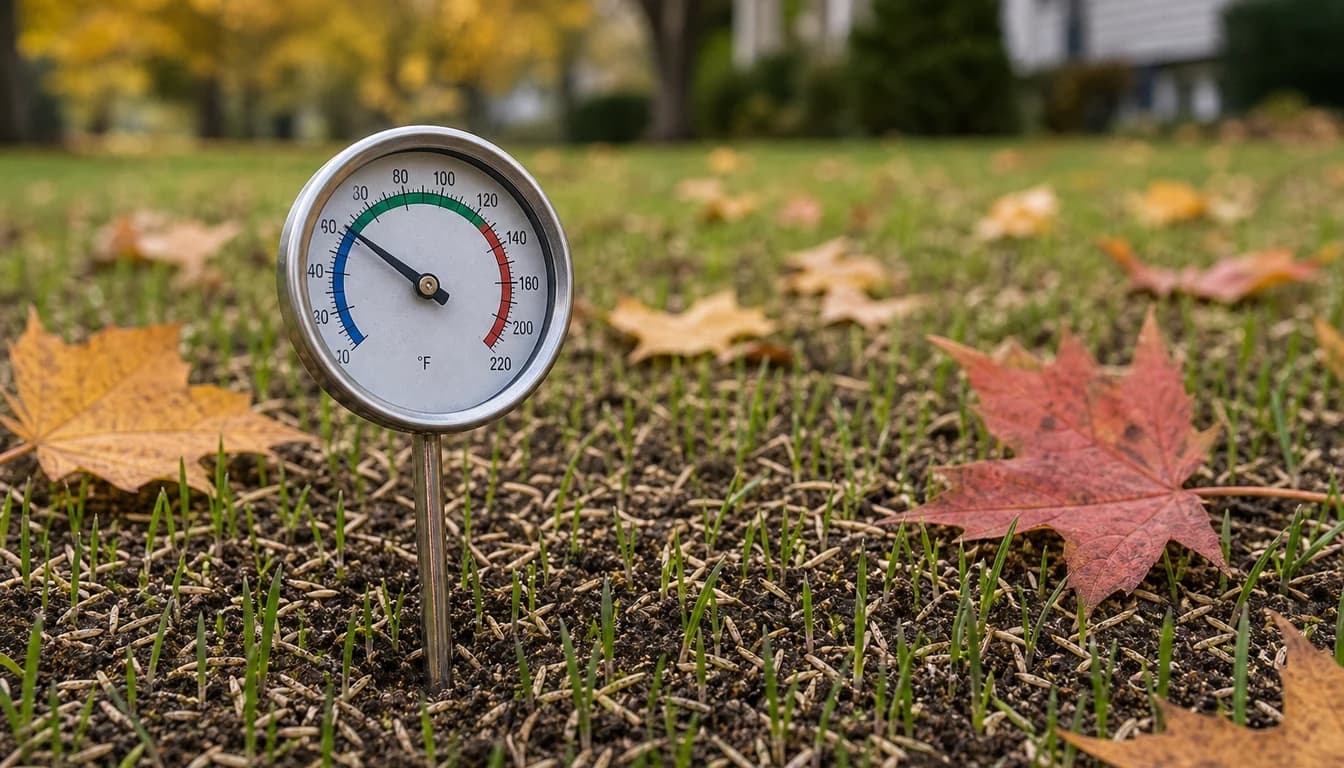
Best Time to Overseed a Northeast Lawn for Thick Turf
Learn exactly when to overseed cool-season lawns in the Northeast, how soil temperature and frost dates affect timing, and what to do before and after seeding for a thicker, greener yard.
11 min read