verifiedSource Reviewed
Tropical Hibiscus: Big Patio Blooms Without the Guesswork
Hibiscus rosa-sinensis
Family: Malvaceae
wb_sunnyLight
Full sun to very bright light
water_dropWater
Even moisture during active growth
heightHeight
3-8 feet outdoors, often 2-5 feet in pots
publicZone
In-ground in frost-free Zones 10-11; container elsewhere

Native Region
Tropical Asia and Pacific islands
biotechKnow Which Hibiscus You Bought
The growth habit explains the care: Hibiscus rosa-sinensis is the tropical hibiscus sold as a patio shrub, porch pot, or frost-free landscape plant. Its flowers are huge and dramatic, but most open for only one day, so the goal is steady bud production rather than saving each bloom.
This is not the same plant as hardy perennial hibiscus or rose of Sharon. Tropical hibiscus keeps woody stems and glossy evergreen leaves in warm weather, then sulks or drops leaves when cold, darkness, or indoor air slows it down.
In frost-free climates it can become a real shrub. In colder regions, it is closer to a long-lived patio plant that moves outside after frost and back indoors before cold nights, much like other tropical houseplants that summer outdoors.
infoThe Main Care Tradeoff
More sun usually means more flowers, but more sun also means faster water use. Most hibiscus problems come from breaking that balance.
paletteChoosing a Hibiscus for Pots or Beds
Choose tropical hibiscus by mature size first, color second. A compact patio plant is easier to overwinter, easier to water evenly, and less likely to become a doorway-blocking shrub by late summer.
Single flowers usually handle rain and wind better than heavy doubles. Doubles look lush near seating areas, but they can hold water, bruise faster, and need more grooming after summer storms.
For mixed containers, pair hibiscus with heat-tolerant companions that do not steal all the moisture. Lantana can take the hot rim of a pot better than many thirsty annuals, while the hibiscus stays in the center with deeper roots.
Hardy hibiscus, tropical hibiscus, and rose of Sharon are not interchangeable. The care mistake usually starts at the label: hardy types die back and return from the crown, tropical types need frost-free winter protection, and woody rose of Sharon behaves like a shrub.
Compact patio typesOften 2-4 feet in pots; best for decks, entries, and indoor overwintering
Standard shrub typesCan reach 4-8 feet outdoors; better for frost-free beds or large containers
Single flowersCleaner in rain and wind, often easier for pollinators to access
Double flowersShowier but heavier; best where storms and overhead watering are limited
Guide — See AlsoAir Purifying Plants for Cleaner Indoor AirLearn how to pick, place, and care for air purifying plants so they help your indoor air instead of just looking pretty.
chevron_rightwb_sunnyLight for Daily Bud Production
Start with the site: Tropical hibiscus needs 6 or more hours of strong light for heavy blooming. Outdoors that usually means full sun in mild climates and morning sun with light afternoon protection where patios bake.
The plant can survive in bright shade, but it will usually make leaves instead of buds. If your hibiscus is green, healthy, and not flowering, light is the first thing to check before changing fertilizer.
Indoor winter light is weaker than it looks. Put the plant at your brightest window, rotate the pot every week or two, and accept that winter bloom may slow unless you add a grow light.
Hibiscus can survive in partial sun, but flower count drops fast. If the plant grows leaves but few buds, check whether nearby shrubs or rooflines steal the strongest afternoon light.
If bloom color fades by noon, compare morning and afternoon exposure rather than moving straight into shade. The tradeoff is similar to morning sun vs afternoon sun: cooler early light protects petals, while too little total light reduces buds.
- check_circleBest outdoor bloom: full sun with enough water to match the heat.
- check_circleHot patios: morning sun plus light afternoon shade can reduce bud drop.
- check_circleIndoors: use the brightest south or west window you have.
- check_circleLow-light symptom: long internodes, dark leaves, and few new buds.
Email Updates
Join the KnowTheYard update list
Zone-specific advice, seasonal reminders, and new plant guides — no filler.
water_dropWatering Without Causing Bud Drop
A blooming hibiscus is thirsty, especially in a black nursery pot or on a hot deck. Water when the top inch of mix starts to dry, then soak until water drains from the bottom.
Uneven moisture is a classic bud-drop trigger. Let the pot wilt hard, then flood it repeatedly, and the plant may shed yellow leaves and unopened buds even after you correct the schedule.
lightbulbWatering cue
In the ground, think slow and deep rather than quick sprinkles. The same deep watering rhythm that helps young shrubs also helps hibiscus build a wider root system.
After the root zone is soaked, the next check is the container itself; pot material, wind, and canopy size change the rhythm quickly.
lightbulbContainer Check
Lift the pot after watering and again when the top inch dries. The weight difference teaches you faster than a calendar ever will.
Use the weight test as a calibration tool, then let weather and growth rate decide how fast the next watering comes.
lightbulbWatering cue
After that first check, adjust by weather and pot size. A plant in a windy terracotta pot dries faster than one in a shaded plastic tub.
Big hibiscus flowers cost a lot of water. When buds yellow and drop during hot weather, the issue is often uneven moisture rather than lack of fertilizer; one dry afternoon can interrupt a bud that took days to build.
- check_circleSummer containers may need daily water during heat waves.
- check_circleNever leave the pot standing in saucer water.
- check_circleReduce watering indoors when light and growth slow.
- check_circleUse mulch in garden beds, but keep it pulled back from woody stems.
Guide — See AlsoBest Herbs to Grow Indoors for Real Harvests, Not Spindly PotsChoose indoor herbs that can actually produce in your light, temperature, and container setup, then match each one to th
chevron_right
potted_plantSoil, Pots, and Feeding
The right potting mix holds moisture but still breathes. Use a quality outdoor container mix, then add perlite or fine bark if it feels dense; tropical hibiscus hates a heavy wet root ball.
Move up only one pot size at a time. A tiny root ball in a huge pot sits in wet unused mix, which creates the same root-stress pattern you see when overpotted Monstera or other tropicals stall.
infoPlanting check
Feed during active growth because flowers cost energy. A balanced or hibiscus-labeled fertilizer used lightly and regularly is safer than one big dose; too much nitrogen can push leaves at the expense of buds.
Hardy hibiscus likes moisture but not stagnant soil. Think of a rich, evenly damp garden bed, not a boggy hole; roots still need oxygen even though the plant tolerates more water than lavender or salvia.
Container mixMoisture-retentive potting mix with added perlite, bark, or coarse material
Pot sizeOnly 1-2 inches wider than the current root ball when repotting
Feeding seasonSpring through summer while growth and bloom are active
Drainage warningNo standing saucer water; yellow leaves plus wet mix means roots are stressed
account_treePruning and Propagating Tropical Hibiscus
Prune tropical hibiscus to shape the plant, remove winter damage, and encourage branching. The safest time is spring, when stronger light and warmth can push new growth quickly.
Do not shear it like a hedge if you want a natural patio shrub. Cut back long stems to just above a leaf node, thin crossing branches, and keep the center open enough for air and light.
lightbulbTiming check
Softwood and semi-hardwood cuttings root best when the plant is actively growing. Take 4-6 inch pieces from healthy non-flowering tips, remove lower leaves, and root them in a warm, airy mix.
Propagation works best when the cutting is treated like a small plant under stress; reduce bloom demand before asking it to root.
- 1Cut just below a node on a healthy green stem.
- 2Remove buds and lower leaves so the cutting is not trying to bloom.
- 3Dip in rooting hormone if you have it.
- 4Keep warm, bright, and humid until new resistance shows roots are forming.
Guide — See AlsoBest Indoor Plants for Every Room and Light LevelA practical guide to choosing the best indoor plants for your home, covering beginner-friendly picks, low light champion
chevron_rightpest_controlPests and Bloom Problems
Look for the pressure point: Hibiscus pests usually start on tender growth and the undersides of leaves. Check before you move plants indoors, because one unnoticed colony can spread to nearby houseplants during winter.
Aphids, whiteflies, spider mites, mealybugs, and scale all feed on sap. Spider mites love hot dry stress, so the same prevention habits used for spider mites on houseplants apply here too.
Bud drop is not always insects. Sudden drought, soggy roots, a hard move from shade to sun, cool nights, or a burst of heat can all make unopened buds yellow and fall.
Read the pattern before changing everything. Buds dropping after a location move point to shock; buds dropping while leaves are sticky or stippled point to pests; buds dropping while the pot stays wet points back to roots.
Aphids and whiteflies often gather on hibiscus buds before flowers open. Treating early is easier than spraying open blooms, where you risk hitting pollinators and still miss insects tucked under new growth.
pest_controlAphids and whiteflies
Cluster on new shoots and buds; rinse off early and repeat insecticidal soap if needed.
pest_controlSpider mites
Cause stippled leaves and fine webbing, especially during hot dry weather or indoor winter.
pest_controlScale and mealybugs
Hide on stems and leaf joints; isolate the plant and clean small outbreaks by hand.
pest_controlBud drop
Check moisture swings, temperature changes, low light, and pests before blaming the cultivar.
calendar_monthSeasonal Care and Overwintering
In frost-free gardens, tropical hibiscus behaves like a repeat-flowering shrub. In most of the country, the seasonal rhythm is container culture: outside for heat and sun, inside for frost protection.
Move plants outdoors gradually after frost danger passes. A plant that spent winter by a window can burn if it goes straight into all-day sun, so harden it off the way you would tender seedlings.
infoSeasonal cue
Bring containers indoors before nights sit near 45 degrees F. You can prune lightly first, rinse the foliage, inspect for pests, and place the pot in the brightest cool room available.
Winter strategy depends on which hibiscus you actually own. Hardy perennial hibiscus can be cut back after frost and mulched over the crown, while tropical hibiscus should come indoors before nights fall near 50?F and then be treated as a bright-window houseplant.
local_floristSpring
Repot if needed, prune lightly, resume feeding, and move outdoors gradually.
wb_sunnySummer
Water consistently, feed lightly, deadhead dropped blooms, and scout pests weekly.
ecoFall
Clean the plant, check leaf undersides, and move indoors before cold nights.
ac_unitWinter
Expect slower growth, fewer flowers, and less water use in bright indoor light.
Guide — See AlsoHummingbird Plants for Nonstop Backyard VisitsPractical steps to plan, plant, and maintain a yard full of hummingbird friendly flowers from spring through fall, in zo
chevron_righthealth_and_safetySafety, Pollinators, and Garden Use
The safety note is straightforward: Tropical hibiscus is usually grown as an ornamental, so do not treat nursery plants as edible unless you bought a food-grade plant for that purpose. Pesticide history matters more than the flower's pretty color.
Many gardeners consider Hibiscus rosa-sinensis low-risk around pets, but species names and labels get confused in retail. Keep curious pets from chewing leaves or flowers, and call a vet if vomiting or diarrhea follows plant chewing.
In warm gardens, open single flowers can draw bees and hummingbirds. For a stronger wildlife bed, mix hibiscus with long-blooming companions from pollinator planting rather than relying on one tropical shrub.
infoUse It Where You See It
Hibiscus earns its space near patios, entries, and seating areas where you can see the daily bloom cycle and notice watering stress before buds drop.
eco
Keep Exploring
Related Plants
 Flowers
Sunflower
Sunflower is a fast annual that turns warm soil and full sun into tall stems, bright flower heads, seed for birds, and easy summer structure. The main decisions
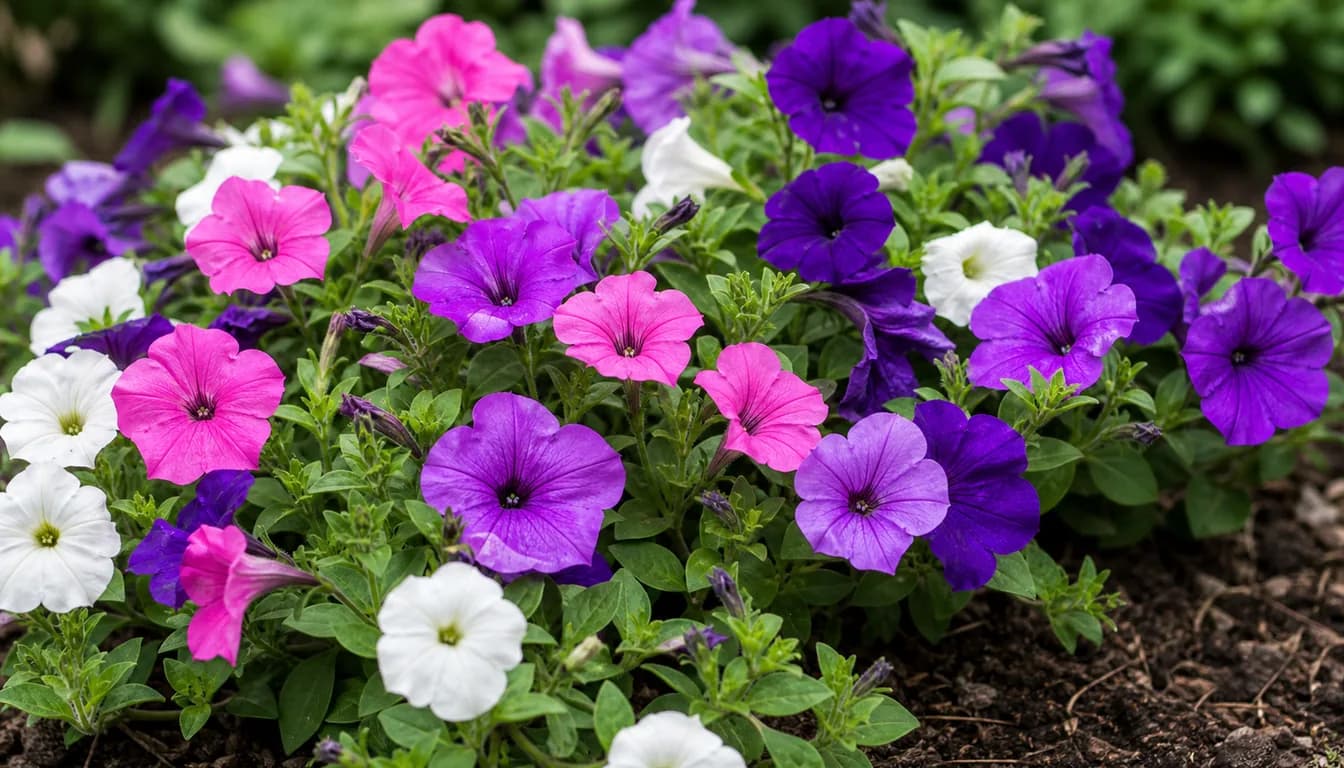 Flowers
Petunia
Petunias are warm-season annuals grown for months of trumpet-shaped flowers in containers, hanging baskets, window boxes, and sunny beds. They bloom heavily whe
 Flowers
Chrysanthemum
Garden mums are the compact chrysanthemums most people buy for fall color. They bloom best in full sun, steady moisture, and soil that drains well; if you want
quiz
Frequently Asked Questions
Is tropical hibiscus a perennial?expand_more
Tropical hibiscus is perennial only where winters stay frost-free. In colder climates, grow it in a container and overwinter it indoors, or treat it as a seasonal patio plant.
How much sun does tropical hibiscus need?expand_more
Give hibiscus at least 6 hours of strong light for good blooming. In very hot patio conditions, morning sun with light afternoon shade can reduce wilting and bud drop.
Why are my hibiscus buds falling off?expand_more
Bud drop usually comes from uneven watering, sudden temperature shifts, low light, root stress, or pests such as spider mites and whiteflies. Check moisture and leaf undersides before changing fertilizer.
Can hibiscus grow indoors all year?expand_more
Hibiscus can live indoors, but it usually blooms less unless it gets very bright light or a grow light. Indoor winter care is mostly about keeping it alive, pest-free, and lightly watered until spring.
When should I bring hibiscus inside for winter?expand_more
Bring tropical hibiscus indoors before nights settle near 45 degrees F. Rinse the foliage, inspect for pests, prune lightly if needed, and place it at the brightest window you have.
Should I fertilize hibiscus every week?expand_more
Do not force-feed it. Feed lightly and regularly during active spring and summer growth, following the product label. Stop or reduce feeding when the plant is indoors, cool, or barely growing.
menu_book
Sources & References
- 1.University of Florida IFAS Extension - Tropical Hibiscus in Florida Gardensopen_in_new
- 2.University of Florida IFAS Extension - Hibiscus rosa-sinensis: Chinese Hibiscusopen_in_new
- 3.Missouri Botanical Garden Plant Finder - Hibiscus rosa-sinensisopen_in_new
- 4.Clemson Cooperative Extension - Hibiscusopen_in_new
- 5.Royal Horticultural Society - Hibiscus Growing Guideopen_in_new