
Plantingschedule11 min read
Direct Sow vs Transplant: Choose the Right Method
Learn when to direct sow seeds and when to start transplants so you do not waste time, seed, or bed space.
That seed packet rarely explains whether you should start indoors or toss seeds straight in the bed. The right choice affects harvest time, plant health, and how much work you take on.
This guide breaks down direct sow vs transplant in plain language, using common crops like garden tomatoes as examples. Cool season spinach greens show the other side of the decision. You will learn which method fits your climate, soil, and schedule, so you stop guessing and start planning beds that fill in on time.
yardWhat Direct Sowing and Transplanting Really Mean
Direct sowing means planting seeds right into the garden soil where the plant will live all season. You skip pots and trays, and the roots never move.
Transplanting starts seeds in a protected spot, usually indoors under lights or in a cold frame, then moves those seedlings into the garden later. The plant experiences at least one root disturbance.
Direct sowing shines for crops that hate root disturbance or grow very fast, like quick radishes and bush beans. These seeds are cheap, sprout in cool ground, and bounce through their full life cycle in weeks.
Transplants give you a head start for warm season crops that sulk in cold soil. Think fruiting plants such as sweet peppers, tender eggplant, and indeterminate tomatoes. In short seasons, transplants can be the difference between harvest and frost-killed vines.
The core tradeoff is time versus root stress; you either gain calendar days or avoid any transplant shock.
Tiny seeds that take many weeks to reach transplant size, like some herbs and flowers, are often easier as transplants even if they technically can be direct sown.
Use the quick split below when sorting seed packets before planting day.
- fiber_manual_recordDirect sow: Seeds into final bed, no moving later
- fiber_manual_recordTransplant: Start in trays or pots, then plant out
- fiber_manual_recordBest direct sown: Taproot crops, big-seeded vines, quick greens
- fiber_manual_recordBest transplanted: Long season fruits, slow-starting herbs, pricey seeds
ecoCrops That Prefer Direct Sowing
Crops with long taproots or fragile root systems almost always perform better from seed in place. They resent any disturbance once that main root starts diving.
Root vegetables are the classic example. Direct sow carrot, beet, radish, and parsnip seeds where you want the mature roots. Even careful transplanting tends to twist or fork roots and wastes bed space.
Large seeded vines like cucumber vines, big pumpkins, zucchini squash, cantaloupe melons, and watermelon hills also excel from direct sowing once soil warms. Their seeds contain plenty of energy to power through early growth.
Cool season greens often do well direct sown too. Crops like spring spinach and baby kale handle chilly soil and give thick stands. Shelling peas do the same when planted thickly in cool soil.
If the seed is cheap and the plant grows fast, start by trying it as a direct sow crop before investing in trays.
These crops are forgiving because speed and root shape are on your side.
- fiber_manual_recordDirect sow heroes: Carrots, beets, radishes, peas, beans
- fiber_manual_recordTaproot types: Hate transplanting, often fork or stunt
- fiber_manual_recordBig seeds: Cucurbits, corn, and beans leap out of warming soil
- fiber_manual_recordDense plantings: Salad mixes and baby greens fill beds fastest from seed
Guide — See AlsoAir Purifying Plants for Cleaner Indoor AirLearn how to pick, place, and care for air purifying plants so they help your indoor air instead of just looking pretty.
chevron_rightlocal_floristCrops That Do Better as Transplants
Warm loving, long season crops struggle when you wait for soil to heat before sowing. By then, short season gardens are already on the clock.
Plants that must flower and fruit before frost, such as large tomato varieties, bell peppers, eggplant plants, and heading broccoli, are safer as transplants. You buy or raise sturdy seedlings and set them into fully warmed soil.
Slow sprouting herbs also favor transplanting. Tiny seeds of sweet basil, flat-leaf parsley, woody thyme, and perennial oregano benefit from controlled moisture and light indoors. Once they have several true leaves, you can harden them off.
Many flowers, especially perennials like coneflower clumps or salvia spikes, are easier to plug into beds as starts. You see the spacing and color mix right away instead of waiting weeks for germination.
For climates colder than zone 5, assume most warm season fruiting vegetables need a transplant head start to produce well.
Use transplants when the crop needs time, precision, or protection before outdoor soil is ready.
- fiber_manual_recordBest as transplants: Tomatoes, peppers, eggplant, brassicas
- fiber_manual_recordTiny herb seeds: More controllable in trays than beds
- fiber_manual_recordPerennial flowers: Easier to place as visible plants
- fiber_manual_recordShort seasons: Rely on transplants to beat frost
Email Updates
Join the KnowTheYard update list
Zone-specific advice, seasonal reminders, and new plant guides — no filler.
calendar_monthTiming: Frost Dates, Soil Temp, and Your Growing Season
Your local frost dates and soil temperature often decide direct sow vs transplant for you. A hot weather crop cannot grow in soil that feels like fridge shelves.
Long season gardeners in zone 8-10 can direct sow many things that colder areas must transplant. For example, cherry tomatoes sown outdoors after frost in warm zones still ripen heavily.
Short season areas, such as zone 4 gardens, need every warm day. There, you start heat-loving peppers and spring broccoli indoors, then transplant hardened seedlings as soon as nights stay reliably above 50F.
Soil thermometers cost little and remove guesswork. Sweet corn, corn plantings, and cucurbits like summer squash want soil above 60-65F for direct sowing. Peas, early pea rows, and spinach beds can handle soil closer to 40-45F.
Planting on the calendar alone is how many of us killed our first round of seedlings. Watch the soil, not the month name.
That one check matters because warm-season crops do not care what the calendar promises.
- fiber_manual_recordLast frost date: Use as the anchor for transplanting warm season crops
- fiber_manual_recordSoil temperature: Check 2 inches deep in the morning
- fiber_manual_recordCool season seeds: Peas, spinach, and radish tolerate cold soils
- fiber_manual_recordWarm season seeds: Corn, cucurbits, and beans need warm ground
Guide — See AlsoPlan and Plant a Productive Cut Flower GardenStep‑by‑step guide to planning, planting, and maintaining a backyard cut flower garden that keeps vases full from spring
chevron_rightyardSoil Prep and Bed Setup for Each Method
The soil surface you need for tiny seeds is very different from what a sturdy transplant wants. Direct-sown beds should have a fine, crumbly top inch so seeds can make contact with moist soil.
Transplant beds can handle a coarser texture on top, but roots still need loose soil underneath. Break up the top 6–8 inches so roots from your tomato starts can spread instead of circling a hardpan.
For direct sowing, rake out clods and stones that are larger than a pea. A smooth, level seedbed gives even depth, so a row of carrot seed does not end up half buried and half exposed.
Transplants like broccoli seedlings benefit from organic matter blended into the top few inches before planting. Add compost, then water the area well a day ahead so you are not dropping roots into dusty, dry soil.
- fiber_manual_recordDirect-sown beds: Fine surface, level rows, no mulch until seedlings appear
- fiber_manual_recordTransplant beds: Loosened 6–8 inches, worked-in compost, light mulch after planting
- fiber_manual_recordHeavy clay soils: Raised rows or beds help both methods drain and warm faster
- fiber_manual_recordVery sandy soils: Extra compost or aged manure improves moisture for shallow seeds
water_dropWatering and Aftercare: Seeds vs Seedlings
Surface moisture is everything for direct-sown seeds. They live in the top half inch of soil, which dries out faster than the deeper zone transplants use.
Transplants such as young pepper plants already have roots long enough to chase water. They need a deep soak that reaches 4–6 inches down, then a pause so soil can breathe.
Right after direct sowing, water with a soft spray until the top inch is evenly damp. In windy or hot weather, that may mean a light watering once or twice daily until you see the first green hooks.
Newly set transplants like cabbage starts need a slow, deep drink at planting, then another check in 24 hours. After that, watering every few days is usually enough, depending on your soil.
Heavy watering can float tiny seeds out of their rows. Use the gentlest setting on your nozzle or a watering can with a fine rose.
Treat seed rows and transplants as different watering jobs for the first two weeks.
- fiber_manual_recordFor direct-sown rows: Keep top 0.5–1 inch moist, avoid crusting, use shade cloth in heat waves
- fiber_manual_recordFor transplants: Water to 4–6 inches, then let the top inch dry before watering again
- fiber_manual_recordMulch timing: Add light mulch after seedlings have two true leaves, but mulch transplants right away
- fiber_manual_recordChecking moisture: Use your finger to feel depth rather than guessing from the surface
Guide — See AlsoPlan a Succession Planting Schedule That Actually WorksLearn how to build a practical succession planting schedule so your beds stay full and your harvests stay steady from sp
chevron_rightcontent_cutSpacing, Thinning, and Planting Density
Crowding is the hidden downside of direct sowing. We often scatter more seeds than needed, then skip thinning, which leaves roots fighting for food and water.
With transplants, spacing is baked in. You usually set each lettuce plug where it belongs, so you start with the final layout instead of a thick mat of seedlings.
Thinning hurts a little, but it gives you stronger plants. When your direct-sown beet seedlings reach 2–3 inches tall, clip extras at soil level so the survivors match the spacing on the seed packet.
For crops you transplant, measure before you dig. Giving eggplant starts 18–24 inches each looks generous in May, but by August their leaves will be touching and shading the soil nicely.
- fiber_manual_recordRoot crops (direct sown): Sow thick, then thin to packet spacing, do not try to separate tangled roots
- fiber_manual_recordLeafy greens: Either thin to final spacing or harvest baby leaves while opening gaps
- fiber_manual_recordVining crops on hills: You can direct sow 3–4 seeds per hill, then thin to the strongest two
- fiber_manual_recordTransplant spacing: Use a measuring stick or board with marks so whole rows match
warningCommon Mistakes and How To Fix Them
Most failed seedings or sad transplants trace back to just a handful of habits. Fix those, and both methods become far more reliable.
One big issue with direct sowing is planting too deep. As a rule, seeds should sit at two to three times their thickness. Tiny lettuce seed belongs almost on the surface, only dusted with soil.
Another mistake is skipping hardening off. Indoor-raised transplants like tomato seedlings need 7–10 days of gradual outdoor exposure, or sun and wind will scorch them. Use a simple routine from our hardening off steps so leaves stay firm instead of drooping.
Gardeners also underestimate pests at ground level. Freshly sprouted rows of bean seedlings are slug salad. Simple collars, boards for trapping slugs, or a dusting of iron phosphate bait save you from replanting.
Re-sow the same day you spot a failed row. Warm soil means new seeds often catch up quickly with the rest of the bed.
Check the failure pattern before changing the whole method.
- fiber_manual_recordPlanted too deep: Gently rake and re-sow at correct depth, then firm soil lightly
- fiber_manual_recordLeggy, shocked transplants: Bury stems a bit deeper where allowed, and use shade for a few days
- fiber_manual_recordSeedlings disappeared overnight: Check for slugs or birds, then add covers or collars
- fiber_manual_recordSoil crusting: Scratch surface lightly with a hand fork and water through a fine rose
Guide — See AlsoHow to Choose Houseplants That Actually Fit Your SpaceChoose houseplants by matching light, watering style, pet safety, and room size before you fall for leaf color or pot st
chevron_rightcalendar_monthPlanning a Mixed Bed of Seeds and Transplants
A single bed can hold both direct-sown crops and transplants without turning into chaos. The trick is grouping plants by height and harvest time.
Tall, long-season plants such as sweet corn stands or staked tomato vines anchor the north or back side of the bed. In front of them, you can direct sow quick growers like radishes that finish before shade becomes an issue.
Mixing methods lets you use every inch. Set sturdy broccoli transplants on a 15-18 inch grid, then sprinkle fast greens between them. You will harvest those greens by the time the broccoli heads swell.
We also like pairing transplants of slower herbs, such as flat-leaf parsley, with direct-sown flowers. A border of quick-sprouting companion marigolds can draw pollinators into the bed.
Treat direct sowing as your tool for speed and coverage, and use transplants wherever you need structure or a head start.
- fiber_manual_recordBack row: Tall transplants on stakes or cages
- fiber_manual_recordMiddle row: Medium crops, some from seed, some from starts
- fiber_manual_recordFront edge: Fast direct-sown rows you succession plant every few weeks
- fiber_manual_recordEmpty spots: Tuck in extra starts where seeds failed instead of leaving bare soil
tips_and_updates
Pro Tips
- check_circleGroup crops by method on your garden map so direct sown rows and transplant holes are easy to prep.
- check_circleLabel seed rows with the crop and sowing date, especially for slow germinators like parsley and carrot.
- check_circleAim for stout, stocky transplants with thick stems rather than tall, leggy seedlings that flop over outdoors.
- check_circleHarden off transplants for 7–10 days, gradually increasing sun and wind exposure before planting out.
- check_circleWater direct sown beds with a gentle shower or drip so seeds do not wash out of shallow furrows.
- check_circleIn windy sites, plant transplants a bit deeper to stabilize stems and protect tender growth.
- check_circleSuccession sow quick crops like radish and leaf lettuce every 1–2 weeks to keep harvests coming.
- check_circleKeep a simple log of what you direct sowed versus transplanted and how yields compared each season.
quiz
Frequently Asked Questions
Is it cheaper to direct sow or buy transplants?expand_more
Direct sowing is usually cheaper per plant, especially for greens and roots. Transplants cost more up front but make sense for long-season crops like tomatoes and peppers where one healthy plant produces a big harvest.
Can I both direct sow and transplant the same crop?expand_more
Yes. Many gardeners direct sow an early batch, then add transplanted seedlings a couple weeks later. This works well for lettuce, kale, and basil so you get an earlier harvest and a second wave of production.
How do I know if my soil is warm enough to direct sow?expand_more
Use a soil thermometer at 2 inches deep in the morning. Cool-season seeds sprout well around 40–50°F, while warm-season crops like beans and squash prefer 60–70°F soil for quick, even germination.
Why do my direct-sown rows come up patchy?expand_more
Uneven moisture, planting too deep, soil crusting, or pests often cause gaps. Keep the top half inch moist, watch for slug damage, and scratch any crusted surface lightly so sprouts can push through.
Do I fertilize direct-sown crops and transplants differently?expand_more
Go light on fertilizer at seeding time, since strong nutrients can burn tender roots. For transplants, mix compost into the bed first, then follow a moderate schedule like in our vegetable feeding guide once plants are established.
menu_book
Sources & References
- 1.Cornell Cooperative Extension, Growing Vegetables from Seedopen_in_new
- 2.University of Minnesota Extension, Starting Seeds Indoorsopen_in_new
- 3.Penn State Extension, Transplanting Vegetables and Herbsopen_in_new
- 4.University of Maine Cooperative Extension, Planting Depth and Spacing for Vegetablesopen_in_new
Related Guides

Air Purifying Plants for Cleaner Indoor Air
Learn how to pick, place, and care for air purifying plants so they help your indoor air instead of just looking pretty.
11 min read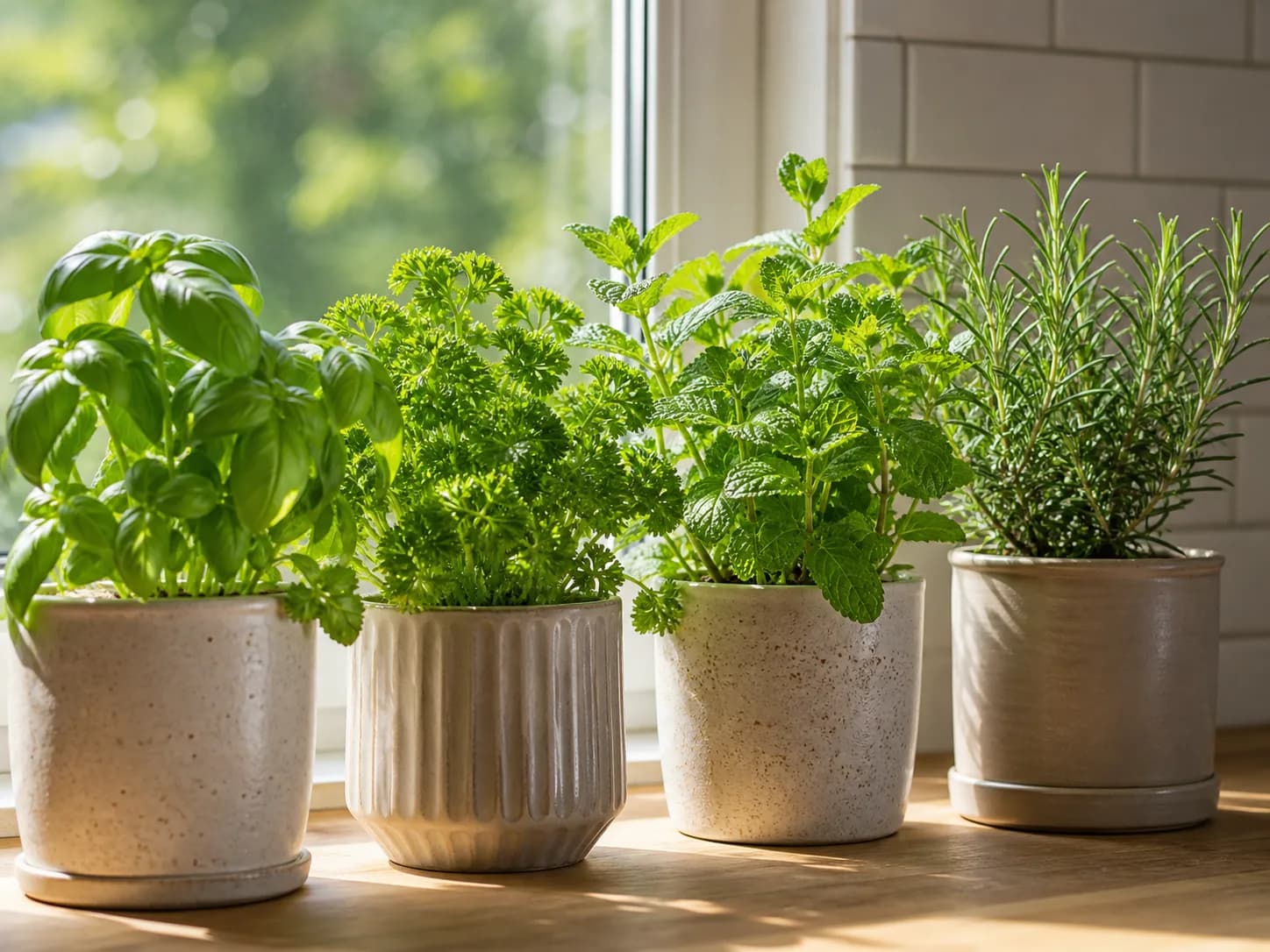
Best Herbs to Grow Indoors for Real Harvests, Not Spindly Pots
Choose indoor herbs that can actually produce in your light, temperature, and container setup, then match each one to the right harvest rhythm and watering style.
10 min read
Best Indoor Plants for Every Room and Light Level
A practical guide to choosing the best indoor plants for your home, covering beginner-friendly picks, low light champions, bright light lovers, watering basics, and how to avoid the most common mistakes.
13 min read