
Plantingschedule11 min read
When to Plant Tomatoes Outside for Big Harvests
Learn how to time outdoor tomato planting by frost dates, soil temperature, and USDA zone so your plants grow fast instead of stalling or freezing.
Planting tomatoes at the wrong time costs you weeks of growth or an entire crop. The trick is to ignore the calendar and read your frost dates and soil instead.
We will walk through soil temperature, night lows, and hardening off so you know exactly when to move tomato plants outside in zones 3–11 without gambling on the weather.
thermostatKnow Your Frost Dates and Zone
The calendar on the fridge is a rough guide, but frost dates are your real starting point. Tomatoes die at 32°F and suffer even a light frost in the mid 30s.
Look up your average last spring frost and first fall frost for your area, then note your USDA zone. Gardeners in zone 5 areas have a much shorter safe window. In zone 9 regions, the bigger risk is often heat arriving too early.
Count backward 6–8 weeks before your last frost for starting seeds indoors, or buying sturdy transplants. The outdoor planting date usually lands 1–2 weeks after that last frost, once nights consistently stay above 50°F.
If your nights are still dipping into the 40s, it is too early for tomatoes outside, even if the days feel warm.
Gardeners used to cool-climate shrubs like lilac hedges are often surprised by how much more warmth heat lovers such as tomatoes need.
- fiber_manual_recordZone 3–4 window: Often early June to early September, very short season
- fiber_manual_recordZone 5–6 window: Roughly mid May to late September in most yards
- fiber_manual_recordZone 7–8 window: Late April into October, with risk from early heat waves
- fiber_manual_recordZone 9–11 window: Late winter or very early spring, avoid peak summer scorch
ecoSoil Temperature: The Non‑Negotiable Number
Cold, clammy soil is worse for tomatoes than a chilly night; roots stall out in cold ground, which delays flowering and opens the door to disease.
Grab an inexpensive soil thermometer and check temperature at 4 inches deep in the afternoon. You want a consistent 60°F minimum, and 65–70°F is even better for fast growth.
If you are in a cooler region like zone 4 gardens, bare soil often lags air temperature by 2–3 weeks. Black mulch, raised beds, and plastic row covers all speed up warming.
Never plant tomatoes outside just because the store is selling them. The soil must be warm enough or seedlings will sit and sulk instead of growing.
Compare this to cool crops like spinach seedlings, which tolerate much colder ground. Tomatoes behave more like pepper plants, which also demand warm soil before they take off.
- fiber_manual_recordTarget soil temp: 60–70°F at 4 inch depth
- fiber_manual_recordCheck time: Mid afternoon, after sun has warmed the bed
- fiber_manual_recordWarm-up tricks: Raised beds, dark mulch, clear or black plastic sheeting
- fiber_manual_recordDelay signs: Purple leaves, no new growth, and a “stuck” look after planting
Guide — See AlsoPlan a Succession Planting Schedule That Actually WorksLearn how to build a practical succession planting schedule so your beds stay full and your harvests stay steady from sp
chevron_rightac_unitNight Temperatures and Weather Patterns
Clear, starry nights are beautiful, but they are also when frost sneaks in. Tomatoes care far more about overnight lows than warm afternoons.
Watch your 10–14 day forecast and wait until nighttime temperatures stay at or above 50°F. A single dip to 38–40°F can stress plants, even without visible frost.
In areas similar to zone 7 suburbs, a sudden cold front in April is common. We have all been fooled by a warm week, planted early, then spent a night throwing sheets over shivering plants.
If you still feel nervous when you turn off the porch light, your tomatoes probably are not ready to live outside full time.
Wind and driving rain matter too. Tender transplants fresh from under lights or a greenhouse struggle in gusty 20+ mph winds and cold rain.
Tomatoes that share beds with herbs like basil companions should wait until both can handle nights outdoors. Basil also dislikes cold air, which makes it a good “canary” for safe planting.
- fiber_manual_recordSafe night lows: Steady 50°F or warmer
- fiber_manual_recordDanger zone: Forecasted lows below 45°F after planting
- fiber_manual_recordWind risk: Strong spring storms can snap stems or strip leaves
- fiber_manual_recordCover plan: Keep row covers or old sheets handy during that first month
Email Updates
Join the KnowTheYard update list
Zone-specific advice, seasonal reminders, and new plant guides — no filler.
yardHardening Off: Bridge Between Indoors and Outside
Seedlings raised under lights are like kids who have never left the couch. Shoving them straight into full sun and wind is a shock even when the timing is perfect.
Hardening off is the 7–10 day process of getting plants used to real sun, real wind, and cooler air. Skip it and the leaves on your tomato starts can bleach white or crisp at the edges.
Start by placing trays in bright shade outdoors for 1–2 hours on a calm day above 55°F. Bring them back inside or into a sheltered garage.
Each day, slowly add time and light. By day four or five, they can handle a few hours of morning sun, similar to how you would treat tender pepper transplants.
Do not harden off on a day with strong wind or heavy rain. Weather that beats up mature plants can destroy seedlings.
Tie your hardening schedule to the soil and night temperature rules above. Many gardeners start hardening off as soon as the 10-day forecast shows stable night lows in the high 40s.
- fiber_manual_recordDay 1–2: 1–2 hours bright shade, no direct sun
- fiber_manual_recordDay 3–4: 3–4 hours, include brief gentle morning sun
- fiber_manual_recordDay 5–7: Half to full day outside, increasing direct sun
- fiber_manual_recordPlanting day: All day outside, then into the ground in late afternoon
Guide — See AlsoWhite Flowers for Every Yard and SeasonPractical, zone-friendly advice for choosing and planting white flowers that perform in real yards, from sunny borders t
chevron_rightcalendar_monthCalendar Timing by Zone
Actual planting dates swing by weeks depending on your ZIP code and elevation, even if your last frost date looks similar on paper.
Using your frost date plus soil and night temps, you can back into a realistic calendar window so you are not guessing.
Gardeners in zone 3–4 often plant outside between late May and mid June, once soil hits 60°F and nights stop dipping into the 40s.
In zone 5–6, mid to late May is common, about 1–2 weeks after your average last frost, as long as soil warmth and night temperatures both check out.
Warmer zone 7–8 areas often tuck plants in from late April to early May, but surprise cold snaps still happen, so keep row cover handy.
Hotter zone 9–10 gardeners usually plant early to mid March, then again in late summer for a fall crop, since peak heat can stall fruit set.
- fiber_manual_recordZone 3–4: Late May to mid June, very short season
- fiber_manual_recordZone 5–6: Mid to late May, similar to zone 5 planting
- fiber_manual_recordZone 7–8: Late April to early May in most yards
- fiber_manual_recordZone 9–10: Early March and late August for two crops
yardAftercare in the First Two Weeks
The two weeks after transplanting decide whether your plants coast or struggle all summer, so plan to baby them a bit.
Think of this as recovery time while roots reestablish from their pot into your native soil or raised bed mix.
Keep soil consistently moist but not soaked, aiming for 1 inch of water per week split into two deep sessions if rain is not helping you out.
A light mulch layer, about 2–3 inches of straw or shredded leaves, stabilizes soil temperature and keeps that moisture from flashing off on sunny days.
Direct sun can be brutal on fresh transplants, even sun lovers like young tomato plants, so use shade cloth or an upside down crate during the hottest hours for the first few days.
Wind plus strong sun is the fastest way to desiccate new transplants, even in cool weather.
Check plants each evening for wilting or leaf curl, then adjust watering or shading the next day, instead of waiting for problems to snowball.
- fiber_manual_recordWatering target: Even moisture, never bone dry or soupy
- fiber_manual_recordMulch depth: 2–3 inches, pulled away from stems
- fiber_manual_recordShade duration: First 3–5 days during midafternoon
- fiber_manual_recordInspection habit: Quick nightly walk to catch stress early
Guide — See AlsoBest Shade Plants for Gardens That Get Little SunA practical guide to choosing the best shade plants for outdoor gardens, covering perennials, shrubs, ground covers, and
chevron_rightecoMatching Plant Type to Your Season
Plant type matters just as much as timing, because some tomatoes race to harvest and others need a long, steady season.
Choosing wrong for your zone makes timing nearly impossible to fix later with extra fertilizer or watering.
Bush types often called "determinates" usually finish in 60–75 days, which suits short seasons and smaller beds shared with crops like peppers and eggplants.
Vining "indeterminate" types can run 80–100 days or more, which fits zone 6–10 better, especially where fall frost arrives late.
Short-season gardeners should prioritize early, compact varieties and skip the marathon slicers.
If your spring stays cool and your summer flips to hot overnight, early salad types plus a cherry tomato hedge your bets.
If your last frost is in June, indoor seed starting and fast varieties matter more than the exact outdoor planting day.
Check seed packets for "days to maturity" from transplant, then count backward from your average fall frost to be sure you have the weeks you need.
- fiber_manual_recordShort season (zones 3–4): 55–70 day determinates or cherry types
- fiber_manual_recordMid season (zones 5–6): Mix of 65–85 day types
- fiber_manual_recordLong season (zones 7–10): Beefsteaks and paste types over 80 days
- fiber_manual_recordSecond crop: Only in frost free or very mild fall climates
warningCommon Timing Mistakes to Avoid
Most frustrating tomato problems start with planting on the wrong day, not with fertilizer or variety choice.
If you have ever had plants sit and sulk for weeks, odds are the calendar, soil, or night temperatures were off.
Planting into cold, wet soil is the classic mistake, which slows roots and invites fungal issues that later look like nutrient problems.
The opposite mistake is waiting so long that your already flowering leggy transplants hit summer heat, where pollen fails and flowers just drop.
Rushing plants outside right after a big box store puts theirs on display is another trap, since those stores follow inventory cycles, not your specific frost pattern.
Stores sell tomato starts when gardeners are excited, not when your soil is ready.
Skipping hardening off, even for "tough" crops, can cause sunscald that sets plants back just as much as a light frost.
- fiber_manual_recordToo early: Soil under 55–60°F, frequent 40s at night, soggy beds
- fiber_manual_recordToo late: Transplants flowering in tiny cells, intense summer heat close
- fiber_manual_recordImpulse buys: Plants bought on sale without checking your frost chart
- fiber_manual_recordNo acclimation: Seedlings moved straight from window to full sun
Guide — See AlsoHow to Grow Peppers From Seed Indoors and OutStep-by-step guide to growing peppers from seed, from choosing varieties and starting indoors to transplanting outside a
chevron_rightparkCoordinating Tomatoes With the Rest of Your Garden
Tomatoes rarely grow alone, so their timing needs to mesh with cool season crops and warm neighbors in the same beds.
Thinking about the whole layout helps you avoid crowding, shade problems, and awkward replant gaps.
Cool crops like spinach and spring peas usually finish right around the time soil hits tomato-ready temperatures. Tender greens such as lettuce mixes can come out in stages as transplants need room.
In raised beds, pulling those out in stages gives you space to tuck transplants while the rest of your cool crops wind down nearby.
Tall tomatoes can throw shade on shorter neighbors such as edge plantings of basil or low flowers, so plant tomatoes on the north or west side of mixed beds in zone 5–8.
Companion flowers like marigolds and calendula are often sown a couple weeks earlier, since they tolerate slightly cooler soil and help mark spacing in the row.
Treat your warm crops as the "second act" that follows spring vegetables out of the same square footage.
If you succession plant, mark calendar reminders for pulling spring crops, adding compost, and rechecking soil temperature so you are ready the day those beds open up.
- fiber_manual_recordCool crops out: As they bolt or taste bitter
- fiber_manual_recordBed reset: Add compost and lightly fork soil
- fiber_manual_recordWarm crops in: Once soil and night checks are met
- fiber_manual_recordSupport ready: Install stakes or cages at planting, not later
tips_and_updates
Pro Tips
- check_circleUse a soil thermometer at 4 inches instead of guessing soil warmth by touch.
- check_circlePlant tomatoes outside in late afternoon so they face their first full sun the next morning.
- check_circleKeep row cover or old sheets ready for surprise cold snaps during the first month.
- check_circlePair tomatoes with warm-loving herbs like basil so you can plant both after nights stay mild.
- check_circleIn short seasons, choose earlier varieties instead of forcing ultra-early planting dates.
- check_circleWarm raised beds faster with black mulch or plastic two weeks before planting.
- check_circleIf leaves purple after planting, your soil was too cold and growth will be delayed.
quiz
Frequently Asked Questions
Can I plant tomatoes outside before my last frost date?expand_more
You should not. Even a light frost can kill or severely stunt young plants. Wait until your average last frost has passed, soil is at least 60°F, and nights are consistently above 50°F before planting outside.
Is it better to plant tomatoes in the morning or evening?expand_more
Evening or a cloudy afternoon is best. Cooler light lets transplants settle without midday stress. Water well at planting, then check them the next morning to see whether they need extra shade or another drink.
How late is too late to plant tomatoes outside?expand_more
Count the days to maturity on your variety from transplant, then compare that to weeks left before your average fall frost. If you do not have that full window plus two extra weeks, yields will be small and late.
Can I plant tomatoes in cold frames or low tunnels earlier?expand_more
Yes, protected structures warm soil faster and buffer cold nights. You can often plant 2–3 weeks earlier under a low tunnel, but still track soil temperature and vent on warm days to avoid overheating transplants.
Do container tomatoes go outside sooner than in-ground plants?expand_more
Containers warm up faster, so potting mix often hits 60°F before garden soil. You can set containers out a bit earlier if nights stay above 50°F and you are ready to drag them into shelter during cold snaps.
menu_book
Sources & References
Related Guides

Air Purifying Plants for Cleaner Indoor Air
Learn how to pick, place, and care for air purifying plants so they help your indoor air instead of just looking pretty.
11 min read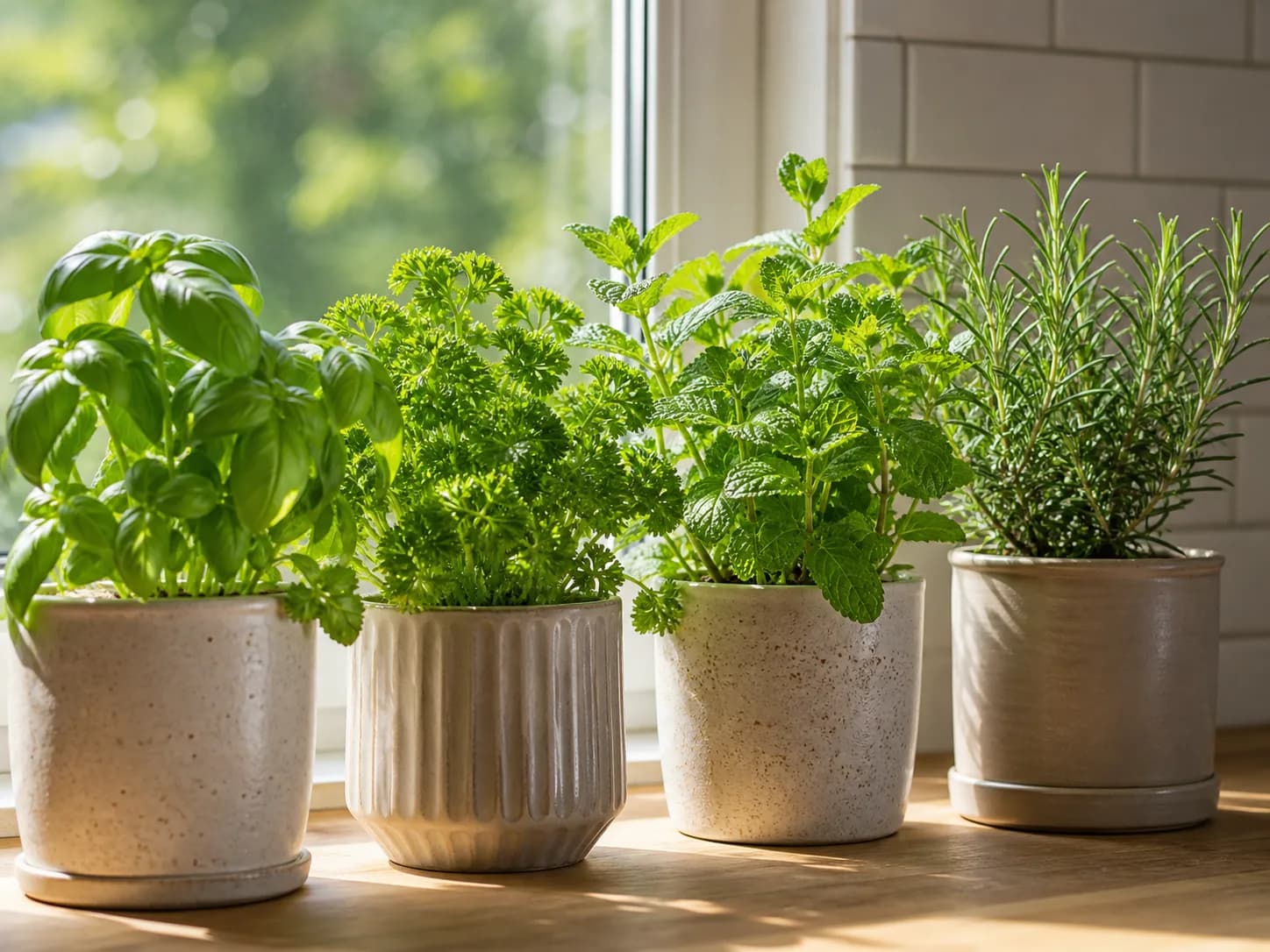
Best Herbs to Grow Indoors for Real Harvests, Not Spindly Pots
Choose indoor herbs that can actually produce in your light, temperature, and container setup, then match each one to the right harvest rhythm and watering style.
10 min read
Best Indoor Plants for Every Room and Light Level
A practical guide to choosing the best indoor plants for your home, covering beginner-friendly picks, low light champions, bright light lovers, watering basics, and how to avoid the most common mistakes.
13 min read