
What's a Loropetalum? How to Keep Purple Leaves and Layered Form
Loropetalum chinense Hamamelidaceae
Loropetalum earns its place when you want dark evergreen foliage first and spring fringe flowers second. Give it acidic, draining soil, steady first-year moisture, and protection from harsh afternoon heat in the warm end of its range.
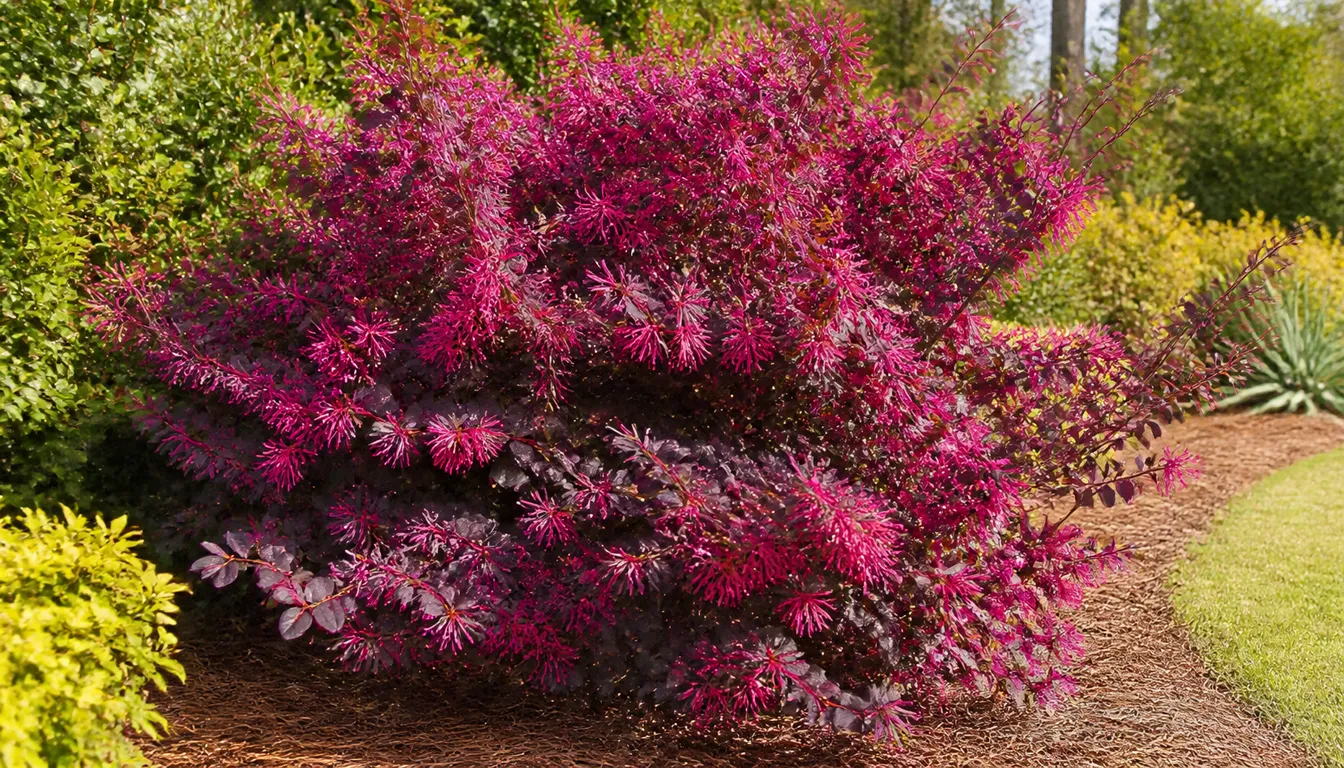
Care snapshot
What Makes Loropetalum Purple Before It Flowers?
Grow Loropetalum when you want a burgundy evergreen mound that also flowers, not when you need a formal green hedge.
The leaves carry the design for most of the year, and the spring fringe bloom is the bonus on top of that. That priority order separates this shrub from Forsythia, which earns its spot for a short, dramatic bloom window and little else.
Most garden forms are Loropetalum chinense selections with arching branches and ribbon-like pink or white petals.
The genus sits in the witch hazel family, and its name comes from Greek words meaning strap and petal, which describes the narrow, ribbon-like petals.
Older selections can become small trees, while compact forms stay low enough for foundation beds. Size, not flower color, is the decision that actually determines whether a given plant fits the spot.
If the tag does not list mature size, pause before buying, since a plant sold in a three-gallon pot can become a 10 ft screen within several years.
The species reached the United States in the 1880s, but the purple-leaf, pink-flowered types sold today as variety rubrum only became available in the 1980s, according to NC State Extension. Those are the plants most people now picture as Loropetalum.
Choose the Size Before the Color
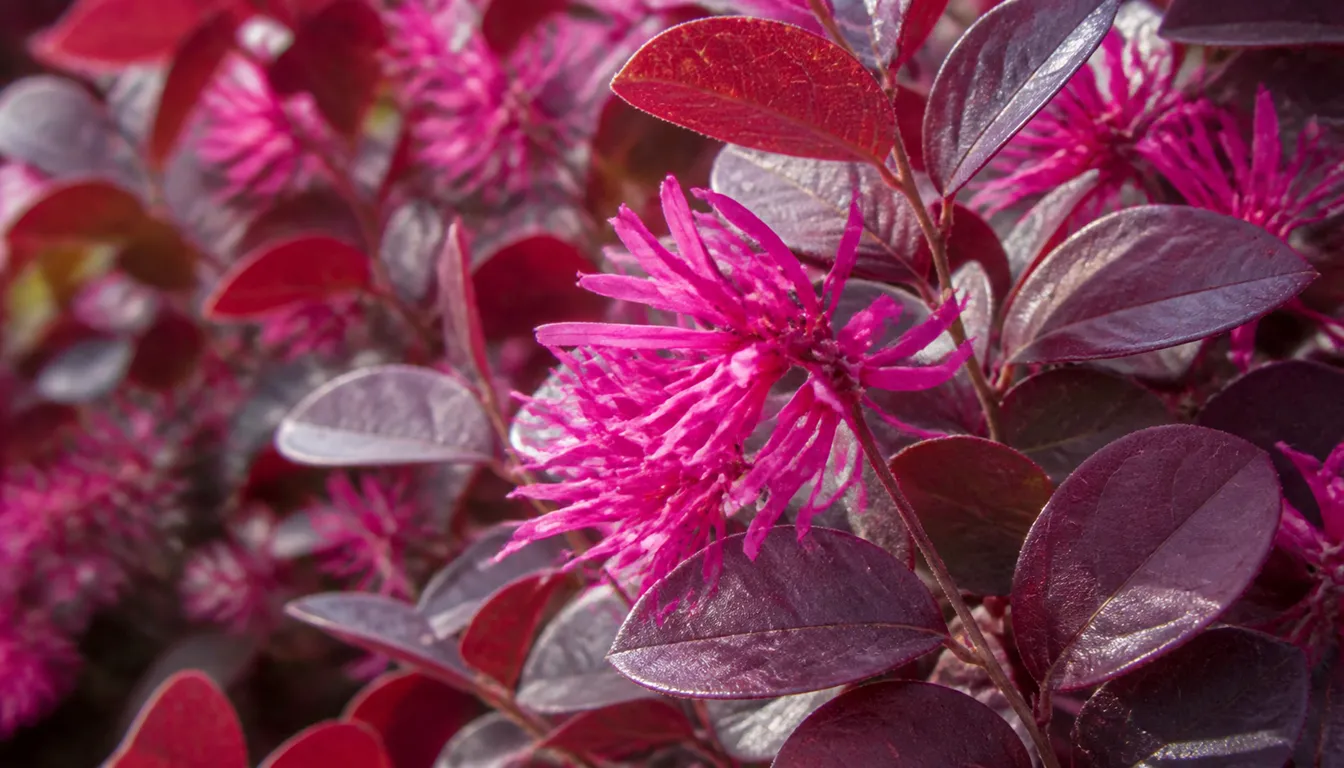
Nursery benches make Loropetalum look like a color decision, but size is the mistake that costs the most work later.
Dwarf selections belong near windows and walks, while full-size selections belong where their arching stems have real room to spread. 'Ruby' and 'Crimson Fire' are widely sold burgundy cultivars, and 'Emerald Snow' and 'Purple Diamond' round out the common named options.
Advertised mature size on the tag is often optimistic. Clemson Extension reports six-year-old 'Crimson Fire' plants at 10 ft tall and wide, even though it is often sold as a compact shrub, and lists 'Ruby' at a reported 12 ft tall and 10 ft wide.
'Purple Diamond' follows the same pattern. Clemson observed a 14-year-old plant at 15 ft tall and wide.
A cultivar description from a botanic garden or extension service that gives plant age alongside size is a better guide than a marketing label, because Loropetalum keeps growing for many years after it looks settled.
Purple-leaf cultivars show strongest color in bright light, while green-leaf white-flowering forms read softer in woodland edges. If you want a quiet evergreen companion for camellia shrubs, the green forms may fit better than the darkest burgundy types.
- Low foundation mound
- Look for compact forms listed near 2-4 ft tall.
- Color accent
- Choose burgundy foliage where the plant gets bright morning light.
- Loose privacy screen
- Use larger forms with room for 6-10 ft of spread.
- Woodland edge
- Green-leaf and white-flowering forms look less heavy in shade.
Use Light Like a Color Dial
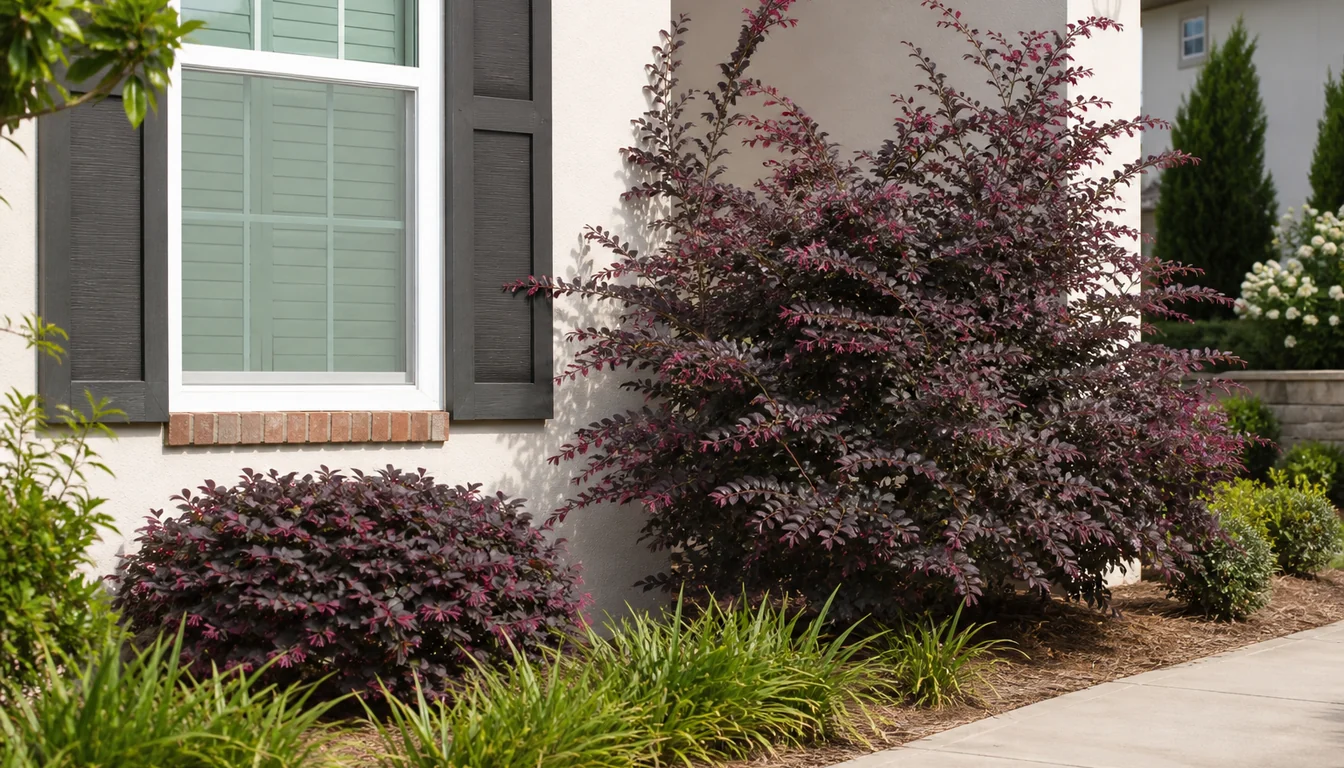
Leaf color tells you whether the light is right.
NC State Extension recommends full sun with some afternoon shade for the best flowering and leaf color. Purple forms grown in heavier shade tend to slide toward plain green.
In bright morning sun, purple Loropetalum holds a clean wine tone, while in deep shade it turns muddy green and flowers less.
Hot western exposure creates the opposite problem, since leaves can bronze, curl, or scorch where reflected heat from pavement hits the shrub every afternoon.
The useful target is morning sun with afternoon relief in warm regions. Cooler gardens can give more sun, but the root zone still needs mulch so heat does not dry the plant faster than roots can keep up.
Do not copy the placement you would use for Bottlebrush in full sun, since Loropetalum wants brightness for color but is still an acid-loving broadleaf shrub with real heat limits.
- Move dull, sparse plants into brighter filtered light before adding fertilizer.
- Give gold or burgundy companions enough distance so dark foliage does not visually swallow them.
- Use taller shrubs or small trees to cast broken shade in late afternoon.
Acid Soil Matters More Than Extra Feeding
Yellow leaves on Loropetalum often point to soil pH or wet roots before they point to hunger.
It prefers acidic, organic soil much like azalea planting beds. NC State Extension describes it as intolerant of alkaline soil and prone to chlorosis when the pH is too high, because iron becomes harder for the roots to absorb even when the soil contains enough of it.
That specific pattern, yellow leaf tissue with the veins staying green, is iron chlorosis rather than a nitrogen shortage, and it usually shows up first on new growth.
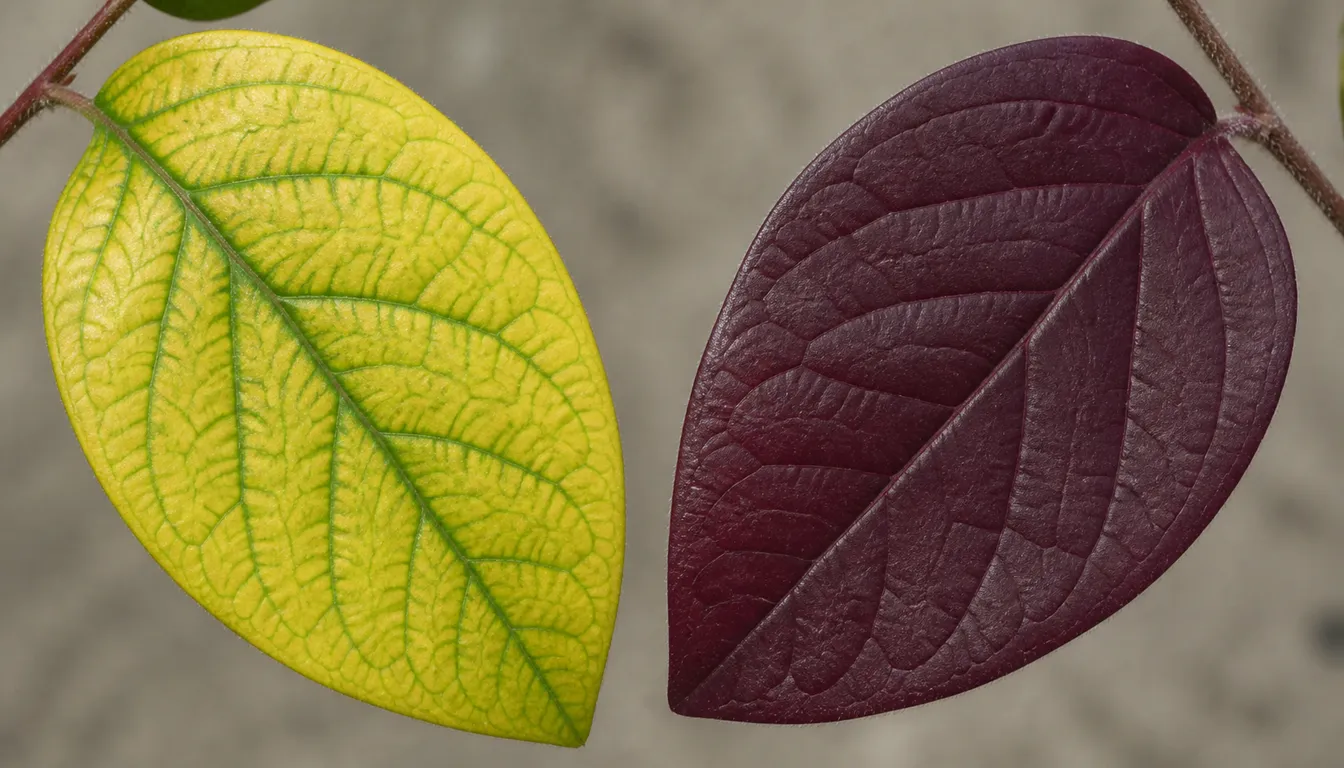
A chelated iron spray corrects the symptom quickly, but lowering soil pH with sulfur after a soil test fixes the actual cause for the long term. A heavy high-nitrogen feed does nothing for chlorosis and pushes soft growth.
Plant high in clay soil, then mulch wide instead of piling amendments into a narrow hole.
Roots need a broad, breathable area where water moves through and oxygen stays available. During the first year, water deeply whenever the top few inches dry out.
Clemson Extension describes the shrub as drought tolerant once established, with deep watering during prolonged dry periods.
Prune for Layers, Not a Green Box
A sheared Loropetalum quickly loses the branch layers that show off its dark leaves.
Light selective pruning keeps the natural fountain shape while still controlling size. Shearing it into a tight ball trades that shape away for a flat green wall that hides the foliage color it was bought for in the first place.
The best timing is right after the main spring bloom, since waiting until late summer risks removing buds that would have opened the following spring.
Cut long shoots back to a side branch instead of clipping the whole surface. This keeps daylight inside the shrub and avoids a thin shell of leaves sitting over bare wood underneath.
If the plant is already too large for the spot, replacement is often cleaner than a yearly battle against its natural size.
A compact cultivar does that job with far less ongoing stress than forcing a large selection to behave like formal boxwood.
Rejuvenation is another option before giving up entirely. When a Loropetalum has outgrown its space, Clemson Extension recommends cutting the stems and branches back to within 6 to 12 inches of the crown.
Right after spring bloom is the natural time for that cut, since it gives the plant a full season to regrow before winter. Steady water and mulch through that first summer help the new shoots establish.
- Remove dead or winter-burned tips first.
- Shorten the longest arching stems back to hidden side branches.
- Step back before each cut so the plant keeps an uneven, natural outline.
- Stop before you expose a hollow center.
Root Cuttings When You Need the Same Color
Seedlings do not reliably keep the parent color, so cuttings are the better path when you want the same burgundy leaf or compact habit.
Take semi-ripe, non-flowering shoots after the spring flush begins to firm, and dip the cut ends in a rooting hormone before sticking them.
Keep the rooting medium airy, since a mix with perlite or fine bark prevents the lower stem from staying wet while new roots form.
Warm, bright conditions with steady humidity speed rooting, and a cutting is ready to pot once it resists a gentle tug.
Layering also works when a low branch already touches mulch. Pin the branch down, wound the bark lightly at one node, and wait until the rooted piece resists a gentle tug before cutting it free.
- Cutting length
- 4-6 inches from semi-ripe non-flowering growth
- Rooting mix
- Perlite plus peat, coco coir, or fine bark
- Moisture
- Evenly damp, never sealed wet
- First winter
- Protect young pots from hard freezes
Read Leaf Color Before You Spray
NC State Extension reports no serious insect or disease issues for Loropetalum, so most problems show first in the leaves and trace back to the site.
Pale new growth, scorched edges, sticky shoots, and gall-covered stems all mean different things, and reading which one you have saves a wasted spray. Mites and aphids are the pests NC State suggests monitoring for.
The one disease worth real attention is olive gall, a bacterial disease. Clemson Extension describes galls forming on stems and the trunk that can girdle the tissue underneath and cause branch dieback.
Clemson recommends pruning infected branches several inches below the gall and dipping pruning tools in a 10% bleach solution between cuts, so the bacteria are not carried to healthy wood.
Powdery mildew and anthracnose can also appear, especially in humid, crowded plantings with poor air movement, so spacing and selective pruning matter as much as any spray.
A yellow shrub in wet clay needs drainage correction more than insecticide or fungicide.
Use natural pest control only after light, drainage, and moisture checks make sense first. NC State notes that root rot can occur in poorly drained soil, which is the more serious outcome of that same wet-clay problem.
Check pH, root wetness, and new growth color before feeding.
Look for afternoon heat, drought, or reflected pavement glare.
Inspect tender growth for aphids, which leave sticky honeydew.
Suspect olive gall. Prune several inches below the gall and disinfect tools between cuts.
Check shade level and last pruning date.
Place It Where Dark Foliage Helps
Dark foliage can make a bed look rich, but too many burgundy shrubs make the whole planting feel heavy.
Loropetalum works best as a repeated accent or a loose screen, not as the only color in the border. Scattering three or four plants through a bed reads as intentional, while one lone burgundy shrub can look like an accident.
Pair it with lighter foliage, spring bulbs, or soft green shrubs so the purple leaves have real contrast to sit against.
In mixed evergreen beds, it can bridge the look between Holly structure and softer flowering shrubs nearby.
Gold-leaf shrubs such as a golden spirea or a chartreuse abelia make the strongest color contrast against burgundy foliage. The two sit on opposite ends of the color wheel rather than just varying in shade.
Tree-form standards, trained to a single trunk with a rounded canopy, work as a smaller-footprint specimen near an entry or patio when a full spreading shrub would crowd the walkway. NC State notes that pruned plants form an attractive small tree.
Is Loropetalum Safe Around Pets, and Do Deer Eat It?
Neither the ASPCA's plant lists for dogs, cats, and horses nor the NC State and Clemson Extension profiles say anything about Loropetalum toxicity, so whether it harms a dog or cat that chews it is unknown.
Deer are a clearer story. Clemson Extension calls the shrub relatively resistant to deer browsing, and NC State lists deer among the challenges it resists, which is why it shows up on deer resistant plant lists.
Frequently Asked Questions
Why is my Loropetalum turning green?
Loropetalum often turns greener in too much shade or after a flush of soft new growth. Move the plant into brighter filtered light if possible, then wait for the next mature leaves before judging the color.
When should I prune Loropetalum?
Prune right after the main spring bloom. That timing lets you shape the shrub without cutting off many of the buds that form for the next spring.
Does Loropetalum need acidic soil?
Yes, Loropetalum performs best in slightly acidic soil with steady drainage, similar to Azalea and Camellia. Yellow leaves often mean pH or root stress needs checking.
Can Loropetalum be kept small?
Only if you start with a compact cultivar. A full-size Loropetalum can be trimmed, but constant hard pruning usually ruins the natural layered shape.
Sources & References
- Loropetalum, Clemson Cooperative Extension
- Loropetalum, NC State Extension Gardener Plant Toolbox
- Pruning Trees and Shrubs, University of Georgia Extension
- Managing Pests in Landscapes: Aphids, University of California IPM
- Loropetalum chinense, Missouri Botanical Garden Plant Finder
- Toxic and Non-Toxic Plant List: Dogs, ASPCA Animal Poison Control
Related Plants
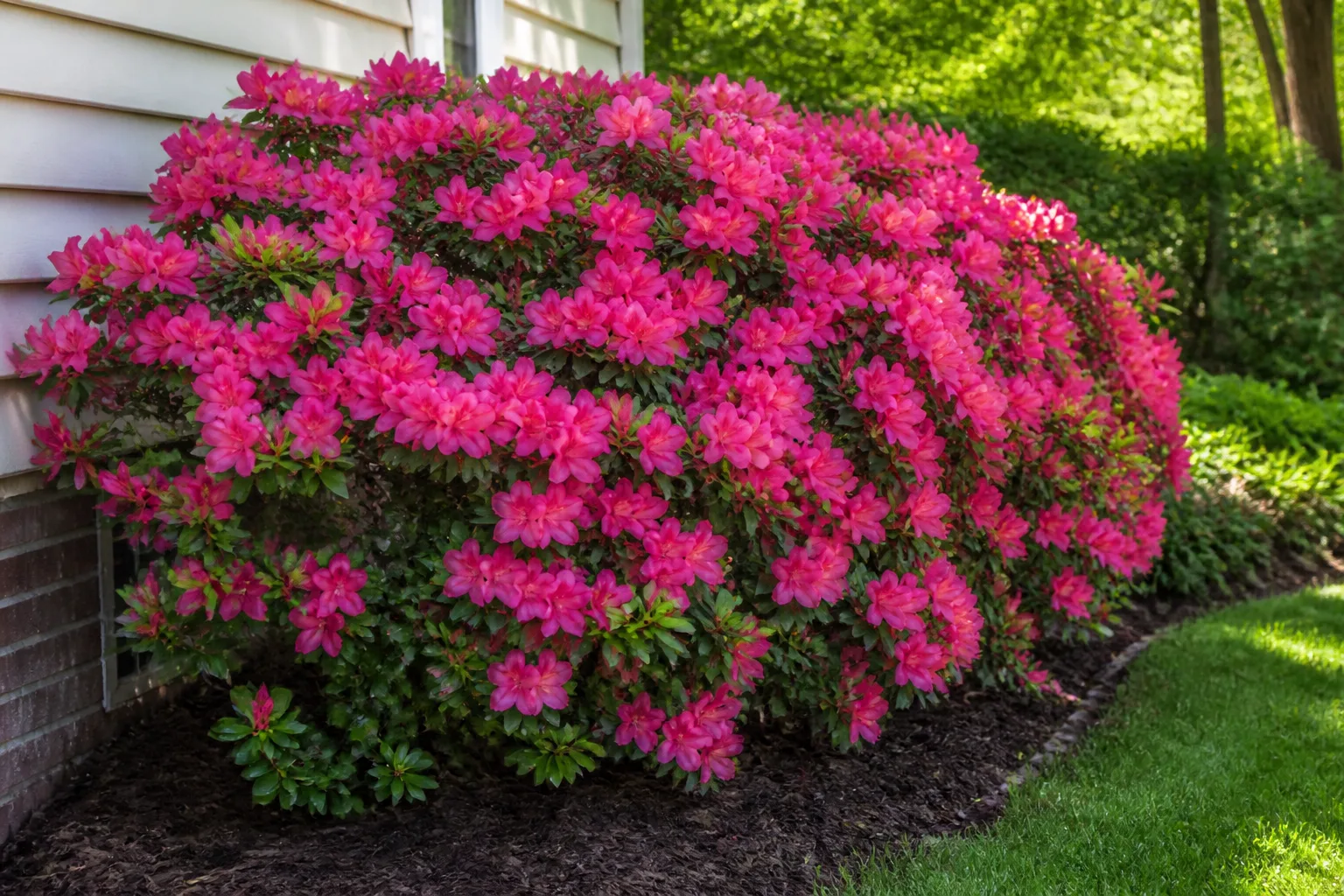
Azalea
Acid-loving flowering shrub with spring blooms and similar soil needs.
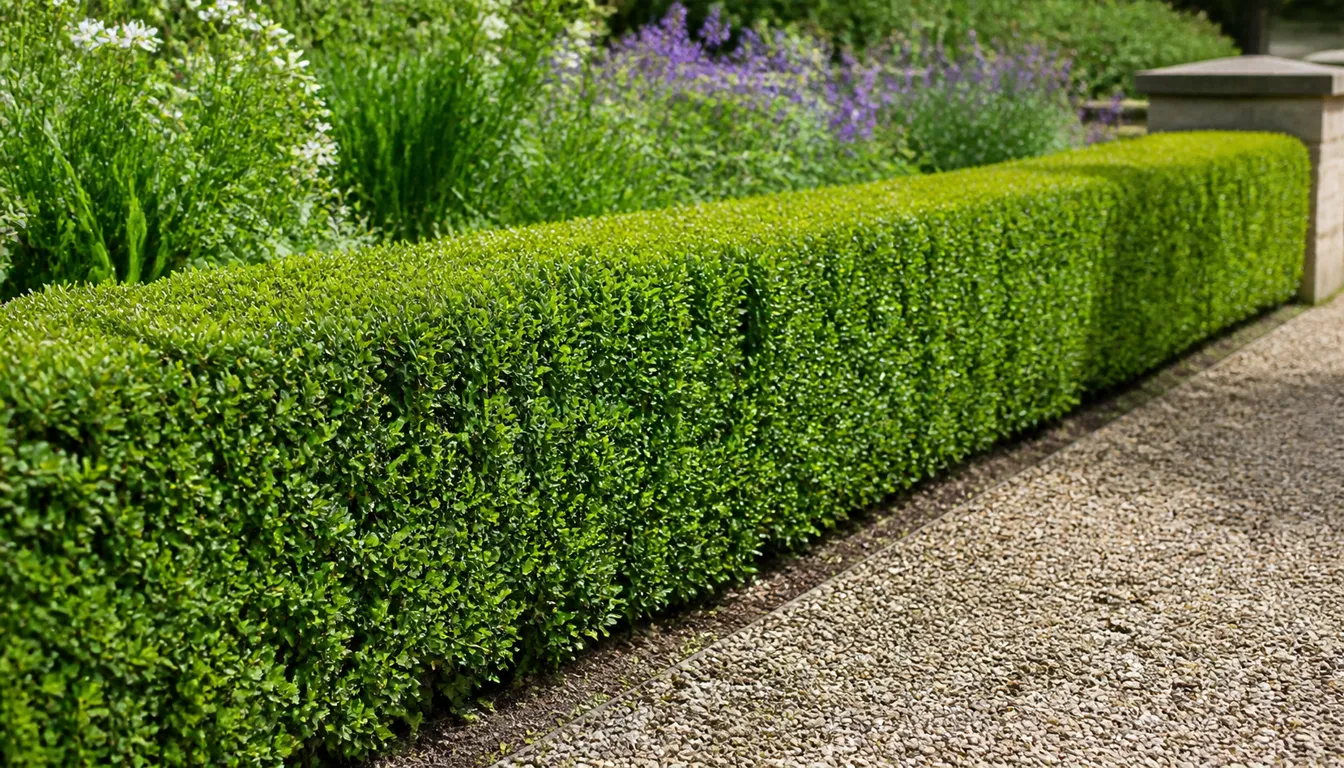
Boxwood
Evergreen hedge option where you want structure more than color.
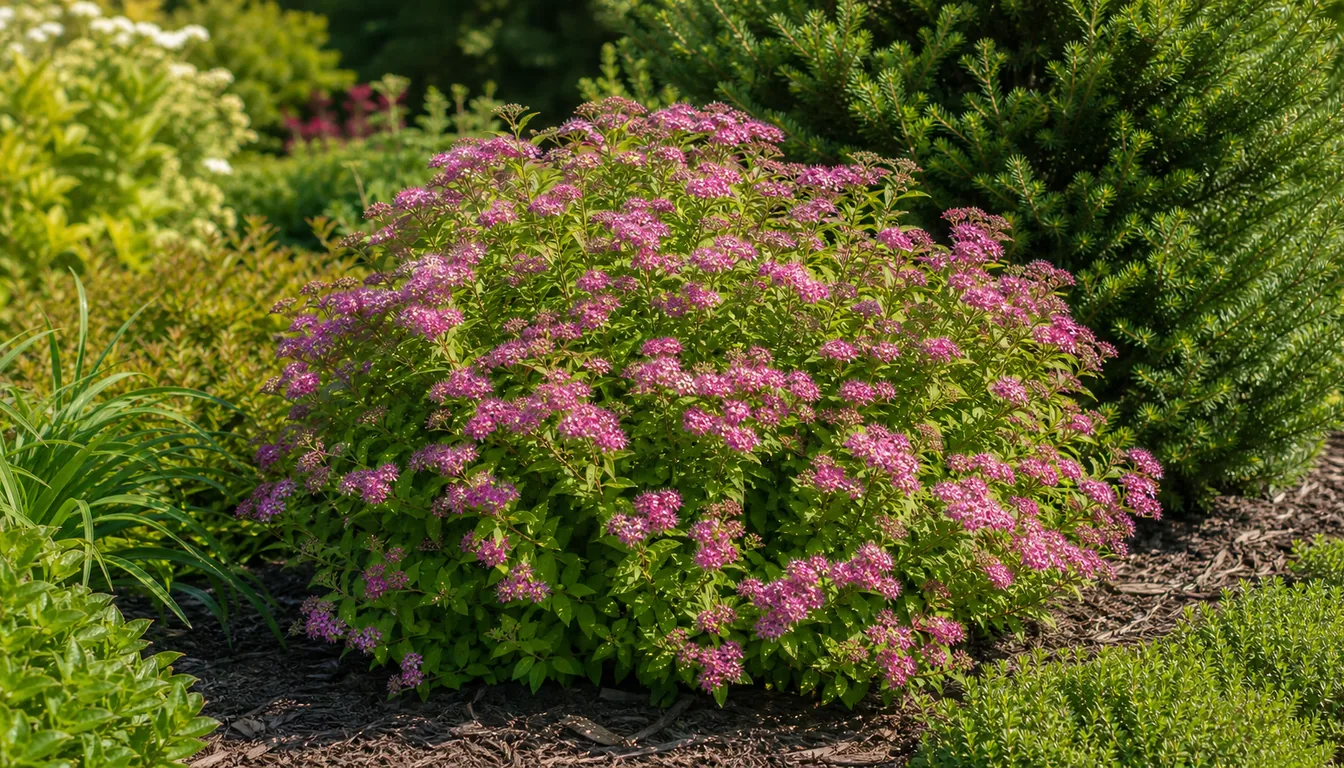
Spirea
Deciduous flowering shrub that handles colder zones better.
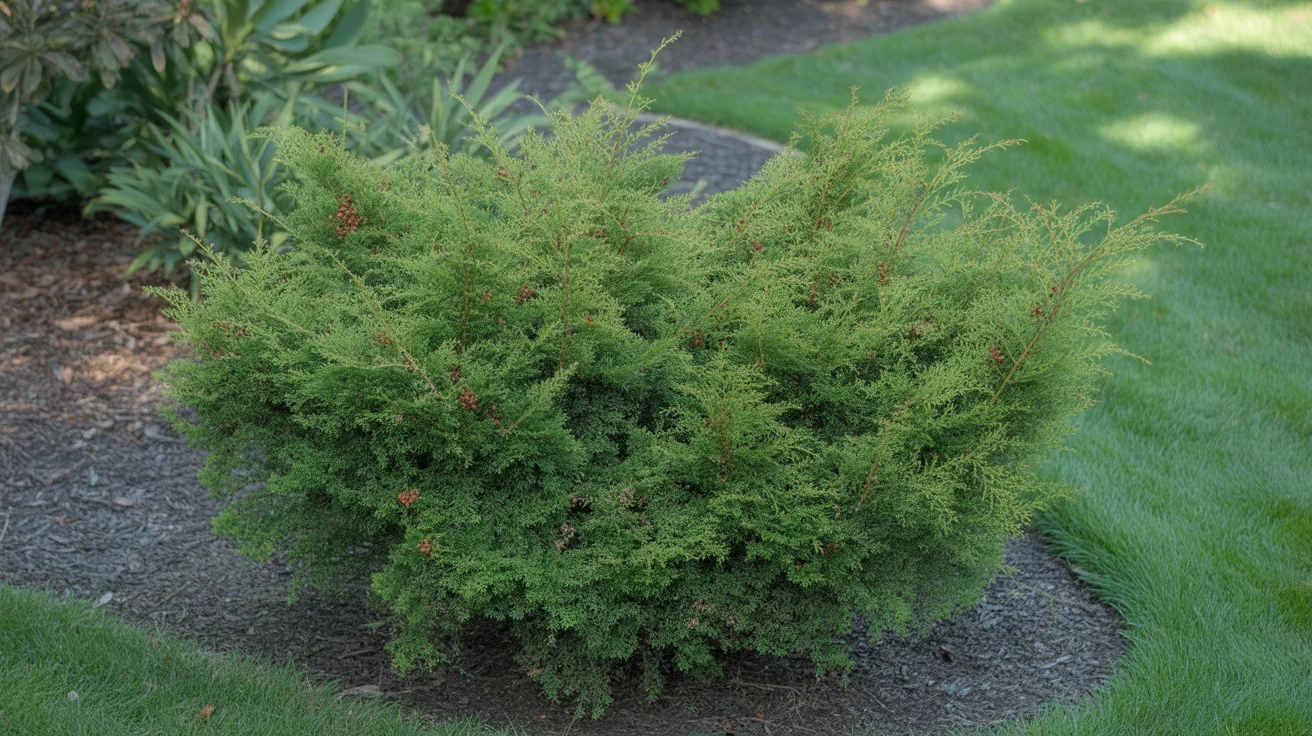
Arborvitae
Arborvitae can form a dense living screen where its mature width, exposure, and water needs fit the site.
Aucuba
Aucuba is the shrub for bright shade with dry root competition. It keeps evergreen structure near north walls, porches…
Barberry
Japanese barberry (Berberis thunbergii) is a thorny, deer-resistant shrub whose berries birds carry into woods, so…