
What's Bottlebrush? How to Tell If Your Winter Is Mild Enough
Callistemon spp. Myrtaceae
Bottlebrush is a sun-and-drainage shrub with a warm-climate bloom job.
Grow Bottlebrush for red brush flowers and pollinator traffic only where full sun and sharp drainage can protect it from cold, wet roots and weak flowering.
Care snapshot
Decide First Whether Your Yard Is Warm Enough
Bottlebrush is not a universal shrub. It wants sun, warmth, and drainage.
In mild Zone 8 and Zone 9 yards it can act like an easy evergreen. In colder gardens, it behaves more like a protected patio plant or a risky experiment.
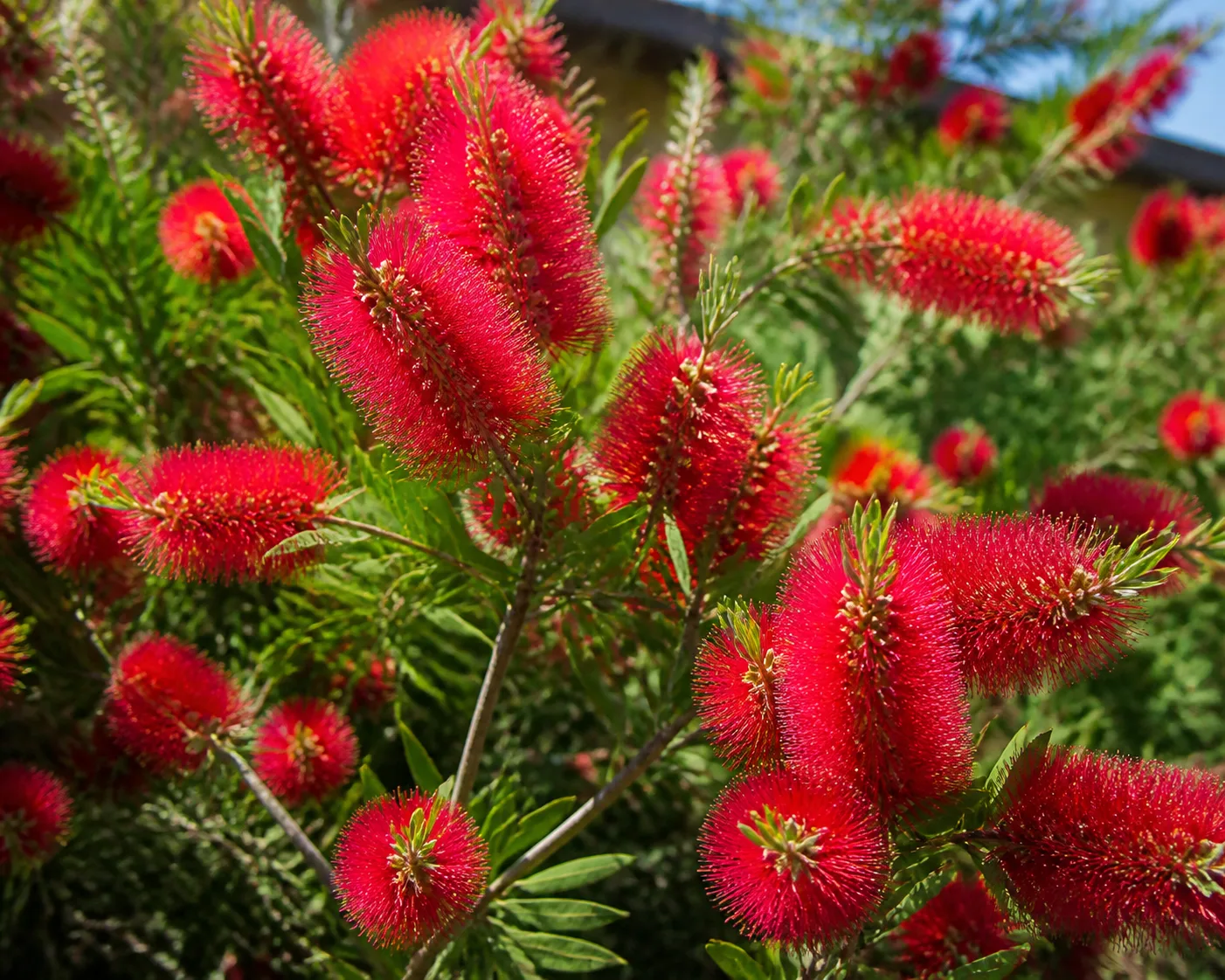
The flowers are the reward, since red, brush-like spikes bring bees and hummingbirds close. If winter regularly drops hard below the plant's rating, the shrub may survive as roots and still lose the bloom wood you were counting on.
Before buying one for a border, compare the site with tougher warm-climate shrubs such as holly. Pittosporum can cover the evergreen-screen job where the red flowers are less important.
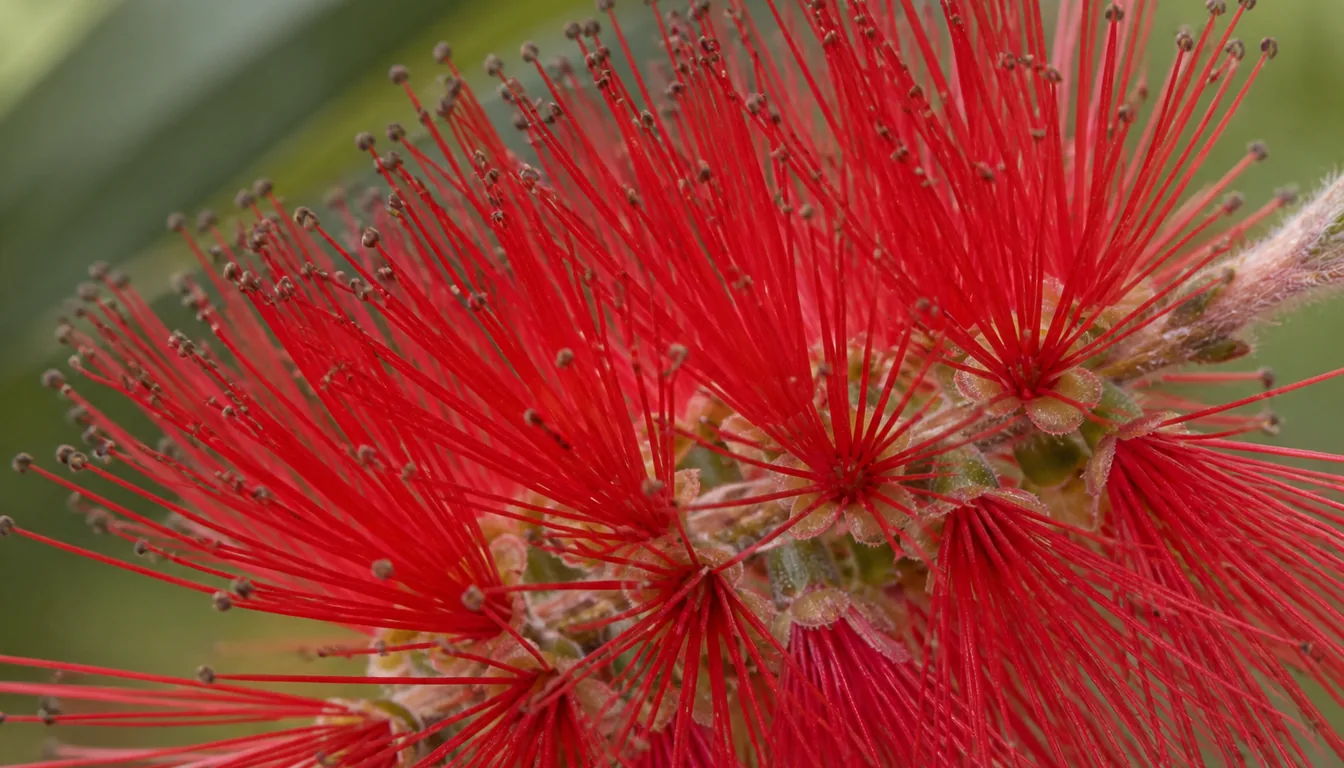
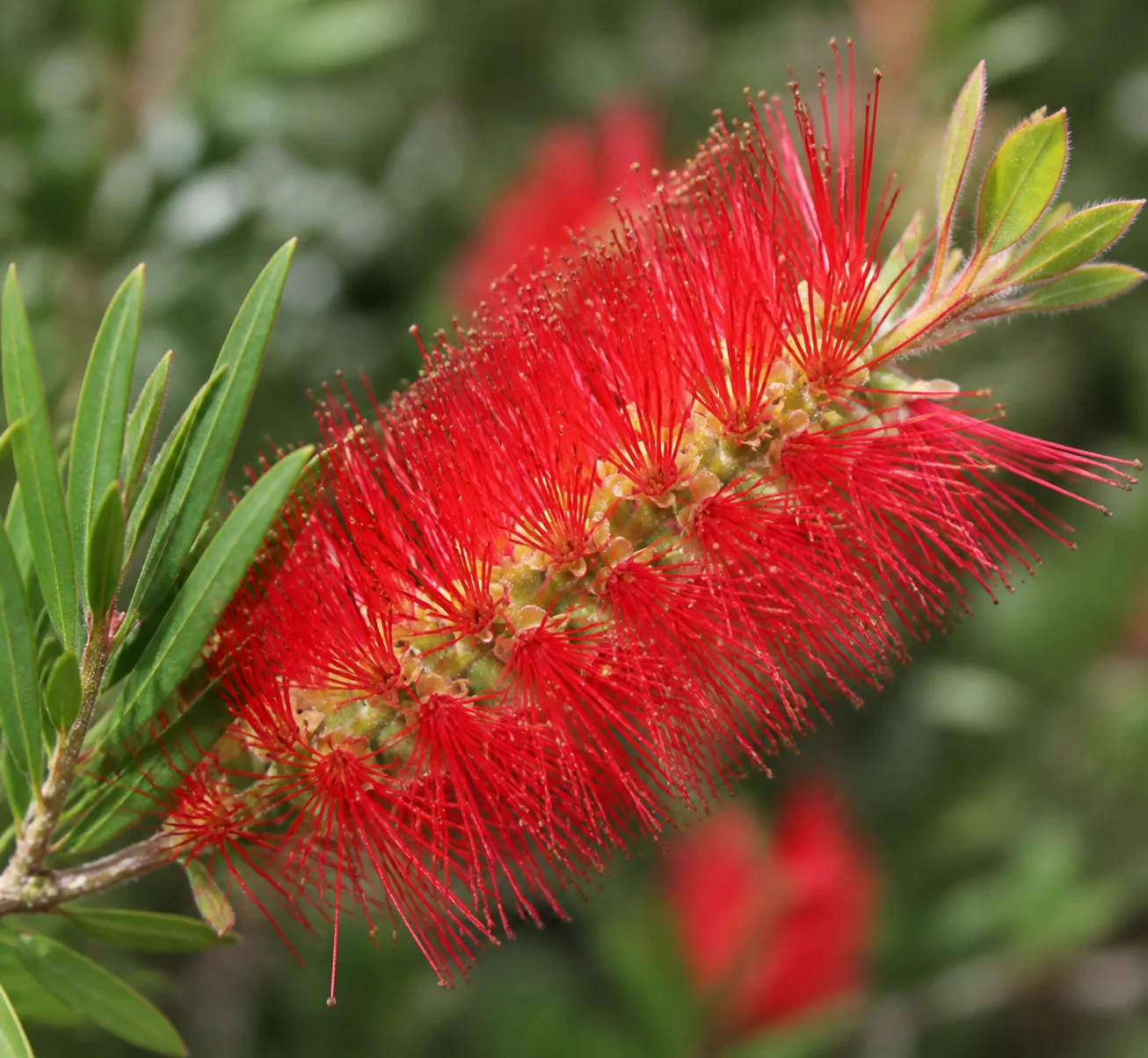
What looks like a red bottlebrush 'flower' is mostly stamens, since the true petals are small and inconspicuous compared with the showy colored filaments that give the plant its name. Many nurseries and older references also file this genus under Melaleuca instead of Callistemon, since botanists merged the two groups, so either name on a tag points to the same plant.
Gardeners in marginal zones sometimes wrap young bottlebrush trunks or drape frost cloth over the whole plant during a hard freeze warning, removing the cover once temperatures rise back above freezing the next day. That short-term protection matters most for young plants whose root systems have not yet built the reserves to regrow quickly after damage.
Choose Shrub, Tree, or Dwarf Form by the Space
Some Callistemon types stay shrubby. Others want to become small trees.
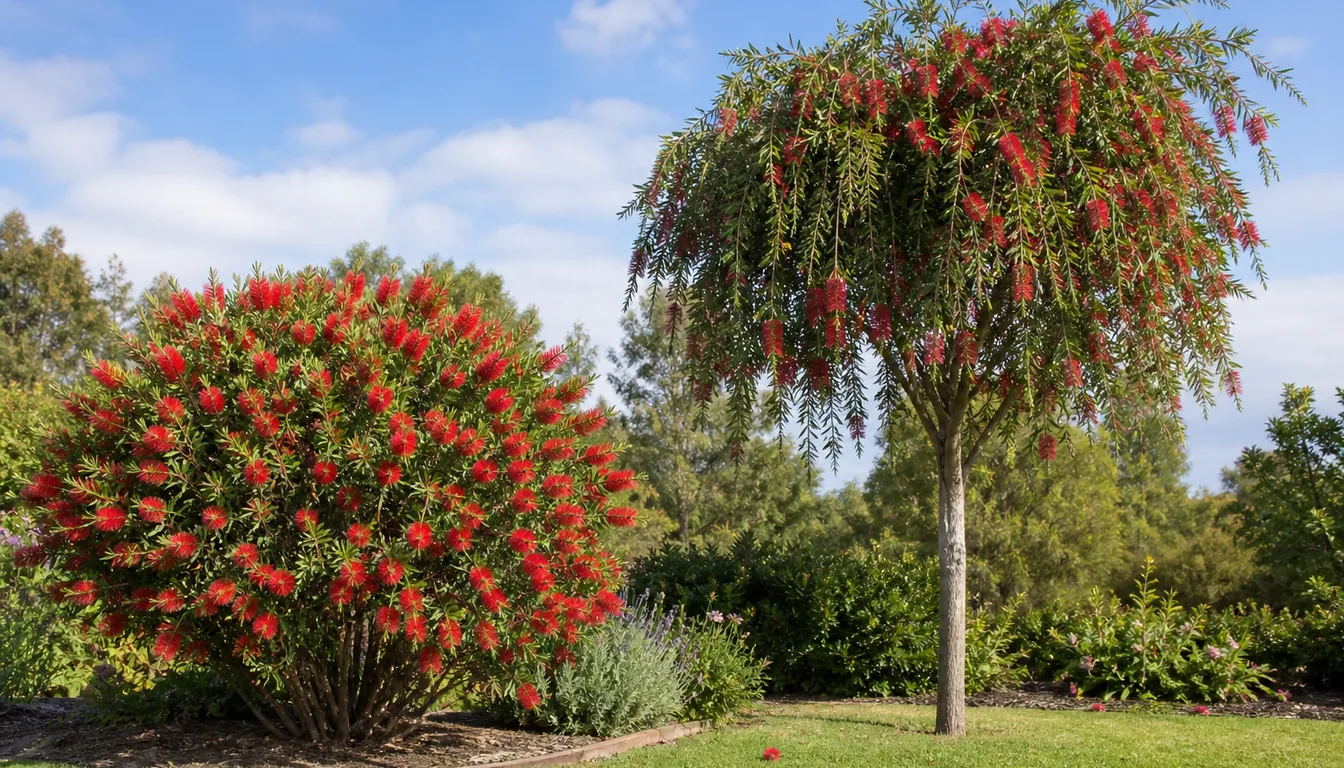
Read the mature height and width, not just the flower photo, before you place one beside a walk or window.
Dwarf forms suit containers and low beds. Larger forms can screen a sunny fence or anchor a warm corner, but they need pruning access after bloom.
- Dwarf bottlebrush
- Best for containers, patios, and small beds; easier to protect from cold.
- Shrub forms
- Good for sunny borders and informal screens where width is available.
- Weeping forms
- Need more room; branches can hang into walks if placed too close.
- Tree forms
- Best in mild climates with space for a permanent trunk and canopy.
If you need a permanent narrow screen, compare the form with skip laurel in mild zones.
Bottlebrush should win because of flowers, not because the tag promised any evergreen wall.
Named cultivars fill out each form category, with 'Little John' a compact dwarf popular for containers, 'Woodlander's Red' a reliable medium shrub, and 'Slim' a narrow upright form for tight side yards. Reading the cultivar name, not just 'dwarf' or 'standard' on a generic tag, gives a much more reliable sense of mature size.
Full Sun Powers the Brushes
Heavy bloom needs 6-8 hours of direct sun. A Bottlebrush in part shade may stay green, but it often flowers lightly and stretches toward the brightest side.
Reflected heat is usually less of a problem here than it is for shade shrubs. The bigger issue is trapped humidity or poor airflow, especially where walls block wind after summer rain.
In a mixed shrub bed, keep taller plants from shading the upper stems. If the goal is a flowering screen, Bottlebrush needs a brighter job than shade-tolerant shrubs such as Aucuba.
A plant that blooms only on the outer sunny tips is telling you where the light is. Shift nearby shrubs or move the pot before you blame the cultivar.
Bottlebrush handles coastal salt spray and salty irrigation water better than many flowering shrubs, which is part of why it shows up so often in seaside and street-median plantings in mild climates. That same toughness does not extend to salty, poorly drained soil, where the drainage problem still matters more than the salt itself.
Water to Establish, Then Avoid Wet Feet
Young bottlebrush needs regular deep watering until roots leave the planting hole. Once established, it handles dry spells better than many lush flowering shrubs.
Wet feet cause the real damage.
Heavy clay, saucers under containers, and winter irrigation can keep roots cold and low on oxygen. The plant may yellow, stall, then drop leaves while you are still trying to water it back to health.
Use a slow soak at the drip line, then let the top of the soil dry.
In containers, empty saucers and use a mix that drains fast.
Treat it closer to rosemary than to a thirsty hydrangea.
In rainy winter climates, pause irrigation unless the soil has actually dried. Cool wet soil does more damage than a short dry stretch.
- Water deeply the first year when rain is scarce.
- Reduce watering once new growth shows the roots have settled.
- Never leave containers sitting in water.
- In cool seasons, water only when the mix is partly dry.
Newly planted bottlebrush typically needs consistent attention for one full growing season before the root system reaches far enough to rely on rainfall alone. Rushing that establishment window with infrequent watering is a common reason a first-year plant struggles even in a climate that should otherwise suit it well.
Use Acidic, Airy Soil in the Ground or a Pot
Bottlebrush prefers slightly acidic, well-drained soil.
In sandy ground, compost helps hold enough moisture. In clay, a raised bed or mound is safer than a deep amended hole.
Container plants need a pot with real drainage holes and a mix that does not collapse into sludge. Add bark or coarse perlite if the mix stays wet for days.
Do not bury the crown. Set the plant at the same depth it grew in the pot, then mulch lightly around the root zone while keeping mulch away from the trunk.
If the soil stays sticky after a squeeze test, build upward instead of digging deeper. Raised planting keeps oxygen around the roots during cool wet weeks.
- Use a fast-draining potting mix in containers.
- Raise the planting area in heavy clay.
- Avoid saucers that hold water under pots.
- Top-dress lightly instead of burying the crown.
Like many Australian natives, bottlebrush can be sensitive to high-phosphorus fertilizers formulated for typical garden plants, sometimes showing yellowing or poor vigor from a feed that would help most other shrubs. A low-phosphorus or native-plant fertilizer, used sparingly, is a safer default than a generic all-purpose blend.
In alkaline soil, bottlebrush can develop iron deficiency chlorosis, showing up as yellow leaves with green veins rather than overall pale color. Working in soil sulfur or switching to an acid-forming fertilizer over time usually corrects the deficiency better than a one-time iron spray, which treats the symptom without fixing the underlying pH.
Prune After Bloom So You Do Not Cut Off the Show
Bottlebrush flowers on growth you can easily remove by mistake.
Prune right after the main bloom flush, shortening stray stems and removing dead wood without cutting the plant into a tight ball.
Spent flower spikes often leave woody seed capsules on the stem. You can leave some for texture or clip them while shaping.
Hard late-season pruning in marginal zones invites tender growth before cold weather.
If winter burns the top, wait until spring growth reveals live wood. Then cut back to healthy tissue and let the plant rebuild.
Do not keep feeding a cold-damaged shrub into soft growth.
If you garden near the cold edge, keep pruning light after midsummer. A shrub that hardens off slowly will handle cold better than one pushed into tender late growth.
Many bottlebrush types put on a strong spring flush and then continue producing scattered blooms through summer whenever growing conditions stay favorable, rather than flowering just once and stopping. Deadheading spent spikes can encourage some repeat bloom, though the biggest flush still follows the same seasonal rhythm year to year.
No Flowers Usually Means Light, Pruning, or Cold
A green bottlebrush with no blooms is usually not hungry. It is often shaded, pruned at the wrong time, too young, or recovering from winter damage.
Check the top of the plant. If only the sunny side blooms, light is the answer.
If there are no buds after a hard late-winter haircut, timing is the answer. If stems died back, cold removed the flowering wood.
- Leaves healthy, no bloom
- Not enough sun or plant still young.
- Bloom only on one side
- Uneven light from walls, trees, or neighboring shrubs.
- Lots of soft growth
- Too much nitrogen or too much water.
- Dead stem tips
- Cold damage; wait for spring regrowth before pruning.
If no-flower trouble comes from winter dieback, a hardier shrub such as rose of Sharon may give more reliable summer bloom in the same yard.
A container bottlebrush that has become root-bound can also stop flowering even with perfect light and pruning, since a pot-bound root system runs out of room to support new growth before it supports blooms. Checking for roots circling the bottom of the pot is worth doing before assuming the cause is purely a care mistake.
Cuttings Keep the Flower Color You Bought
Semi-hardwood cuttings are the best home method when you want the same red bloom and plant size. Seedlings can vary, so they are better for patient growers than for matching a design.
Take 3-5 inch tips after a flush of growth begins to firm.
Use an airy mix, bottom warmth if nights are cool, and bright light without harsh direct sun.
- Cut firm current-season tips with two or more nodes.
- Strip lower leaves and dip the base in rooting hormone.
- Root in perlite-heavy mix that drains quickly.
- Keep humidity moderate, not dripping wet.
- Harden rooted cuttings slowly before full sun.
Rooted cuttings also let container growers keep a backup plant beside other tender herbs such as lemongrass through winter.
Label the cutting with the parent plant name and flower color. Young Bottlebrush plants can look similar before they bloom.
Semi-hardwood bottlebrush cuttings typically take four to eight weeks to root under good conditions, testing for a gentle tug resistance rather than pulling to check. Cuttings taken from overly soft new growth root less reliably than those from wood that has just begun to firm.
Keep Pollinator Value Without Ignoring Scale and Pets
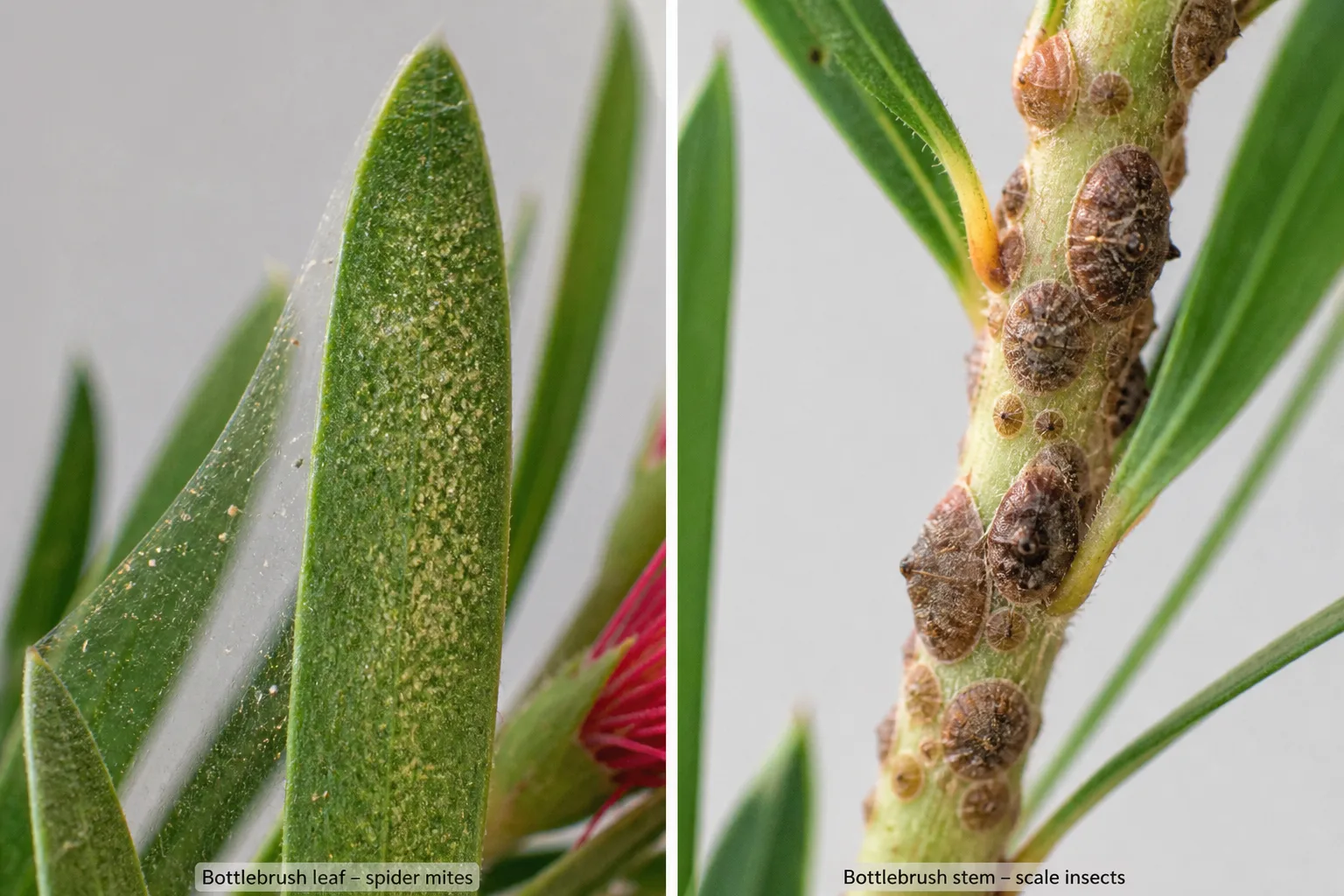
Scale, aphids, and mites can show up on stressed bottlebrush, especially in hot dry corners or crowded containers. Start with a strong water rinse and pruning out dead, crowded stems.
Because the flowers draw bees and hummingbirds, avoid spraying open blooms. Treat active pests in the evening and target stems or undersides rather than coating the whole shrub.
Spider mites and scale get confused at a glance on stressed bottlebrush, since both weaken foliage in hot dry corners or crowded containers. Spider mites leave fine pale stippling and silky webbing across leaves, while scale sit motionless as small hard bumps fused to stems and leaf midribs, with no webbing at all.
ASPCA lists Bottlebrush as non-toxic to dogs, cats, and horses, and it warns not to confuse it with bottlebrush buckeye, Aesculus parviflora, a toxic plant with a similar name. Place containers where dogs will not dig in the mix, and keep fallen prunings off patios.
For a pollinator-heavy bed, pair Bottlebrush with shrubs that extend the season, such as butterfly bush. Rose of Sharon can carry late flowers where the site has enough room.
If the yard gets regular freezes, keep one backup cutting in a pot. That small insurance plant is easier than replacing a mature shrub after an unusual winter.
For a warmer evergreen backdrop, camellia can share the mild-climate garden, but it wants different light and moisture. Keep the two jobs separate.
Hummingbirds tend to favor the red tubular-feeling brush spikes for their nectar, while bees work the same flowers for pollen, so a blooming bottlebrush often draws both at once without either outcompeting the other. That dual appeal is part of why the shrub shows up so often in pollinator-focused garden plans despite its narrow climate range.
Frequently Asked Questions
Can Bottlebrush survive winter?
It depends on the species, cultivar, and site, since many Bottlebrush types are reliable in mild Zone 8-9 climates. In colder areas, grow dwarf forms in containers or protect plants from cold, wet soil.
Why is my Bottlebrush not flowering?
The usual causes are too much shade, pruning before buds bloom, excess nitrogen, young age, or winter dieback. Check light and pruning timing before adding fertilizer.
Does Bottlebrush need a lot of water?
Bottlebrush needs regular deep water while new. Once established, it prefers to dry slightly between soakings and dislikes wet feet, especially in cool weather.
When should I prune Bottlebrush?
Prune Bottlebrush after the main bloom flush. That lets you shape the plant without cutting off the flower display or pushing tender growth late in the season.
Sources & References
- NC State Extension Plant Toolbox: Melaleuca citrina (Callistemon citrinus, Bottlebrush)
- Missouri Botanical Garden Plant Finder: Callistemon species
- RHS Gardening: Callistemon (bottlebrush) growing guide
- University of Florida IFAS Extension: Callistemon species and cultivars for Florida
- Callistemon species profile
- Callistemon viminalis, Queensland Bottlebrush
- Bottlebrush, Callistemon, Australian Plant Society
- Callistemon citrinus, Crimson Bottlebrush, Missouri Botanical Garden
- Toxic and Non-toxic Plants: Bottlebrush | ASPCA
Related Plants
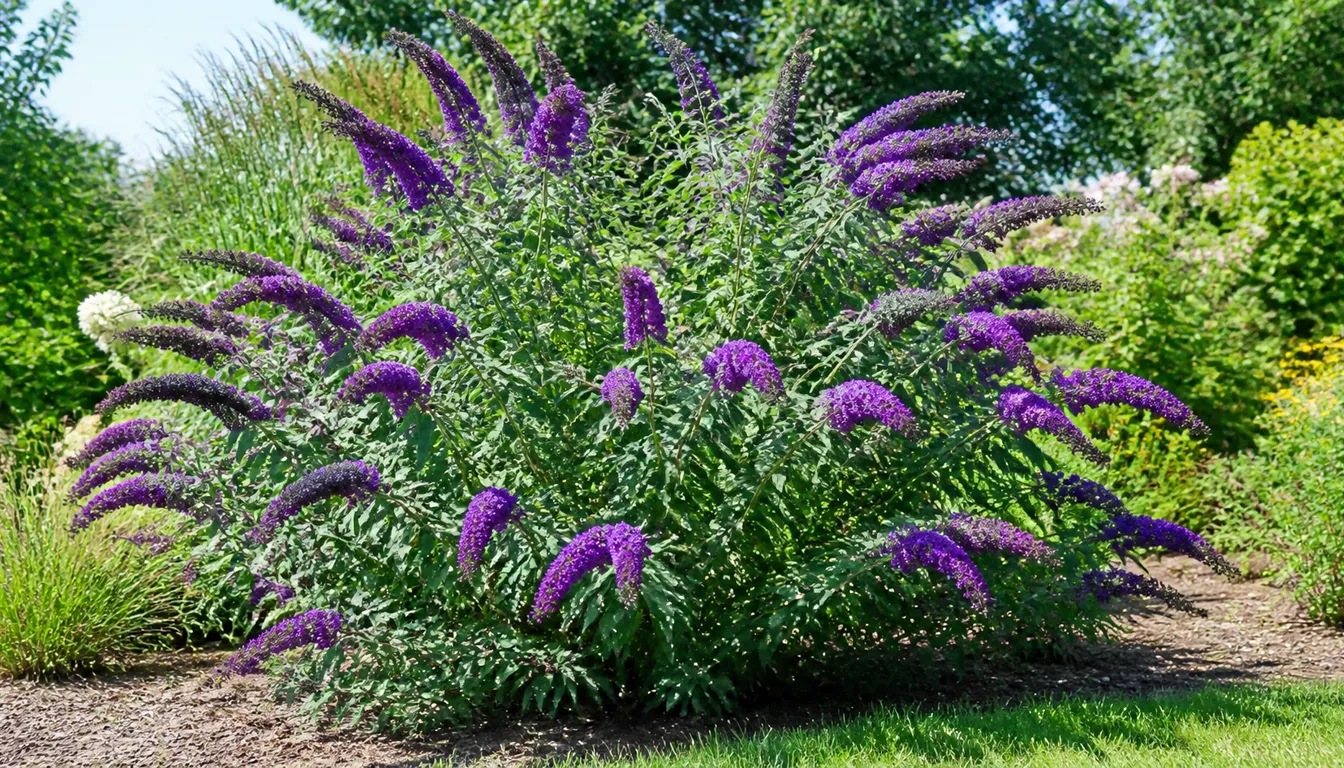
Butterfly Bush
Another sun-loving pollinator shrub that extends bloom season alongside bottlebrush.
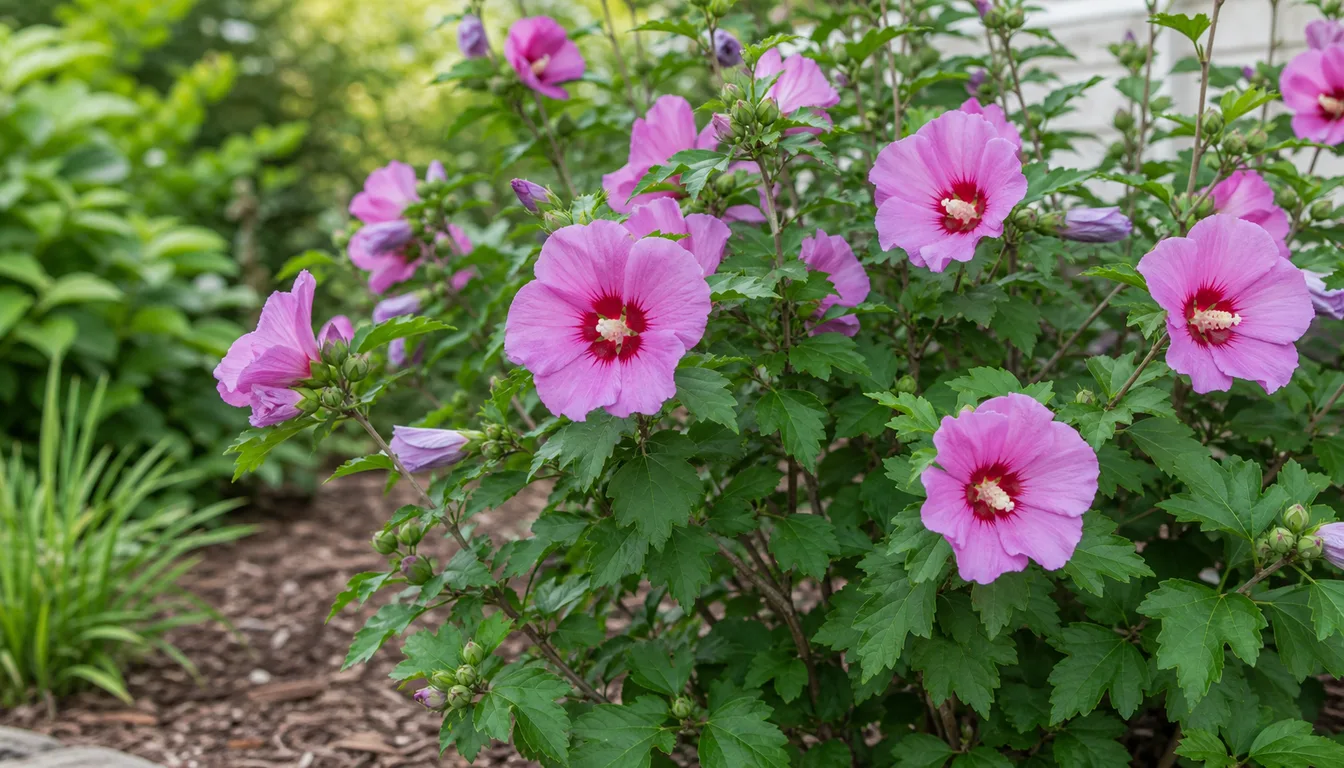
Rose of Sharon
Hardier summer-blooming alternative for gardens too cold for reliable bottlebrush flowering.
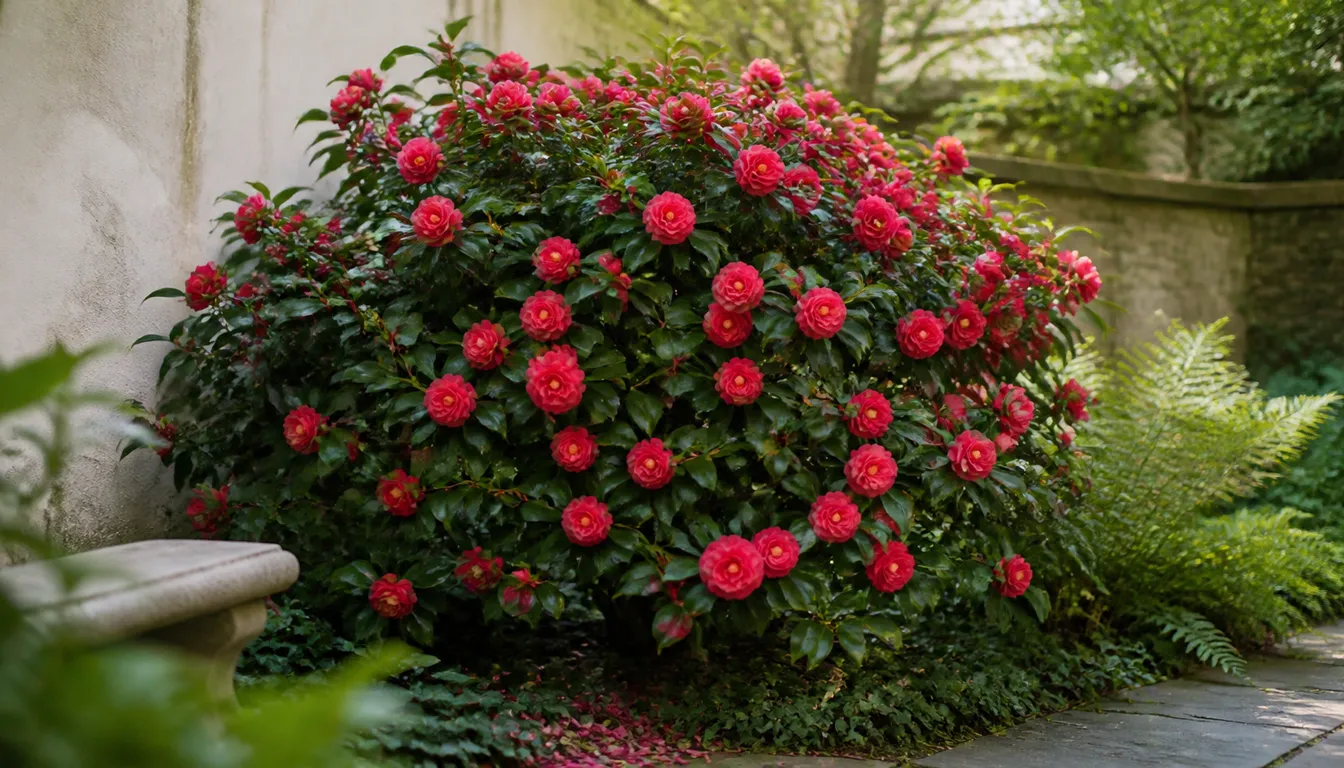
Camellia
Warm-climate evergreen with different light and moisture needs, for a shared mild-climate bed.
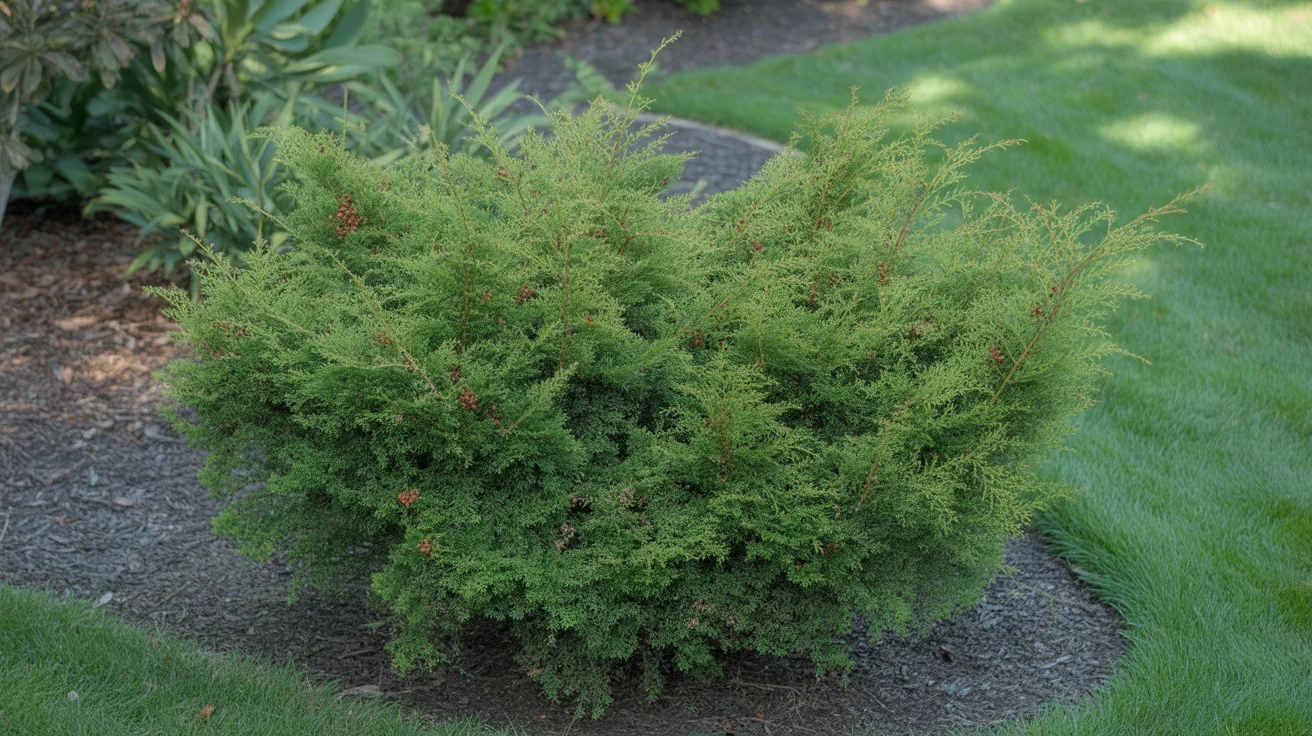
Arborvitae
Arborvitae can form a dense living screen where its mature width, exposure, and water needs fit the site.
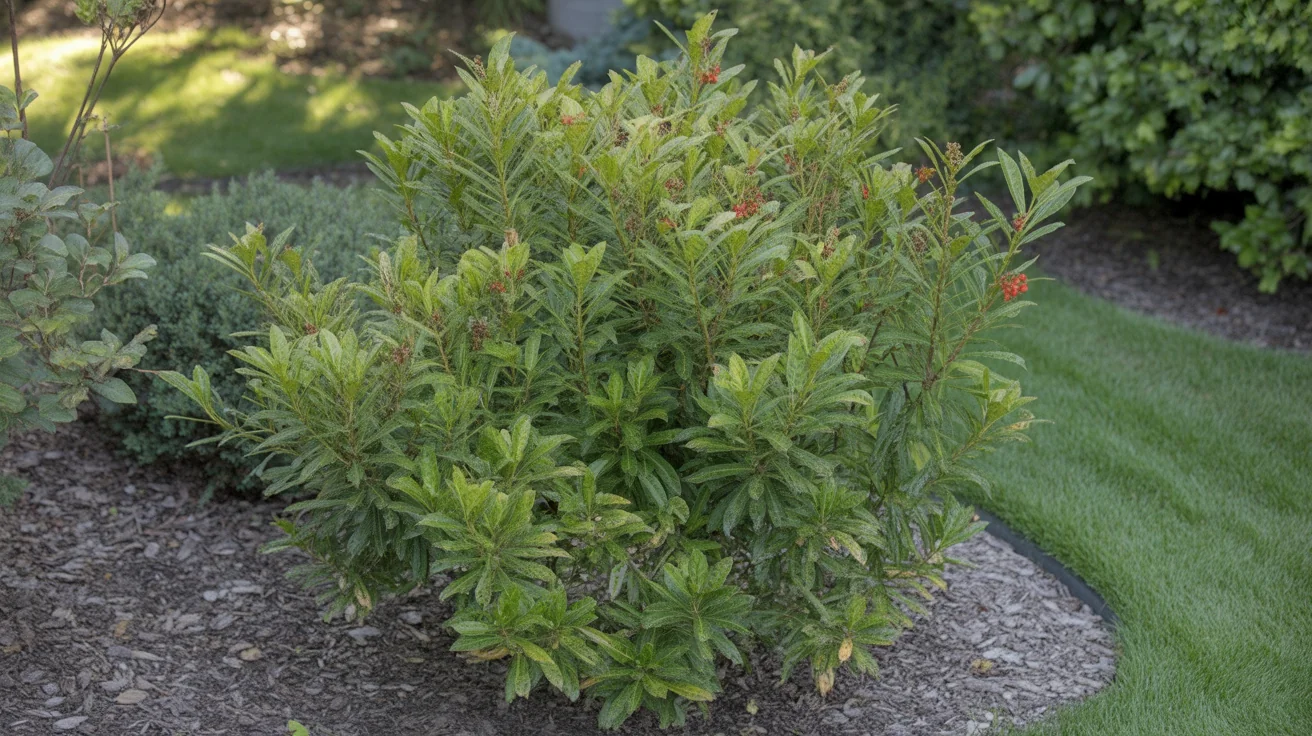
Aucuba
Aucuba is the shrub for bright shade with dry root competition. It keeps evergreen structure near north walls, porches…
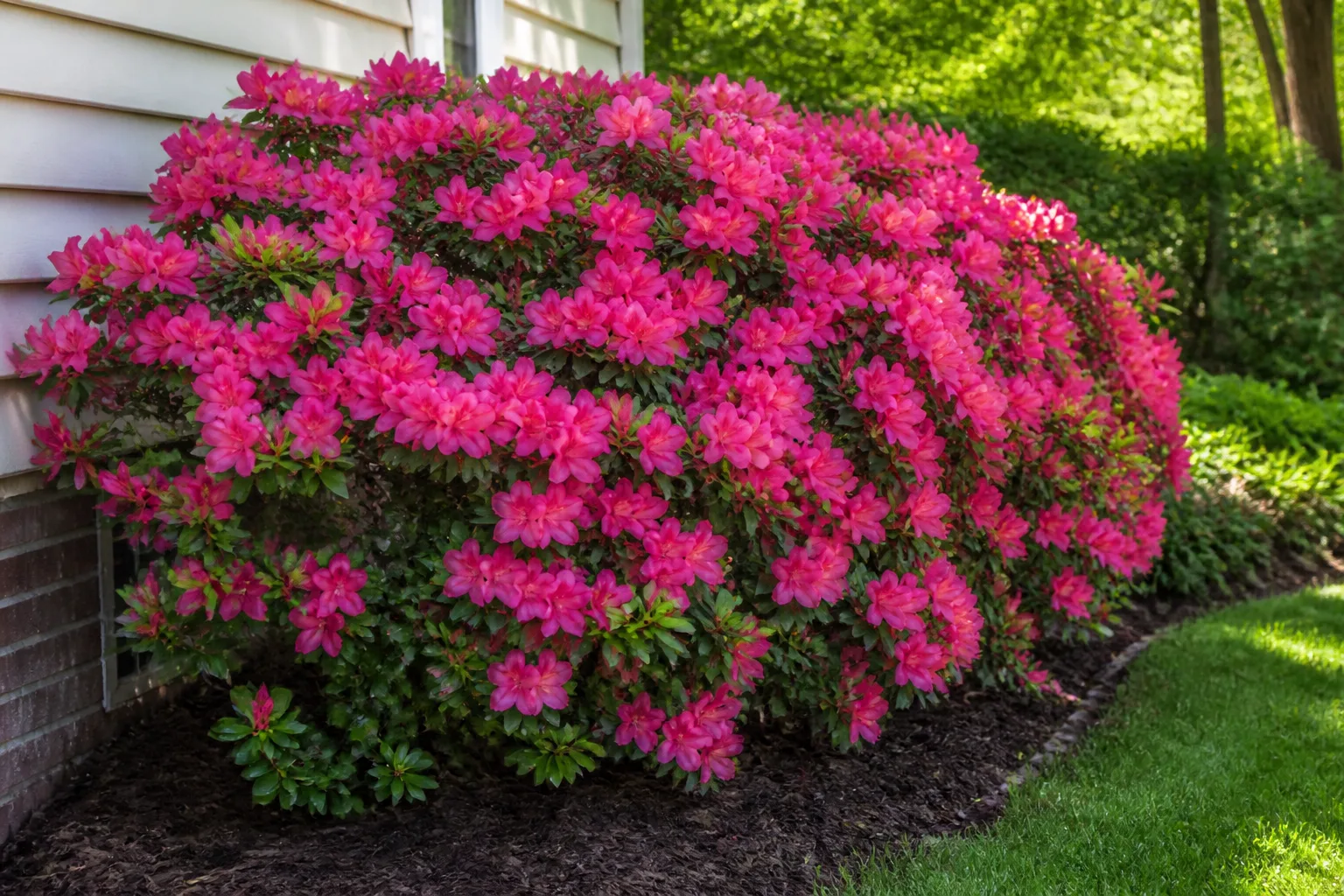
Azalea
Azaleas bring spring flowers, and some cultivars bloom again later in the year.