verifiedSource Reviewed
Peperomia: Compact Houseplants With Textured Foliage
Peperomia spp.
Family: Piperaceae
wb_sunnyLight
Bright to medium indirect light
water_dropWater
Moderate, let top half of pot dry
heightHeight
6-12 in tall
publicZone
USDA Zone 10-12 outdoors (commonly grown indoors everywhere)
petsPet Safety
Pet Safe
airAir Quality
Air Quality Note

Native Region
Tropical and subtropical Central and South America
Small Roots Set the Rules
The most important Peperomia fact is below the leaves: the roots are small. A big pot, dense mix, or heavy watering can rot the plant while the top still looks tidy.
Many types have thick leaves or stems that store water. That makes them better desk plants than thirsty humidity plants such as Nerve Plant.
Answer first: give bright filtered light, a small draining pot, and water only after the mix partly dries. Compact growth is normal, not a problem to force.
Choose by Leaf Texture, Then Match the Watering
Peperomia is a group, not one look. Ripples, stripes, round leaves, red stems, and trailing forms all share the small-root warning, but leaf thickness changes how fast they dry.
Watermelon peperomiaStriped leaves and firm petioles; needs bright filtered light.
Baby rubber plantThicker glossy leaves; handles drier intervals.
Ripple peperomiaTextured leaves; dislikes water sitting in the crown.
Trailing typesGood for shelves; stems break if handled roughly.
If you want one clear care example, compare this overview with watermelon peperomia. The species page owns striped-leaf petiole care in more detail.
Guide — See AlsoAir Purifying Plants for Cleaner Indoor AirLearn how to pick, place, and care for air purifying plants so they help your indoor air instead of just looking pretty.
chevron_rightUse Light to Keep the Plant Compact
Most Peperomia types want bright indirect light. Low light stretches stems and weakens leaf color, while direct hot sun can scar thick leaves.
A few feet from an east or bright filtered window is usually enough. If the plant leans hard toward the window, rotate it and move it slightly brighter.
If the plant lives under office lights, choose sturdier green forms first. Patterned types need a brighter desk than ZZ plant would tolerate.
Variegated or patterned forms need more light than plain green ones. Do not move them into sun suddenly to fix color; increase light in steps.
Email Updates
Join the KnowTheYard update list
Zone-specific advice, seasonal reminders, and new plant guides — no filler.
Water by Leaf Firmness and Pot Weight
Let the top part of the mix dry before watering. A small pot may dry quickly, but the roots still need air between waterings.
Firm leaves mean wait. Soft leaves in a light pot mean water. Soft leaves in a wet pot mean root trouble.
Use houseplant watering frequency only as a starting point because Peperomia pots vary widely by size and leaf thickness.
warningDo not up-pot to fix wilting
A larger pot often makes the wet-root problem worse. Check roots and light before changing container size.
Guide — See AlsoBest Herbs to Grow Indoors for Real Harvests, Not Spindly PotsChoose indoor herbs that can actually produce in your light, temperature, and container setup, then match each one to th
chevron_right
Keep the Mix Airy Around Fine Roots
Use a light indoor mix with extra perlite. The goal is a pot that wets evenly, drains fast, and feels lighter again within a few days.
Repot only when roots fill the small pot or the mix breaks down. A shallow pot can be better than a deep decorative container.
Pot sizeSmall and snug, with a drain hole.
Mix textureLight, airy, and not peat-packed.
Bad signWet smell, black stem base, or leaves dropping from a wet pot.
Propagate by the Part the Plant Can Replace
Many Peperomia types root from stem cuttings, leaf cuttings, or leaf-petiole cuttings. The best method depends on the plant form.
For upright leafy types, take a stem cutting with nodes. For rosette or ripple types, leaf-petiole cuttings can work, but they take patience.
- 1Cut cleanly from firm healthy growth.
- 2Let thick pieces dry briefly if they are juicy.
- 3Root in a small airy medium.
- 4Keep barely moist, not wet.
If propagation is your main goal, Chinese money plant gives easier pups than most Peperomia types.
Guide — See AlsoBest Indoor Plants for Every Room and Light LevelA practical guide to choosing the best indoor plants for your home, covering beginner-friendly picks, low light champion
chevron_rightRot Looks More Common Than Pests
Peperomia problems often come from wet roots or cold wet crowns. Leaves may drop suddenly even when pests are absent.
Mealybugs hide at leaf bases, and fungus gnats can appear when the surface stays wet. Mites are less common than on thin-leaved humidity plants, but still possible in dry rooms.
If thick leaves turn yellow while the pot stays wet, compare the pattern with yellow-leaf root stress before assuming pests.
- fiber_manual_recordLeaf drop in wet soil: check roots.
- fiber_manual_recordWhite cotton at stems: mealybugs.
- fiber_manual_recordTiny flies: surface staying wet too long.
Let Winter Stay Slow
Spring and summer are the best times to prune, propagate, and feed lightly with indoor plant fertilizer.
Winter growth may almost stop. Keep light steady, water less often, and avoid repotting unless rot forces you to act.
A desk plant near a heater can dry at the leaf surface while the pot stays damp. Check both leaves and mix before watering.
Use It Where a Small Plant Should Stay Small
Peperomia is often chosen for pet-friendly rooms and small surfaces. Its tidy size is the point, not a flaw.
For stronger color drama, choose croton. For a compact, safer tabletop plant with less fuss, Peperomia is usually a better match.
lightbulbBest fit
Peperomia works best when you want a small plant to stay small. Choose a fast vine if you want a shelf to fill quickly.
eco
Keep Exploring
Related Plants
 Houseplants
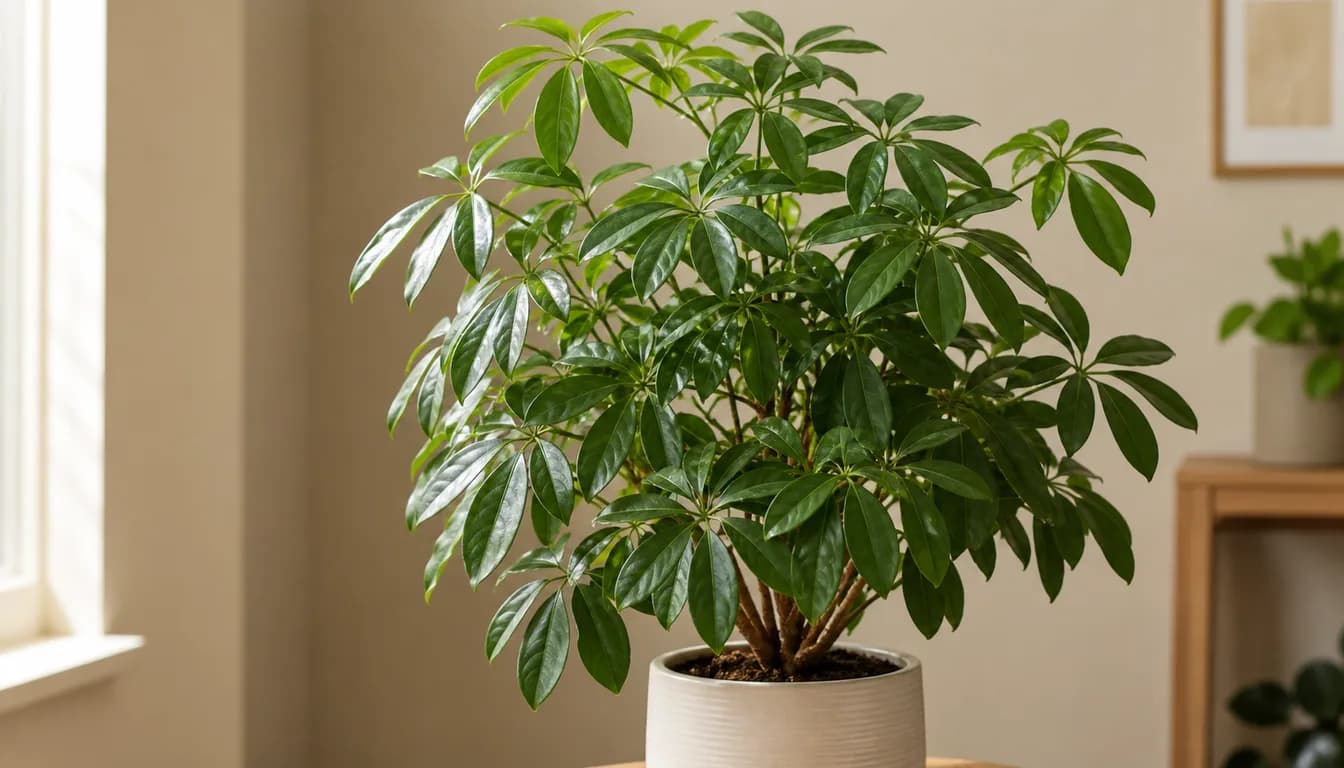
Schefflera
Schefflera is an indoor umbrella tree that grows fast when light, pruning, and pot size stay in balance. The care problem is not keeping it alive; the real
 Houseplants
Neon Pothos
Neon Pothos is the color-first pothos: its bright yellow-green leaves look best in medium to bright indirect light. Grow it like a durable vine, but judge s
 Houseplants
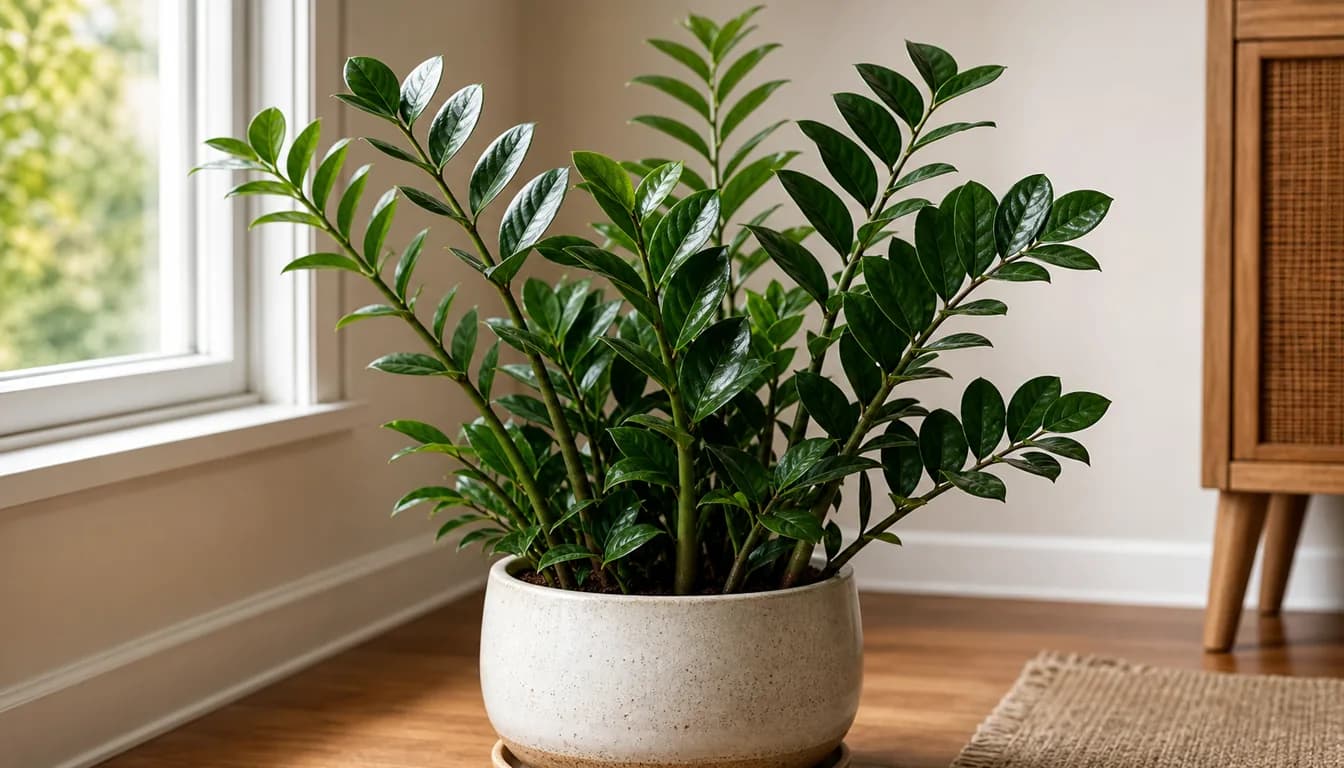
Zz Plant
ZZ Plant survives neglect because its underground rhizomes store water. Treat it like a slow water-storage plant, not like a leafy plant that wants frequent
quiz
Frequently Asked Questions
How often should I water Peperomia?expand_more
Water when the top part of the mix dries and the pot feels lighter. Firm leaves usually mean the plant can wait.
Why is this plant dropping leaves?expand_more
Sudden leaf drop often comes from wet roots, cold soil, or a pot that is too large. Check the root zone before adding more water.
Does Peperomia need high humidity?expand_more
Most types appreciate normal indoor humidity but do not need terrarium-level air. Good light and careful watering matter more.
menu_book
Sources & References
- 1.Peperomia, University of Florida IFAS Extensionopen_in_new
- 2.Peperomia Care, Missouri Botanical Garden Plant Finderopen_in_new
- 3.Houseplants: Peperomia, Clemson Cooperative Extensionopen_in_new
- 4.University of Florida IFAS Extension – Peperomia for Floridaopen_in_new
- 5.Missouri Botanical Garden – Peperomia caperata profileopen_in_new
- 6.ASPCA – Non-Toxic and Toxic Plant List for Dogs and Cats (Peperomia)open_in_new
- 7.Royal Horticultural Society – Peperomia growing adviceopen_in_new