
Use Frost Date by Zip Code to Time Lawn and Garden Tasks
Frozen seedlings and winter-burned turf usually trace back to one mistake, guessing instead of checking your frost dates. Using frost date by zip code data lets you schedule seeding, planting, and fertilizing around real risk, not just the calendar.
Once you know your average last and first frost, you can back-plan things like starting indoor seed trays, overseeding the lawn, and putting out tender plants. We will walk through how to look the dates up, adjust for your yard, and turn those numbers into a month-by-month plan.
Understand What Frost Dates Really Mean
The numbers you see when you search "frost date by zip code" are based on 30-year weather averages, not guarantees. They tell you the date when your area typically has a 50 percent chance of a last spring frost or first fall frost.
Those averages still matter. They give you a shared starting line to plan warm-season grass seeding, veggie planting, and shrub work across zones 3-11; your exact risk still shifts with each season.
Spring frost dates matter most for tender plants and new lawns. Warm-season grasses like bermuda turf and vegetables such as backyard tomato plants hate freezing soil, so you time planting several weeks after your average last frost.
Fall frost dates drive your cutoff for things like overseeding cool-season fescue lawns, planting perennials, and protecting tender shrubs. Gardeners growing bigleaf hydrangea shrubs or spring azalea shrubs use that first frost date to know when to stop pushing new growth.
Frost dates are probability tools, not promises, so always build in a safety buffer.
Use them as planning guardrails, not a promise that the forecast will behave.
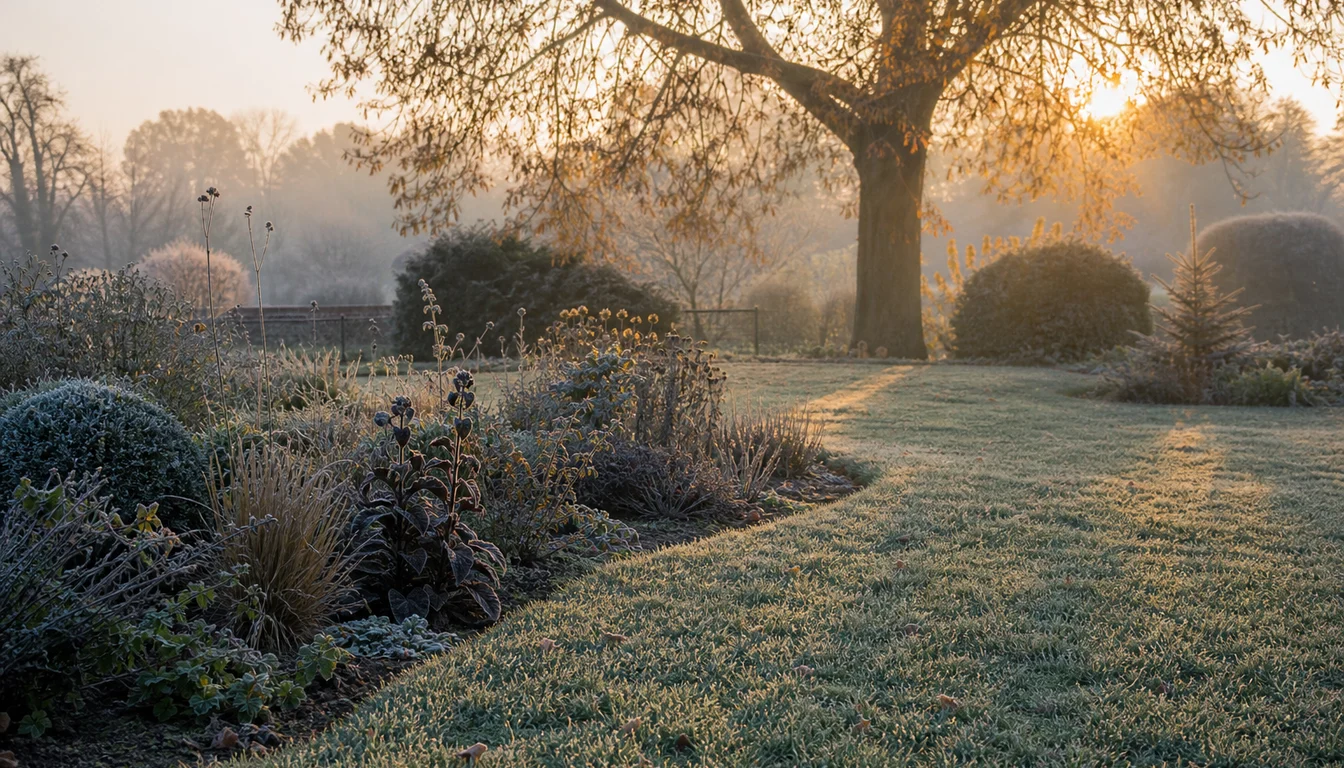
- Last spring frost: The date when you still have about a 50 percent frost chance
- First fall frost: Typical date your lows first hit 32 F again
- Growing season length: Days between last and first frost
- Zone vs. frost date: Zone is long-term cold minimum, frost date is yearly timing
Find Frost Dates for Your Exact Zip Code
Online frost calculators use weather station data tied to your zip code. They return average last and first frost dates plus risk levels, often at 10, 30, and 50 percent probabilities for each.
Pick a reputable source that explains which weather stations and time ranges it uses. That matters more than cute graphics, because you want data based on at least 20 to 30 years of records for your area.
Most tools will also show your growing season length. That span is critical for long-season crops like watermelon vines or pumpkins sprawling in the yard, and for deciding if you should choose seed or sod for a new lawn in short-season areas.
In very cold areas such as zone 3 regions, the growing season may only run 90 to 110 days, so cool-season lawns and hardy shrubs do most of the heavy lifting. Warmer spots like zone 9 climates often see 250 or more frost-free days, which favors warm-season grasses and long-season veggies.
Always jot down both the 50 percent date and a more conservative 10 percent date, so you can choose how much risk you are willing to take.
- Enter zip code: Use a long-term frost date calculator
- Record last frost: Note 50 percent and 10 percent risk dates
- Record first frost: Do the same for fall frost numbers
- Note season length: Days between those 10 percent risk dates
Adjust Dates for Your Yard's Microclimate
Two neighbors with the same zip code can see frost on different nights. Low spots, wind exposure, pavement, and nearby water all shift how fast your yard cools or holds heat.
Cold air drains downhill and settles in hollows. If your back lawn sits in a dip compared to the street, it can freeze even when official stations show 34 F, so treat that area as if its frost date is slightly later in spring and earlier in fall.
South-facing walls, rock mulch, and pavement store heat, which helps plants like rosemary bushes or border lavender shrug off marginal frosts. North-facing shade or spots open to wind act more like a cooler zone, closer to how zone 5 gardeners experience spring.
Urban yards surrounded by buildings behave warmer than open country lawns. We often plant tender annuals near a house foundation a week earlier than we risk the same plant out in an exposed vegetable patch.
Walk your yard on a clear, cold night and note where frost settles first and where grass stays wettest. Those spots tell you how to tweak your frost dates.
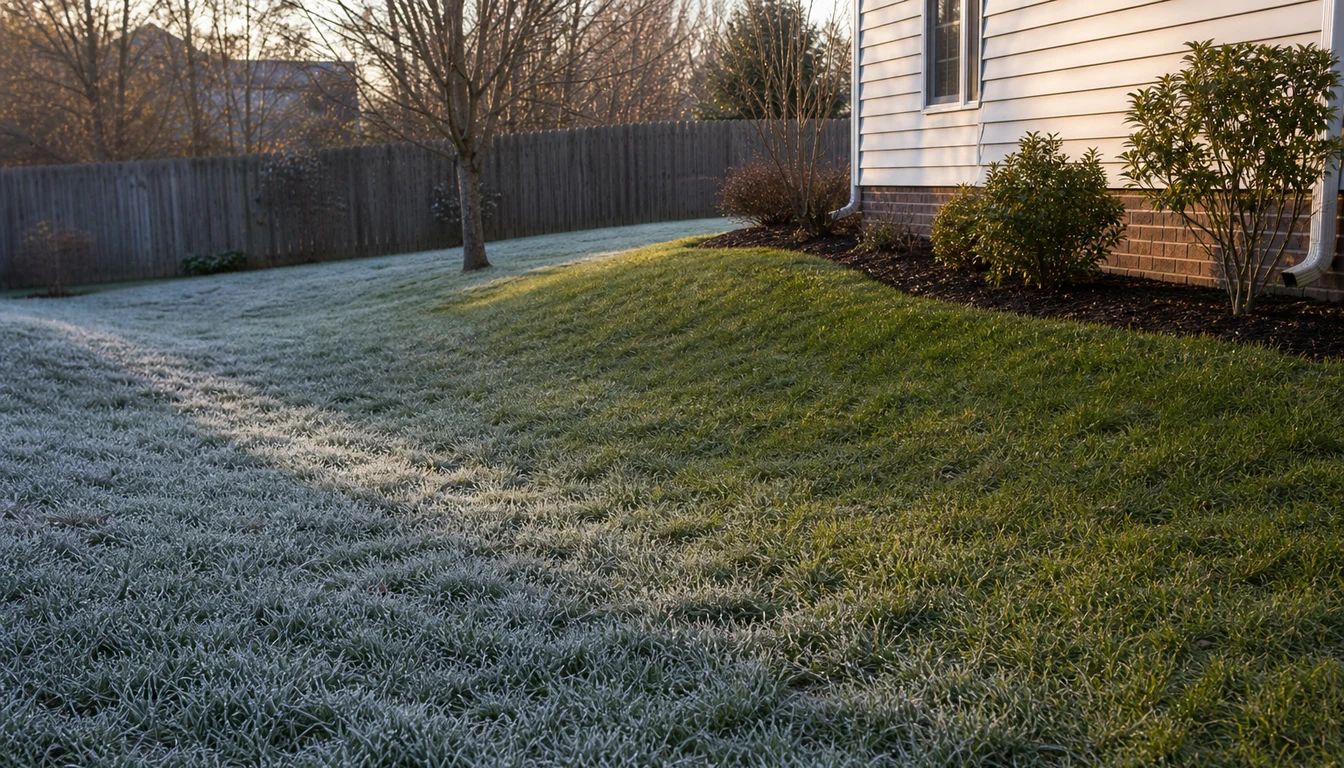
- Low pockets: Add 7-10 days of caution beyond average frost dates
- Near buildings: You can sometimes plant 5-7 days earlier
- Windy corners: Protect or delay planting cold-tender plants
- Shady lawns: Treat them like they are half a zone colder
Turn Frost Dates into a Lawn and Garden Calendar
Once you know your last and first frost, you can work backwards and forwards to set real dates for lawn projects and planting, instead of guessing based on month names.
For cool-season lawns like kentucky bluegrass or tall fescue mixes, spring overseeding usually happens about 4-6 weeks before your last frost, as soon as soil is workable. Fall seeding sits 6-8 weeks before your first frost so roots can grab hold.
Warm-season grasses including zoysia lawns and st. augustine turf go in later. We typically wait until soil hits the mid 60s, often 2-4 weeks after the average last frost date, especially in areas more like zone 6 climates.
Vegetable planting follows similar logic. Cool crops such as kale and spring peas can hit the garden weeks before your last frost. Heat lovers such as basil, pepper, and slicing tomatoes go outside 1-3 weeks after, when nights stay reliably above 45-50 F.
Use your last frost date as Day 0, then build a simple chart counting weeks before and after for seeding, fertilizing, and planting.
- 8-10 weeks before: Start long-season seeds indoors
- 6-8 weeks before: Overseed cool-season lawns and plant hardy perennials
- 0-3 weeks after: Plant warm-season veggies and start warm-season grass work
- 6-8 weeks before first frost: Fall seeding and feeding to strengthen turf
Use Frost Dates To Time Lawn Projects
Cool soil around your average frost date sets the pace for most lawn work. Grass roots still grow when air feels chilly, as long as soil stays above about 50 F.
Warm-season grasses such as bermuda in full sun slow way down once nights drop near that mark.
Knowing this, you can back your big projects off your zip code frost date instead of guessing by month. Core aeration timing, dethatching, and heavy overseeding all stress turf, so you want several weeks of solid root growth afterward.
For cool-season lawns like kentucky bluegrass lawns, the fall first frost date is more useful than spring. That is your last safe window for seeding and fertilizing before real cold dormancy.
Heavy lawn work closer than two weeks to your local frost date can leave roots exposed going into winter.
- Core aeration: Schedule 4-6 weeks before average first frost for cool-season grass
- Overseeding: Aim for 6-8 weeks before first frost to get good germination
- Topdressing: Plan sand or compost applications right after overseeding while soil is warm
- Fertilizing: For cool-season lawns, apply your fall fertilizer 3-5 weeks before first frost
Warm-season lawns such as zoysia yards rely more on the last spring frost date. Avoid scalp mowing, dethatching, or big fertilizer pushes until night temps are steadily above 55 F for two weeks.
If you are following a full schedule like the year-round lawn calendar, plug your own frost dates into the month-by-month suggestions so timing fits your climate, not a generic list.
Protect Grass And Beds When Frost Arrives
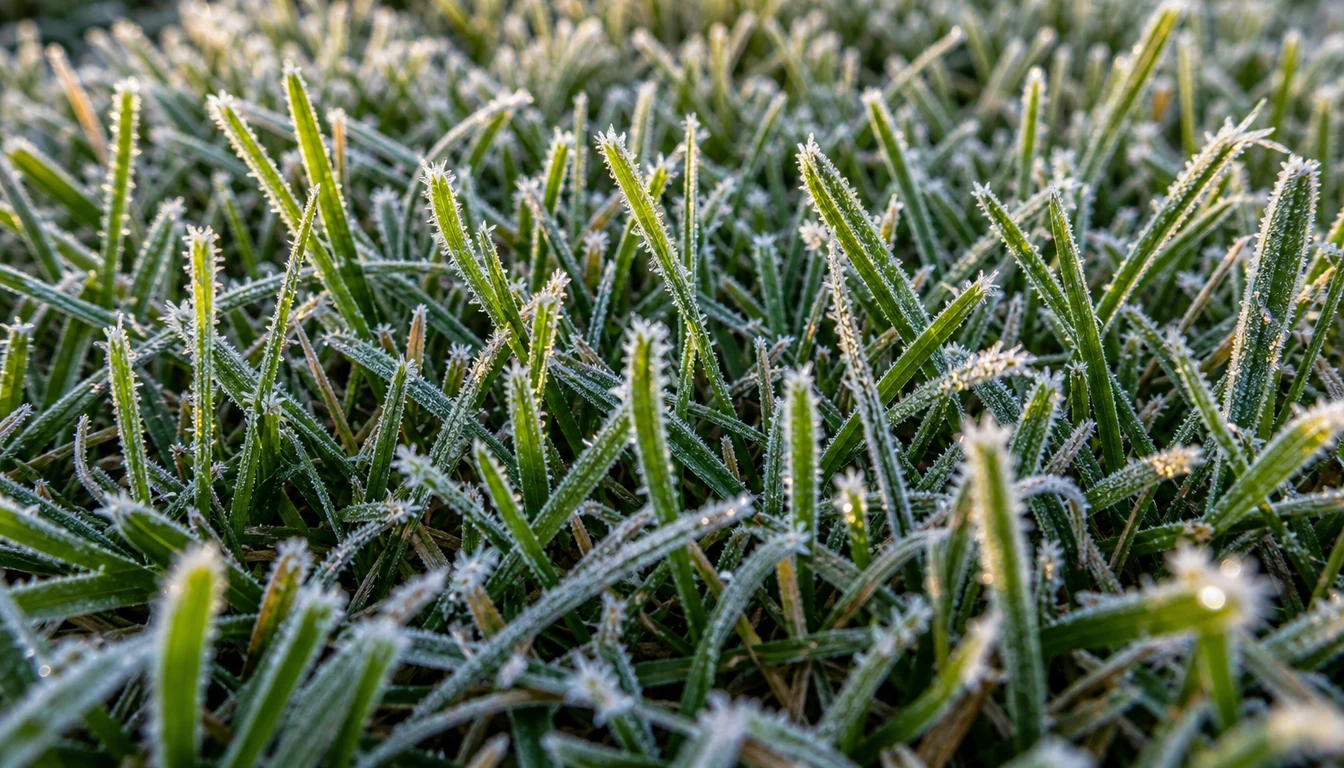
The first light frost usually looks worse than it is for established turf. Ice crystals on the blades can cause cosmetic burn, yet roots are fine if soil has not frozen solid.
New grass seedlings or tender annuals around the lawn need more help on those first cold nights.
Covering the right areas is cheaper than trying to blanket the whole yard. Focus on thin patches you recently overseeded and raised beds with young plants like spinach starts or fall broccoli transplants.
Use your average first frost date as the point to get supplies ready, not as the night you finally react.
Never cover grass or plants with plastic that touches foliage, because it traps moisture and can freeze-burn leaves.
- Frost blankets: Lightweight fabric to drape over beds or new lawn sections overnight
- Garden staples: Metal pins or bricks that keep covers from blowing off in wind
- Old sheets: Quick backup covers for tender shrubs or containers on surprise cold snaps
- Bucket or tote: Toss small rosemary pots or basil containers inside for transport indoors
For very late warm spells after your first frost, do not rush to yank every warm-season annual. Some, like lantana borders, bounce back after a light freeze if roots stay warm.
Treat the first frost as a warning shot, not the final curtain call for your yard.
Frost Dates For Veggie, Flower, And Tree Timing
Vegetable and flower planting dates all tie back to your last spring frost. Seed packets for tomatoes, beans, and other warm lovers say things like plant 1-2 weeks after last frost.
That phrase only makes sense if you know the real date for your zip code and have adjusted it for your yard.
Cool-season crops such as pea vines, spinach greens, and broccoli heads get planted before the last frost. Many handle light freezes just fine and even taste sweeter afterward.
Warm-season crops such as tomato transplants, pepper plants, and cucumber vines stall or die below 32 F, so they always wait until after.
- 8-10 weeks before last frost: Start warm seeds indoors, or grab small plugs later
- 4-6 weeks before last frost: Direct-sow hardy crops like Radish rows and beet rows
- 1-2 weeks before last frost: Plant very hardy sets such as onion starts and seed potatoes
- 1-2 weeks after last frost: Move out tender plants, using a gradual hardening routine
Perennials and woody plants care more about deep freeze than just frost. Shrubs like boxwood hedges and azalea shrubs should be planted when soil is workable and not mushy, even if night temps flirt with freezing.
Flower bulbs also key off frost. Spring bulbs like tulip bulbs and daffodil clumps go in 4-6 weeks before your ground freezes hard, which is usually several weeks after the first killing frost.
Fall bloomers, including garden mums and aster patches, get planted after summer heat but early enough that they root before that first hard freeze line on your calendar.
Common Frost Date Mistakes To Avoid
The biggest frost-date mistake is treating the average like a promise. A 30-year average does not stop an early Arctic blast from wiping out fresh transplants or burning new grass.
Build a buffer of at least 7-10 days on each side for tender plants.
Another common issue is ignoring soil temperature. Grass seed and many veggies care more about soil warmth than the number of frosts you have had. Cool, wet ground after your official last frost can still rot seeds.
- Planting right on the date: Treating the last frost day as a green light for tomato seedlings instead of waiting for a mild forecast
- Skipping hardening off: Moving indoor vines or veggie trays straight outside, then blaming a mild frost when sun and wind were the real shock
- Trusting one app: Relying on a single website and never comparing it to your state extension frost tables
- Ignoring elevation: Using data from the nearest big city even though your house sits several hundred feet higher
If you live in a frost pocket or valley bottom, your real frost date can run 7-14 days earlier than the official airport reading.
Some folks also confuse hardiness zones with frost dates. Zones like Zone 5 or Zone 8 describe average winter lows, not specific spring and fall frost timing.
Comparisons such as annual versus perennial choices still matter, yet frost dates decide exactly when each one goes in or out of the ground.
Advanced Frost Planning For Serious Yard Nerds
Once you use frost dates for a year or two, you can sharpen them using your own records. A simple notebook or spreadsheet beats any generic chart for your specific property.
Mark down first frost, last frost, and notes about what lived or died each season.
If you already run a tight schedule for tasks like overseeding thin areas, that same record can include frost and soil temperatures. Over a few years, patterns appear that tell you how aggressive you can be.
Your own 5-year notes will always beat a 30-year regional average posted online.
- First visible frost: Date you first see ice on the lawn or car windshield
- Last damaging frost: Last night that harms tender plants like hydrangea buds
- Soil temp at 2 inches: Morning reading in a shaded garden bed and in open turf
- Project results: How new fescue seedlings or zoysia plugs handled the timing
If you grow a lot of edibles, you can pair these records with feeding notes from vegetable garden fertilizer timing. That way, frost, soil warmth, and nutrients all line up.
People in windy or exposed sites may also want to factor in chill from the north or west. A row of arborvitae windbreaks or a fence can shift how cold air settles and may let you cheat a few days on tender shrubs.
For indoor growers, frost dates still set when patio houseplants head back inside. Give plants like snake plant containers a few weeks of reduced water before you bring them in so they are less prone to pests and rot in cooler indoor light.
Pro Tips
- Print your last and first frost dates and tape them inside the garage or shed door.
- Plan lawn seeding around soil temperature readings, using frost dates only as the first estimate.
- Give tender plants at least one extra week beyond average last frost if your yard sits in a low pocket.
- Use containers near warm walls for risky plants so you can drag them inside on late frost nights.
- Tie your fertilizing schedule to both frost dates and guides like vegetable feeding timing.
- Record first and last frost in a notebook each year to see how your yard runs versus the published averages.
- Stagger plantings of veggies and annuals by a week or two so one surprise frost never wipes everything out.
Frequently Asked Questions
How accurate are frost dates by zip code?
Zip code frost dates are averages based on decades of local weather data. They are good for planning but not guarantees. Always watch short-term forecasts and keep a 7-10 day buffer for tender plants and new lawn work.
Should I use my spring or fall frost date for lawn care?
Cool-season lawns use the fall first frost date more for timing aeration, overseeding, and fertilizing. Warm-season grasses use the last spring frost date to decide when to start aggressive mowing, feeding, and repair work.
Can I plant tomatoes before my last frost date?
You can start seeds indoors well before your last frost, but outdoor planting for tomato plants should wait until nights stay above freezing and the 7-day forecast looks mild. Use row covers if you must push the season.
Do hardiness zones and frost dates mean the same thing?
No. Hardiness zones describe typical winter low temperatures, not exact frost timing. Two places in the same zone can have very different last and first frost dates, so always check frost information specifically for your zip code.
How often should I update my frost date information?
Check fresh frost tables or tools every few years, since climate patterns shift over time. If you track your own frost dates at home, adjust your working dates whenever your personal records consistently run earlier or later than published averages.