Fertilizingschedule11 min read
What Is Loamy Soil and Why Gardeners Love It
Understand what loamy soil really is, how it feels, drains, and holds nutrients, plus simple ways to improve your garden soil toward loam without overcomplicating it.
Gardeners throw around the phrase "good loam" like it grows on trees. What they mean is soil that drains well, holds moisture, and feeds roots without turning into muck or dust. Loam does all three.
Once you know what loamy soil looks and feels like, you can spot problems fast and fix them with the right amendments. That matters when you are planting backyard tomatoes, laying new turf, or putting in a hedge. This guide breaks loam into plain pieces, then walks through testing and improving whatever soil you are working with.
compostLoamy Soil, In Plain English
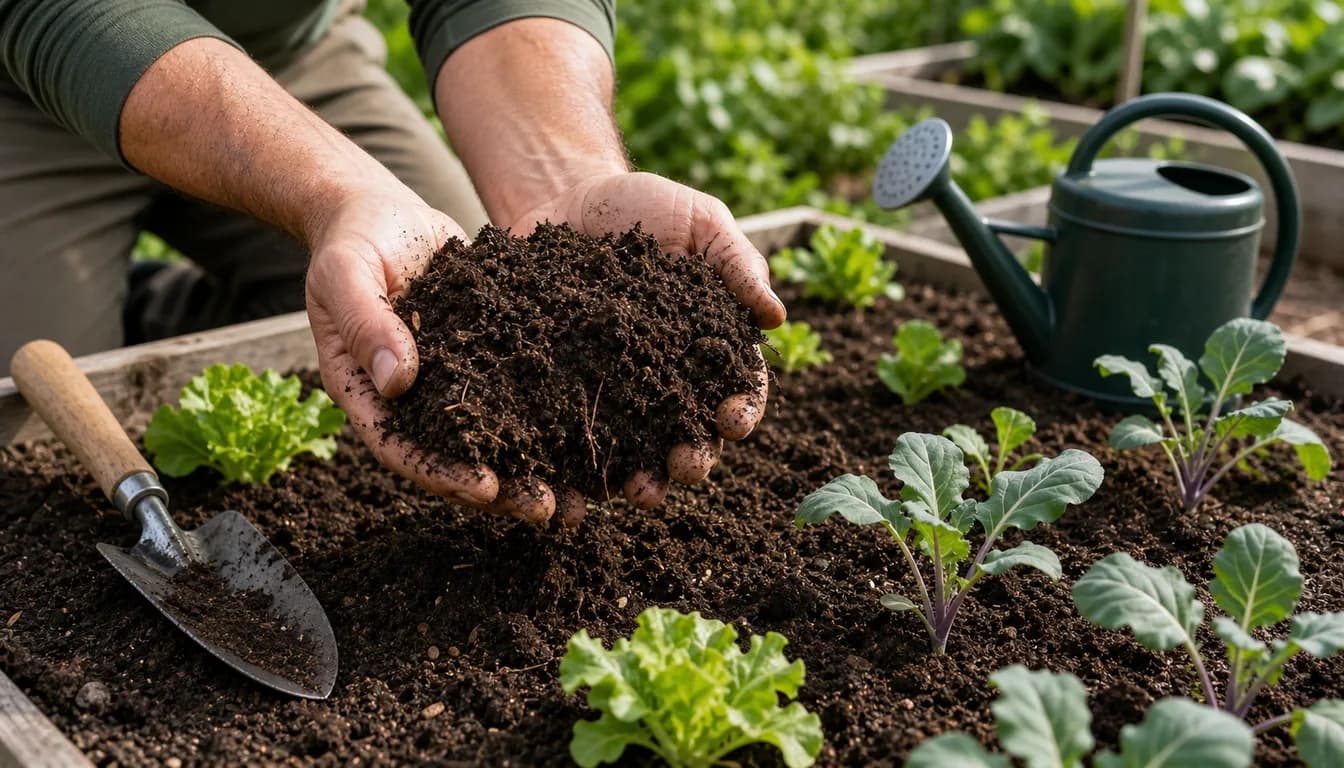
Picture a handful of soil that crumbles easily, but still holds together in a soft clump when you squeeze it. That balance between crumbly and cohesive is the feel of healthy loam.
Loamy soil is roughly a mix of sand, silt, and clay with good organic matter. The exact percentages vary, but each particle size does a job. Sand adds drainage, silt holds some nutrients, and clay grabs onto water and minerals.
The magic of loam is the structure. Tiny crumbs, called aggregates, create pore spaces for air and water to move. Roots of plants like garden roses weave through those pores instead of fighting brick-hard lumps or collapsing dust.
Most of us do not start with perfect loam. We start with sticky clay, beachy sand, or something compacted from construction. Good loam drains, holds moisture, and stays airy at the same time. You can still grow great plants by nudging native soil closer to that balance with organic matter.
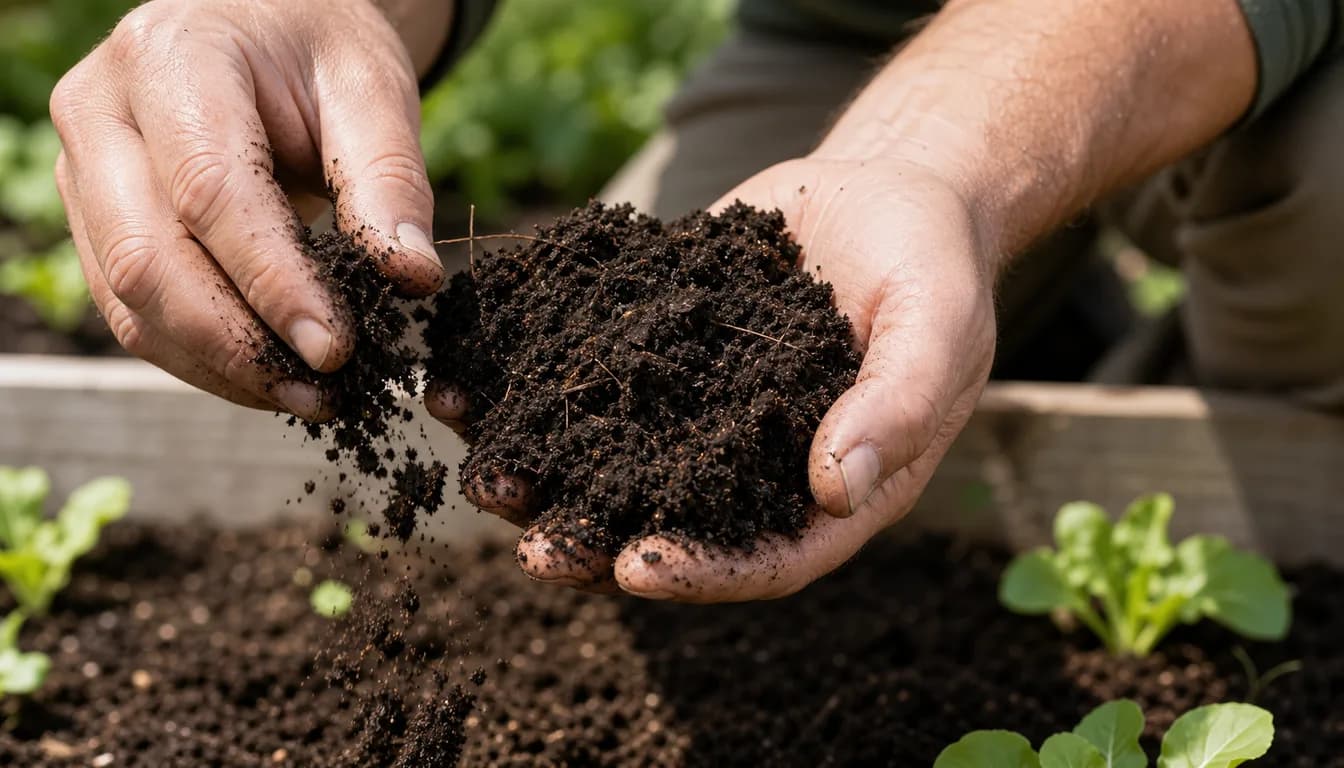
True loam holds together when squeezed, then breaks apart with a gentle poke.
ecoWhy Loam Matters For Roots And Yields
Plant roots need air as much as water. In loam, those crumbly aggregates leave 40–60% of the volume as pore space, so oxygen can reach roots and beneficial microbes stay active.
Water moves differently too; that is where loam earns its reputation. In pure sand, water rushes through before roots of shallow shrubs can drink. In heavy clay, water lingers so long that fruit-tree roots can literally drown. Loam slows water just enough that it soaks in, then drains without puddling.
Nutrients ride on organic matter and clay particles. Because loam has both, it buffers feeding. You are less likely to burn flowering shrubs with fertilizer or starve them between doses.
For lawns, loam is the difference between shallow, thirsty roots and deep turf that handles heat. Deep-rooted grasses like sunny bermuda lawns respond especially well to loamy, well-aerated soil under them.
Guide — See AlsoWhen to Fertilize Trees and Shrubs Without Pushing Weak GrowthLearn the best time to fertilize trees and shrubs, how timing changes for flowering shrubs, evergreens, and fruit trees,
chevron_rightscienceHow To Tell If Your Soil Is Loamy
You do not need lab gear to judge soil texture. A quick squeeze in your hand and a simple jar test already tell you a lot.
Start with the feel test. Take a small handful of moist (not sopping) soil from 4–6 inches deep. Squeeze it into a ball, then open your hand. Loam forms a soft ball that cracks when poked. Pure sand falls apart. Heavy clay stays in a slick, solid lump.
Rub a pinch between your fingers. Gritty means sand, silky means silt, sticky and smearable means clay. Loam feels slightly gritty and smooth at once. Gardeners who grow picky plants like large peony clumps get good at noticing this subtle mix.
For a closer look, use the jar test.
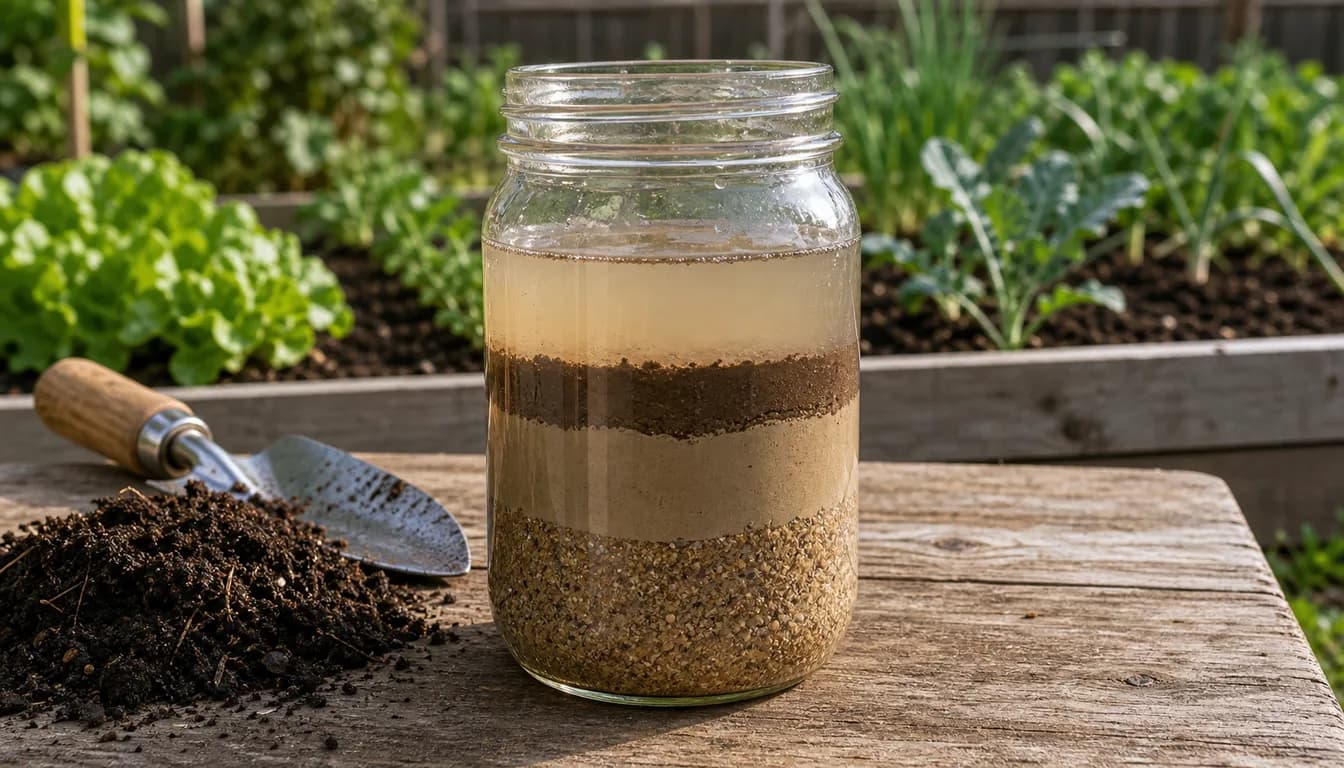
A jar test gives a rough picture of your sand, silt, and clay balance.
- fiber_manual_recordFill a jar: Use a clear quart jar, half full of soil, topped with water.
- fiber_manual_recordShake hard: Shake for 2–3 minutes to fully suspend particles.
- fiber_manual_recordLet it settle: Sand drops in minutes, silt in hours, clay may take a full day.
- fiber_manual_recordMeasure layers: A loam will show noticeable layers of each, with none dominating the jar.
Email Updates
Join the KnowTheYard update list
Zone-specific advice, seasonal reminders, and new plant guides — no filler.
yardCommon Soil Types Compared To Loam
Most yards lean strongly sandy or clay-heavy, with loam sitting in the comfortable middle. Knowing which side you are on tells you how to nudge things in the right direction.
Sandy soils are light, gritty, and dry out fast. Water runs straight through, taking nutrients with it. Garden beds for crops like straight carrot roots often start sandy, then need extra compost to hold moisture and food.
Clay soils feel dense and sticky when wet, and crack when dry. They hold nutrients but stay soggy easily. Shrubs such as foundation boxwoods struggle when their roots sit in cold, wet clay in spring.
Some spots are silty, especially near old streams. Silt feels smooth, like flour when dry and slippery when wet. It can compact and crust, but with organic matter it moves toward a loam that is easy to dig.
Avoid guessing based only on how "heavy" a shovel feels. Do the feel and jar tests so you know which traits, drainage or water holding, you are trying to fix.
Guide — See AlsoMake Homemade Vegetable Fertilizer That Actually WorksLearn how to mix safe, effective homemade vegetable fertilizer from common ingredients, when to use each type, and how t
chevron_rightcompostHow To Improve Soil Into Loam
Turning what you have into something close to loam is usually cheaper than hauling in new soil. The trick is to add organic matter every year and avoid anything that crushes soil structure.
Sandy soil needs ingredients that hold water. Heavy clay needs ingredients that open it up. Compost helps both, which is why gardeners talk about it so much.
Start by spreading 1–2 inches of finished compost over the top of your beds. Mix it into the top 6–8 inches of soil with a fork or broadfork, not a tiller.
For vegetable rows, this is a good time to follow basic bed prep steps so you do not repeat work.
On clay, add extra rough material like shredded leaves or fine wood chips along with compost. On pure sand, mix in compost plus coconut coir or well-rotted manure for more water holding.
For lawns over clay, topdress with ¼–½ inch of screened compost once or twice a year. Pair that with core aeration so the compost drops into the holes.
Tree and shrub beds around flowering shrubs or acid loving evergreens like a similar approach. Spread compost under the canopy and lightly fork the top couple inches instead of deep digging.
Raised beds are the fast track to loam when native soil is terrible. Aim for a mix close to 40% topsoil, 40% compost, 20% coarse material like pine bark fines.
Skip “topsoil” bags that feel heavy and sticky when squeezed. They often contain a lot of fine clay that smears and compacts.
If you bring in bulk topsoil, check a sample with the jar test and squeeze test first. One bad truckload can undo years of work on drainage and texture.
Plan on repeating compost additions yearly for at least 3–5 seasons. Loamy structure builds slowly, then becomes much easier to maintain than to create from scratch.
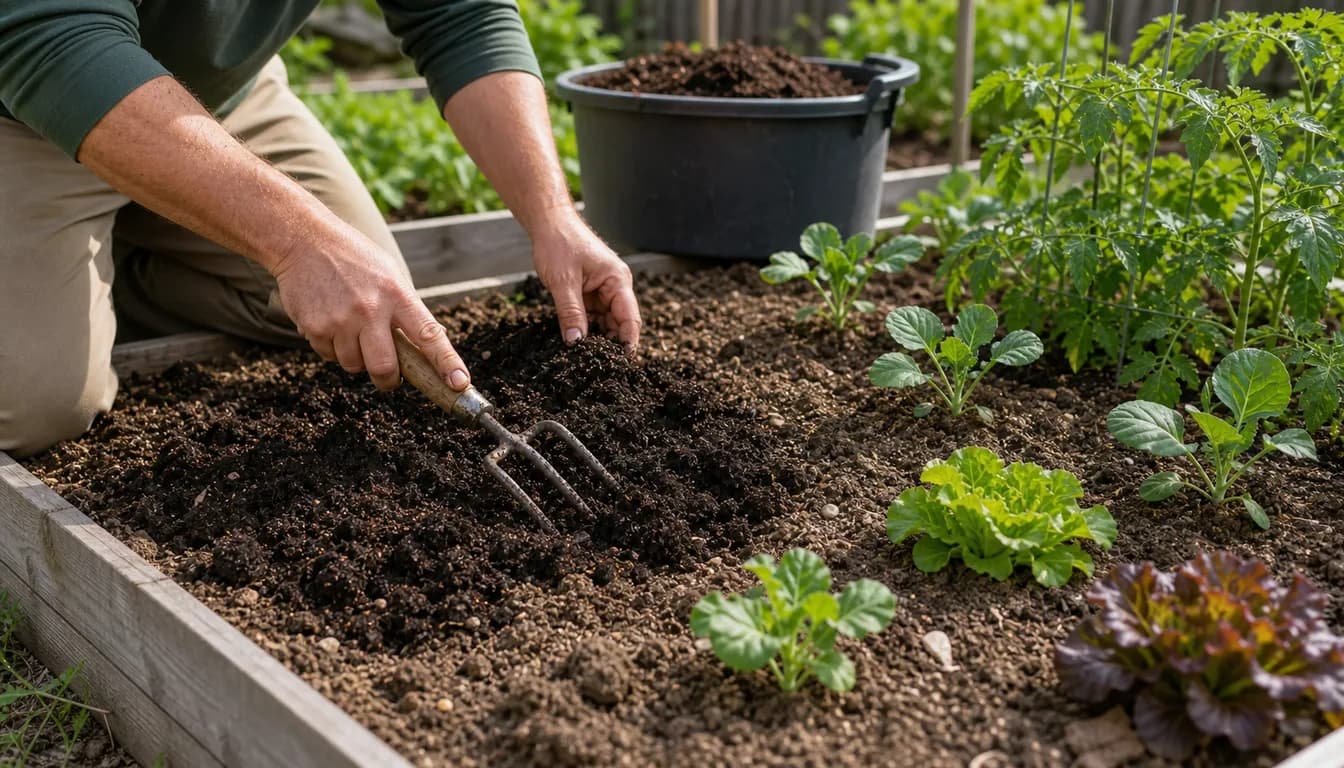
Regular compost additions slowly move sticky clay or loose sand toward a loamy texture.
calendar_monthTiming Loam Fixes By Season
Soil work has a sweet spot on the calendar. You want to dig and amend when ground is workable, but plants are not stressed by heat or deep cold.
In most zone 5–8 yards, that means early spring and mid to late fall. Warmer zone 9–11 gardens can stretch work later into winter if soil is not waterlogged.
Spring is the time for deeper mixing before you plant heavy-feeding vegetables and annual flowers. Spread compost, rake it in, and let spring rains settle everything.
If you are converting a new bed near established hedging shrubs, do major digging before they leaf out. Roots handle disturbance better before they are pushing new growth.
Summer is not ideal for heavy turning, especially on clay. Digging then can create hard clods that bake into bricks. Focus on mulching and watering patterns instead of deep soil surgery.
Fall is your best window for bigger texture changes. Add 2–3 inches of shredded leaves or compost, work it lightly into the top layer, then cover bare ground with 2–3 inches of mulch.
Fall additions have months to break down before spring planting. Perennials like shade clumps respond with denser roots and better blooms next year.
Winter is planning and testing season. Run a jar test on different beds and send a sample for a lab test, especially if you are also planning fertilizer changes for veggies.
Never work very wet soil, no matter the season. Footprints that fill with water are a sign to back off until it firms up.
If you are in colder zone 3–4, prioritize fall for deep amendments so you are not wrestling frozen or soggy ground in spring. In hot zone 9–11, early spring and late fall protect you from brutal summer heat.
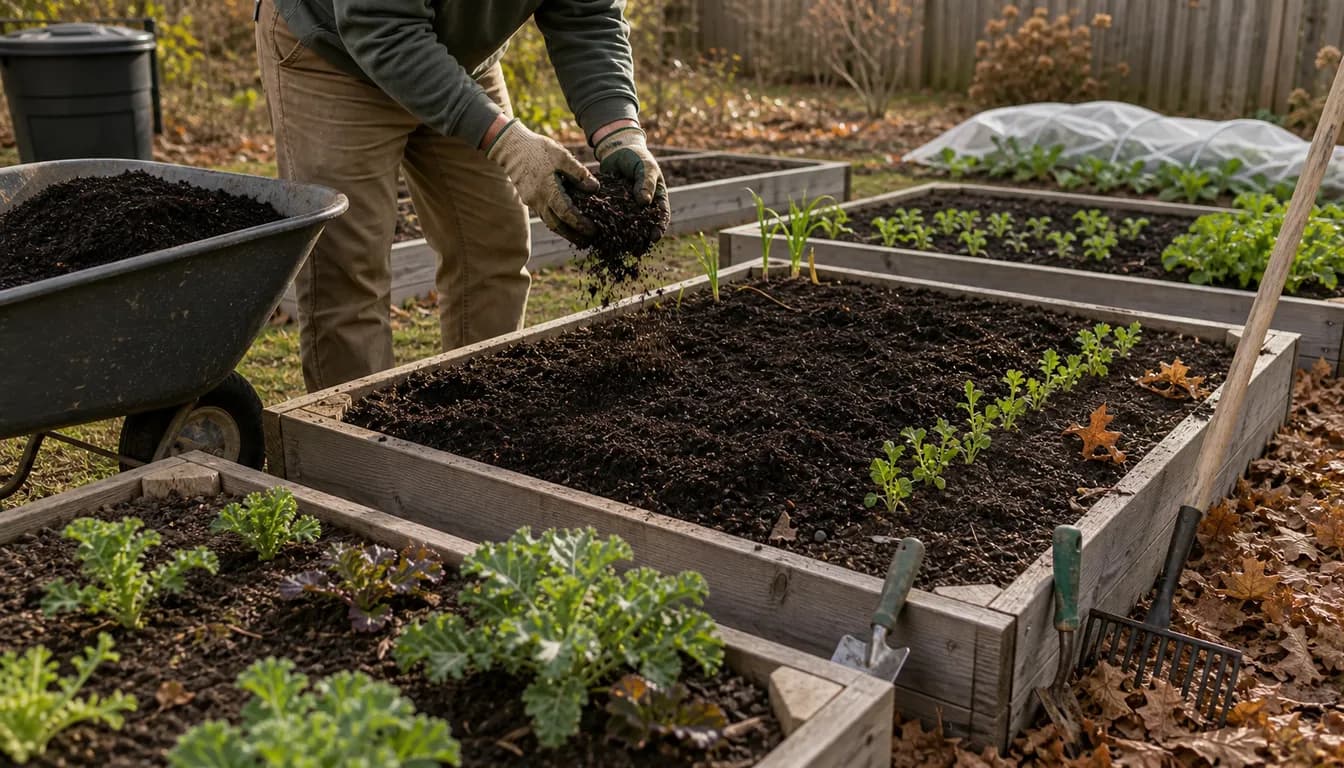
Spring and fall are the best windows for deep soil work before plants are stressed by heat or cold.
Guide — See AlsoBest Time to Fertilize Your Lawn Around RainfallLearn exactly how to time lawn fertilizing with rain so you do not waste product, burn grass, or pollute runoff.
chevron_rightscienceFertilizing Plants In Loamy Soil
Loam changes how fertilizer behaves. It drains better than clay but holds nutrients longer than sand, so you can usually feed less often with more consistent results.
Because loam already stores a fair amount of nutrients, starting with a soil test saves money. Over-fertilizing is common in beds that already have good structure.
For new vegetable beds, mix 1–2 inches of compost into the top 6–8 inches each spring. Then use a balanced granular fertilizer at the rate on the bag, usually 1–2 pounds per 100 square feet.
Heavier feeders like sweet corn rows and indeterminate tomatoes appreciate a sidedress midseason. Scratch fertilizer into the top inch, 4–6 inches away from stems, then water deeply.
Flower beds with plants such as repeat blooming roses or long blooming perennials respond best to light, regular feeding. Use slow-release granules once in spring and again in mid summer.
Container mixes that mimic loam still leach faster than garden beds. Houseplants in peat based mixes, like shade tolerant foliage or drought-tolerant pots, usually need more frequent, weaker feedings.
Indoor growers can match their soil type to product choices using indoor fertilizer recommendations instead of guessing from garden formulas.
Trees and shrubs in loamy ground rarely need frequent fertilizer if you keep a 2–4 inch mulch layer and add compost yearly. Use targeted feeding only if they show clear deficiency or a soil test calls for it.
More nitrogen will not fix poor texture. If plants are pale in waterlogged or bone-dry soil, address structure before adding extra fertilizer.
Good loam lets you cut back on fertilizer while keeping strong growth. That is easier on your budget and on nearby streams that catch runoff.
warningCommon Loam Mistakes To Avoid
Good loam is surprisingly easy to ruin. Most damage comes from pressure, over-tilling, or adding the wrong materials in the wrong amounts.
Steady foot traffic and wheelbarrows over the same path compress pore spaces. That removes the air roots need, even if the soil started as textbook loam.
Create permanent paths between rows or beds and keep feet there. Consider wood chips or stepping stones next to long rows of climbing beans you harvest often.
Over-tilling is just as rough. Running a rototiller several times a year grinds soil into powder and collapses structure when it gets rained on again.
Once you have a loose, crumbly feel, switch to shallow stirring instead of full depth tilling. A hoe, fork, or broadfork is enough for working in yearly compost.
Fresh wood chips mixed into the planting zone steal nitrogen while they break down. That can stall new starts like cool season brassicas or young fruiting groundcovers.
Keep coarse wood chips on top as mulch only. Use compost, leaf mold, or well-rotted manure for anything you mix into the root zone.
Cheap "topsoil" that is mostly fine clay or construction fill is another trap. It might look dark in the pile, then turn to sludge in a rain.
Always do a quick squeeze and ribbon test on any new bulk soil. If it smears like putty, skip it.
Finally, do not strip away all mulch every spring. A thin layer protects structure from pounding rain and sun, especially over beds of tough perennials and shrub borders.
Guide — See AlsoGrow Strong St Augustine Grass in Shady YardsPractical steps to keep St Augustine grass thick and healthy in partial shade, including light limits, pruning, watering
chevron_rightlightbulbAdvanced Tweaks For Specific Plants
Even within loam, some plants like things a bit sandier or a bit more moisture retentive. You can nudge texture in parts of a bed without rebuilding everything.
Mediterranean herbs such as drought loving herbs and woody seasoning plants prefer leaner, faster draining spots. In their planting holes, mix extra coarse sand or fine gravel into the existing loam.
Heavy feeders like fruiting peppers like rich, moisture-holding loam. In those rows, bump compost to 2–3 inches and add a thin layer of well-aged manure.
Berry beds for acid loving shrubs need both loamy texture and lower pH. Mix in pine bark fines or peat around each planting hole instead of changing the whole yard.
Lawns planted with deep rooted turf respond well to regular core aeration. That keeps loam from sealing over and lets organic topdressing sift down.
If you are planning new beds of long lived fruit trees or stone fruits, spend extra time tuning texture first. These roots will live in that soil for decades.
Gardeners who like side by side experiments can compare textures, similar to bed style comparisons, by amending half a row differently and watching yield and watering needs.
Keep notes on what mix you used where. Future you will not remember whether the left or right side of the bed got extra sand or compost.
Over a few seasons, you will learn which tweaks your mix of shrubs, perennials, and edible rows really respond to. That beats guessing based only on generic bag labels.
tips_and_updates
Pro Tips
- check_circleDig test holes after heavy rain and watch how fast water disappears to judge drainage realistically.
- check_circleTreat each bed or lawn section as its own soil, since fill dirt and construction can change texture in patches.
- check_circleAdd 1–2 inches of compost yearly instead of one huge dumping that buries roots too deep.
- check_circleGrow deep-rooted crops like pole beans to naturally open up tight soils over a season.
- check_circleMulch with shredded leaves to build loam slowly while keeping soil moisture more even.
- check_circleTest soil pH every 3–4 years so fertility issues are not blamed on texture alone.
- check_circlePlan thirsty plants like bigleaf hydrangeas in slightly heavier beds and drought-tolerant plants in sandier spots.
quiz
Frequently Asked Questions
Is loamy soil the same as topsoil?expand_more
Not always. Some topsoil is loamy, but bagged or bulk "topsoil" can also be mostly sand or clay. Always test a small sample with the squeeze test and a quick jar test instead of trusting the label.
How long does it take to turn clay into loam?expand_more
Expect at least 3–5 years of steady compost and mulch additions before clay feels close to loam. You will see small improvements each season, but full depth change takes time as organic matter works down and aggregates form.
Do I still need compost if my soil is already loamy?expand_more
Yes, but you can usually add less. A yearly layer of 1 inch of compost maintains structure, feeds soil life, and replaces nutrients plants and rain remove without needing heavy fertilizer.
Is loamy soil good for houseplants too?expand_more
Houseplants prefer potting mixes that act like loam but stay lighter, usually peat or coir with perlite. Garden loam is too heavy in containers, so use mixes designed for indoor pots and adjust watering instead.
Can I overwater plants in loamy soil?expand_more
Yes. Loam drains better than clay, but it can still stay wet enough to cause root rot if you water too often. Use finger checks or moisture meters and adjust by season, especially for potted and shallow-rooted plants.
menu_book
Sources & References
Related Guides
Benefits of Composting for Healthier Soil and Plants
Learn how composting turns kitchen scraps and yard waste into free fertilizer, improves soil, and boosts plant health in any size garden.
12 min read
Best Fertilizer for Indoor Plants
Learn how to choose the best fertilizer for indoor plants by growth style, season, and pot size without burning roots or overfeeding slow growers.
14 min read
Best Fertilizer for Vegetables by Garden Type
Learn how to pick the best fertilizer for vegetables by crop group, soil condition, and garden setup so you feed beds, rows, and containers without wasting nutrients.
11 min read