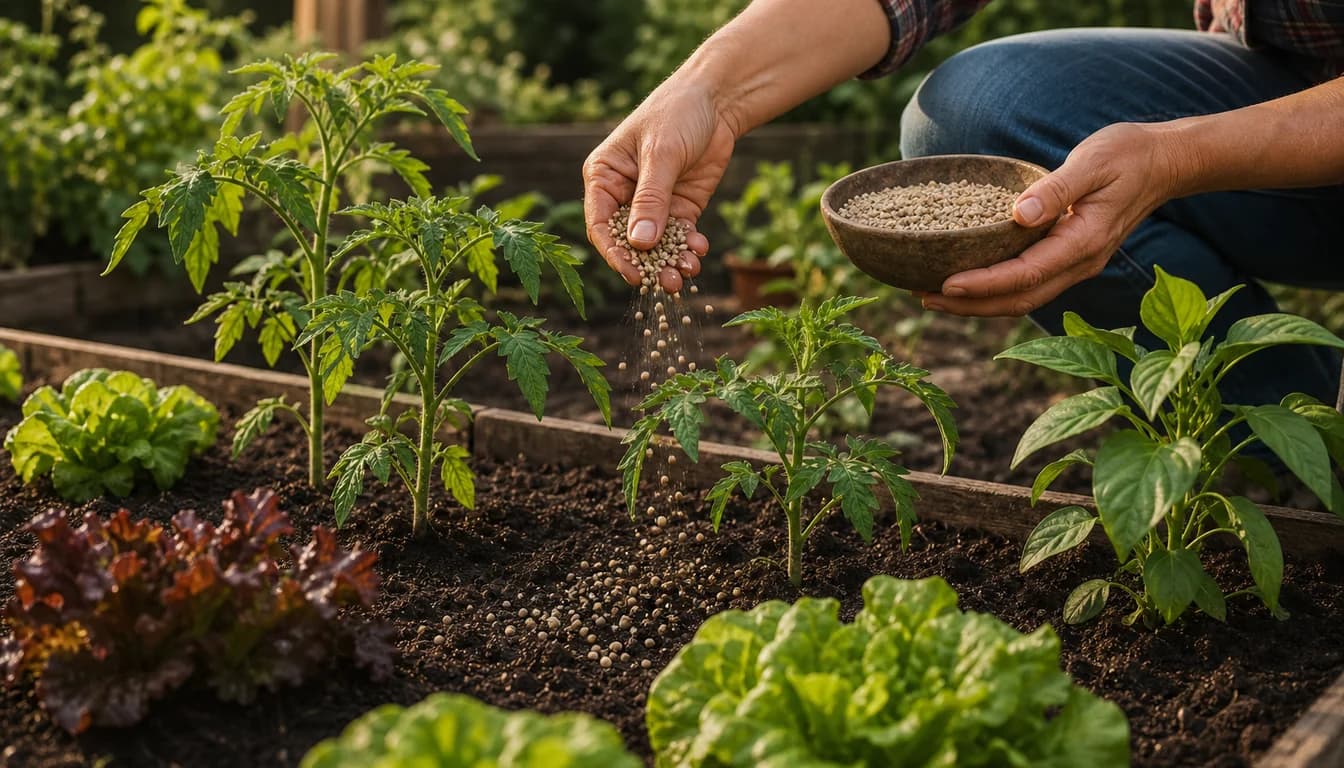
Fertilizingschedule11 min read
Vegetable Garden Fertilizer Chart by Crop and Season
Use this vegetable garden fertilizer chart to match NPK, timing, and rates to each crop so you feed enough for strong growth without burning roots or wasting money.
Fertilizer confusion ruins a lot of good vegetable beds. The bags all look the same, every crop has different needs, and overdoing it can burn roots or give leafy vines with no fruit. A simple chart cuts through that noise.
This guide matches common crops like garden tomatoes, leafy greens, roots, and herbs to the right NPK ratio, timing, and approximate rates. Use it alongside our step‑by‑step feeding advice in the vegetable fertilizing walkthrough so you can feed confidently instead of guessing from the bag label. Match fertilizer by crop type, growth stage, and bed size before you open the bag.
compostHow to Read Any Fertilizer Label
Those three bold numbers on the front of the bag are your roadmap. They show nitrogen (N), phosphorus (P), and potassium (K) as percentages. A 5‑10‑10 product is 5% N, 10% P, 10% K by weight.
Nitrogen pushes leafy growth, phosphorus supports roots and flowers, and potassium toughens plants against stress. Too much nitrogen on fruiting crops like backyard peppers gives huge plants with disappointing yields.
Granular products usually act slower but last longer. Liquids work fast and are easier to fine‑tune, but they wash out quickly. Most home gardens do best with a mix of slow granular feeding plus light liquid boosts.
Organic fertilizers post lower numbers but feed longer and improve soil over time. Synthetic fertilizers are stronger per pound, so rates must be tighter. If you are torn, compare options in an organic vs synthetic breakdown before buying a season’s supply.
Always base rates on the label’s "per 100 square feet" or "per plant" directions, then match those to bed size so you do not guess by the handful.
Use the numbers below as pattern recognition before choosing a bag.
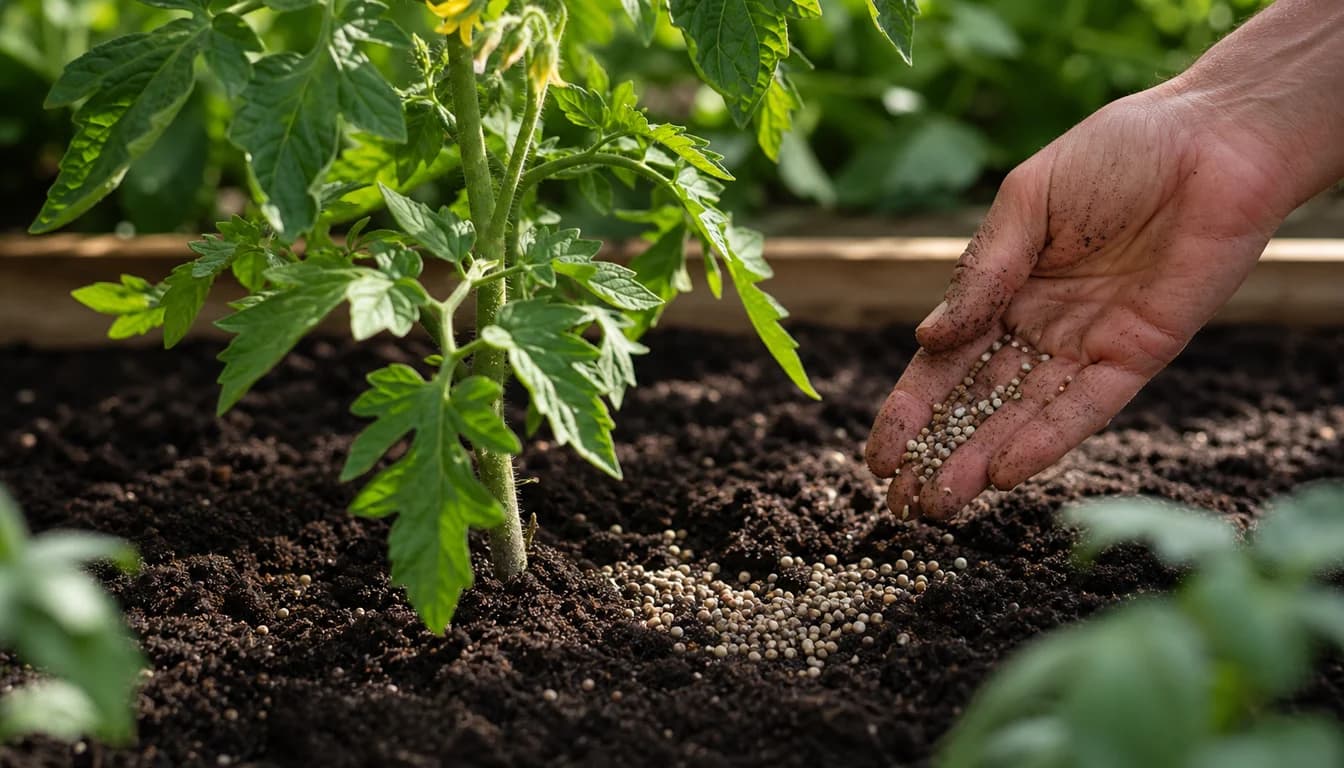
Those three big numbers on the label tell you how strong the fertilizer is and what it emphasizes.
- fiber_manual_recordHigh‑N formulas: 20‑10‑10, 21‑0‑0, and similar blends
- fiber_manual_recordBalanced formulas: 5‑5‑5, 10‑10‑10, or 4‑4‑4 organic mixes
- fiber_manual_recordBloom/fruit boosters: 5‑10‑10, 3‑9‑4, or other higher‑P blends
- fiber_manual_recordLiquid feeds: 1‑3‑1 fish, 3‑1‑2 synthetic, or compost tea
scienceVegetable Fertilizer Chart by Crop Group
Different vegetables use nutrients at different speeds. Heavy feeders like staked tomatoes and sweet corn blocks chew through nitrogen. Roots and legumes run leaner. Grouping crops by need simplifies your feeding plan.
Use this chart as a baseline, then adjust slightly for your soil test results. Sandy beds in zone 9 leach nutrients faster than clay loam in zone 5, so light soils often need smaller, more frequent doses.
| Crop group | Examples | Typical NPK | ||
|---|---|---|---|---|
| Heavy feeders | tomatoes, peppers, corn | 5‑10‑10 | ||
| Moderate feeders | cucumbers, zucchini, pole beans | 5‑5‑5 | ||
| Light feeders | carrots, radishes, beets | 2‑4‑4 | ||
| Leafy greens | spinach, kale, lettuces | 8‑4‑4 | ||
| Perennial veggies | asparagus, rhubarb | 5‑5‑5 | ||
| Herbs | basil, thyme, oregano | 3‑3‑3 |
Treat the table as a starting point, not a replacement for soil history.
This chart assumes reasonably fertile soil with compost added yearly. Very poor soil needs organic matter before any fertilizer program works well.
Guide — See AlsoWhen to Fertilize Trees and Shrubs Without Pushing Weak GrowthLearn the best time to fertilize trees and shrubs, how timing changes for flowering shrubs, evergreens, and fruit trees,
chevron_rightcalendar_monthTiming: When Each Crop Needs Feeding
Vegetables care more about timing than brand name. Most crops need one solid preplant feeding, then lighter followups during key growth stages, not constant spoonfeeding.
Coolseason crops in spring, like early peas and head cabbage, grow fast in cool soil and often finish before summer. Warmseason crops sit in the ground longer, so they use more nutrients overall.
In days 0-7, before planting, mix granular fertilizer 2-4 inches deep. Use 1-2 pounds of 5-10-10 per 100 square feet for mixed beds.
In days 14-30, once seedlings have two to three true leaves, give a halfstrength liquid feed around the root zone. This is especially helpful for transplants of garden eggplant and sweet peppers that sulk after planting.
In days 30-60, sidedress heavy feeders when vines start to run or flower buds appear. Scratch a narrow band of granular fertilizer a few inches from the stem, then water deeply.
At days 60+ and harvest, fruit crops like watermelon hills may need one more light sidedressing when fruits set. Stop nitrogen on tomatoes two to three weeks before your usual first frost so plants focus on ripening.
Skip late nitrogen on root crops. Extra nitrogen close to harvest gives big tops and skinny roots that store poorly.
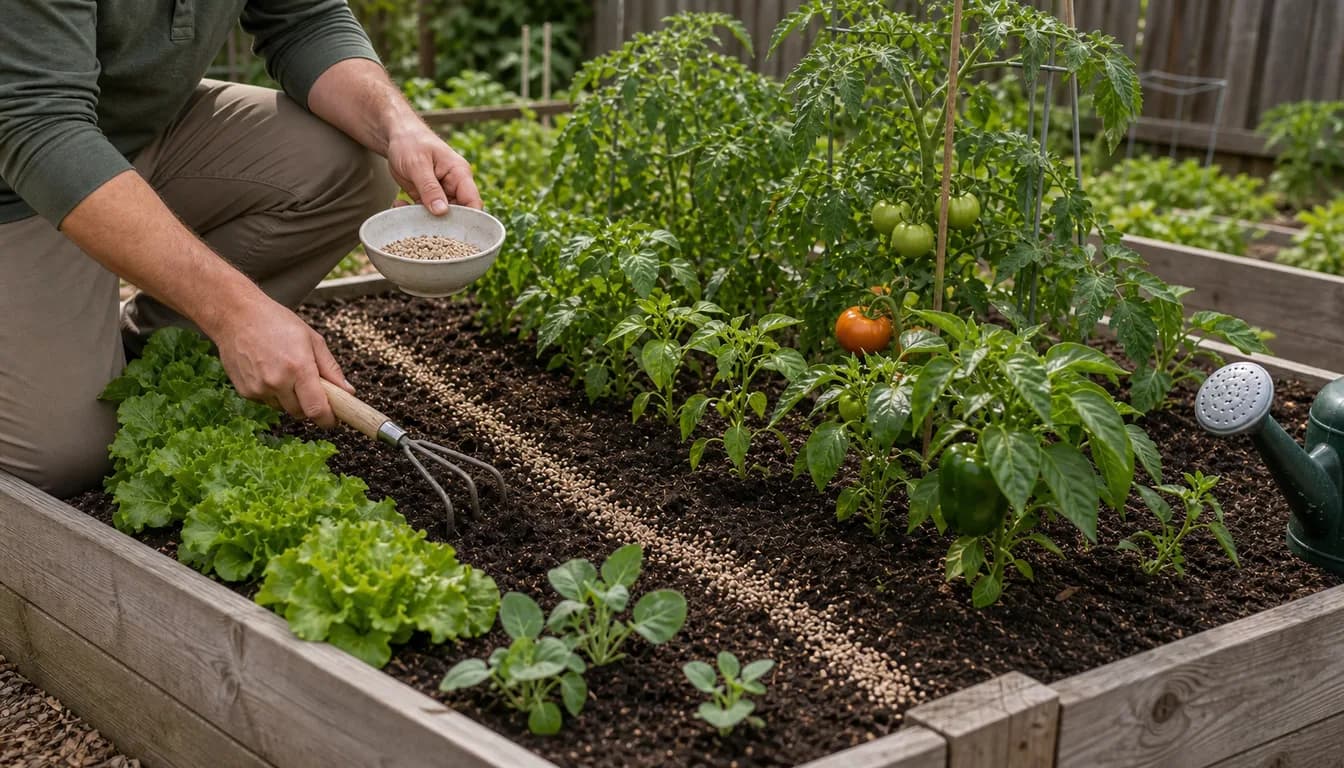
Side‑dress fertilizer in a narrow band a few inches from the stems, then water it in.
Email Updates
Join the KnowTheYard update list
Zone-specific advice, seasonal reminders, and new plant guides — no filler.
yardSample Rates by Bed Size and Container
Labels often list fertilizer amounts "per 1,000 square feet", which is useless for a 4x8 raised bed. Translating that into real beds stops guesswork and reduces burn risk.
A standard raised bed is often 4x8 feet, or 32 square feet. That is roughly onethird of 100 square feet, so you use onethird of the label's "per 100 square feet" rate.
- fiber_manual_record4x8 raised bed: Use 0.3-0.6 pounds of 5-10-10 at planting for mixed crops
- fiber_manual_record3x6 raised bed: Use 0.2-0.4 pounds of balanced 5-5-5 at planting
- fiber_manual_record25foot row of tomatoes: Apply 1-2 tablespoons of fertilizer per plant in a band
- fiber_manual_record5gallon container: Mix 2-3 tablespoons of slowrelease fertilizer into potting mix
- fiber_manual_recordEarthboxstyle planter: Follow the manufacturer's scoop directions plus a light monthly liquid feed
Containers dry out and leach nutrients faster than inground beds. That is why potted patio cucumbers and compact zucchini usually benefit from a halfstrength liquid feed every 2-3 weeks during active growth.
When switching from a lawn product to vegetables, confirm the label allows edible crops, and avoid weedandfeed blends entirely, since herbicides linger in soil and can damage edible plantings.
Guide — See AlsoWhat Is Loamy Soil and Why Gardeners Love ItUnderstand what loamy soil really is, how it feels, drains, and holds nutrients, plus simple ways to improve your garden
chevron_rightthermostatAdjusting Fertilizer for Soil Tests and Zones
Soil tests turn a generic vegetable garden fertilizer chart into a custom plan for your yard. The report usually lists pH and levels of phosphorus (P), potassium (K), and sometimes organic matter.
Low organic matter soils, common in new subdivisions, burn through nutrients faster. If your test shows under 3% organic matter, plan slightly higher nitrogen for heavy feeders like indeterminate tomatoes and sweet pepper varieties.
pH changes how well plants can use what you add. Most vegetables are happiest between 6.0 and 7.0 pH. Acidic soils near 5.5 tie up phosphorus, so leafy crops may stay pale even with decent P numbers.
Charts built for one zone do not always match another. In zone 3 with short seasons, large single feedings early matter more. By zone 9, we split fertilizer into lighter, more frequent doses to avoid midsummer salt buildup.
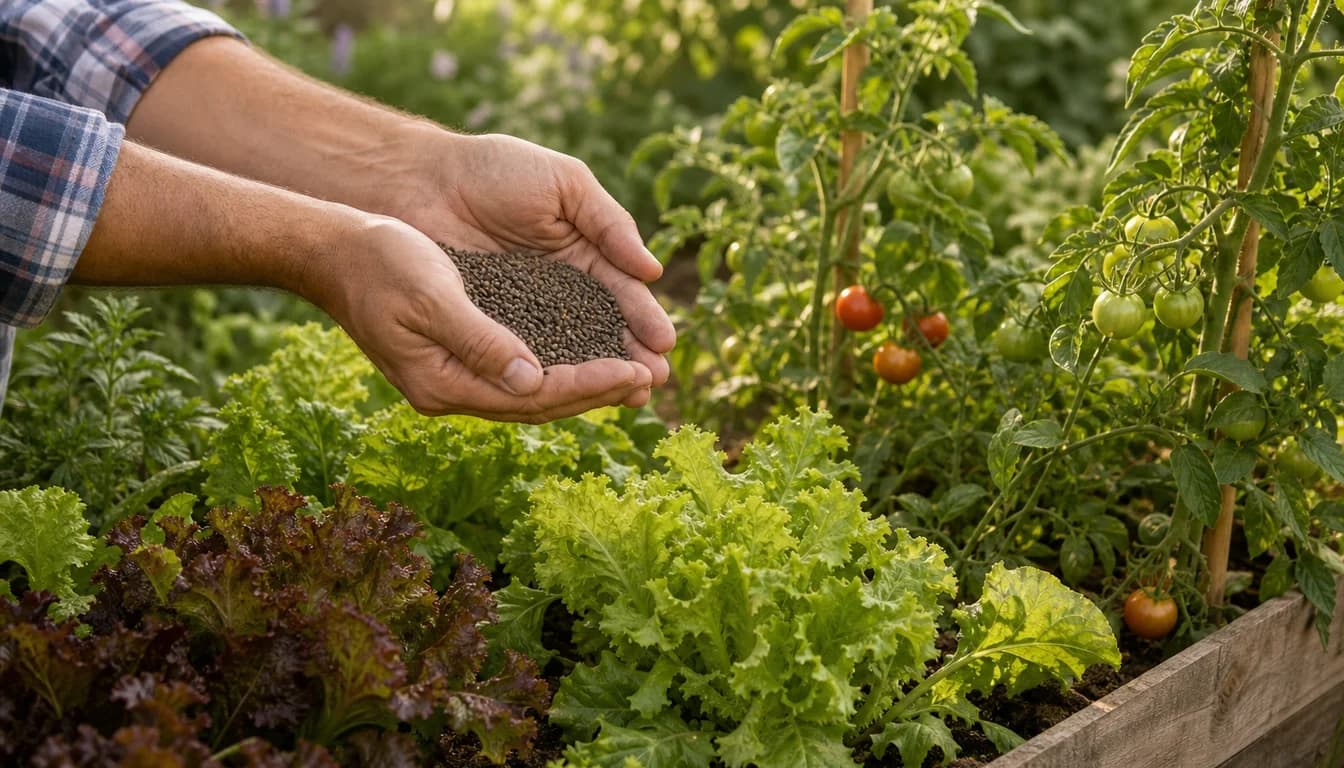
Match your fertilizer chart to real soil test numbers, not guesses.
- fiber_manual_recordIf P is high: Skip starter fertilizers and use low-P blends like 21-0-0 or 15-5-10.
- fiber_manual_recordIf K is low: Favor formulas like 5-5-10 or add sulfate of potash at labeled rates.
- fiber_manual_recordIf pH is low: Add lime per soil test recommendation, then recheck before adding more P.
- fiber_manual_recordIf pH is high: Use elemental sulfur gradually and pick acid-tolerant crops such as blueberry hedgerows elsewhere.
Those lab numbers are the highest authority for your actual bed.
Soil test results should always override any generic fertilizer chart suggestions.
Cold spring soils in zone 5 release nitrogen slowly. We see better early growth if we sidedress crops like headed cabbage rows once the soil warms above 55°F at 2 inches.
By contrast, warm soils in zone 9-10 speed up nutrient release and leaching. Gardeners there often switch to slow-release or organic sources for fruiting crops. Pair that with deep watering schedules so nutrients reach the full root zone instead of sitting near the surface.
| Soil issue | Chart adjustment | ||
|---|---|---|---|
| Very sandy soil | Smaller, more frequent feedings, consider coated slow-release products | ||
| Heavy clay beds | Lower rates each time, focus on compost and drainage first | ||
| Freshly built raised beds | Light feeding first year, media often starts rich | ||
| Long-term beds (5+ years) | Watch for P and K buildup, lean on nitrogen-only sources |
warningFixing Common Fertilizer Problems
Fertilizer problems usually show up as burned roots, weird growth, or plants that stay hungry no matter how much you feed. Reading symptoms against your chart helps you correct course instead of guessing.
Too much nitrogen gives very dark green, floppy plants with few fruits. On indeterminate tomato vines, that means a jungle of stems and almost no blossoms. On leaf lettuce beds (no profile yet), leaves may taste bitter and bolt early.
Root burn comes from high-salt fertilizers applied too close or at too strong a rate. Seedlings of cucumber starts and bush bean rows are especially touchy. Edges brown, and new leaves stay stunted.
Underfeeding looks different. Pale yellow between veins on older leaves of sweet corn blocks suggests nitrogen shortage. Weak, narrow spears on asparagus crowns several years old often trace back to skipped spring feedings.
More fertilizer will not fix damaged roots. First stop the damage, then rebuild soil health.
Here is a quick troubleshooting breakdown you can compare with your charted rates.
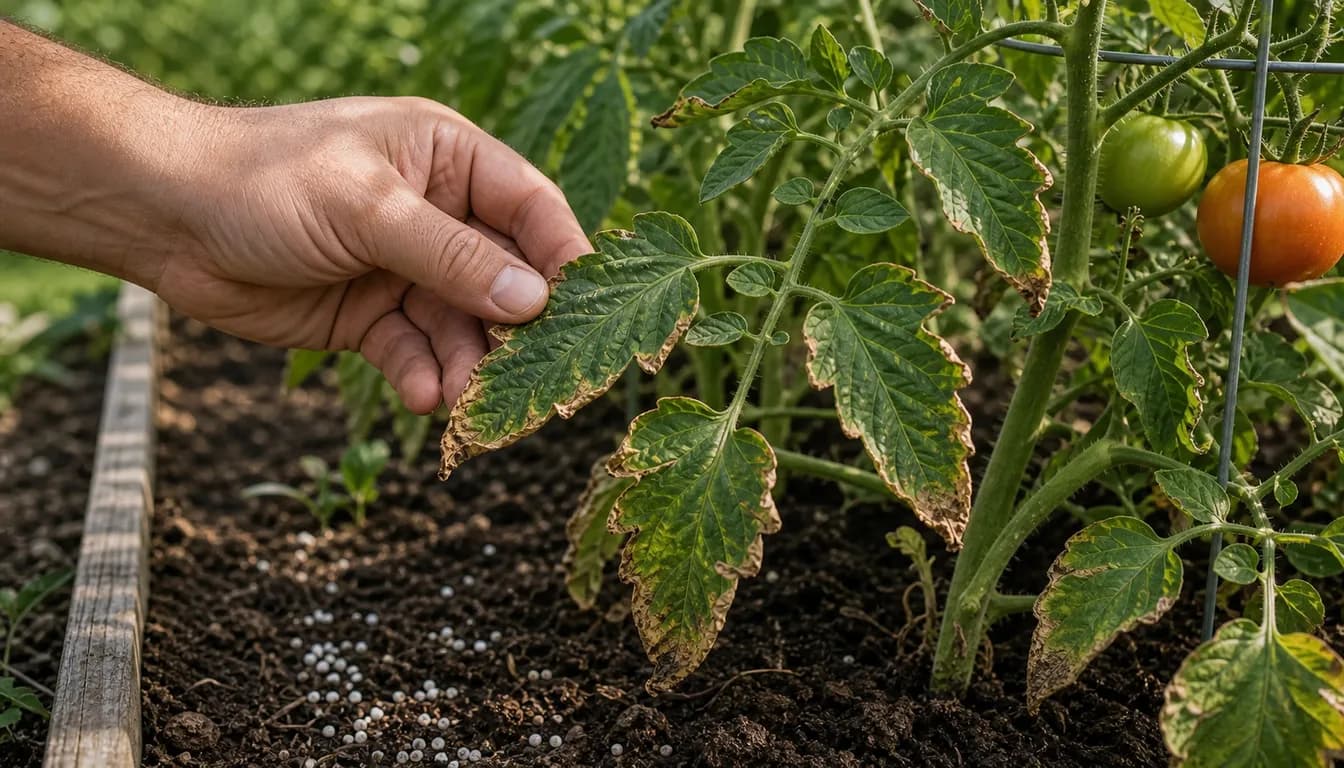
Crispy leaf edges and dark green foliage often point to excess nitrogen.
- fiber_manual_recordDark green, no fruit: Reduce nitrogen by 25-50%, add a low-N bloom booster like 0-10-10 instead.
- fiber_manual_recordLeaf tip burn after feeding: Flush bed with deep watering, then skip the next planned feeding.
- fiber_manual_recordSeedlings stall after transplant: Hold fertilizer for 10-14 days, then resume at half rate.
- fiber_manual_recordYellowing between veins on older leaves: Add a light nitrogen side-dress and water in well.
Salt buildup sneaks up in containers. If your potted patio pepper plants or balcony tomatoes show white crust on soil and pot edges, leach the pot. Water until 20-30% of what you pour in runs out, then skip the next feeding.
If problems keep repeating, compare what you applied against the label and the rate from general vegetable feeding schedules. You will usually find one crop group where you are doubling up without realizing it.
Guide — See AlsoHomemade Liquid Fertilizer for Healthier PlantsLearn how to make homemade liquid fertilizer from kitchen scraps and yard waste, with clear recipes, dilution rates, and
chevron_rightcompostOrganic vs Synthetic in Your Chart
Organic and synthetic fertilizers can both fit into a vegetable garden fertilizer chart, but they behave differently. Getting that behavior right on paper saves a lot of trial and error in the bed.
Organic sources like composted manure, feather meal, or fish emulsion release nutrients slowly as soil microbes break them down. That slow trickle works well for long-season crops such as sweet corn stands or main-crop potatoes where steady growth beats sudden spurts.
Synthetic granulars deliver nutrients quickly and predictably. Products like 10-10-10 or 16-16-8 are handy when a crop clearly needs a fast boost, as with pale overwintered broccoli plants or a struggling planting of early spring spinach.
Do not layer full organic and full synthetic rates on the same planting, or you risk serious overfertilizing.
A simple way to balance the two approaches is to let organic sources cover your "base" fertility, then use small synthetic top-ups only if a specific crop shows deficiency. That mirrors how many home vegetable growers manage heavy feeders.
- fiber_manual_recordBase feed: 1–2 inches of finished compost plus an organic mix like 5-4-3 at the labeled bed rate.
- fiber_manual_recordTop-up for fruiting crops: Small side-dress of 5-10-10 or similar when first flowers open.
- fiber_manual_recordEmergency rescue: Water-soluble feed at half strength for two weeks, then reassess.
- fiber_manual_recordSoil building: Regular compost plus cover crops, fewer high-salt products.
Organic-heavy charts shine in warm regions where soil life is active most of the year. In zone 9–11, beds fed with compost and light organic blends keep melons and squash chugging along with fewer salt issues.
Cooler climates sometimes need a hybrid approach. Gardeners in zone 4–5 often use a small synthetic starter for early spring peas trellises, then let gradually warming soil release nutrients from fall-applied compost.
If you are torn between the two, skim a comparison like organic vs synthetic options to see how each affects runoff, cost, and soil life over the long term.
calendar_monthSeasonal Fertilizer Planning for Successive Crops
Beds rarely grow just one crop per year. A useful vegetable garden fertilizer chart shows how much each crop takes out and what you must replace between plantings.
Fast spring crops such as radish, baby greens, or mini spinach rows do not remove as many nutrients as a long run of staked tomatoes. If a light feeder came out, you often only need compost before the next planting.
Heavy feeders back-to-back in the same spot are different. Following block-planted corn with fall broccoli transplants means you must replace a lot of nitrogen and potassium, or the second crop will suffer.
A quick rule: the longer a plant sits in that bed, the more fertilizer it usually removes.
Seasonal planning also changes how you time applications. For example, a spring sowing of shelling peas might get just compost at planting. Once they finish, you pull vines, add a balanced granular feed, then transplant warm-season crops like peppers in that space.
Here is a sample rotation sequence with fertilizer tweaks baked in.
- fiber_manual_recordEarly spring: Compost plus light organic mix before peas and leafy greens.
- fiber_manual_recordSummer crop: After harvest, add balanced granular fertilizer before tomatoes or squash.
- fiber_manual_recordLate summer: Top-dress with compost only for fall lettuce or root crops.
- fiber_manual_recordWinter cover: Sow a cover crop, then mow and compost in spring.
In warm zones such as zone 8–10, you might run three full crop cycles. That makes it easier to overshoot fertilizer totals if you treat each planting like a fresh bed. Use your chart to track seasonal totals per square foot, not just per crop.
Gardeners in cooler zone 3–4 often lean on one heavy-feeding summer crop plus shoulder-season greens. There the bigger risk is underfeeding long-season plants like vining pumpkins while being too cautious about nutrients that might leach before roots can use them.
Squeezing in a fall planting of garlic cloves is a special case. Garlic likes a modest dose of phosphorus and potassium in fall, then most of its nitrogen in early spring. Your chart should reflect that split so garlic does not sit in high-N soil all winter.
Guide — See AlsoWhen to Fertilize Lawn in Fall for Strong Spring GrowthLearn the right fall fertilizing window for cool- and warm-season lawns, how soil temperature affects timing, and how to
chevron_rightyardContainer and Raised Bed Adjustments
Vegetables in pots and tall raised beds do not follow the same rules as inground rows. A vegetable garden fertilizer chart must call out those differences or container crops will always seem hungrier.
Potting mixes are usually soilless and drain fast. That is great for roots of patio zucchini varieties or compact eggplant plants, but it also means nutrients wash out quickly. Smaller, more frequent feedings are safer than big doses.
Tall raised beds, especially over 18 inches, can act more like large containers than native soil. If they are filled with mostly compost and peat, plan feeding more like pots, at least until the mix breaks down and behaves like real loam.
Watering and fertilizing are glued together in containers. If you change one, you usually must tweak the other.
Container-friendly charts usually include both a granular slow-release rate at planting and a liquid feed schedule. A common pattern is to mix in a slow-release like 4-6-3 at label rate, then start halfstrength liquid feed every 2-3 weeks once plants like trellised cucumbers begin to vine.
- fiber_manual_recordSmall pots (under 3 gallons): Halfstrength liquid feed every 10-14 days during active growth.
- fiber_manual_recordMedium pots (5-10 gallons): Slow-release at planting plus monthly liquid feed.
- fiber_manual_recordLarge tubs (15+ gallons): Slow-release only, then sidedress midseason if leaves pale.
- fiber_manual_recordFabric grow bags: Slightly higher rates; they dry and leach faster than rigid pots.
If your yard mixes containers with inground beds, note that on your chart. For example, we often give container peppers one extra light feeding compared with the same variety in a deep, compostrich raised bed.
Growers who also keep patio hydrangeas often borrow ideas from indoor container feeding routines. The key is steady, modest nutrition rather than heavy, occasional blasts.
tips_and_updates
Pro Tips
- check_circleErr slightly low on nitrogen for root crops so you get thick roots instead of huge tops.
- check_circleSide‑dress only when soil is moist, then water afterward to move nutrients into the root zone.
- check_circleUse compost yearly so you can rely on lighter fertilizer rates instead of chasing every deficiency.
- check_circleWrite the actual tablespoon or pound amount on your chart, not just the product name, so bed-size math stays visible next season.
- check_circleSwitch to liquid feeds for containers, since frequent watering flushes granular products quickly.
- check_circleWatch new growth color; pale yellow leaves on heavy feeders often signal it is time for a side‑dressing.
- check_circleKeep fertilizer a few inches away from stems so salts do not burn tender roots.
quiz
Frequently Asked Questions
Do I need a different fertilizer chart for every vegetable?expand_more
No. Most home gardens work fine grouping crops into light, medium, and heavy feeders. Use one chart where crops share needs, then note a few exceptions like potatoes, corn, and tomatoes that want more nitrogen than average.
How often should I update my vegetable fertilizer chart?expand_more
Update it after each soil test, which is usually every 2–3 years in established beds. Also adjust if you change major practices, like switching to raised beds or adding large amounts of compost or manure one season.
Can I follow bag directions instead of a fertilizer chart?expand_more
Bag directions give safe general rates, but they do not know your soil test, crop rotation, or zone. A chart tuned to your beds and crops keeps you from overfeeding some areas while underfeeding heavy feeders in others.
Is compost alone enough to fertilize a vegetable garden?expand_more
Good compost adds nutrients and improves soil, but it is rarely balanced for heavy feeders on its own. Many gardeners use compost as the base, then add targeted nitrogen or phosphorus for crops that show specific deficiencies.
Should I change fertilizer rates for cold or hot climates?expand_more
Yes. Cold soils release nutrients slower, so early crops benefit from small starter doses. In hot climates with long seasons, split fertilizer into lighter, more frequent applications to avoid salt buildup and nutrient loss from heavy rains.
menu_book
Sources & References
Related Guides
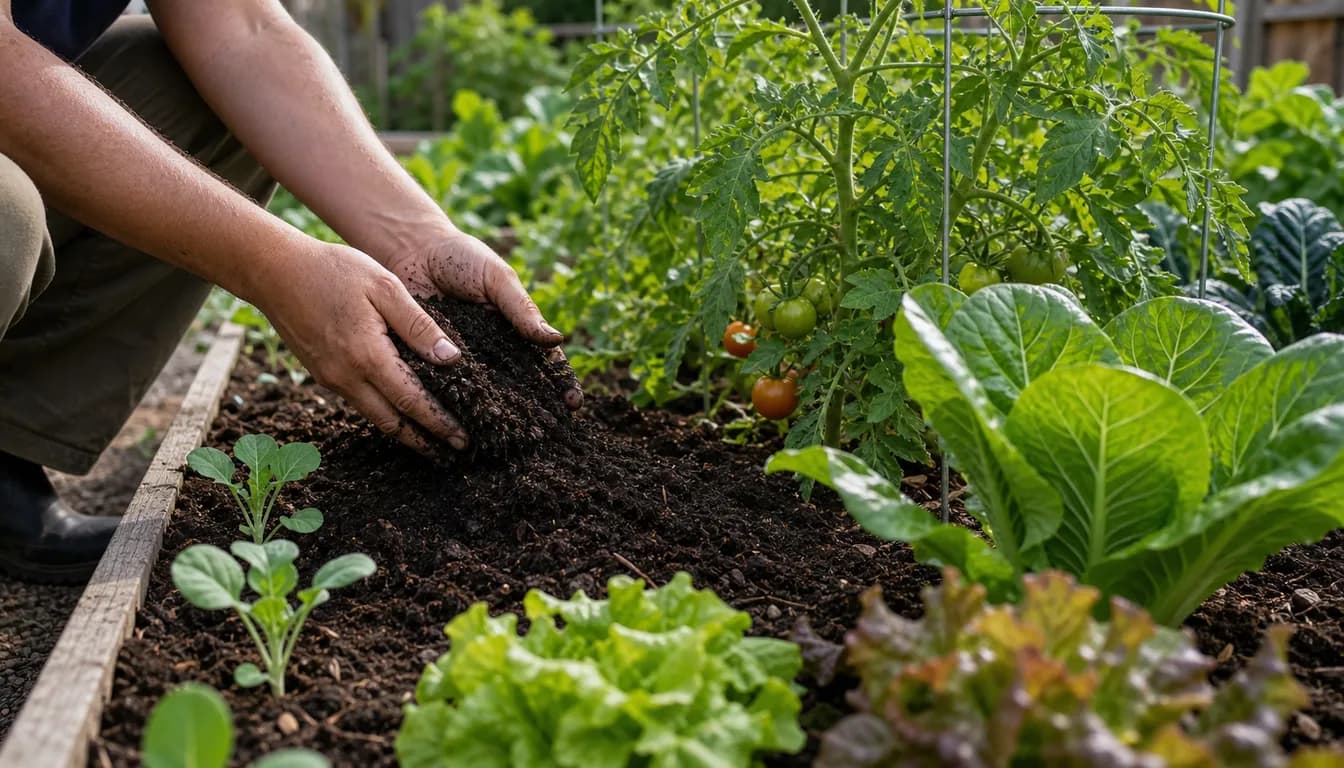
Benefits of Composting for Healthier Soil and Plants
Learn how composting turns kitchen scraps and yard waste into free fertilizer, improves soil, and boosts plant health in any size garden.
12 min read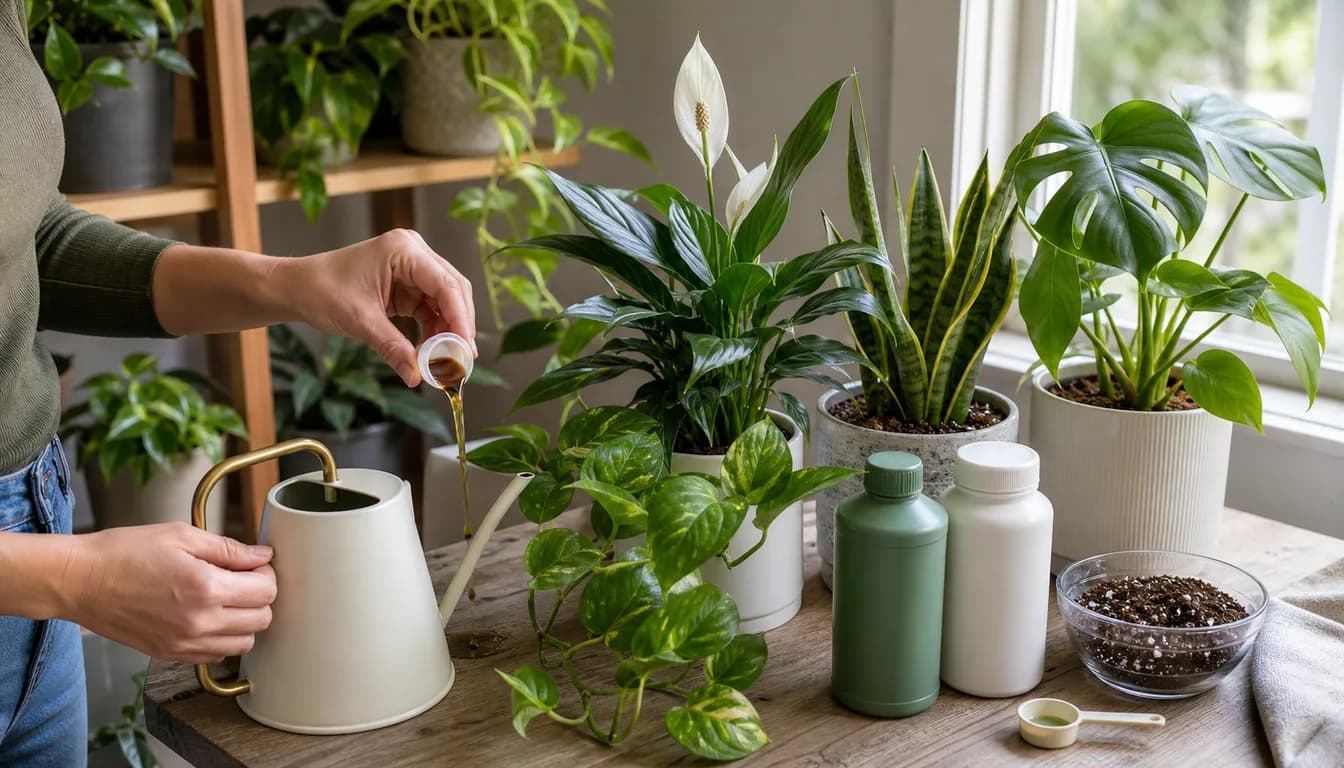
Best Fertilizer for Indoor Plants
Learn how to choose the best fertilizer for indoor plants by growth style, season, and pot size without burning roots or overfeeding slow growers.
14 min read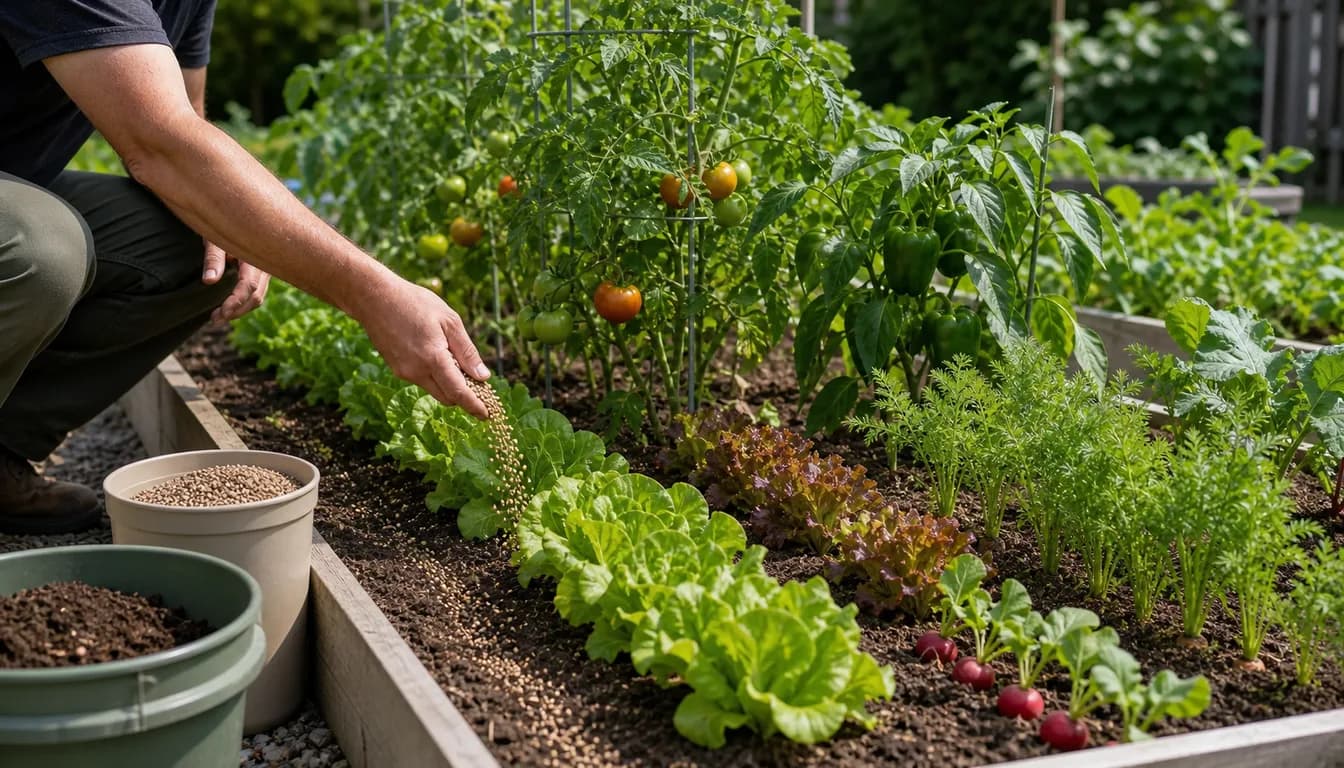
Best Fertilizer for Vegetables by Garden Type
Learn how to pick the best fertilizer for vegetables by crop group, soil condition, and garden setup so you feed beds, rows, and containers without wasting nutrients.
11 min read