verifiedSource Reviewed
Verbena: Long-Blooming Heat Color for Beds and Containers
Verbena spp.
Family: Verbenaceae
wb_sunnyLight
Full sun, 6+ hours
water_dropWater
Low to moderate once established
heightHeight
6-24 inches depending on type
publicZone
Often grown as annual; hardiness varies by species
petsPet Safety
Pet Safe

Native Region
Varies by species, including the Americas, Europe, and Asia
biotechWhy Verbena Behaves Differently by Type
Start with the plant habit: Verbena is not one uniform plant. Garden centers sell low bedding hybrids, trailing basket types, hardy groundcover species, and tall airy species such as Verbena bonariensis under the same familiar name.
That is why one gardener calls verbena an annual and another says it returns. Tender hybrids usually act like seasonal color, while hardier species may overwinter where soil drains well and winter wet is not severe.
In the garden, verbena is most useful as a long-blooming low layer. It spills over pots, edges sunny beds, and softens the front of taller flowers such as salvia.
infoLabel Matters
Read the tag for habit and hardiness. A trailing annual basket form and a hardy perennial form should not be planted with the same expectation.
paletteTrailing, Mounding, Hardy, and Tall Verbenas
Trailing verbena is the one most people want for hanging baskets and mixed containers. It weaves through pot edges without swallowing the whole arrangement.
Mounding bedding types stay neater in borders and along walkways. They pair well with warm annuals such as marigolds when you want color close to the soil.
infoSelection check
Hardy and tall species are better for informal pollinator plantings. They look less like tidy bedding plants and more like airy see-through stems above lower companions.
Trailing verbena, upright bedding verbena, and tall Verbena bonariensis create very different shapes. Match the habit to the site first: baskets need spill, front beds need tidy mats, and pollinator borders can use the airy height.
Trailing typesBest for hanging baskets, window boxes, and container edges
Mounding hybridsBest for bed fronts, borders, and mass color
Groundcover typesBest for sunny slopes with excellent drainage
Tall speciesBest for loose pollinator beds and airy vertical texture
Comparison — See AlsoLantana vs Verbena
chevron_rightwb_sunnyFull Sun for Dense Bloom
Sun exposure decides the result: Verbena needs 6 or more hours of direct sun to stay compact, flower heavily, and resist mildew. In too much shade, stems stretch and bloom clusters thin out.
Hot sites are usually fine if roots are not bone dry. This makes verbena a better fit with lantana than with moisture-loving shade plants.
lightbulbLight cue
Containers on patios can get intense reflected heat. Use a potting mix that drains but does not turn hydrophobic, and check baskets more often than in-ground plants.
Verbena needs sun to stay dense and flower-covered. In shade it often stretches into thin stems with bloom only at the tips, which makes baskets and edging look tired quickly.
- check_circleBest bloom: open sun most of the day.
- check_circleHot patios: water before plants repeatedly wilt.
- check_circlePoor-light clue: long bare stems and few flower clusters.
- check_circleHumid climates: prioritize morning sun and airflow.
Email Updates
Join the KnowTheYard update list
Zone-specific advice, seasonal reminders, and new plant guides — no filler.
water_dropWater Deeply, Then Let It Dry a Little
Established verbena prefers a soak-and-dry rhythm. Constantly wet soil invites root problems, while repeated hard wilting shuts down bloom.
In beds, water when the top 1-2 inches dry. Use the same slow soak principle as deep watering, then give the crown and soil surface time to breathe.
Containers need closer attention. Trailing verbena in a hanging basket may need water daily during hot wind, while the same plant in a large mixed pot may last longer.
warningYellow Leaves Can Mean Too Much Water
If lower leaves yellow while soil stays damp, improve drainage and reduce watering before adding fertilizer.
Verbena likes consistent moisture while it is rooting, then performs best when the soil is allowed to breathe. Constant dampness encourages mildew and weak stems, especially in crowded containers.
Guide — See AlsoAir Purifying Plants for Cleaner Indoor AirLearn how to pick, place, and care for air purifying plants so they help your indoor air instead of just looking pretty.
chevron_right
potted_plantDrainage and Light Feeding
Drainage sets the limit: Verbena grows best in well-drained, moderately fertile soil. It can handle lean conditions better than soggy conditions.
For beds, loosen compacted soil and mix in compost without turning the area into a wet sponge. For pots, use a real potting mix instead of garden soil.
Feed lightly. Too much nitrogen gives leafy stems and fewer flowers, especially in containers where soluble fertilizer can push quick soft growth.
Good drainage is especially important in containers. A heavy mix keeps the crown damp, and verbena can decline fast when heat and wet roots arrive together.
Best textureLoose loam or sandy loam with fast drainage
Container mixQuality potting mix with drainage holes, never dense garden soil
FertilizerLight, balanced feeding during active bloom
MulchThin layer in beds, kept away from crowns
account_treePruning, Cuttings, and Seed
The most useful verbena maintenance is shearing. When plants get leggy or flower clusters shrink, trim the whole plant back by about one-third, water well, and let fresh growth restart the show.
Time the trim before the plant is completely bare in the middle. A light reset while stems still have healthy leaves rebounds faster than waiting until the basket is only woody strings and a few flowers at the tips.
Cuttings are the best way to keep a favorite hybrid color. Take 3-4 inch non-flowering tips, remove lower leaves, and root them in a light, airy mix.
lightbulbTiming check
Seed is possible, but hybrid seedlings may not match the parent. If you want predictable color, buy named plants or save cuttings instead.
Use pruning first to restart the plant, then take cuttings from the clean new growth that follows.
Trailing types can root where stems touch soil, which is useful in a loose edge but annoying in a formal pot. Treat them more like ground-cover plants when you want spread, and shear harder when you want a crisp container outline.
- 1Shear tired plants by about one-third.
- 2Water deeply after trimming.
- 3Take non-flowering cuttings from healthy stems.
- 4Root cuttings in bright light, not harsh direct sun.
- 5Pot up once roots resist a gentle tug.
Guide — See AlsoBest Herbs to Grow Indoors for Real Harvests, Not Spindly PotsChoose indoor herbs that can actually produce in your light, temperature, and container setup, then match each one to th
chevron_rightpest_controlMildew, Mites, and Other Stress Problems
Most trouble shows up in patterns: Verbena usually fails from stress before it fails from one dramatic pest. Shade, crowding, wet crowns, and stale air set up powdery mildew and weak bloom.
Spider mites can show up in hot, dry conditions. Aphids and thrips may cluster on tender tips and flower buds, especially when plants are pushed with too much fertilizer.
Good spacing is not cosmetic; it keeps foliage dry and flower clusters cleaner. The same spacing logic applies in butterfly garden plantings, where dense bloom should not mean stagnant air.
Powdery mildew usually signals crowding, shade, or inconsistent water. Improving spacing and trimming tired growth often prevents the repeat cycle better than only treating visible white leaves.
pest_controlPowdery mildew
White film on leaves; increase sun, airflow, and spacing.
pest_controlSpider mites
Stippled leaves and fine webbing in hot dry weather.
pest_controlAphids
Sticky tips and curled growth; rinse or use insecticidal soap.
pest_controlRoot rot
Yellowing and collapse in wet soil; fix drainage first.
calendar_monthSeasonal Care for Long Bloom
Spring planting starts after cold soil has passed. Tender bedding verbena should be hardened off and planted only when nights are mild enough for steady growth.
Summer care is mostly watering, shearing, and watching airflow. If the plant looks tired, a hard trim is usually better than picking at individual spent clusters for weeks.
In fall, tender types can be treated like seasonal color. Hardy species may overwinter if drainage is excellent and crowns are not buried under wet mulch.
If you are planning a mixed annual bed, verbena can bridge the gap beside broad-flowered plants such as petunias. Upright accents such as salvia give the bed height above the low color.
When flowering slows in heat, a light trim can restart the plant faster than extra fertilizer alone. Cut back tired stems, water deeply, and let new growth fill in rather than keeping every old bloom cluster.
local_floristSpring
Plant after cold nights pass and pinch tips once for branching.
wb_sunnySummer
Water deeply, shear tired growth, and feed lightly.
ecoFall
Take cuttings from favorites or let tender types finish with frost.
ac_unitWinter
Keep hardy crowns dry rather than heavily mulched and wet.
Guide — See AlsoBest Indoor Plants for Every Room and Light LevelA practical guide to choosing the best indoor plants for your home, covering beginner-friendly picks, low light champion
chevron_righthealth_and_safetyPet Safety and Pollinator Value
For people, pets, and wildlife, Verbena is generally treated as a low-risk ornamental around pets, though animals should not be encouraged to graze on any bedding plant.
Pollinator value depends on flower form and access. Open clusters can be useful to butterflies and small bees, especially when mixed into a longer bloom plan.
warningSafety cue
For stronger habitat, combine verbena with pollinator plants that bloom earlier and later, instead of relying on one bedding flower to carry the whole season.
Balance formal grooming with habitat value by cutting in sections; the plant can stay tidy without removing every open flower at once.
lightbulbLet Some Flowers Stay
If the bed is not purely formal, leave a few late flowers for insects while you shear the rest for shape.
eco
Keep Exploring
Related Plants
 Flowers
Rose
Garden roses range from compact landscape shrubs to climbers, hybrid teas, old garden roses, and container types. They grow best with full sun, air movement, de
 Flowers
Sunflower
Sunflower is a fast annual that turns warm soil and full sun into tall stems, bright flower heads, seed for birds, and easy summer structure. The main decisions
 Flowers
Lavender
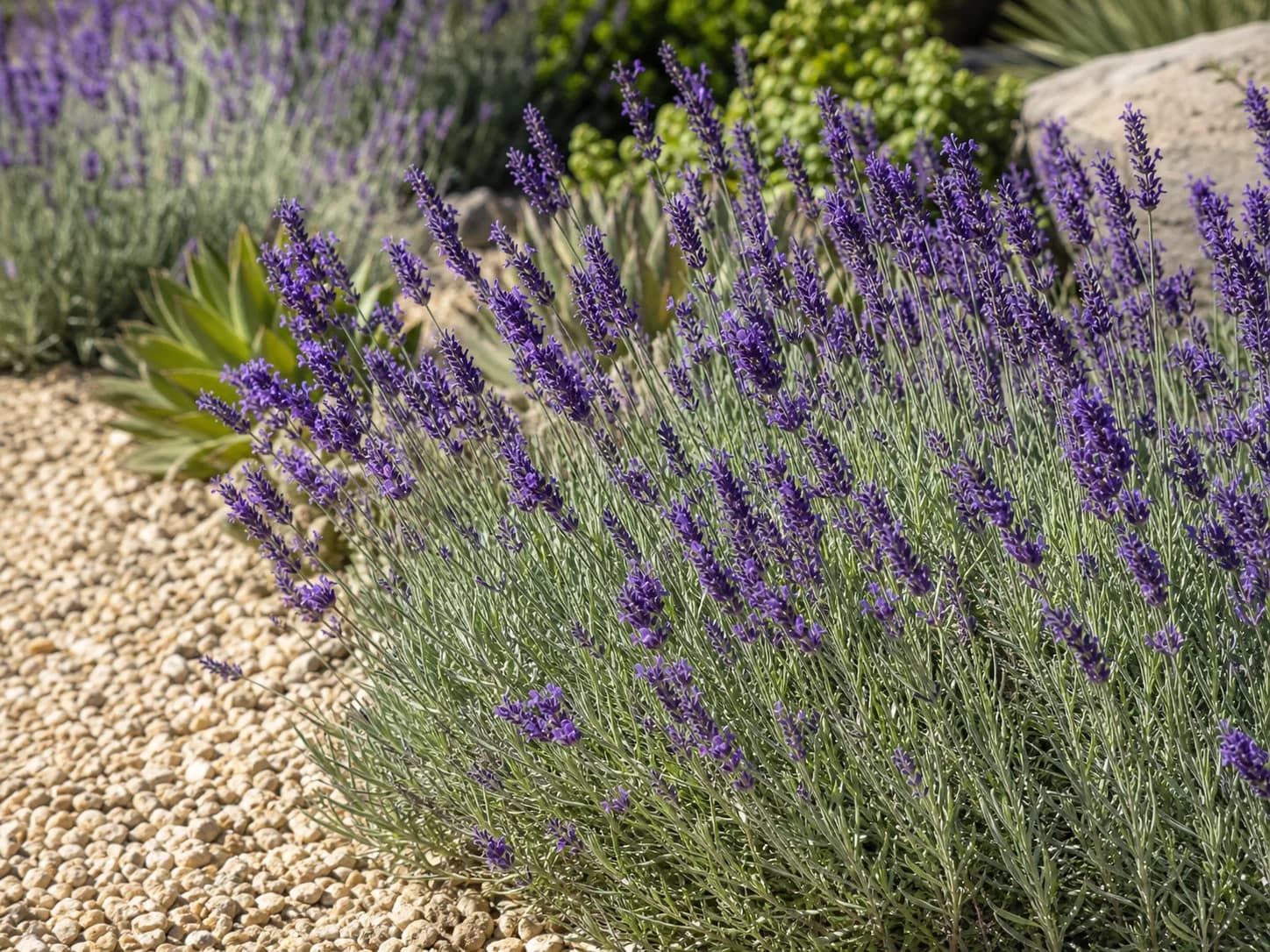
English Lavender is a woody Mediterranean subshrub grown for fragrant purple flower spikes, silvery foliage, pollinators, and dried stems. It thrives in full su
quiz
Frequently Asked Questions
Is verbena an annual or perennial?expand_more
Verbena can be either. Many bedding hybrids are grown as annuals, while some hardy species behave as short-lived perennials where drainage is sharp and winter is not too wet.
How much sun does verbena need?expand_more
Verbena needs at least 6 hours of direct sun for dense bloom. Too much shade causes leggy stems, fewer flowers, and more mildew.
How do I keep verbena blooming?expand_more
Give verbena full sun, avoid soggy soil, and shear tired plants back by about one-third. Water after trimming so fresh growth can restart bloom.
Can verbena grow in hanging baskets?expand_more
Yes. Trailing verbena works well in hanging baskets if the pot drains well and gets regular water during hot, windy weather.
Why is my verbena getting powdery mildew?expand_more
Verbena gets powdery mildew when light and airflow are poor or plants are crowded. Move it to stronger sun, space plants better, and avoid wet foliage late in the day.
Is verbena safe for pets?expand_more
Verbena is generally considered low-risk around pets, but it is still an ornamental. Keep pets from eating large amounts of leaves or flowers.