Snake Plant vs Aloe Vera
Choose Snake Plant for lower light, longer dry spells, and pure neglect tolerance. Choose Aloe Vera when you have a sunny sill and actually want a succulent you can harvest or keep in a brighter utilitarian spot.
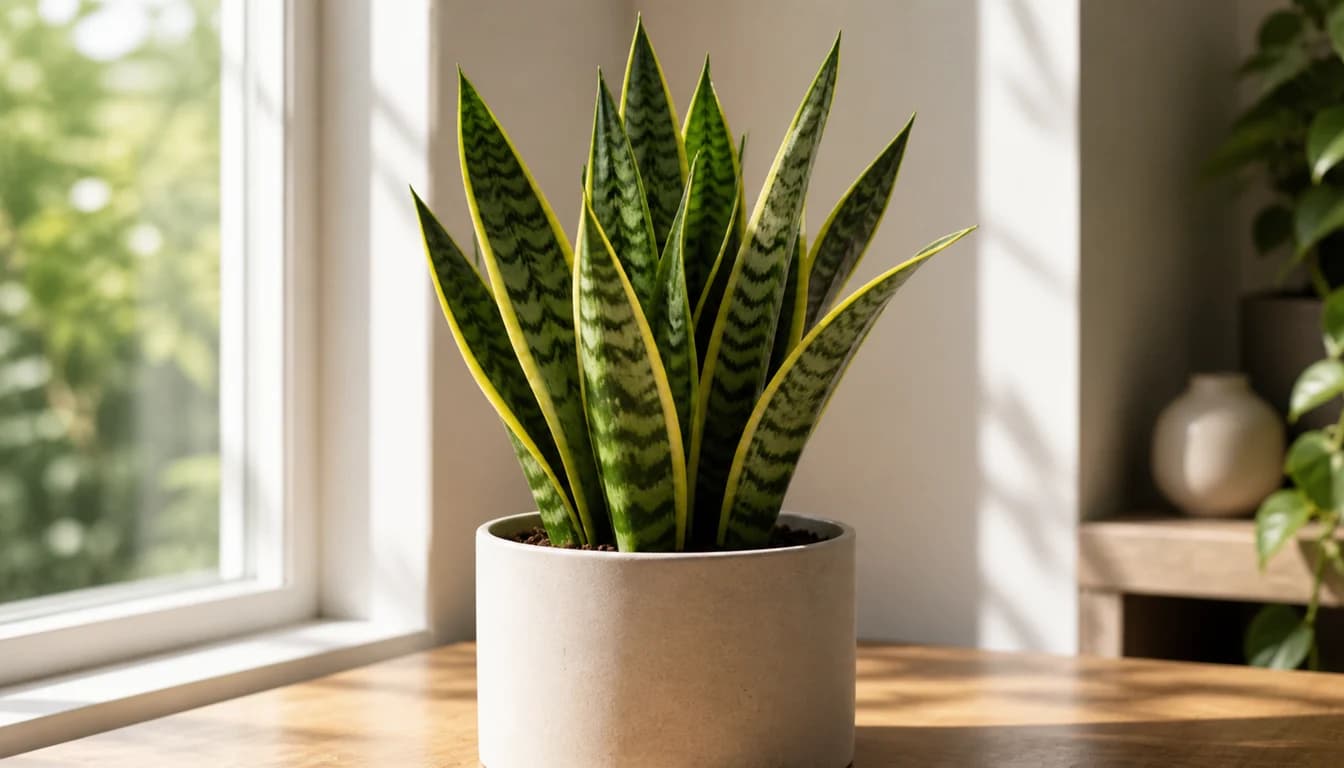
Dracaena trifasciata
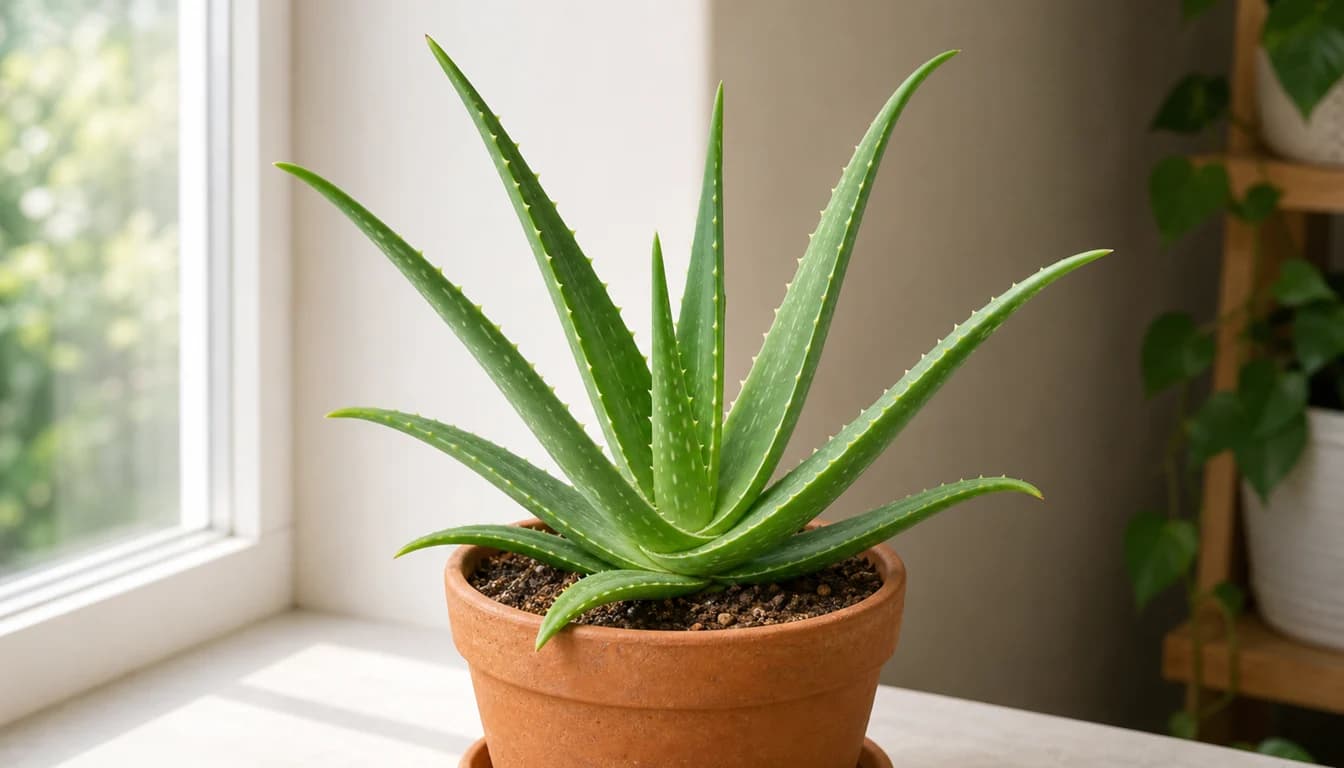
Aloe barbadensis miller
ruleDecision Summary
Snake Plant and Aloe Vera both get sold as easy plants, but the room decides the winner fast. Snake Plant is the tougher choice in dimmer apartments and forgetful households; Aloe Vera is the better pick only when light is genuinely strong and you want the practical gel-use angle.
That makes this less about succulent style and more about placement honesty. If the plant is headed for a low-light bedroom, hallway shelf, or office corner, Snake Plant has the wider margin of error. If it is headed for a bright kitchen or sun-washed window ledge, Aloe Vera becomes more compelling.
So the decision frame is simple: low-light toughness versus bright-window utility. Once that is clear, the watering, pet-safety, and styling rows make much more sense.
How to Use This Guide
Match your primary use case first, then review the side-by-side specs table. The use-case cards explain where one option has a practical advantage; if your situation is different, let the specs and tradeoffs guide the choice.
This compare is mostly about honest placement; Snake Plant wins bad light, Aloe Vera wins bright-sill usefulness.
KnowTheYard Editorial Team
Source-backed editorial note
compare_arrowsSpecific Use Cases
The following use cases focus on scenarios where the tradeoff actually matters. Each card names the stronger fit for that situation and explains the catch.
A winner only applies when that scenario matches your conditions. If neither scenario fits, check the side-by-side specs for the more relevant constraints.
Low light rooms
North windows, hallways, officesWinner: Snake Plant
Thick, upright leaves keep Snake Plant growing in corners where most houseplants stall. It survives on fluorescent office light or a shelf several feet from a window, making it one of the few plants that genuinely thrives in dim conditions alongside options like low-light ZZ plant.
Rosette growth and succulent leaves mean Aloe Vera wants at least four to six hours of direct or very bright indirect light daily. In a north window it stretches, fades, and produces thin, floppy leaves that never look healthy, so it suits bright south or west sills far better than interior hallways.
Forgetful waterers
Busy schedules, travelWinner: Snake Plant
Drought tolerance is where Snake Plant excels. Thick leaves store water for weeks, and the plant often looks fine even after a month without a drink. Root rot from overwatering is the bigger risk, so erring on the dry side actually helps, much like neglect-friendly ponytail palm.
Gel-filled Aloe Vera leaves also handle dry spells, but the plant needs a full soak-and-dry cycle rather than light sips. Miss too many waterings and leaf tips shrivel; give too much and the roots rot. It rewards a slightly more attentive routine than Snake Plant demands.
Practical / medicinal use
First-aid gel, skin careWinner: Aloe Vera
Snake Plant offers no useful gel or sap. Its main practical benefit is air purification, which studies suggest helps remove formaldehyde and benzene from indoor air over time. That is valuable, but it does not give you anything topical for minor burns or skin irritation.
Clear gel inside Aloe Vera leaves has a long history of soothing minor burns, insect bites, and dry skin. Snap or cut a mature leaf, squeeze out the gel, and apply it directly. This living medicine cabinet advantage is the main reason many households keep at least one aloe on the kitchen windowsill.
Homes with pets
Cats, dogs, and chewersWinner: Snake Plant (slightly)
Saponins in Snake Plant leaves can cause nausea, vomiting, or drooling if chewed. The stiff, fibrous texture makes casual nibbling less appealing to most cats and dogs, but placement on high shelves or in rooms pets do not access is still smart practice.
Latex-based sap in Aloe Vera is also toxic to pets if ingested and can cause diarrhea and vomiting. The softer, juicier leaf texture may actually attract curious chewers more than stiff Snake Plant foliage. Pet owners should keep aloe out of reach or consider safer pet-safe alternatives like spider plant.
Visual impact
Statement piece indoorsWinner: Tie — different styles
Bold, vertical swords give Snake Plant a modern, architectural look. Tall varieties like Laurentii or Moonshine add strong lines to minimalist rooms and pair well with sleek planters, similar to the sculptural quality of other dracaena types.
Symmetrical rosettes and blue-green coloring make Aloe Vera a softer, more organic focal point. It looks natural in terracotta on a sunny sill and draws the eye differently than upright foliage. The choice here is purely about which visual style fits your room.
paymentsCost & Upkeep
Long-term cost extends beyond the purchase price. Factor in ongoing inputs, replacement risk, equipment, and time so the cheaper option at checkout does not become the more expensive one to keep.
For Snake Plant and Aloe Vera, the real cost difference usually shows up after purchase: water, soil, fertilizer, pruning, replacements, and how easily the plant or system recovers from mistakes.
ecoSnake Plant
- check_circleCommon varieties in four-inch pots cost $5–$15, making Snake Plant one of the cheapest houseplants to start with.
- check_circleSlow growth means repotting is needed only every 2–3 years, keeping soil and container costs minimal.
- check_circleRhizome division is simple and free, so one mature clump can produce several new plants within a single growing season.
- cancelLarge, tall varieties like Black Coral or Laurentii in eight-inch pots can run $30–$60 at specialty shops.
- cancelOverwatering kills more Snake Plants than anything else, and replacing a rotted mature plant wastes months of slow growth.
ecoAloe Vera
- check_circleStandard Aloe Vera in a six-inch pot usually costs $8–$20, reasonable for a plant with medicinal value.
- check_circlePups emerge from the base regularly, so one plant becomes three or four within 1–2 years without any purchase.
- check_circleHaving a living gel source at home can reduce spending on over-the-counter aloe products for minor skin care needs.
- cancelBright-light requirements may push you to buy a grow light if your home lacks a sunny window, adding $15–$40 to setup.
- cancelRoot rot from poor drainage or overwatering can kill a mature plant quickly, and replacing a large aloe costs more than replacing a small Snake Plant.
ecoResource Fit
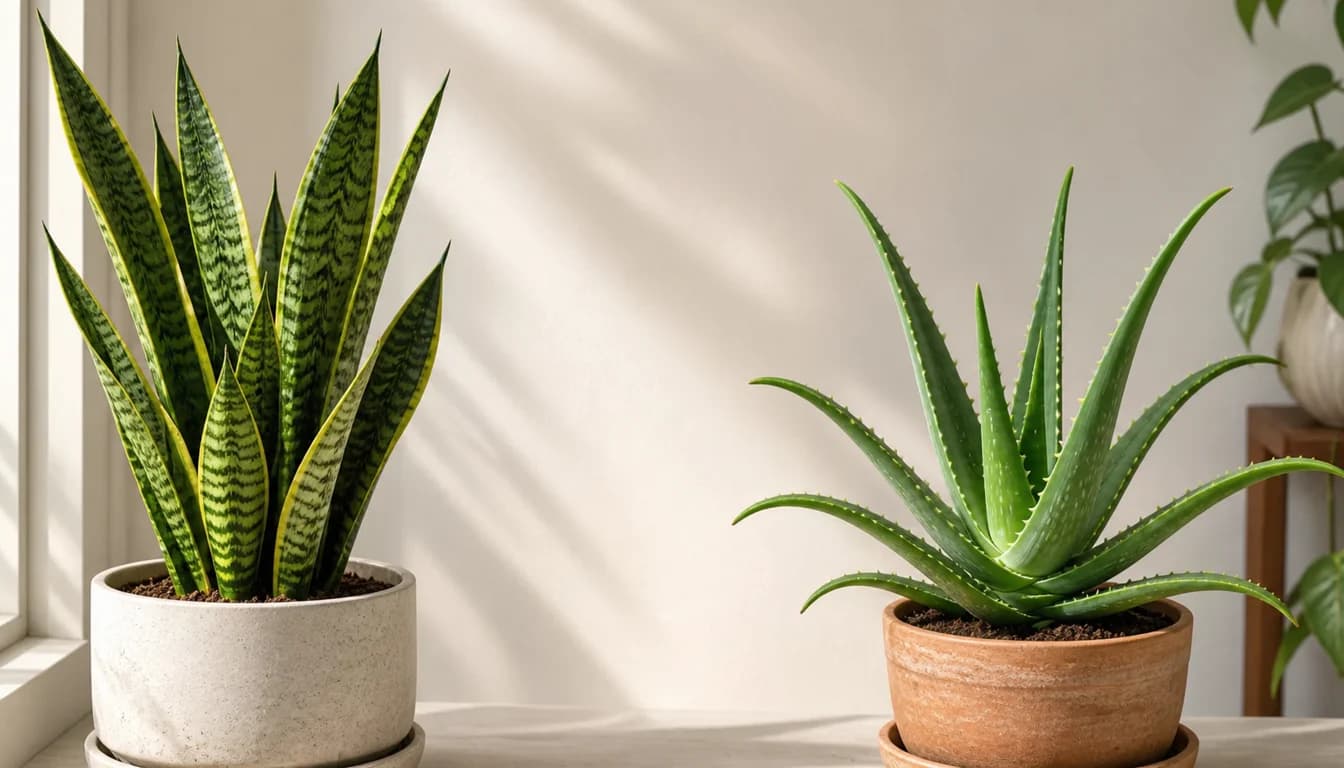
Snake Plant often has the lower replacement rate because it tolerates lower light and wider watering gaps; one plant can stay presentable for years with very little intervention.
Aloe Vera also propagates well and can be divided or offset, but only if the light stays strong enough to keep growth compact. Weak light pushes stretched growth and more failed indoor setups.
The more sustainable plant is the one your window can honestly support. Easy care is only easy when the light matches the plant.
Healthy Snake Plant plants and Aloe Vera can both live over a decade indoors. Long lifespans mean fewer replacements, less plastic waste, and better return on the initial purchase price.
Snake Plant tolerates being slightly rootbound and only needs a bigger pot every 2–3 years. Aloe Vera repots on a similar schedule, though pups may need separating sooner. Infrequent repotting saves soil and containers.
Both are drought-tolerant succulents that need water only every 2–4 weeks depending on light and season. Compared to tropical houseplants that need weekly watering, total water use over a year is significantly lower.
Neither plant requires humidifiers, heat mats, or constant grow light use in most homes. Avoiding extra electrical equipment keeps energy bills flat and reduces the environmental footprint of your indoor garden.
table_chartSide-by-side Specs
The key rows are indoor light tolerance, watering interval, and pet safety. Those are the practical rows that separate a dim-room survivor from a sun-loving succulent with a use-case beyond decor.
Propagation and medicinal-use context matter too, but only after the placement question is answered. A bright sill can make Aloe Vera useful; a darker room usually makes Snake Plant the smarter buy.
Source Notes
Metrics summarize published care ranges and common cultivar behavior. Individual performance varies by cultivar selection, microclimate, and management intensity. Consult our methodology for source standards and update practices.
| Metric | Snake Plant | Aloe Vera |
|---|---|---|
| biotech Family | Asparagaceae | Asphodelaceae |
| thermostat USDA Zones (outdoors) | 9–11 | 10–12 |
| light_mode Light (indoors) | Low to bright indirect | Bright direct, 4–6 hrs |
| water_drop Watering frequency | Every 2–4 weeks | Every 2–3 weeks |
| opacity Drought tolerance | Very high | High |
| height Mature height | 1–4 ft upright | 12–24 in rosette |
| eco Growth rate | Slow | Moderate |
| pets Pet toxicity | Mildly toxic if chewed | Mildly toxic if chewed |
| account_tree Propagation ease | Easy from rhizome division | Easy from pups or leaf cuttings |
| air Air purifying | Yes — formaldehyde, benzene | Yes — formaldehyde |
| healing Medicinal gel | No | Yes — burns, skin care |
| potted_plant Soil preference | Well-drained, sandy mix | Cactus / succulent mix |