Endless Summer The Original vs Nikko Blue Hydrangea
The Original Endless Summer can flower on new and old wood. Nikko Blue relies on buds carried through winter. That affects pruning and bloom risk, but neither name guarantees blue flowers or a full display after a hard winter.
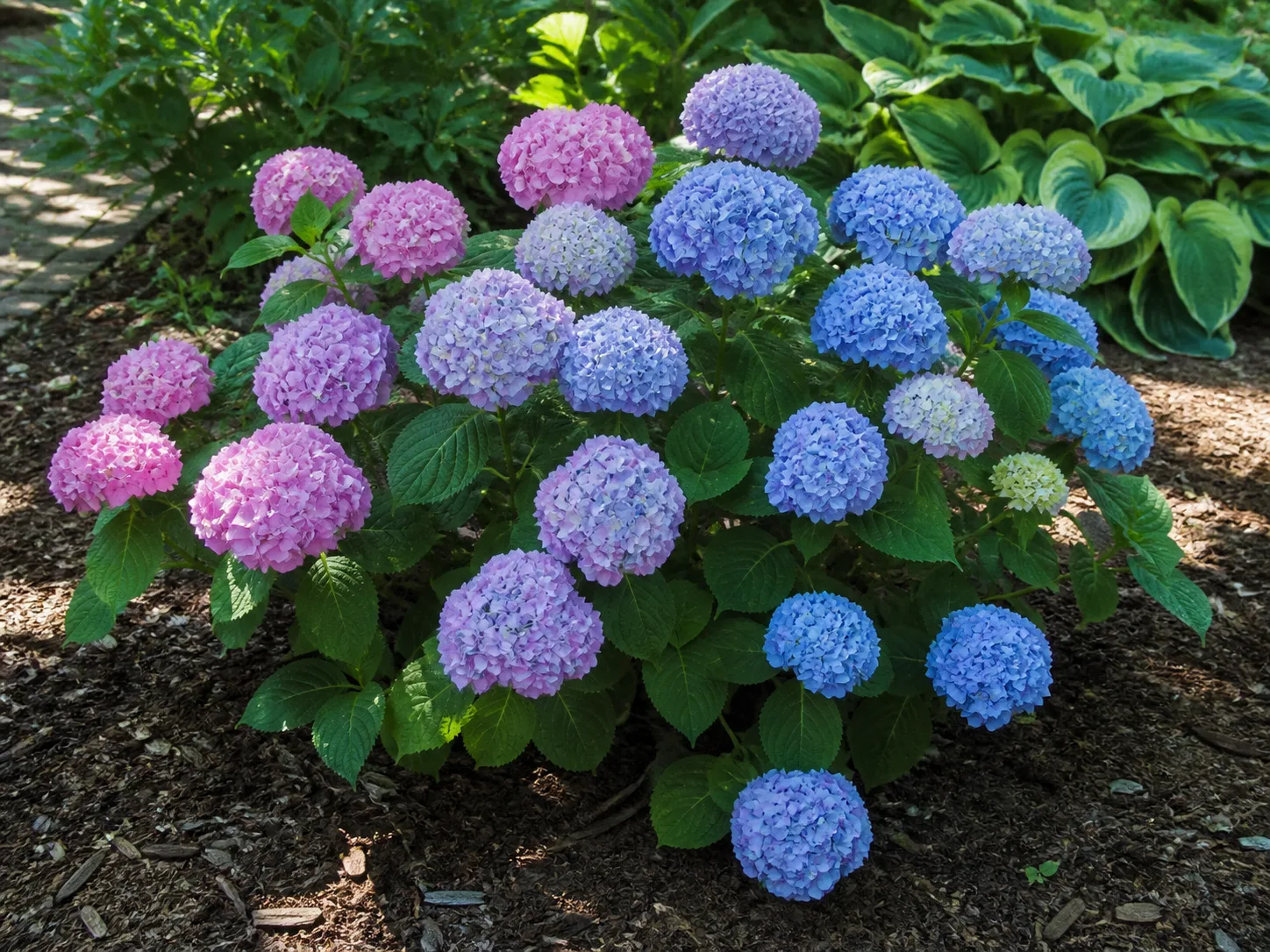
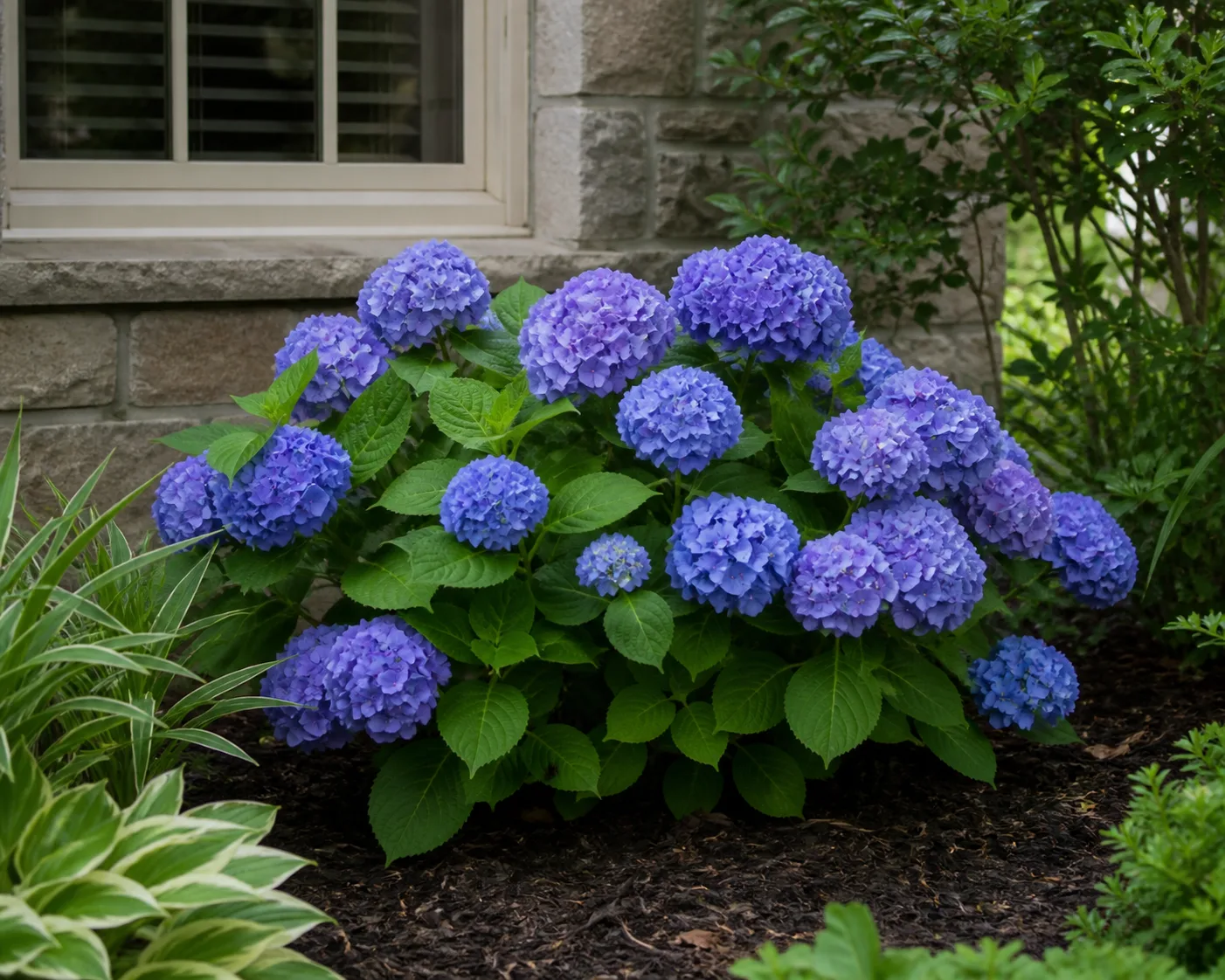
Endless Summer The Original
Hydrangea macrophylla 'Bailmer'
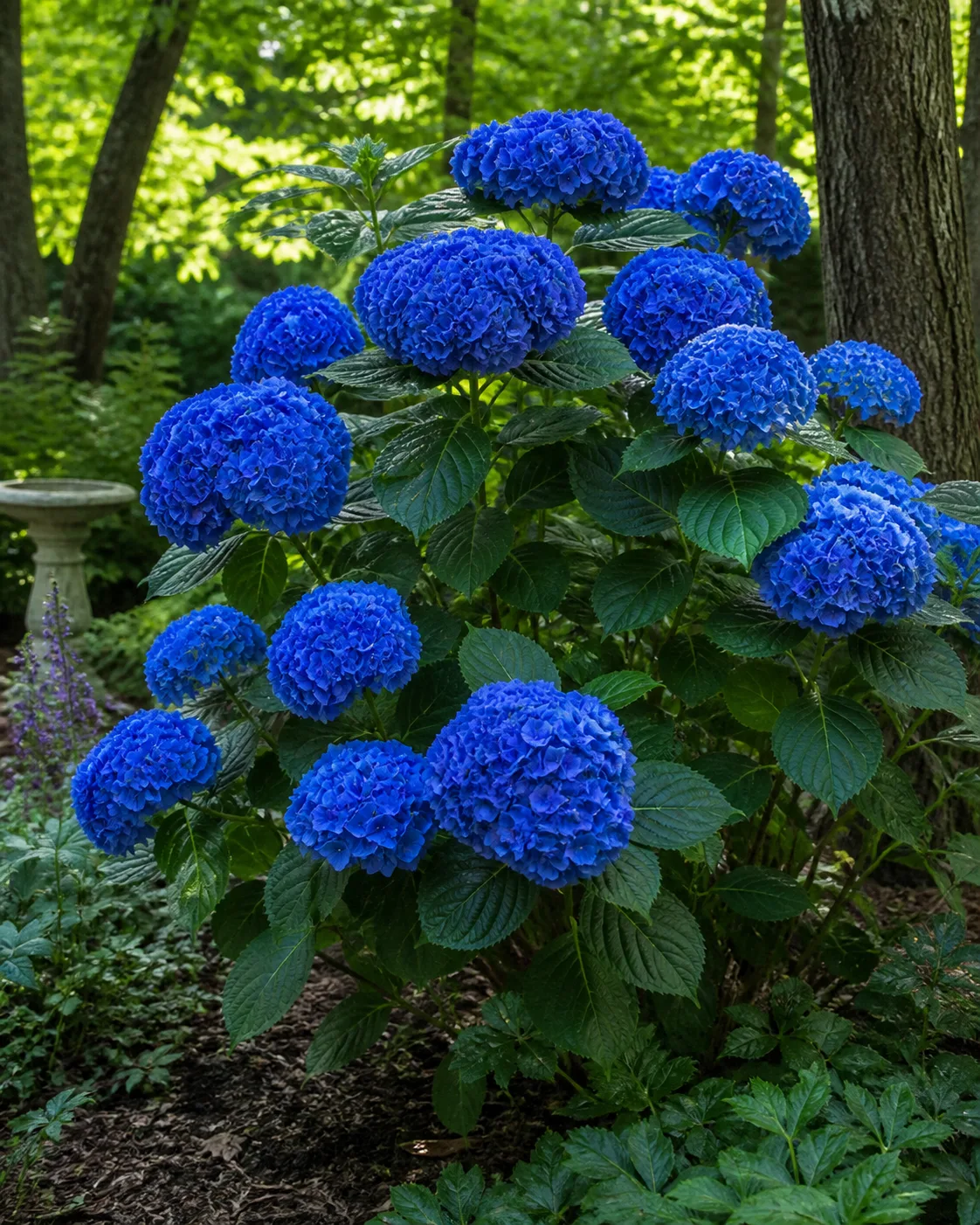
Nikko Blue Hydrangea
Hydrangea macrophylla 'Nikko Blue'
Both choices are bigleaf hydrangeas, with rounded flower clusters and a preference for a sheltered, adequately moist site. The most useful difference is how they carry flower buds from one season to the next.
Here Endless Summer means The Original, the cultivar 'Bailmer'. Other plants in that collection have their own sizes and traits. Nikko Blue is a different cultivar of the same species.
The Original offers an additional chance to flower on current-season growth. Nikko Blue's display depends on old-wood buds surviving winter and pruning. A gardener replacing a shrub that repeatedly fails to flower needs that distinction more than a promise of deeper blue petals.
Specifications
Compare the named selections by the traits that matter in your garden.
| Feature | Endless Summer The Original | Nikko Blue Hydrangea |
|---|---|---|
| Botanical identity | Hydrangea macrophylla 'Bailmer' | Hydrangea macrophylla 'Nikko Blue' |
| Flowering growth | Old wood plus current-season shoots | Previous-season wood |
| After loss of old buds | Later bloom is possible but can be sparse | The following display can be lost |
| Mature size in cited descriptions | Brand lists 3–5 feet tall and wide | RHS lists 1–1.5 meters, roughly 3–5 feet, tall and wide |
| Flower color | Pink or blue, influenced by soil chemistry | Blue in suitable acidic soil; color can vary |
| Typical site | Morning sun, afternoon shade, moist well-drained soil | Sheltered partial shade, moist well-drained soil |
The brand rates The Original for USDA Zones 4–9. That rating does not promise that its stems or flower buds escape damage. UNH's experience in New Hampshire distinguishes survival from flowering and warns that new-wood bloom after a severe winter may be limited.
RHS describes Nikko Blue using its UK hardiness scale. Converting that directly into a USDA range would imply a precision the sources do not provide. Local performance and whether the plant retains viable flower buds are more useful than comparing mismatched ratings.
Neither choice is a safe plant for a pet to chew. NC State flags these hydrangeas as problems for dogs, cats, and horses. Keep animals from eating leaves, flowers, or prunings, and contact a veterinarian after suspected ingestion.
Best Use Cases
Choose by the job the planting needs to do.
A garden with repeated bud loss
Recovery is possible, not assured
The Original can form later flowers on new shoots when old buds are damaged. However, a shrub regrowing from the base after winter has not automatically recovered its full display. UNH reports inconsistent current-season flowering in The Original after harsh winters.
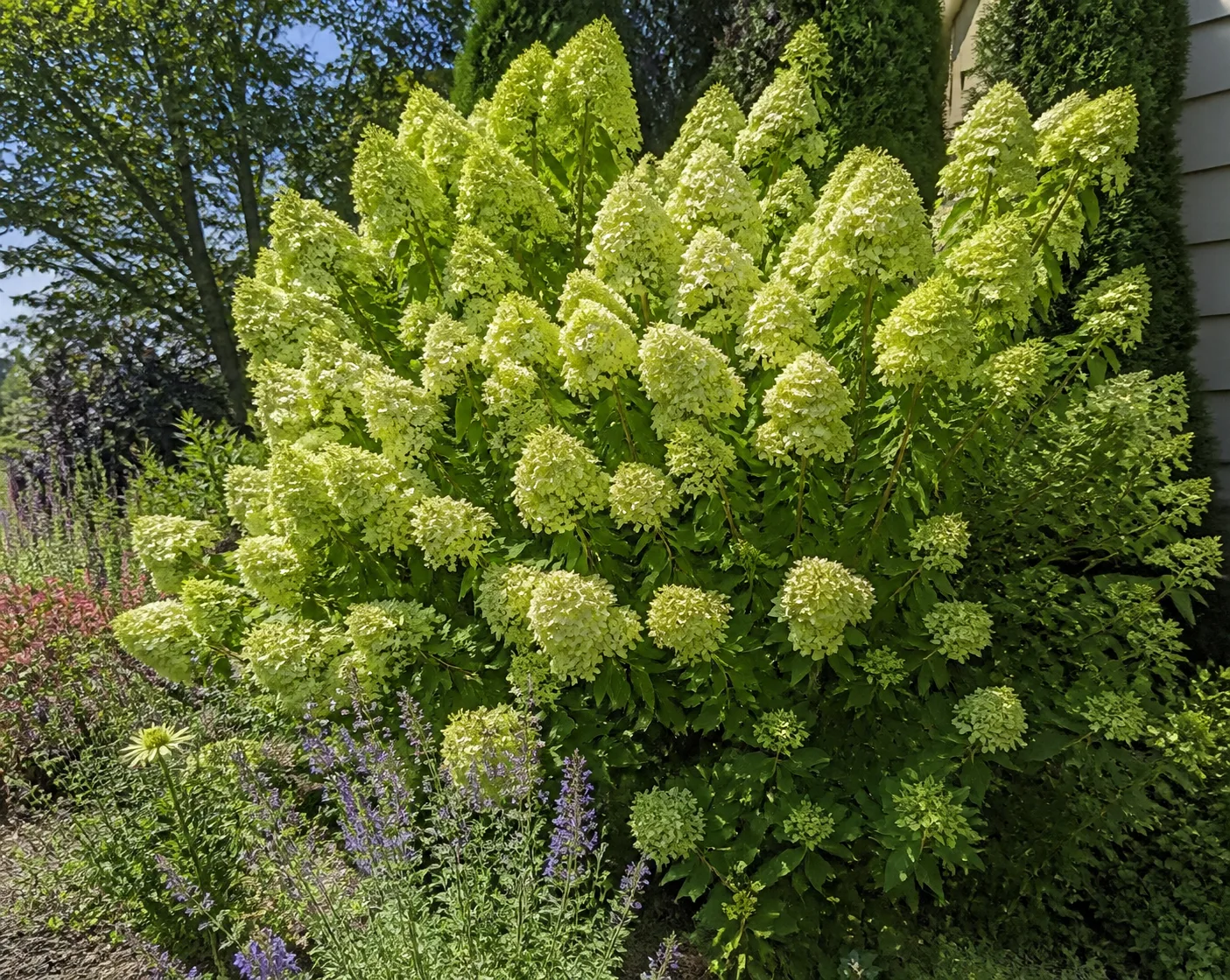
Nikko Blue has no equivalent reblooming habit to replace lost old-wood buds reliably. Where those buds repeatedly fail, retaining the same planting conditions can repeat the disappointment. The comparison with Limelight covers a panicle alternative whose flowers form on new growth.
A shrub that needs pruning
Keep living buds when possible
Removing live old growth from The Original can delay its first flowers. New-wood bloom does not make every cut harmless. Maryland advises limiting how much wood is removed from rebloomers, because spring pruning can delay flowering and later pruning can shorten the reblooming period.
Nikko Blue forms buds for the following season on its existing stems. Size pruning after flowering preserves more of that cycle than a late-season cut that removes newly formed buds. Dead growth can be distinguished from living stems as spring growth reveals winter damage.
A blue-flowered planting
Color follows more than the name
The Original can have pink or blue flowers. Lower soil pH generally makes aluminum more available, which favors blue in responsive bigleaf cultivars. The plant still needs appropriate soil and root health, not a routine dose of color-changing chemicals.
Nikko Blue is described by RHS as bright blue in acidic soil, but that is not a controlled comparison proving it always has deeper color than The Original. Soil testing and the actual plant's response matter. The name does not prevent pinker flowers under different soil conditions.
A hot bed or a small foundation strip
Similar needs remain shared
The Original's reblooming trait does not establish a need for two or three fertilizer applications every season. Too much fertilizer can inhibit flowering. Its listed dimensions overlap Nikko Blue's, so neither is automatically the smaller choice for a restricted bed.
Both shrubs need moisture without prolonged saturation. Afternoon shade can reduce heat stress, while a wilted leaf alone does not prove the soil is dry. A plant that recovers overnight in moist soil needs a different response from one whose root zone has dried out.
Sources & References
- The Original Reblooming Hydrangea ('Bailmer'), Endless Summer
- Hydrangea macrophylla 'Nikko Blue', RHS record 68352
- Protecting Endless Summer Hydrangea in Winter, University of New Hampshire Extension
- Hydrangea: Identify and Manage Problems, University of Maryland Extension
- Pruning Hydrangeas, University of Maryland Extension
- Blue Hydrangea: Nikko Blue and old-wood buds, Maryland Extension response
- Hydrangea macrophylla, NC State Extension Gardener Plant Toolbox