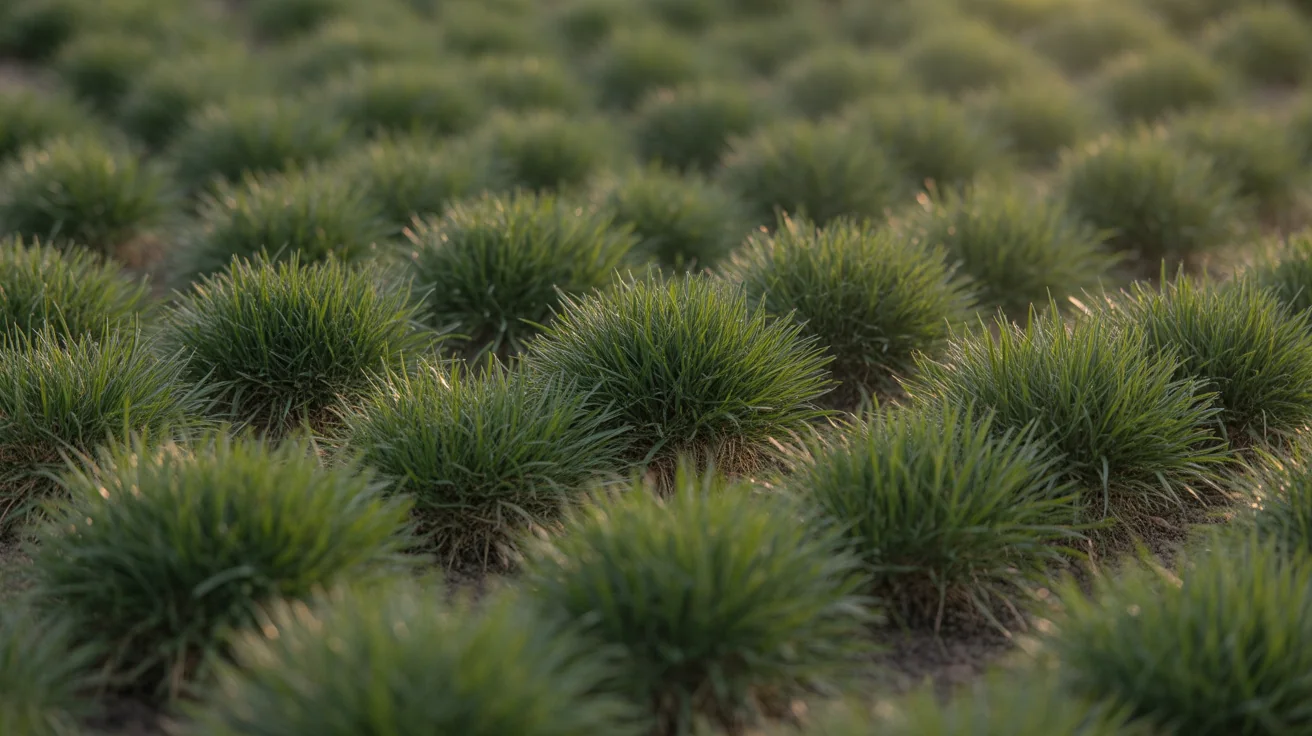
Centipede Grass vs St. Augustine Grass
Centipedegrass is the lower-fertility option for a suitably acidic, lightly used lawn. St. Augustinegrass offers better shade tolerance in suitable cultivars and generally faster spread. Neither is a dependable choice for heavy repeated traffic, and low fertilizer demand does not guarantee low irrigation needs.
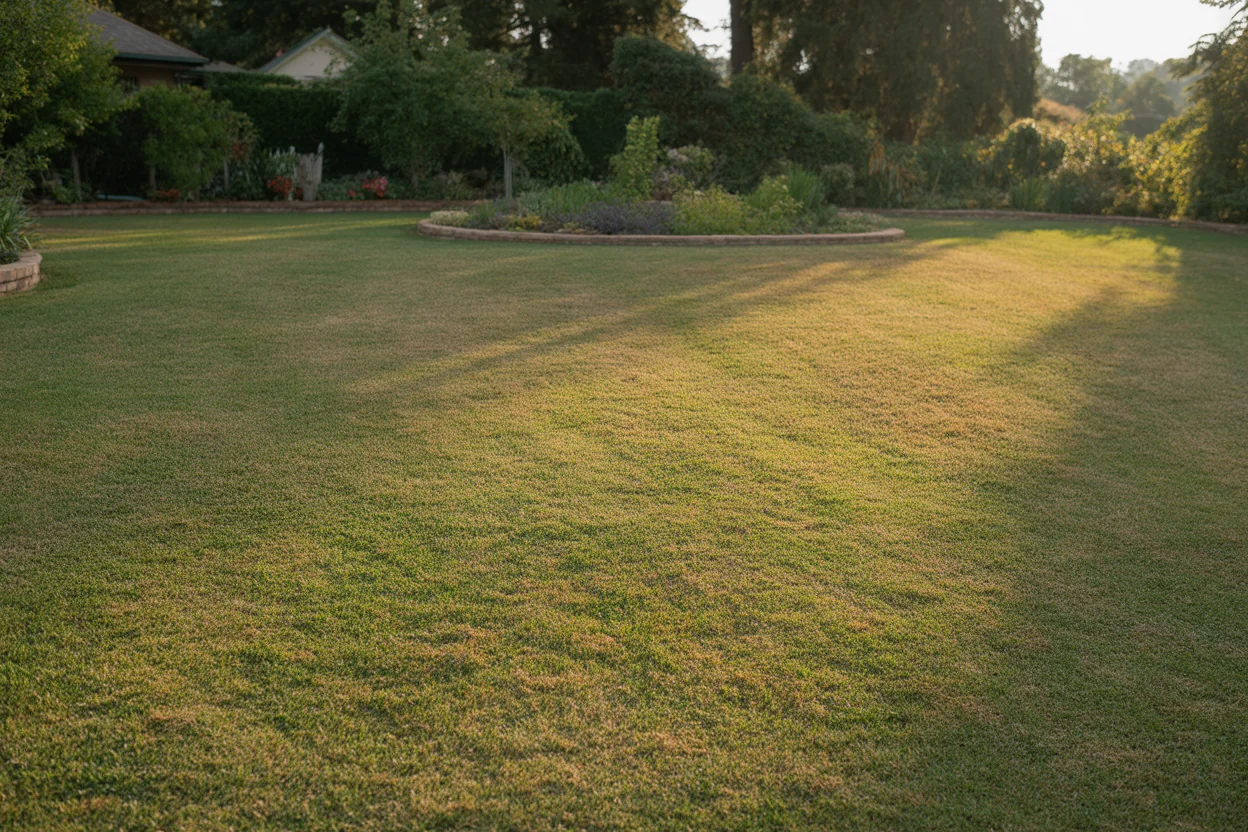
Centipede Grass
Eremochloa ophiuroides
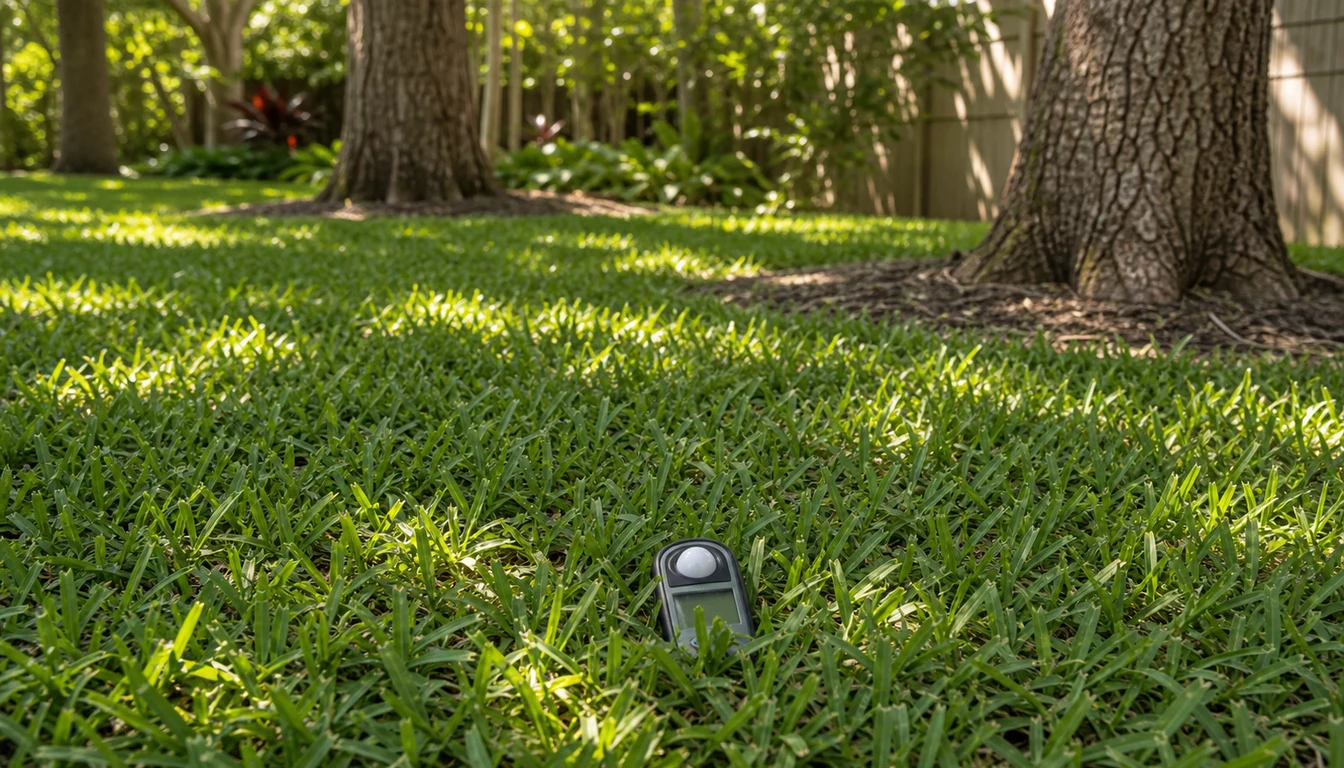
St. Augustine Grass
Stenotaphrum secundatum
Centipedegrass and St. Augustinegrass both spread through aboveground runners called stolons. That shared growth habit can hide important differences in the care they need and the conditions they tolerate.
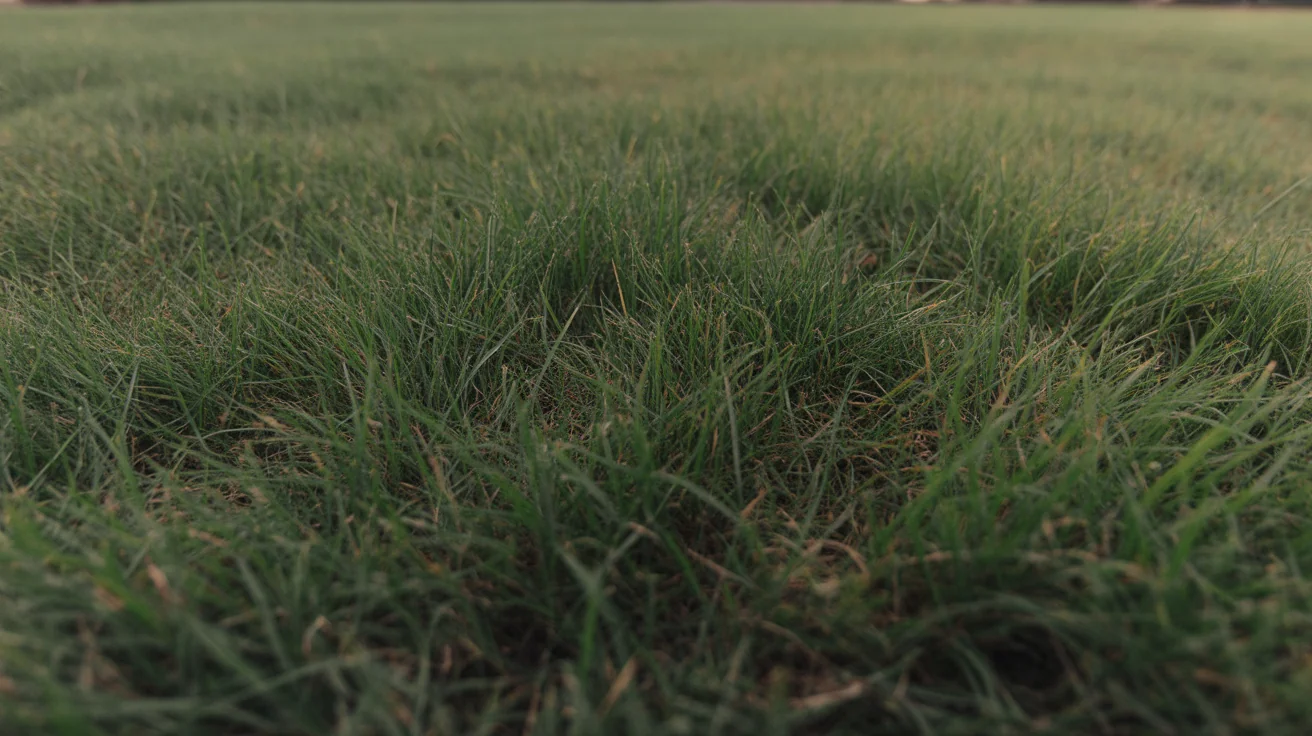
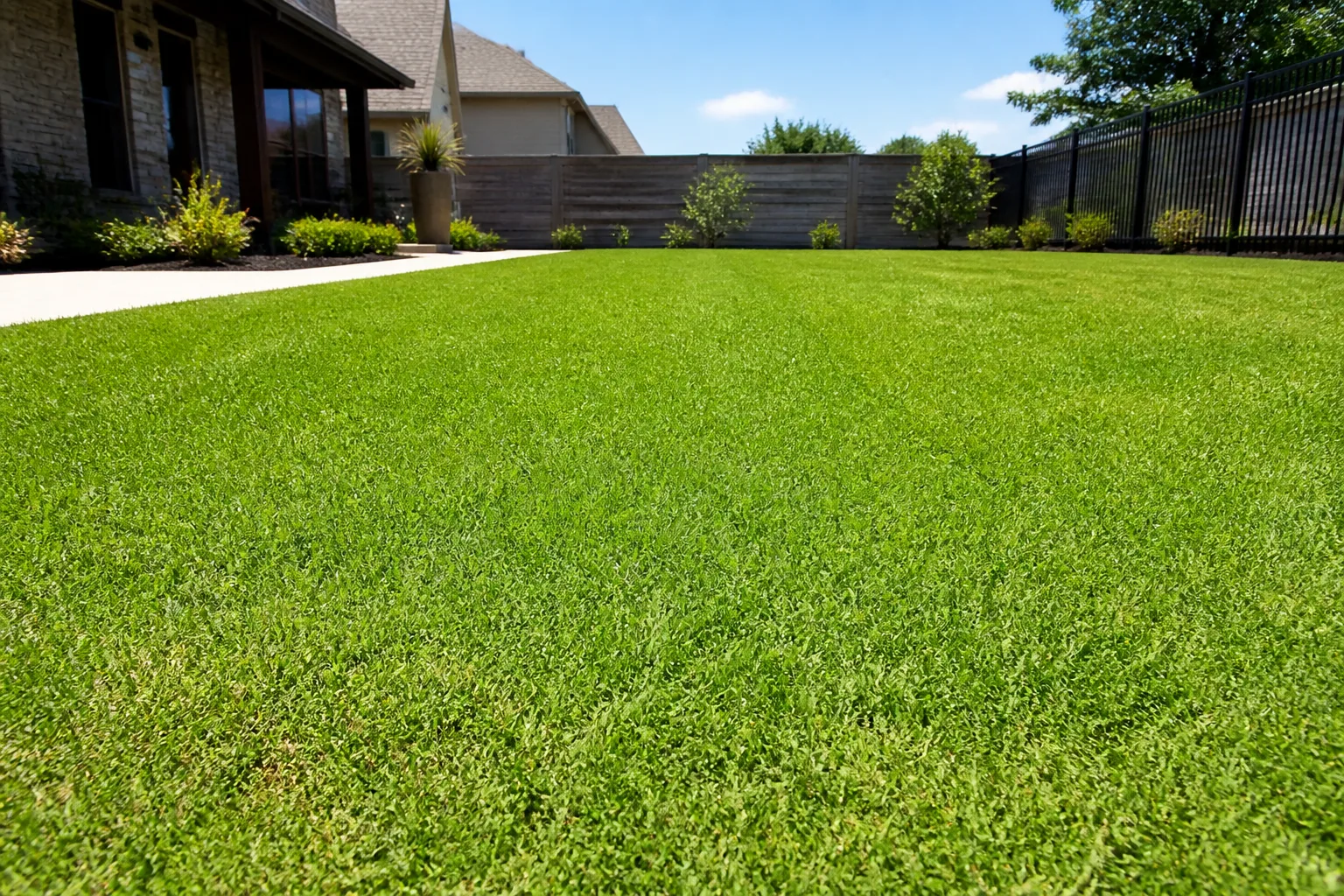
Centipedegrass is naturally lighter green and slower growing. St. Augustine has broader leaves, but a darker or thicker-looking lawn is not automatically healthier or tougher underfoot. The useful comparison begins with soil, light and how the space will be used.
For an existing lawn, NC State describes centipede leaves as alternating at the nodes, while St. Augustine leaves occur opposite each other. That distinction is more reliable than lawn color alone, which changes with cultivar, weather and nutrition.
Specifications
Compare the traits that change the growing decision.
| Feature | Centipede Grass | St. Augustine Grass |
|---|---|---|
| Routine fertility | Low relative requirement; excess nitrogen can cause problems | Generally a higher-input fertility program |
| Shade | Some tolerance, but heavy shade is unsuitable | Better potential, with substantial cultivar differences |
| Soil fit | Acidic soil; high pH can cause iron availability problems | Broader adaptation, still dependent on site and cultivar |
| Salt exposure | Poor tolerance | Better relative tolerance, not immunity |
| Spread and wear | Slow spread and limited wear tolerance | Faster spread but still poor under repeated traffic |
| Establishment options | Seed, sod, plugs or sprigs | Sod, plugs or sprigs; no practical lawn-seed option |
| Water needs | Low fertility does not establish drought performance | May need irrigation during extended dry weather |
The species comparison narrows the choice. Local winter conditions, the actual cultivar and the way the soil holds water still determine whether that choice will work. Neither a hardiness-zone number nor a fertilizer schedule describes all three.
Best Use Cases
Choose by the job the planting needs to do.
A lightly used lawn on acidic soil
Lower routine fertility demand
A sunny or lightly shaded lawn on suitable acidic soil can make good use of centipede’s modest fertility needs. Its slower growth reduces mowing demand, but it also leaves less capacity for rapid repair after damage.
St. Augustine can grow in sunny yards too. Its faster growth and higher maintenance demand become worthwhile when its other traits solve a real site problem, rather than simply because a dark green lawn looks appealing.
A yard with partial shade
The cultivar matters
St. Augustine has the stronger shade potential of these two grasses. UF/IFAS identifies meaningful differences within the species, including poorer shade tolerance in Floratam than in several other cultivars.
Centipede tolerates some shade but struggles in heavy shade. Neither choice promises a full lawn under dense tree cover, and a single sun-hour cutoff cannot represent every cultivar and site.
A worn path or dog run
Recovery speed is not wear tolerance
St. Augustine may fill a small gap faster during active growth, but Texas A&M lists traffic tolerance among its weaknesses. Faster spread does not mean shoots resist repeated crushing.
Centipede also performs poorly under traffic and compaction. Where feet repeatedly cross the same small area, replacing one with the other can leave the same bare route. A durable path may fit that part of the yard better than either turf.
Why a pale centipede lawn is not a feeding instruction
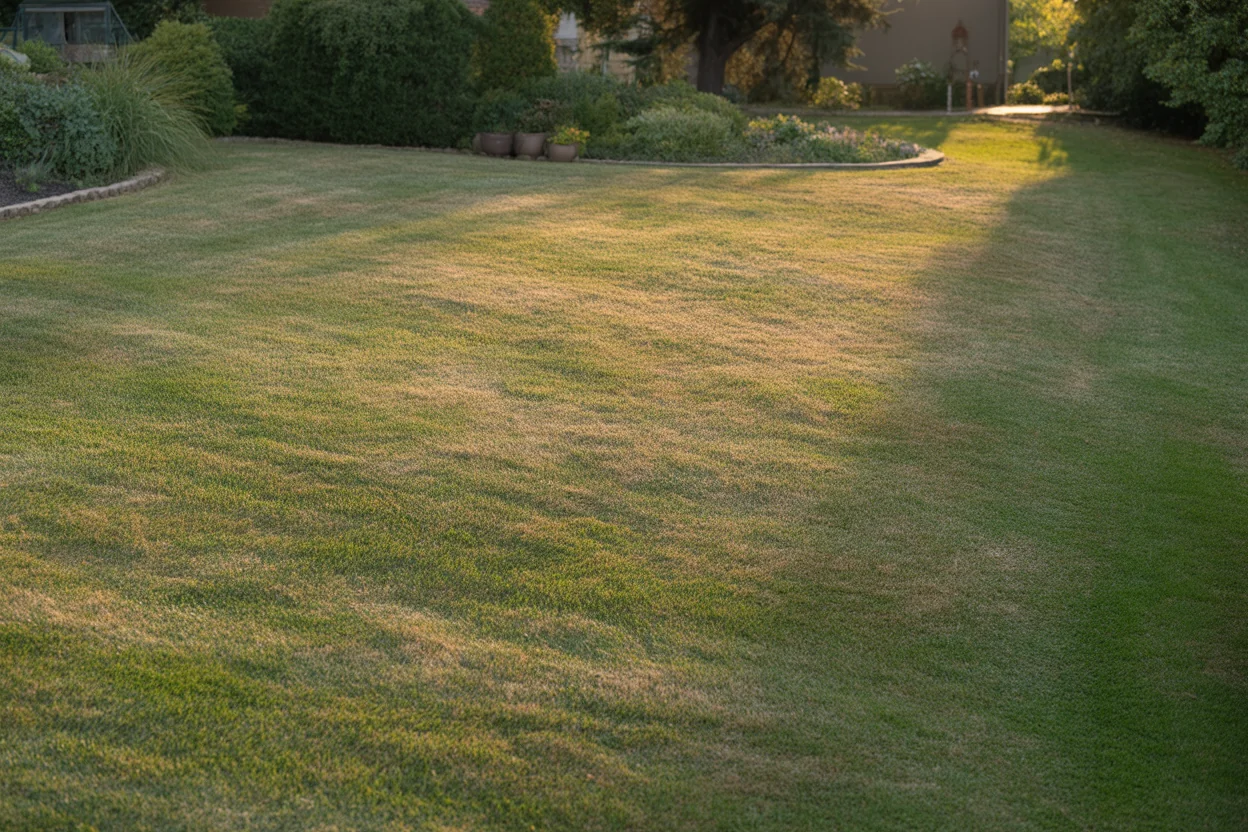
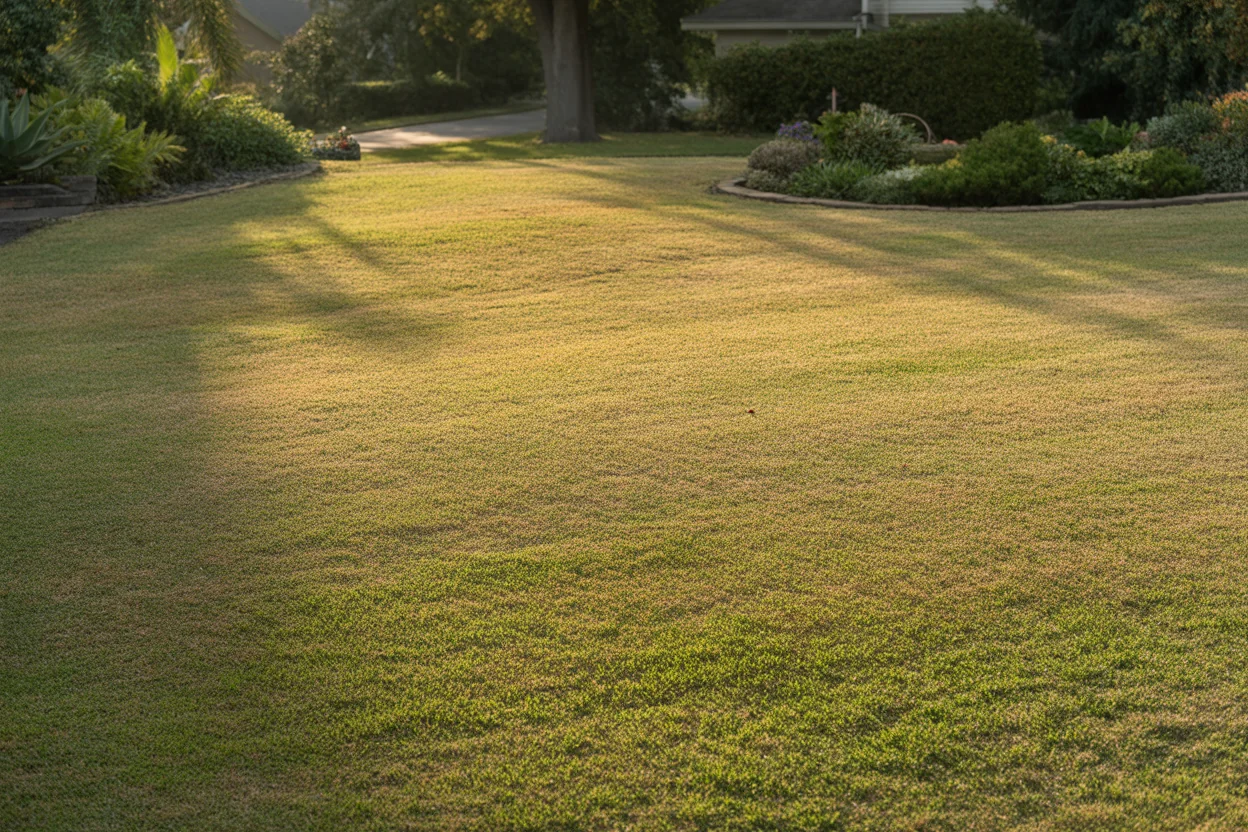
Centipede’s natural color creates an easy mistake. Trying to match the dark green appearance of another lawn by adding nitrogen can reduce cold tolerance and contribute to thatch and decline. Low fertility requirement means a restrained, locally appropriate program, not no nutrients at all.
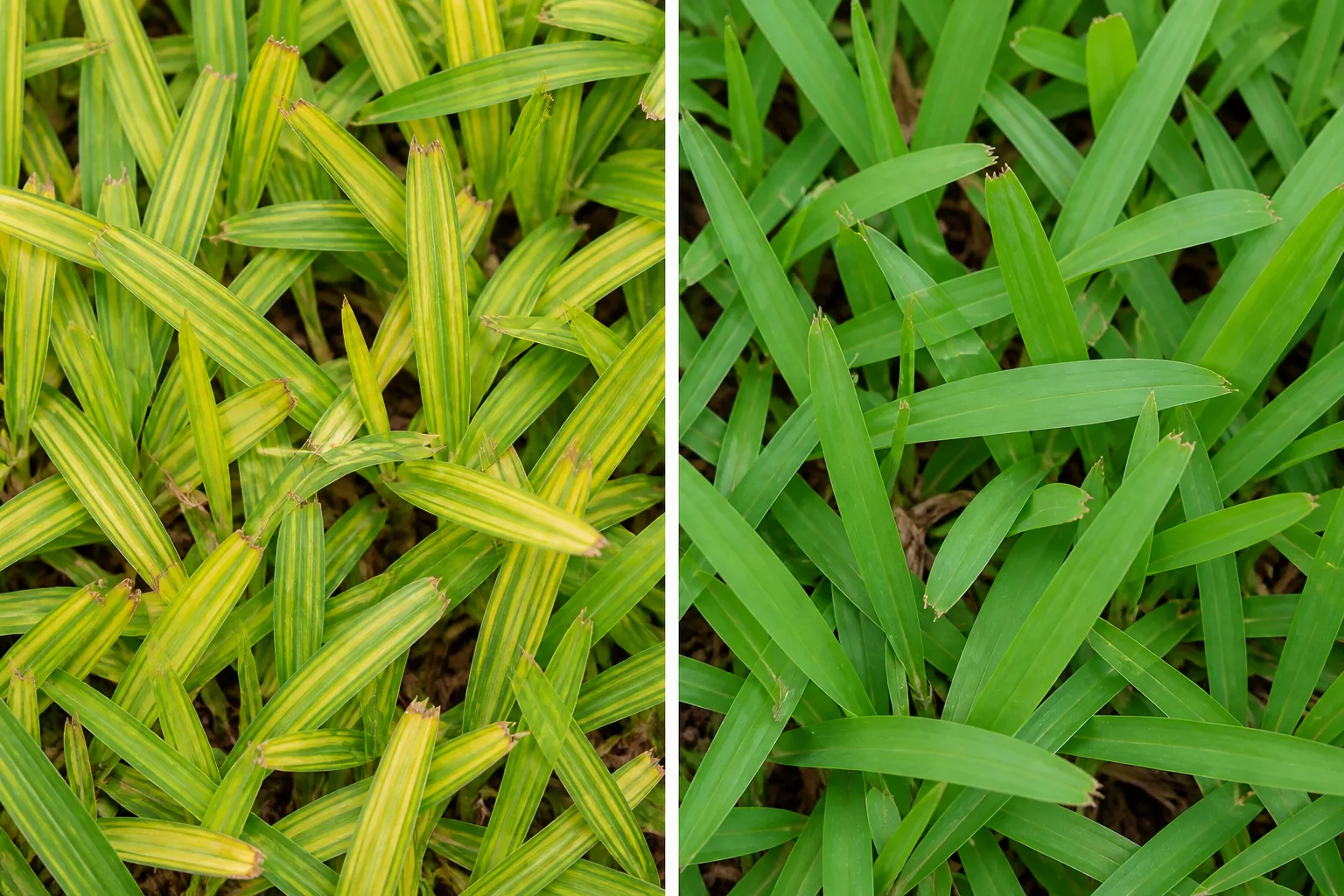
UF/IFAS also identifies a separate problem on higher-pH soils, where iron becomes less available to the grass. Yellowing associated with that condition does not establish a nitrogen shortage. More nitrogen will not correct the underlying soil fit.
Natural light-green foliage, yellowing between greener veins and a dying patch are different observations. Color alone cannot determine the cause or the right treatment. Soil conditions and the pattern of decline matter before a lawn is given more fertilizer.
The tradeoff is therefore partly about expectations. Centipede is a sensible choice when its natural appearance and slower growth are acceptable. It is a poor match for an owner who plans to push it toward another grass’s color and growth rate.
Shade, drought and salt are separate decisions
St. Augustine’s shade advantage is useful in a lawn with mixed sun and partial shade. It does not remove competition from tree roots or make dense shade suitable for turf. Floratam’s weaker shade performance is a reason to know which cultivar is being offered, rather than buying on the species name alone.
Water demand is a different question. NC State lists drought among centipede’s limitations, while UF/IFAS gives it a favorable relative drought rating in a Florida turf comparison. Those regional descriptions do not support a fixed irrigation saving against St. Augustine.
Texas A&M notes St. Augustine’s potential for deep rooting where soil conditions allow it. UF/IFAS also explains that it can need irrigation during extended dry periods. Root access to water, rainfall and the amount of green growth expected all affect the outcome.
Coastal exposure can reverse a choice based only on low fertilizer needs. UF/IFAS rates centipede poorly for salt tolerance and St. Augustine more favorably. That supports a relative preference, not a promise that St. Augustine will tolerate any salt concentration or irrigation-water quality.
Centipede can start from seed, while St. Augustine needs living pieces
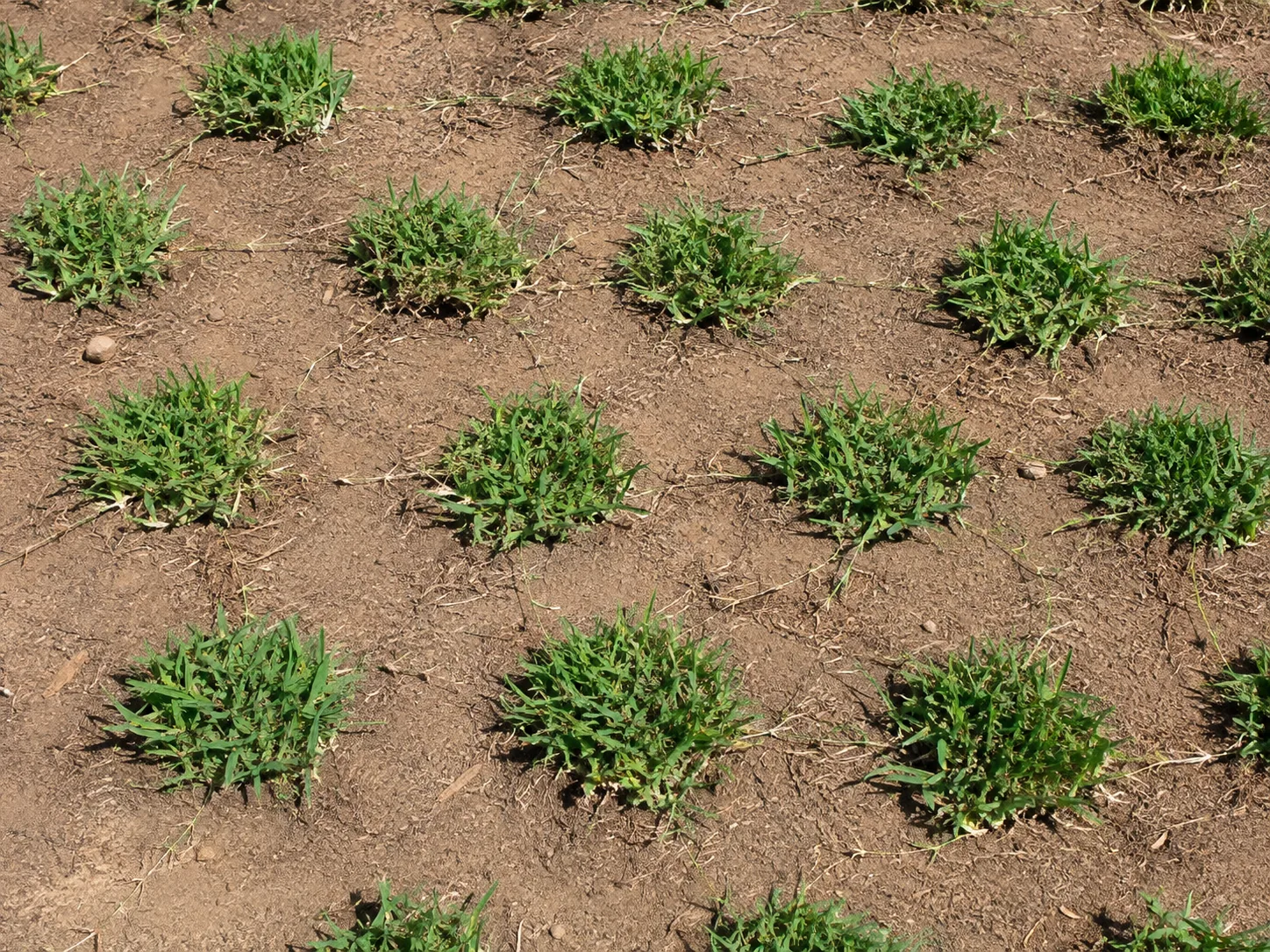
Centipede seed is a genuine establishment option. Slow germination and growth mean the site needs moisture and weed management while seedlings develop. Seed availability does not make a newly planted lawn ready for normal use.
St. Augustine is established with sod, plugs or sprigs. Its stolon nodes can form new roots and shoots, allowing separate planted pieces to spread across prepared ground. Plugs leave gaps that must fill, while sod supplies immediate surface cover.
Immediate cover is not the same as established roots. Newly laid sod still depends on establishment watering and protection while it roots into the soil below. A fixed number of weeks cannot guarantee that every installation is ready for foot traffic.
That is the practical cost comparison behind sod versus seed. The purchase price is only part of the decision, alongside site preparation, watering, weed control and how long the area can remain out of regular use. Centipede seed and St. Augustine plugs or sod involve different materials and establishment work, so the two lawns do not necessarily have similar starting costs.
Less feeding still leaves mowing and repair work
A lower-input lawn still needs attention when conditions change. Centipede’s slow growth can reduce routine mowing, but it also means damage may remain visible longer. Its low fertility demand does not make it a guaranteed lawn for weeks of unattended hot weather.
St. Augustine’s mowing height depends on cultivar. UF/IFAS distinguishes standard and dwarf types, so one low setting is not suitable for every St. Augustine lawn. Excessive fertilization and irrigation can encourage thatch rather than produce a more resilient surface.
Cold tolerance and pest susceptibility also vary. St. Augustine can be affected by chinch bugs and diseases, but that is not a reason for automatic preventive treatment. A damaged area needs identification of the actual problem before a treatment decision.