
Zoysia Grass vs St. Augustine Grass
Choose Zoysia for denser wear tolerance and lower long-term mowing pressure. Choose St. Augustinegrass when coastal warmth, partial shade, and quicker coarse-blade coverage matter more.
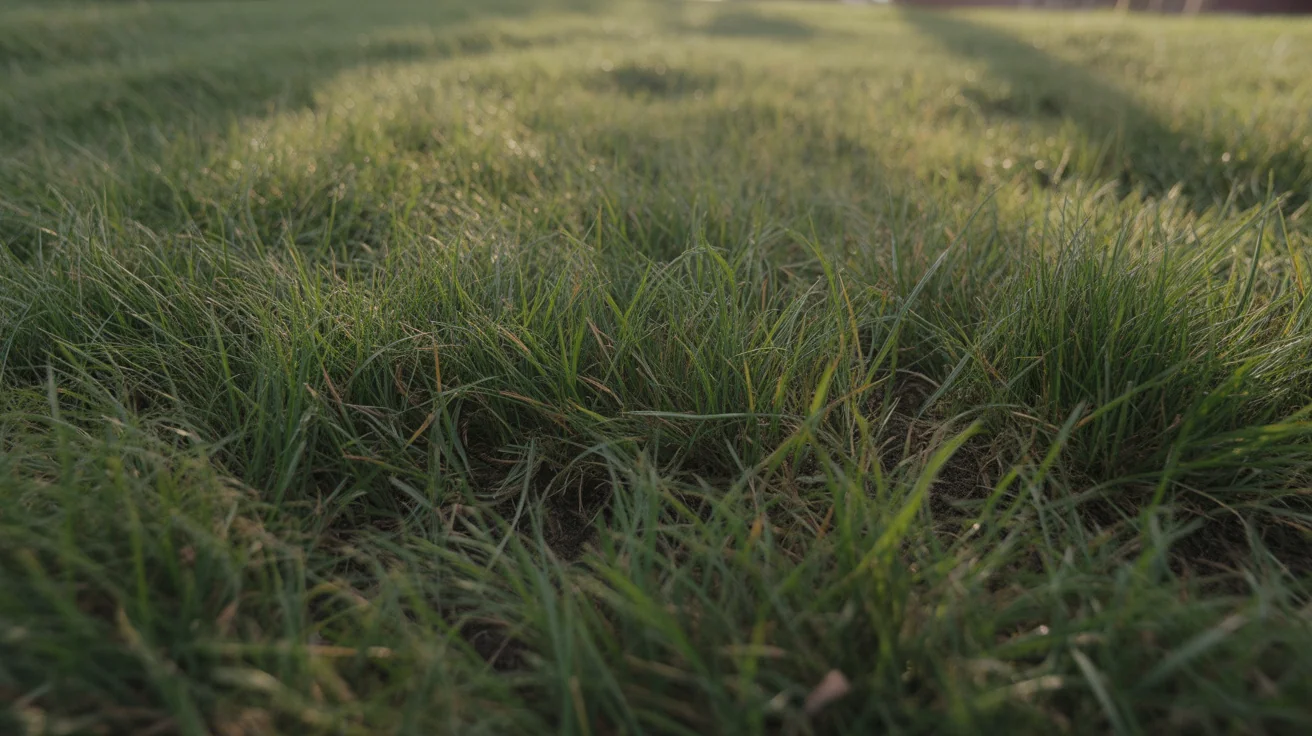
Zoysia Grass
Zoysia spp.
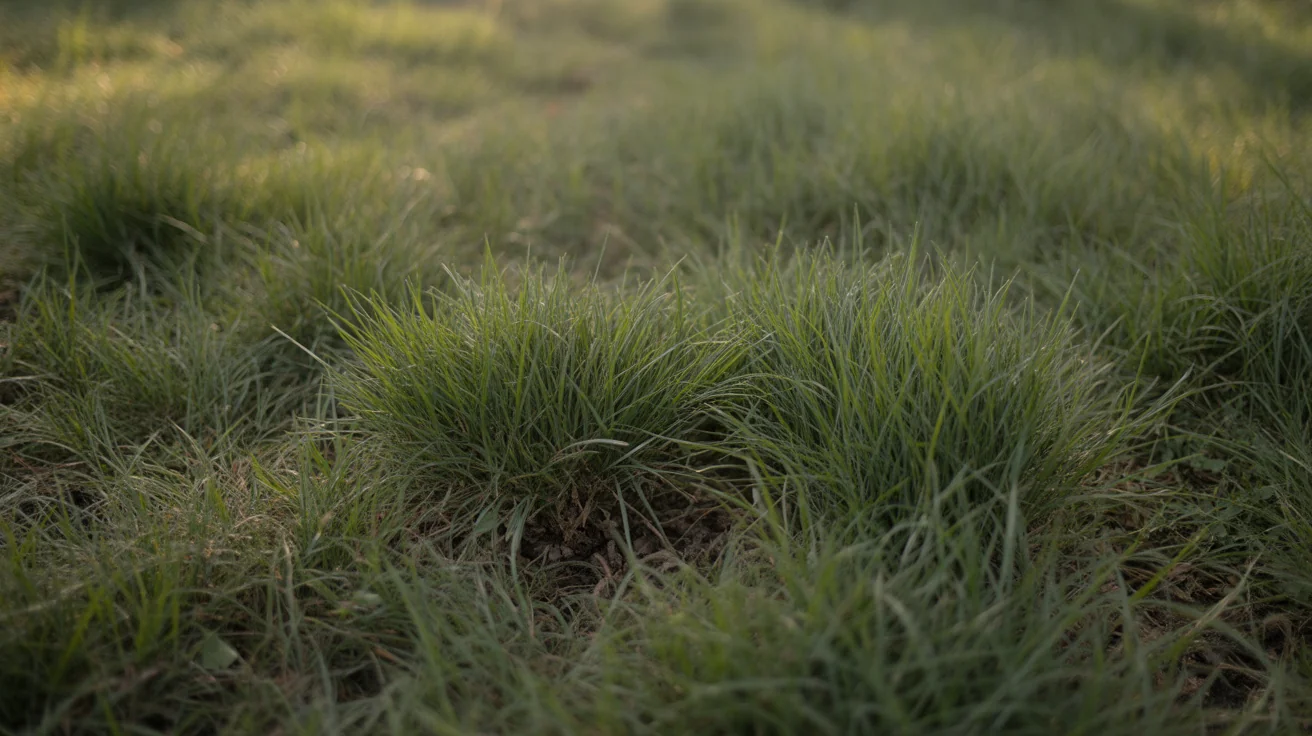
St. Augustine Grass
Stenotaphrum secundatum
Zoysia and St. Augustinegrass are both warm-season turf choices, but they answer different yard problems. Zoysia usually wins on density and wear.
St. Augustinegrass usually wins when partial shade and broad-blade coverage are the harder constraint.
That means the choice should start with site use, not color preference. A lawn that sees regular foot traffic and needs tighter turf often leans Zoysia.
A lawn with filtered light or coastal warmth often leans St. Augustinegrass if the owner accepts its heavier, coarser texture.
The decision frame comes down to durability versus shade-friendliness. Plant Zoysia when dense wear handling matters most.
Plant St. Augustinegrass when partial shade and quicker coarse-textured fill matter more than a finer turf finish.
Specifications
Compare the practical differences row by row.
| Feature | Zoysia Grass | St. Augustine Grass |
|---|---|---|
| Family | Poaceae | Poaceae |
| USDA Zones | 5-10 (varies) | 8-10 |
| Light requirement | Full sun, light shade | Sun to medium shade |
| Watering frequency | Low once established | Moderate to high |
| Drought tolerance | High | Moderate |
| Growth rate | Slow to moderate | Moderate to fast |
| Trailing / spread | Dense, slower spread | Aggressive stolons |
| Pet toxicity | Generally non-toxic | Generally non-toxic |
| Propagation ease | Sod, plugs, some seed | Sod or plugs only |
| Humidity preference | Tolerates humidity | Thrives in humid heat |
| Soil preference | Well-drained, various soils | Moist, fertile, not dry |
Start with the rows for shade response, wear tolerance, and mowing rhythm. Those are the traits that divide these two southern lawn options most clearly.
Texture and color are secondary. The harder question is whether the lawn needs to survive more footsteps or more shade.
Cost & Value
Zoysia Grass
- Sod often runs in the mid price range, but long life and low water use spread cost over many seasons.
- Mowing can be slightly less frequent because of its slower growth, saving a few passes each month in peak season.
- Lower nitrogen needs can trim fertilizer spending by one or two applications compared with more demanding warm season grasses.
- Initial establishment from plugs takes longer, sometimes a full growing season, so bare soil may show longer after installation.
- Specialized reel mowers may be preferred for best cut quality, adding equipment cost if you do not already own one.
St. Augustine Grass
- Sod is widely available in warm coastal markets, often with competitive pricing because farms grow it at large scale.
- Fast coverage from sod means you can enjoy a full yard within weeks, which matters for homes needing quick curb appeal.
- Higher water demand in hot, sandy soils raises ongoing utility costs when irrigation is needed several times per week.
- More frequent fertilization is common to keep color, so expect extra bags and possibly more weed control products yearly.
- Vulnerability to chinch bugs and disease can lead to periodic spot resodding, which adds unpredictable repair costs over time.
Sustainability
Zoysia can lower mowing frequency because it grows more slowly while still forming a dense turf once mature.
St. Augustinegrass can be the more sustainable choice in shadier southern sites because the wrong dense turf in low light usually thins and forces repair.
The better lawn is the one that matches both light and use, since durability without site fit is not durable for long.
Best Use Cases
Choose by the job the planting needs to do.
Hot, sunny yards
Brutal summer sun
Deep roots and high drought tolerance let Zoysia stay greener between waterings in long, hot spells. That matters in hose-only yards or where restrictions limit irrigation days in peak summer heat.
St. Augustine also loves heat but drinks more to stay green through long dry stretches. It can thin or show crispy patches faster if you miss irrigation in midsummer, especially on sandy coastal soils.
Kids and pets
High foot traffic
Traffic tolerance is a strong point for Zoysia, which forms a dense mat that resists wear and divots. Recovery is not lightning fast, but the turf usually holds together better than many lawn grasses used for play areas.
Runner-heavy growth lets St. Augustine fill bare spots faster after damage. That helps over time, but repeated pounding from dogs or kids can turn it muddy sooner than tougher options like sports-turf bermuda on very active lawns.
Partial shade
Under trees or fences
Moderate shade tolerance gives Zoysia a chance under open trees, but it still wants several hours of sun. In dense afternoon shade, it usually thins, leaving patchy areas that invite weeds or bare soil.
Natural shade tolerance makes St. Augustine the go-to for dappled areas and east-facing yards. It handles fewer direct sun hours before thinning, so it often wins under oaks, alongside walls, and between taller shrubs or privacy plantings.
Low-maintenance care
Less water, less fuss
Once established, Zoysia typically needs fewer irrigation cycles and tolerates skipped waterings well. That lower input fits homeowners who do not want tight schedules or heavy fertilizer to keep their lawn looking reasonably green.
St. Augustine asks for more consistent moisture and nutrients to avoid thinning, especially in sandy or salty coastal soils. It can stay attractive, but expect more attention and products than truly low-input choices like buffalo-type lawns.
Cold edge zones
Borderline climates
Zoysia tolerates slightly cooler edges of warm-season regions and can work into parts of cooler zones. However, winter dormancy brings full brown turf, so neighbors growing cool-season grasses may keep greener winter lawns.
St. Augustine is more cold sensitive and suffers winter damage closer to its northern limit. Neither grass suits truly cold regions, where options like deep-rooted fescue mixes or bluegrass stay greener during cool-season months.