Zone 12: Tropical

The average annual extreme minimum falls within 50°F to 60°F. Use that limit for perennial winter survival, then add local heat, frost timing, wind, soil, and moisture.

Winter band
50°F to 60°F
Regional overlap
0 climate regions
Best use
Screen returning plants

Use Zone 12 as a winter limit

USDA Zone 12 has an average annual extreme minimum temperature of 50°F to 60°F. Use it to screen winter survival, then check heat, frost dates, and soil.

Good decision

Use the zone to remove trees, shrubs, and perennials that cannot survive the expected winter low.

Incomplete decision

Do not use the number alone for annual planting dates, summer heat, irrigation, soil drainage, or disease pressure.

The same zone behaves differently across the country

Regional cautions

Use local extension guidance for frost dates, wind, rainfall, and elevation in very cold zones.

Check four conditions after winter hardiness

Season plan

  1. Last spring frostSets the earliest practical timing for tender plants.
  2. Summer heat and humidityCan stress plants that survive the winter easily.
  3. Root-zone drainageWet winter soil and dry summer soil create different failures.
  4. Yard microclimatesWalls, slopes, wind, and low pockets can shift exposure inside one property.

Zone 12 next steps

Half zones and temperature bands

USDA splits each 10°F zone into two 5°F half zones. The 1991-2020 map averages the coldest night of each year at 13,412 weather stations; it is not the coldest temperature ever recorded.

Zone 12 at a glance

Half zoneAverage annual extreme minimum (°F)Same range (°C)
12a50°F to 55°F10.0°C to 12.8°C
12b55°F to 60°F12.8°C to 15.6°C

Zones 12 and 13 appear only on the USDA maps for Hawaii and Puerto Rico.

Frost dates are not part of the zone. Find them for the weather station nearest you with our frost date calculator guide, then count your season with the frost date calculator.

Sources: USDA Plant Hardiness Zone Map, USDA ARS 2023 map release, NOAA NCEI U.S. Climate Normals.

Plants whose published range includes Zone 12

Grouped by plant type. Each note repeats the hardiness, light, and water lines from the plant's own profile. Confirm the exact cultivar before buying.

Plant shortlist

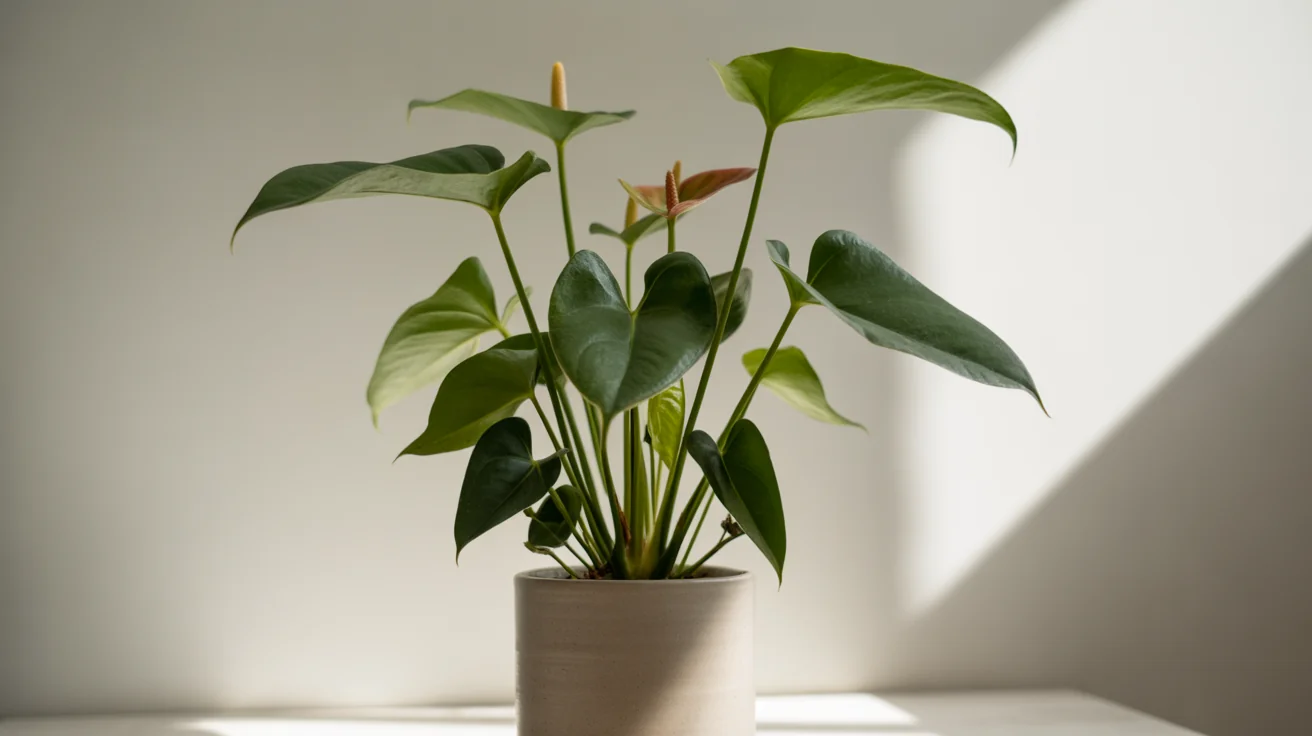
Anthurium with glossy heart-shaped green leaves and a small bronze-colored spathe

Houseplants 8

  • Anthurium: Winter hardy outdoors in USDA Zones 11–12 · Bright indirect light, direct sun can scorch the leaves · Water when the mix is nearly dry, checked 1–2 in down
  • Croton: USDA Zones 11–12 for outdoor growth · Bright filtered light indoors; sources differ on direct sun, so raise exposure gradually · Water when the upper mix dries; drain excess water
  • Ficus Audrey: NC State species range is Zones 10–12 outdoors, not an indoor temperature target · Bright, indirect light across the crown · Water when the top 2–3 inches are dry
  • Monstera Adansonii: Zone 10-12 outdoors, houseplant elsewhere · Bright, indirect light; direct sun scorches leaves · Water thoroughly, let top 1-2 inches dry

All 8 houseplants for Zone 12

Vegetables 1

  • Eggplant: Warm-season annual (short-lived perennial in zones 9-12) · Full sun, 6+ hours · About 1 in a week, kept even

Zone 12 questions

What temperatures define USDA Zone 12?

Zone 12 covers an average annual extreme minimum of 50°F to 60°F. Half zone 12a runs from 50°F to 55°F and 12b from 55°F to 60°F. The 2023 USDA map uses 1991-2020 data from 13,412 weather stations.

Does Zone 12 tell me my frost dates?

No. A hardiness zone describes winter lows only. Frost dates come from local weather station records, such as the NOAA 1991-2020 U.S. Climate Normals, so look them up for the station nearest you before you plan planting dates.

How many KnowTheYard plant profiles include Zone 12?

9 published profiles state a hardiness range that includes Zone 12, across 2 plant categories. Hardiness is the first filter; check light, water, heat, and mature size on each profile.