Care snapshot
- Light
- Full sun
- Water
- Low, drought tolerant
- Height
- 2 to 4 ft
- Zone
- Zones 3 to 9
- Spread
- 1.5 to 3 ft
- Temperature
- Thrives in heat and lean soil
What Is Little Bluestem, and Why Grow It?
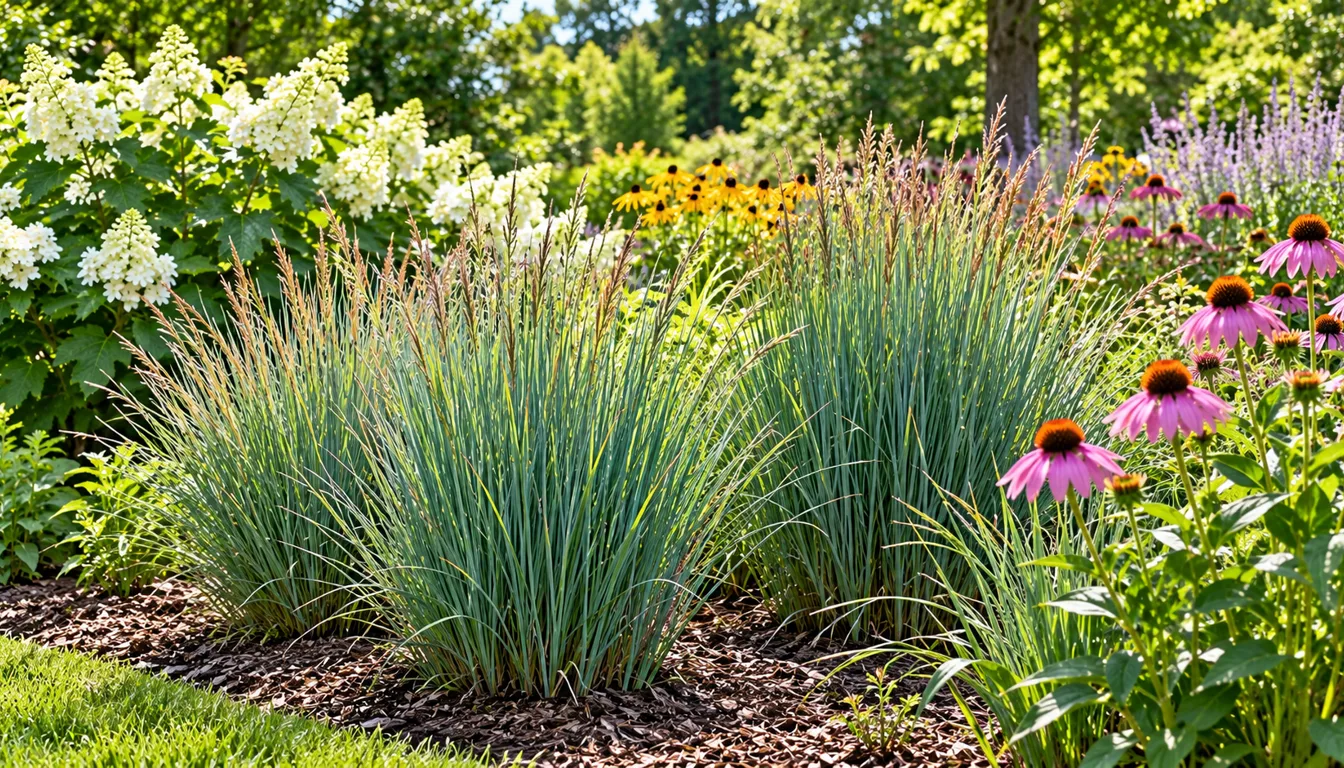
Little bluestem (Schizachyrium scoparium) is a warm-season prairie grass found throughout the 48 contiguous states except the far western, coastal areas (Wisconsin). NC State gives narrow, erect clumps 2 to 4 feet tall, hardy in zones 3 to 9, and Nebraska Extension notes that the Perennial Plant Association named it the 2022 Perennial Plant of the Year.
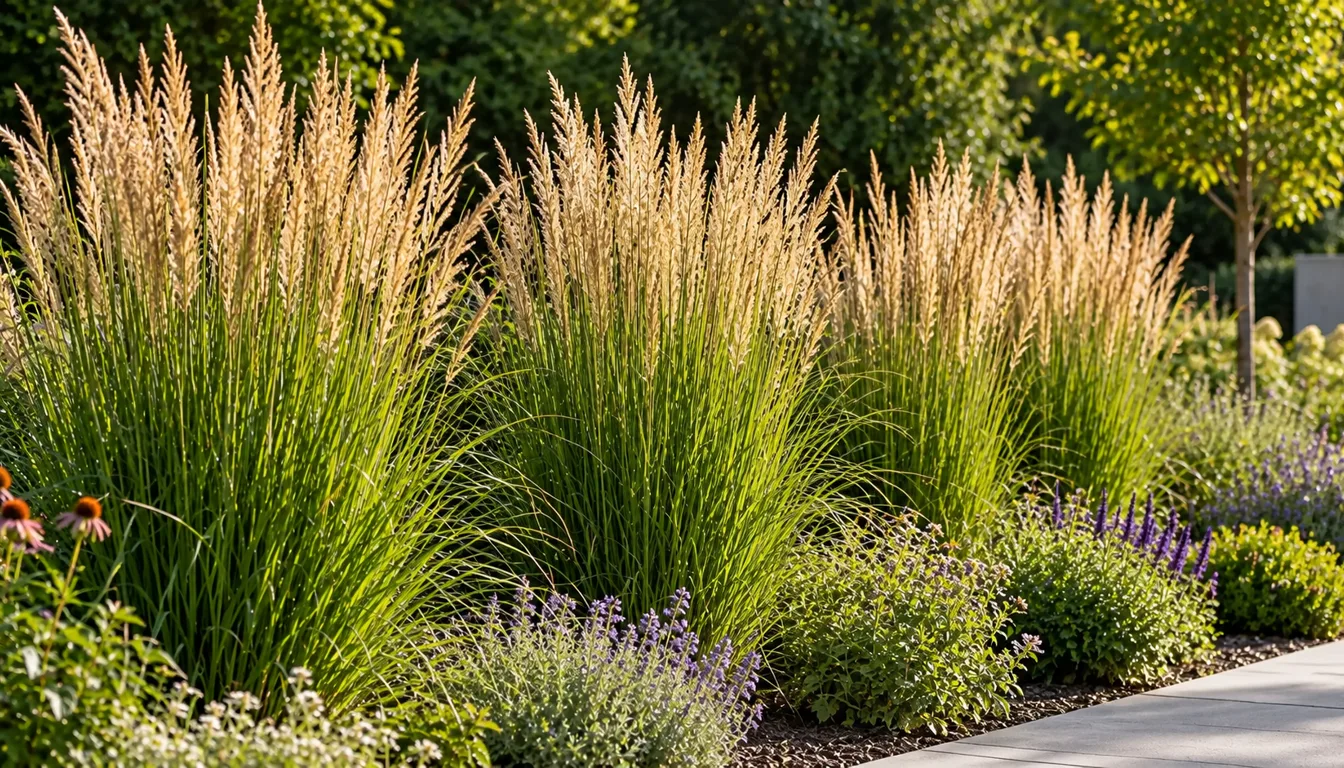
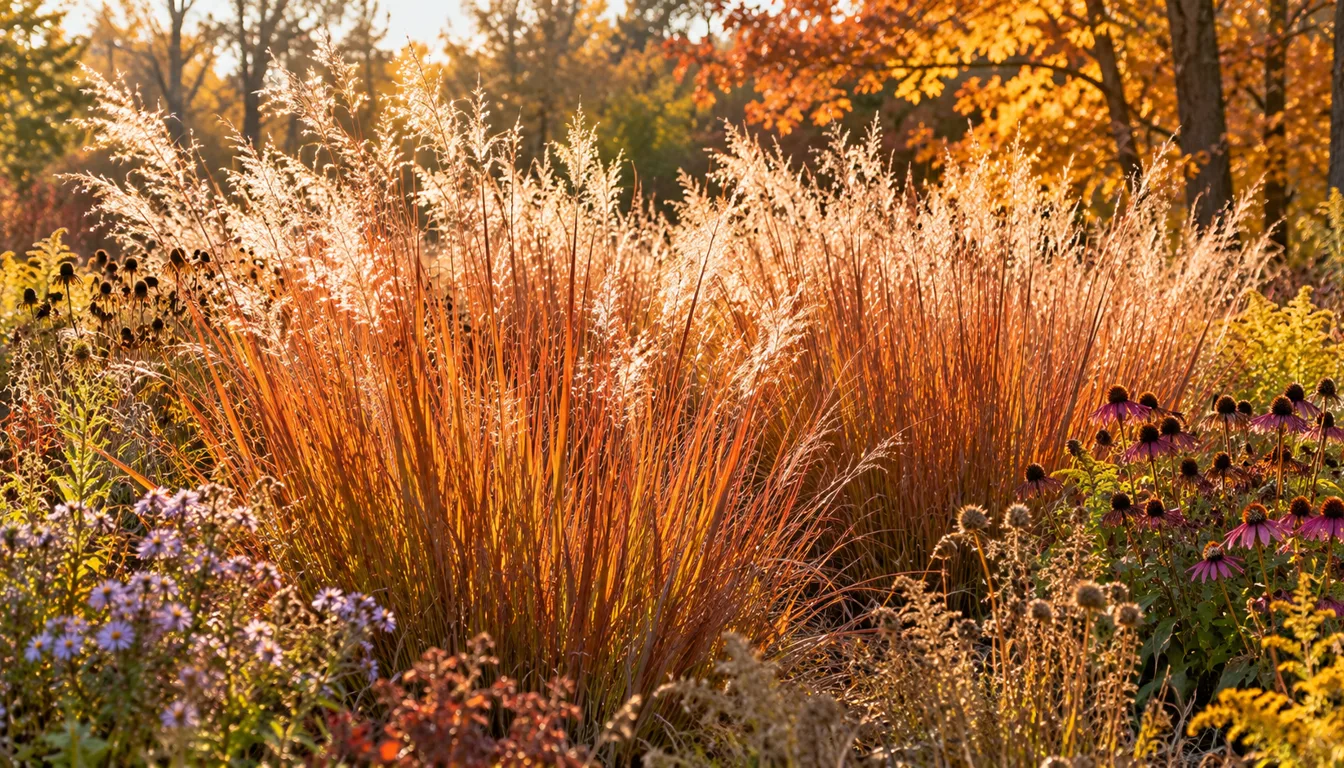
In summer the blades have a bluish cast, and after frost the clump turns a reddish or coppery color that, in NC State's words, does not fade throughout winter. That is the reason to leave it standing, because the clump keeps its shape, texture and color in the winter landscape (Wisconsin).
Late in summer the stems carry fluffy seed heads about 3 inches long, in shades from blue to silvery gold or white, and the plant provides food and habitat for songbirds, upland gamebirds and small mammals.
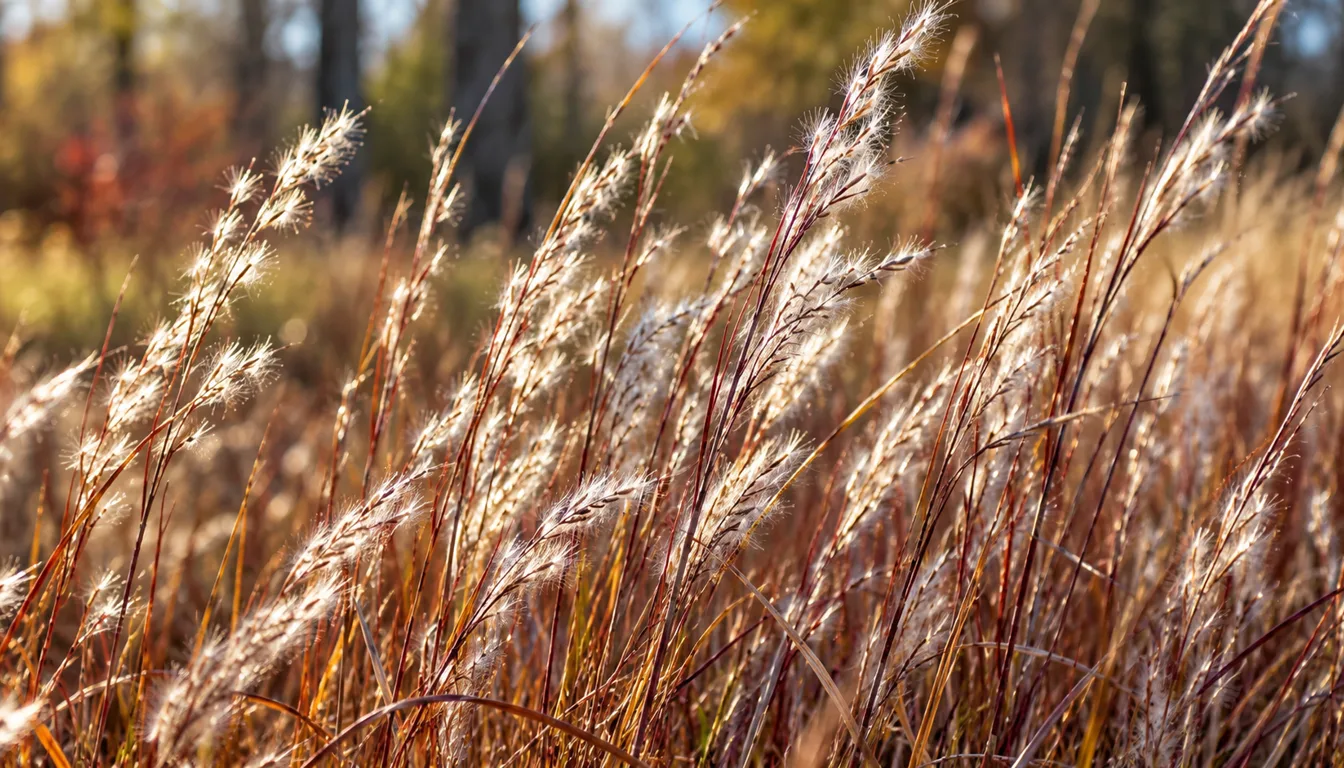
Heights depend on the season and the cultivar. Wisconsin says the clumps stay 1 to 2 feet high until late summer, when the stems lengthen into flowering stems that may reach 5 feet, and Nebraska Extension gives 2 to 3 feet depending on the cultivar.
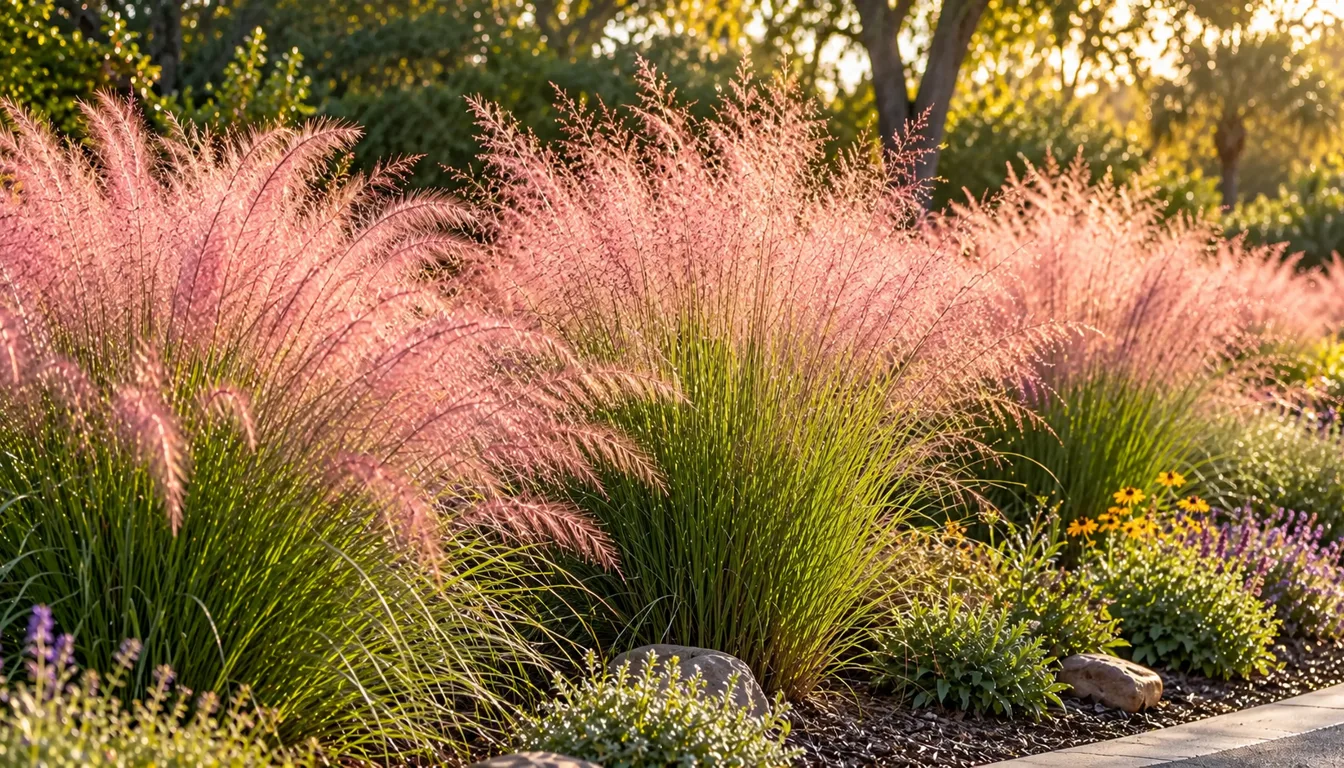
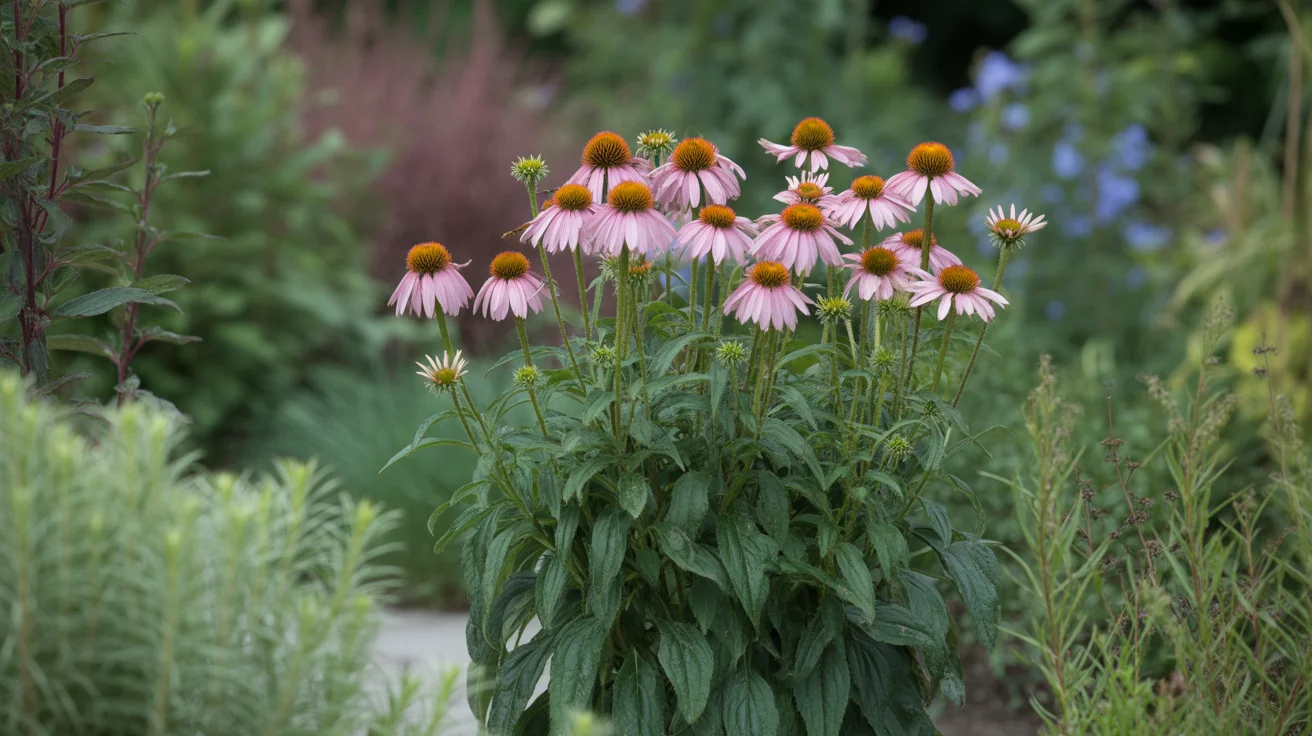
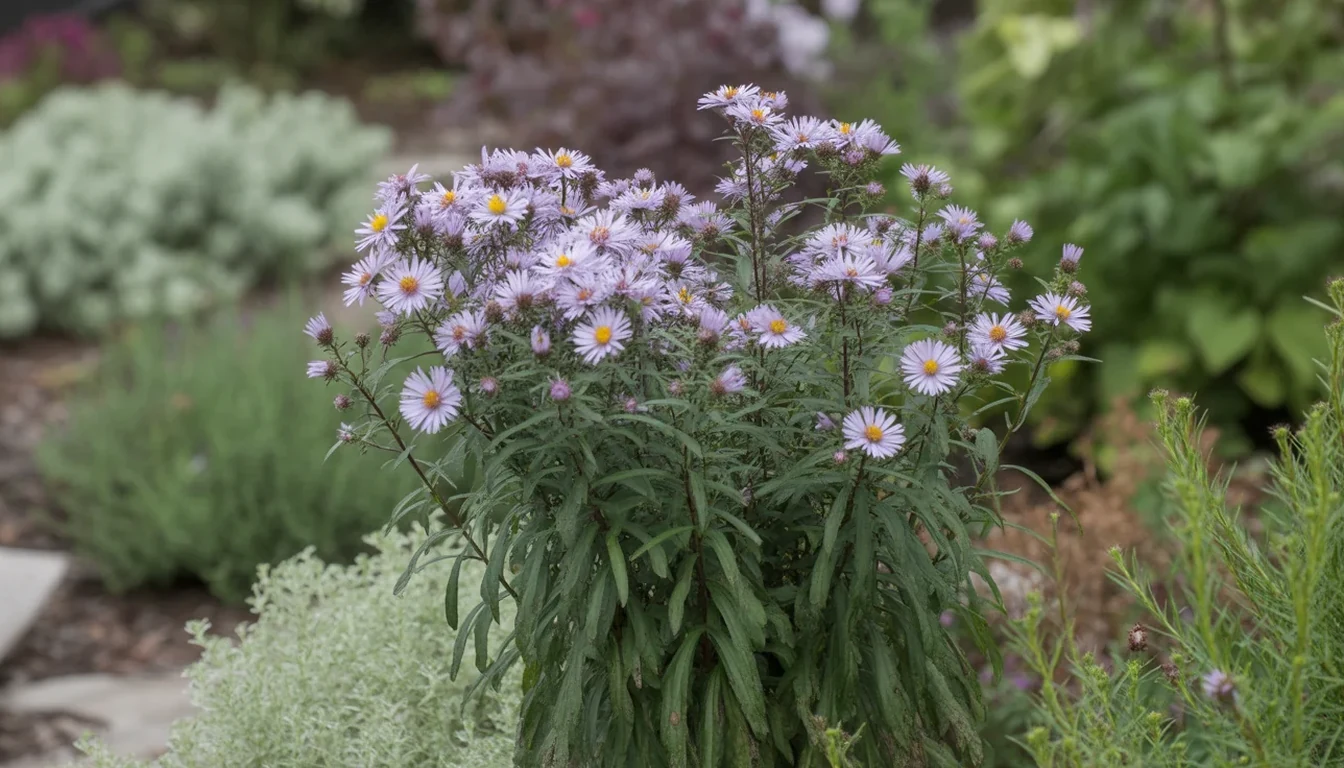
The upright clump suits blooming perennials, and Nebraska Extension names coneflower, sedum, coreopsis, blanketflower and asters. Clemson says pink muhly grass is also best planted in full sun and is extremely drought tolerant once established, so pink muhly grass shares the same site. For other grasses, see the guide to ornamental grasses.
What Site and Soil Keep Little Bluestem Upright?
Plant little bluestem in full sun. NC State describes dry to medium-moist, well-drained soil and says it tolerates a wide range of soils, including infertile soil and clay, with excellent drought resistance once established. Wisconsin adds that it is not recommended for heavy clay, although it will grow on clay soils.
Rich soil makes a clump fall over more easily. Wisconsin says it is prone to lodging, which means falling over at the base, in rich soils, because the plant grows taller on fertile soils and is more prone to flopping late in the season. Watering and overfertilizing promote lodging as well, and Nebraska Extension says keeping soil nitrogen low is important to prevent lodging, flopping or the need for staking.
At planting time, three steps matter.
- Loosen heavy or compacted soil before planting so young roots develop better (Nebraska).
- Plant in spring when you can, since Wisconsin says grasses planted in fall may not establish well enough to survive winter.
- Space plants about as far apart as they are tall, which is the University of Minnesota's rule of thumb for native grasses, and allow for the 1.5 to 3 foot width NC State gives.
Give new plants plenty of water until they are established. After that, the University of Minnesota says additional irrigation is unnecessary for most native species.
Cultivars differ in height, how upright they stand and how they color, and some flop more than others. The University of Minnesota reports that ‘The Blues’ can easily lodge in rich soil and ‘Prairie Blues’ can be very open and prostrate, while ‘Standing Ovation’ is upright.
- ‘Blue Heaven’
- Taller, more upright foliage in steel blue with purple highlights (NC State), 2 to 4 ft (Nebraska).
- ‘Standing Ovation’
- Wide blue leaves with red tips and red to maroon fall color (NC State), in a tight, uniform clump about 2 to 3 ft high (Wisconsin).
- ‘The Blues’
- Blue foliage and red stems (NC State), about 30 to 36 in tall and 18 in wide (Wisconsin).
- ‘Jazz’
- Silvery blue foliage turning purple to deep bronze, a shorter sport of ‘The Blues’ at 2 to 2.5 ft (Nebraska).
- ‘Ha Ha Tonka’
- Blue-green foliage with light-catching hairs (NC State).
When Do You Cut Back Little Bluestem?
Leave the clump standing through winter, and cut it back in late winter or early spring before new growth starts (NC State, Nebraska). Wisconsin sets the cut at 2 to 4 inches, while NC State says to cut to the ground. The University of Minnesota notes that standing grasses shelter wildlife in winter, which is why it waits until very early spring to remove the old growth. NC State adds that mulch should stay away from the crown.
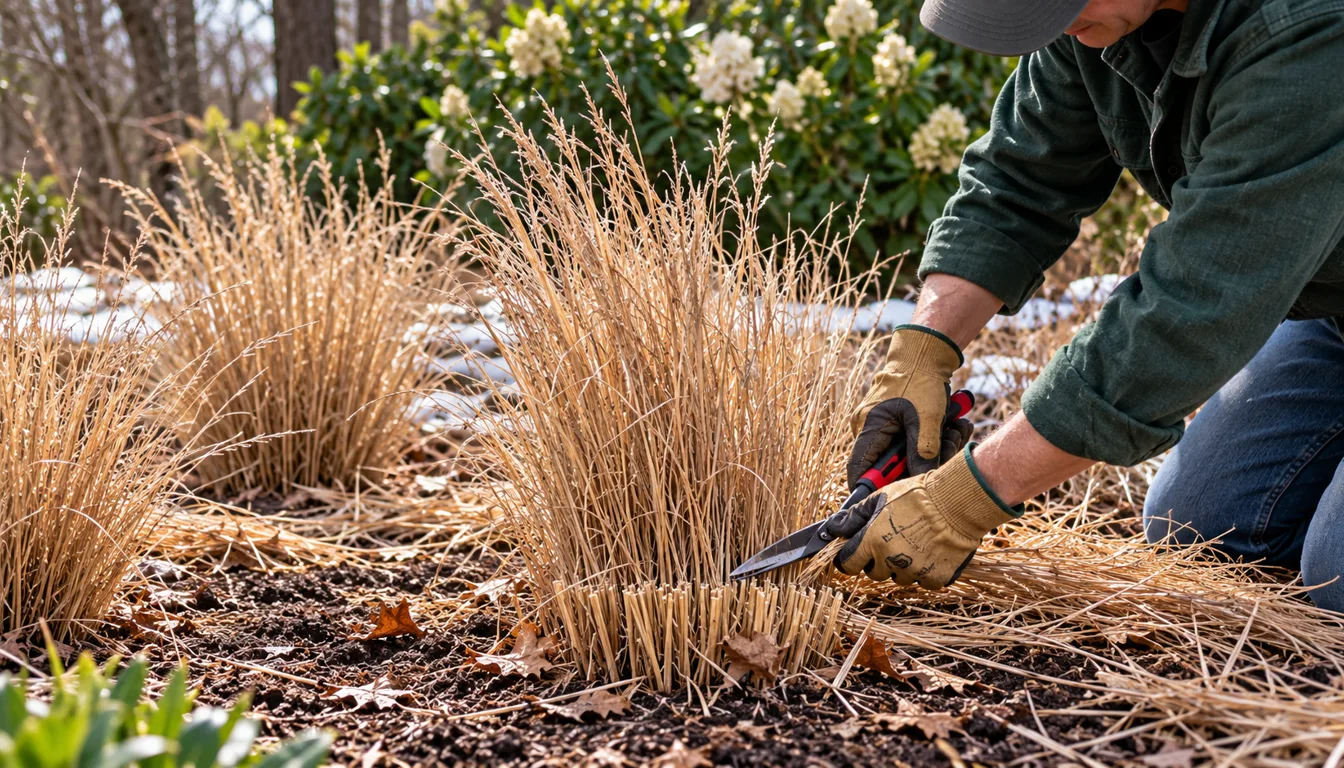
Wisconsin says the clumps do not need to be divided very often. When an older clump dies in the middle and leaves a doughnut shape (University of Minnesota), divide it in early spring by following these steps.
- Wait until new growth starts, so you can tell the live material from the dead.
- Chop through the crown with a sharp spade or knife.
- Remove the old, dead growth.
- Replant the crown sections and water generously until they are established.
The University of Minnesota lists little bluestem as a self-seeder, and for self-seeders it advises watching for seedlings and hand weeding.
How Does Little Bluestem Compare With Switchgrass?
Switchgrass (Panicum virgatum) is another native prairie grass. NC State calls it one of the more dominant species of the tallgrass prairie, hardy in zones 5 to 9, and a clump that reaches 3 to 4 feet and measures up to 7 feet with its flower plumes. It can spread slowly through creeping rhizomes, and its pink-tinged flower panicles hover over the foliage like a cloud.
- Little bluestem
- 2 to 4 ft in a narrow, erect clump, with copper fall color that lasts through winter, in dry to medium-moist, well-drained soil (NC State)
- Switchgrass
- 3 to 4 ft, to 7 ft with plumes, in a dense clump that can spread slowly, with yellow-orange fall color, in moist clay or sandy soil (NC State)
- Best use, bluestem
- Borders, meadows and container plantings (NC State)
- Best use, switchgrass
- The back of a border, a screen, or beside a pond (NC State)
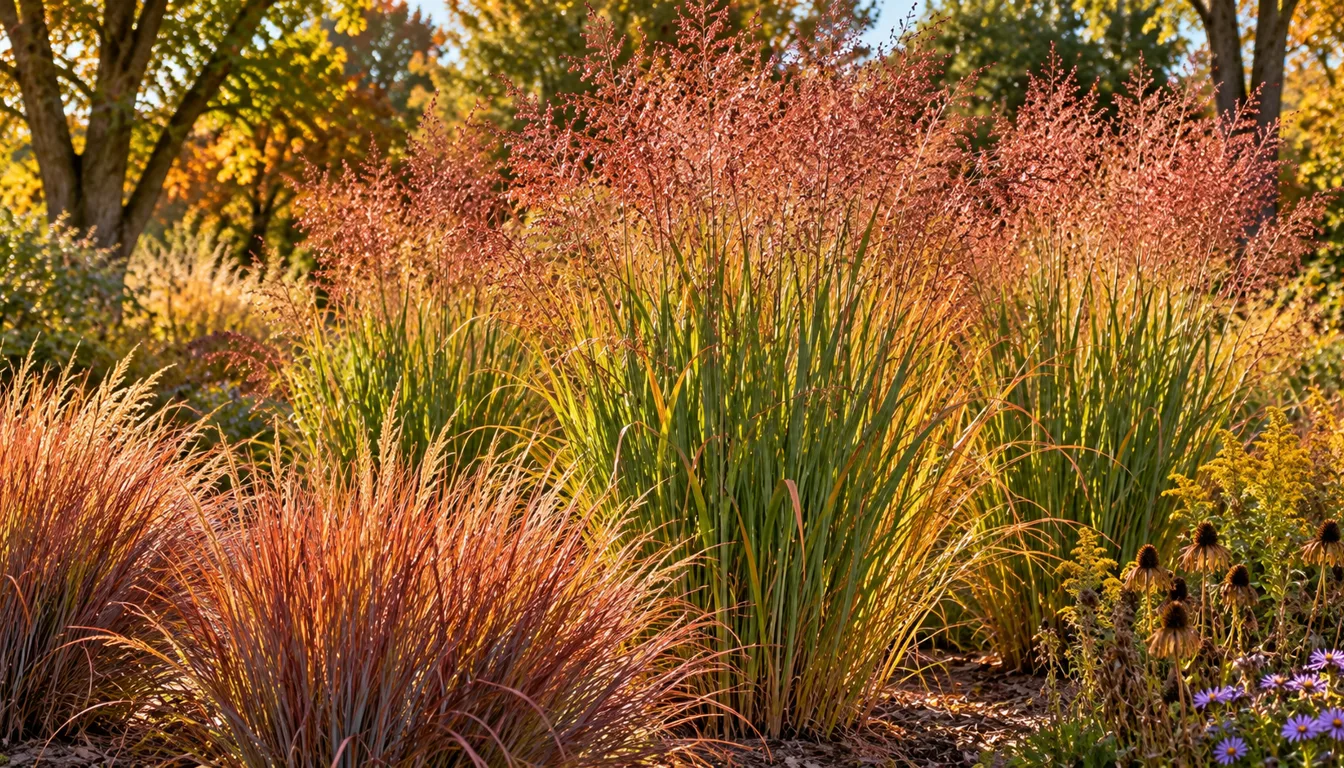
Switchgrass also wants full sun. NC State accepts partial shade, but the plant will not grow as tightly and may flop over, and it is pruned back in late winter as little bluestem is. Cultivars vary in size, from ‘Shenandoah’ at 4 feet with red leaf tips and burgundy fall color to ‘Northwind’ at 5 feet, erect, with blue leaves and gold fall color (NC State).
The University of Minnesota calls ‘Northwind’ very stiff and upright and good for a vegetation screen when planted close together, and the list of perennials for privacy screens has more options. It also warns that switchgrass is competitive and can be aggressive, and that some cultivars self-sow large amounts of seed.
What Causes Flopping in Little Bluestem?
NC State lists no significant problems for little bluestem. When a clump falls over, Nebraska Extension traces it to one of three causes, and the University of Minnesota adds a fourth.
- Too much shade, since avoiding shade or low light reduces lodging (University of Minnesota).
- Too much water, which promotes lodging (Wisconsin).
- Too much nitrogen, because lodging is often associated with high nutrient loads in the soil (University of Minnesota).
- The cultivar, because some are more prone to lodging than others (University of Minnesota).
A clump that has already fallen can be held up by staking it and circling a string around it (University of Minnesota). The same source says that managing grasses by dividing them and cutting them back each year prevents them from getting too big and heavy at the top.
The University of Minnesota lists little bluestem among the grasses that rust most commonly affects. The same source shows rust as brown or orange discoloration on the leaves of some grasses in mid to late summer. It is not a fatal disease, but it does discolor the foliage.
Deer are a point where the sources differ. NC State rates little bluestem as highly resistant to deer browsing, while Wisconsin says rabbits and deer readily graze it.
In spring, a bare clump is not necessarily dead. Wisconsin says the plant is slow to emerge, and Nebraska Extension says it starts growth in late spring.
Pet safety is unknown, since neither the ASPCA nor NC State rates little bluestem or switchgrass.
Frequently Asked Questions
When should I cut back little bluestem?
Cut it in late winter or early spring, before new growth starts. Wisconsin gives a height of 2 to 4 inches, and NC State says to cut it to the ground. Leaving it standing until then keeps the copper winter color.
Why is my little bluestem flopping?
Nebraska Extension traces flopping to too much shade, too much water, or too much nitrogen. Rich soil and heavy fertilizing also promote it (Wisconsin), and some cultivars flop more than others (University of Minnesota).
Is little bluestem the same as switchgrass?
No. Little bluestem is a clump 2 to 4 feet tall with copper fall color, while switchgrass reaches 3 to 4 feet, up to 7 feet with its plumes, and can spread slowly through creeping rhizomes (NC State).
Does little bluestem spread?
Little bluestem grows in clumps (NC State), and the University of Minnesota lists it as a self-seeder, so watch for seedlings and hand weed them.
Can little bluestem grow in clay?
Yes. NC State says it tolerates clay and infertile soil, though Wisconsin does not recommend it for heavy clay. Give it full sun.
How tall does switchgrass get?
NC State lists switchgrass at 3 to 7 feet, with cultivars from about 4 feet (‘Shenandoah’) to 5 to 7 feet (‘Cloud Nine’).
Sources & References
- Schizachyrium scoparium, North Carolina Extension Gardener Plant Toolbox
- Panicum virgatum, North Carolina Extension Gardener Plant Toolbox
- Little Bluestem, Schizachyrium scoparium, Wisconsin Horticulture Extension
- Little Bluestem, 2022 Perennial Plant of the Year, Nebraska Extension in Lancaster County
- Little bluestem, Gardening with Native Grasses in Cold Climates, University of Minnesota
- Planting, Gardening with Native Grasses in Cold Climates, University of Minnesota
- Maintenance, Gardening with Native Grasses in Cold Climates, University of Minnesota
- Management, Gardening with Native Grasses in Cold Climates, University of Minnesota
- Switchgrass, Gardening with Native Grasses in Cold Climates, University of Minnesota
- Ornamental Grasses and Grass-like Plants, Clemson Cooperative Extension HGIC
- Baptisia australis, North Carolina Extension Gardener Plant Toolbox