verifiedSource Reviewed
Tradescantia Nanouk
Tradescantia albiflora 'Nanouk'
Family: Commelinaceae
wb_sunnyLight
Bright indirect light; direct sun for best color
water_dropWater
Moderate; let top inch dry between waterings
heightHeight
6-12 inches tall; trails 18-36 inches
publicZone
Outdoors in Zone 9-12; indoors anywhere
Native Region
Central America (cultivar origin)
biotechCandy-Color Stems and Fast Refill Growth
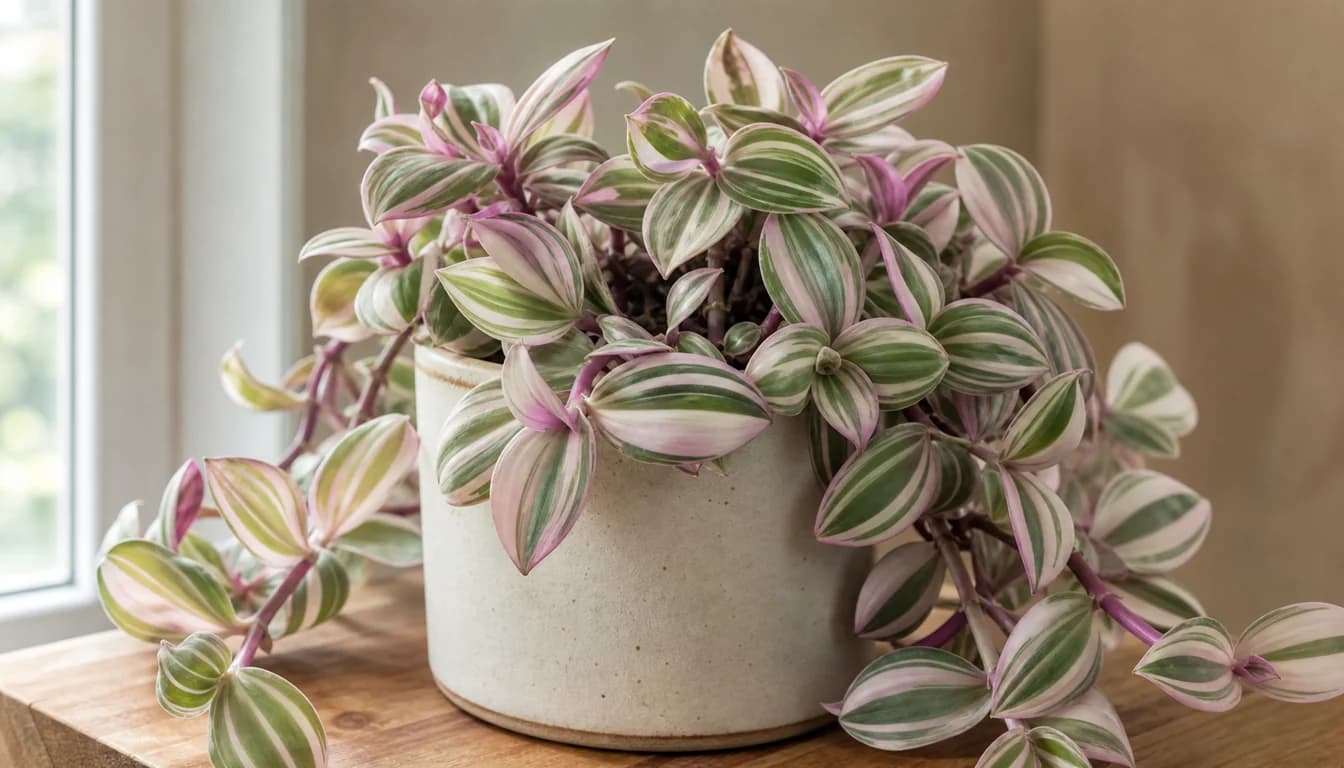
Developed by Dutch breeder Peter van Doorn in the 1990s, Tradescantia Nanouk took the rather plain Tradescantia albiflora genome and cranked every dial — thicker stems, wider leaves, and striping that ranges from bubblegum pink to deep violet depending on light. The succulent, water-storing stems are the practical bonus: they make Nanouk genuinely hard to kill, even if you forget it on vacation.
Striping is the reason people buy this plant, and it's also the reason people get obsessed. Each leaf carries longitudinal bands of pink, purple, and cream that shift in intensity based on light exposure — the same phenomenon that makes polka dot plant spots brighten under grow lights.
In a bright east window, the pink reads almost fluorescent. Move it to a dim corner and those same bands wash out to a muted sage, the purple fading first. The plant stays alive either way, but you bought it for the color.
Expect speed. A single stem can add 6 to 12 inches in a month during peak growing season — the kind of visible, day-by-day progress that makes this plant deeply satisfying for impatient growers.
The flip side: skip trimming for a few weeks and you'll have long, sparse vines with color concentrated only at the tips. Regular cuts keep the whole plant dense and photogenic; treat it more like a fast-refreshing color crop than a slow trailing plant such as satin pothos.
- fiber_manual_recordGrowth habit: trailing, cascading with thick, succulent stems
- fiber_manual_recordMature size: 6-12 inches tall; trails 18-36 inches from a hanging basket
- fiber_manual_recordLeaf texture: thick, succulent; pink, purple, and cream stripes; 2-4 inches long
- fiber_manual_recordGrowth rate: very fast — 6-12 inches per month in peak season
wb_sunnyLight for Pink, Purple, and Cream Striping
Nanouk's striping is light-dependent — give it bright indirect light and the pink bands reach peak saturation within a week or two. An east-facing window with a sheer curtain is the sweet spot: enough photons to keep the colors vivid, not so many that the thin leaf tissue scorches.
The relationship between light and color is direct and observable — move this plant to a brighter spot and you'll see the pink deepen within days.
Here's what separates Nanouk from string of turtles — it actually benefits from direct sun. Satin pothos stays happier with softer light, but a few hours of gentle morning sun from an east window push Nanouk's pink into vivid, almost neon territory.
Afternoon sun from a south or west window is a different beast entirely: the leaves bleach to a washed-out tan and the edges crisp. If winter light is dim, a grow light on a 12-hour timer holds the color through the dark months.
The general range: 3 to 5 feet from a south or east window with filtered light. Too close to a west window and you'll see bleaching within a week; too far from any window and the stems stretch toward the light, producing pale, washed-out leaves with thin stems between them.
Best color3-5 feet from a south or east window with bright, filtered light
Morning sunA few hours of direct east light intensifies pink and purple bands
Low lightSurvives, but color fades pale green and stems stretch
AvoidUnfiltered afternoon sun that bleaches the vibrant stripes
Guide — See AlsoAir Purifying Plants for Cleaner Indoor AirLearn how to pick, place, and care for air purifying plants so they help your indoor air instead of just looking pretty.
chevron_rightwater_dropWatering Without Stem-Base Rot
Those fleshy stems are water reservoirs, which means Nanouk is more forgiving than calathea orbifolia. It is nowhere near as dramatic as the plants that wilt the moment the soil dries out. Water when the top inch of soil feels dry to the touch — press your finger in and judge for yourself.
During spring and summer that lands around every 7 to 10 days; winter stretches to 10 to 14 days as growth slows and the soil stays damp longer.
The real danger isn't drought — it's soggy soil. Succulent stems sitting in wet potting mix rot from the base upward, turning translucent and mushy before the whole vine collapses.
If you spot that soft, glassy look at the soil line, pull the plant out, cut every affected stem above the rot, and let the roots air-dry for a day before repotting in fresh, dry mix.
Nanouk isn't fussy about water quality — standard tap water works without issue. If you've struggled keeping calatheas happy with tap, this is a refreshing change: no distilled water required, no brown leaf tips from minerals.
- check_circleCheck soil first: water when top inch is dry — use a chopstick or finger
- check_circleSoak and drain: water thoroughly, then empty the saucer within 30 minutes
- check_circleReduce in winter: stretch to every 10-14 days when growth slows
- check_circleWatch for mushy stems: translucent, soft stems = overwatering — cut back immediately
That rhythm matters more than perfection. Nanouk forgives the occasional dry stretch, but it looks rough fast when the stem bases stay wet week after week.
Nanouk's succulent stems make it a great plant for travelers — it can go 2-3 weeks without water and barely notice. Just make sure the pot has drainage holes.
Email Updates
Join the KnowTheYard update list
Zone-specific advice, seasonal reminders, and new plant guides — no filler.
compostPotting for Rapid Root and Vine Turnover
Think of the soil mix as insurance against root rot. Nanouk's succulent stems sitting in dense, waterlogged potting soil is a recipe for collapse — you want a blend that drains fast and dries evenly.
A commercial cactus mix works out of the bag, or mix your own: two parts standard potting soil to one part perlite. The perlite creates air pockets that keep roots oxygenated between waterings.
Because Nanouk grows so quickly, the roots fill a pot faster than you'd expect. Plan on repotting every 6 to 12 months, or whenever you see roots circling the drainage holes. Go up exactly one size — 2 inches wider in diameter — and always use fresh soil.
Leaving the plant in old, compacted mix forces the roots to fight for oxygen, which leads to yellowing leaves and stalled growth.
A lightweight hanging basket — plastic or macramé — is the natural home for Nanouk. Let the vines cascade 18 to 24 inches over the rim before trimming; beyond that length, the base of the stems thins out and the display looks sparse at the top.
Regular trimming and replanting the cuttings back into the same pot is the trick that keeps a hanging Nanouk looking full year-round.
Soil mix2 parts potting soil, 1 part perlite; fast drainage protects succulent stems
Pot typeLightweight hanging basket, plastic nursery pot, or macramé hanger
RepottingEvery 6-12 months, or when fast roots circle the drainage holes
Best timingSpring, when growth resumes and cuttings can refill the pot
Guide — See AlsoBest Herbs to Grow Indoors for Real Harvests, Not Spindly PotsChoose indoor herbs that can actually produce in your light, temperature, and container setup, then match each one to th
chevron_right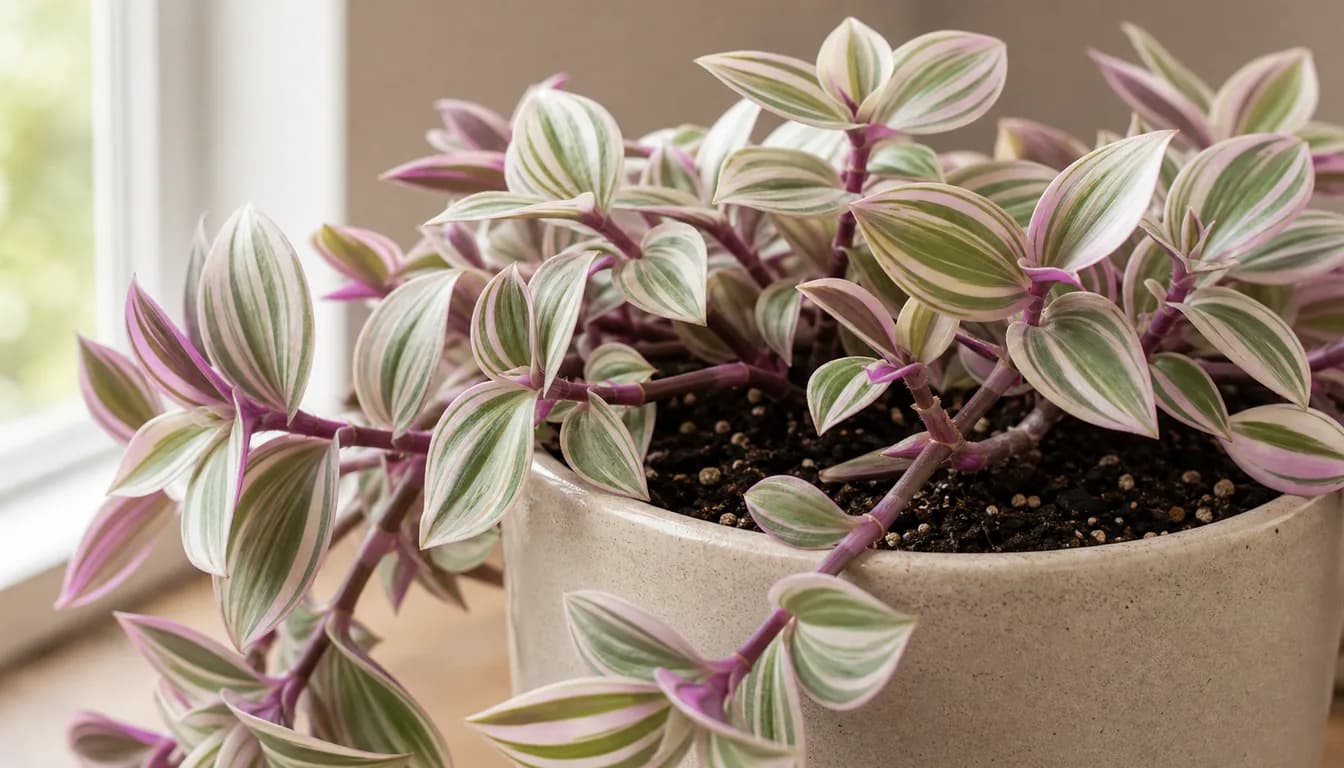
content_cutCuttings That Rebuild the Pot
Propagation is where Nanouk earns its reputation. Stem cuttings root in water within 3 to 5 days — fast enough that you can watch the white root nubs emerge and lengthen in real time. It's the kind of propagation experience that converts casual plant owners into obsessive propagators.
Snip a 4 to 6 inch section of stem with at least two or three leaves intact, cutting just below a node — that's where the roots emerge. Drop it into a jar of room-temperature water placed in bright, indirect light.
Change the water every few days to keep it clear. Within a week you'll see white roots reaching downward; by two weeks, they're long enough to plant in soil. For comparison, donkey's tail takes months to show comparable root growth from cuttings.
Trimming the parent plant back to a leaf node doesn't just produce cuttings — it triggers the stem to branch from that node, which doubles the foliage density over a few weeks. This self-reinforcing cycle (cut, branch, cut again) is why a single Nanouk can fill a hanging basket in one season and supply enough cuttings to give every friend a starter plant.
- check_circleStem cuttings: 4-6 inches with several leaves; cut below a node
- check_circleWater propagation: roots in 3-5 days; change water weekly
- check_circleSoil propagation: insert into moist soil; roots in 1-2 weeks
- check_circleTrimming: cut back to leaf node to encourage branching and bushier growth
pest_controlAphids, Fading Color, and Thin Tips
Nanouk's thick, succulent leaves repel most common houseplant pests — but aphids have figured out that the tender new growth at the stem tips is soft and nutrient-rich. That's exactly where Nanouk's most vivid color sits, so an aphid cluster doesn't just damage the plant — it mars the part you bought it for.
Aphids respond quickly to insecticidal soap or neem oil — spray the stem tips thoroughly, and repeat every three days until they're gone. Spider mites show up in dry winter air; fine webbing on the undersides of leaves is the giveaway.
Increase humidity around the plant and wipe each leaf with a damp cloth to disrupt the mite colonies. A weekly wipe-down through winter prevents most infestations before they start.
The issue that catches most owners off guard isn't a pest at all — it's color loss. When the pink stripes fade to pale green and the purple dulls to a muddy brown, the plant is telling you it needs more light. Shift it closer to a window or add a grow light. The striping usually recovers within one to two weeks of new growth.
- fiber_manual_recordAphids: small green or black insects on new growth — spray with neem or insecticidal soap
- fiber_manual_recordSpider mites: fine webbing on undersides — increase humidity, wipe leaves
- fiber_manual_recordLoss of color: insufficient light — move to brighter spot
- fiber_manual_recordLeggy stems: thin growth with wide leaf gaps — needs more light; trim back
Guide — See AlsoBest Indoor Plants for Every Room and Light LevelA practical guide to choosing the best indoor plants for your home, covering beginner-friendly picks, low light champion
chevron_rightcalendar_monthSeasonal Trimming for a Full Pink Plant
Late spring through early summer is when Nanouk truly shows off — growth accelerates to the point where you can measure new stem length day by day. Feed with a balanced liquid fertilizer at half strength every two weeks during this window. The combination of bright light and regular feeding is what produces the most saturated pink and purple banding of the year.
Midsummer is the ideal window for taking cuttings — the growth is vigorous enough that the parent plant recovers from a hard trim within a week, and the cuttings root almost immediately in warm conditions.
Cut back to a leaf node, propagate the trimmings, and replant them in the same pot for a fuller display. This mid-season reset is what separates a lush, dense Nanouk from one that's long and sparse.
Growth drops off sharply in winter — the plant doesn't go dormant, but it's not actively expanding either. Pull back on watering to every 10 to 14 days, skip fertilizer entirely, and accept that the pink will soften somewhat in lower light.
If maintaining color matters to you, a grow light on a 10 to 12-hour timer through the dark months keeps the striping vivid and prevents the gradual reversion to green that happens in unlit north-facing rooms.
SpringResume feeding and trim any pale, stretched winter stems
SummerPeak growth; take cuttings, trim often, and feed every 2 weeks
FallReduce watering, stop fertilizing, and save cuttings before slowdown
WinterWater every 10-14 days; use a grow light if color matters
petsSap Irritation and Pet Placement
Tradescantia Nanouk is toxic to cats and dogs — all Tradescantia species contain compounds that cause skin irritation in pets and oral irritation when chewed. The sap can also cause dermatitis in sensitive humans.
For humans, the sap causes itchy skin rash on contact — this is the most common complaint. Wear gloves when pruning or propagating, and wash hands afterward. The rash is uncomfortable but not dangerous.
If you want a pet-safe trailing plant with colorful foliage, consider peperomia for the same thick-leaf feel. String of turtles is another good fit if you want a turtle-shell pattern. Our houseplant collection flags pet safety on every profile.
Tradescantia Nanouk causes skin irritation in pets and humans. Wear gloves when handling and keep out of reach of cats and dogs.
local_floristNanouk Versus Other Tradescantia Types
The 'Nanouk' cultivar is the most colorful form, but several other Tradescantia varieties offer different color palettes.
Tradescantia albiflora 'Nanouk'The candy-colored classic — pink, purple, and cream stripes; thick, succulent stems.
Tradescantia zebrinaWandering jew — silver and purple stripes; faster growing but thinner stems.
Tradescantia 'Tricolor'Pink, green, and white stripes; more delicate than Nanouk; slower growing.
Tradescantia 'Pink Panda'Deep pink stripes on dark green; more compact than Nanouk; less common.
eco
Keep Exploring
Related Plants
 Houseplants
Orchid Phalaenopsis
Phalaenopsis Orchid is the beginner orchid because it blooms for months and asks for a different kind of care: read the roots, keep bark airy, and treat the
 Houseplants
English Ivy
English Ivy is a cool-room trailing vine, not a set-and-forget shelf plant. Keep it bright, trimmed, slightly moist, and isolated from outdoor spread.
 Houseplants
Bird Of Paradise
Bold, paddle-shaped leaves and crane-like orange and blue flowers make the Bird of Paradise a statement houseplant. With strong light, warm indoor temperatu
quiz
Frequently Asked Questions
How often should I water Tradescantia Nanouk?expand_more
Every 7 to 10 days in spring and summer; every 10 to 14 days in winter. Press your finger an inch into the soil — if it feels dry, water thoroughly. The succulent stems hold a surprising amount of moisture, so erring on the dry side is always safer than keeping the soil constantly damp.
Why is my Tradescantia Nanouk losing its pink color?expand_more
Insufficient light — the striping fades when the plant isn't getting enough energy to produce the pigments. Move it closer to a bright east or south window, or add a grow light. The pink usually returns within one to two weeks once the plant is in better light. Morning sun from an east window is the fastest way to restore vivid color.
Is Tradescantia Nanouk safe for cats and dogs?expand_more
No — the sap causes skin irritation on contact and oral discomfort if chewed by pets. It can also cause itchy dermatitis in humans. Wear gloves when pruning, wash your hands afterward, and keep the plant out of reach of curious animals.
How fast does Tradescantia Nanouk grow?expand_more
Fast — genuinely, measurably fast. A single stem can add 6 to 12 inches in a month during peak season. That speed means it fills hanging baskets quickly but also means you'll need to trim and propagate regularly to keep the plant looking full rather than leggy.
Can Tradescantia Nanouk grow in a north-facing room?expand_more
It'll survive, but the signature pink will wash out to pale green within a few weeks. Nanouk isn't a low-light plant — it needs bright conditions to maintain its striping. A grow light on a 12-hour timer makes a dramatic difference in north-facing spaces, essentially giving the plant the light it would get in an east window.