verifiedSource Reviewed
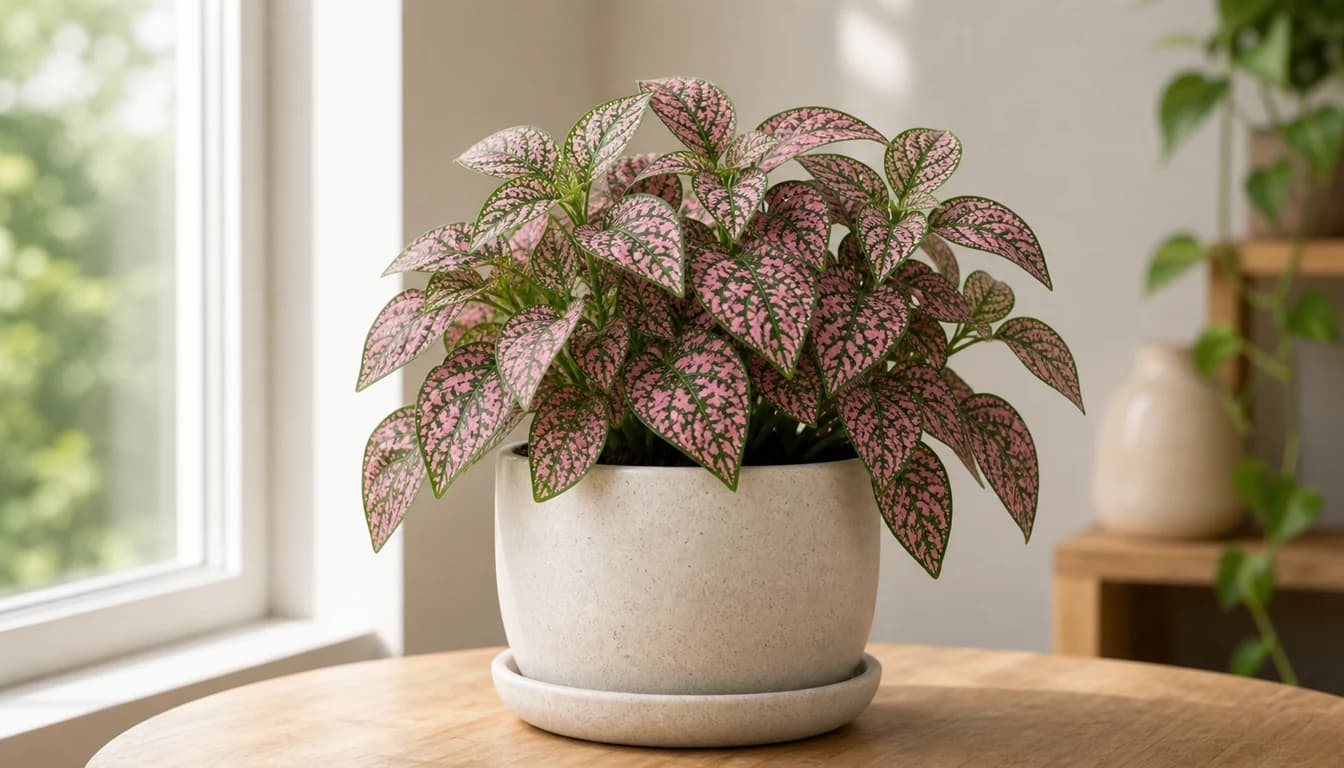
Polka Dot Plant
Hypoestes phyllostachya
Family: Acanthaceae
wb_sunnyLight
Bright indirect to medium light; tolerates some direct morning sun
water_dropWater
Moderate; keep soil evenly moist
heightHeight
12-18 inches indoors
publicZone
Outdoors in Zone 10-11; indoors anywhere as an annual
petsPet Safety
Pet Safe
Native Region
Madagascar
paletteGrow for Spot Color Before the Plant Ages
Polka Dot Plant grows fast, colors up fast, and ages fast. The goal is to keep spotted young growth coming before flowers and long stems steal the display.
If the plant blooms, it often gets lanky afterward. Pinch buds early if you want leaves, not a short flower show.
- check_circleBright spots and short stems: keep pinching lightly.
- check_circleFaded leaves: improve light.
- check_circleFlower buds forming: pinch if you want the plant to stay leafy.
This is a short-cycle color plant, not a long-term woody feature. Nerve Plant gives a more veined look when you want a different small foliage pattern.
local_floristPick Color by the Light You Can Give
Pink, red, and white forms all need enough light to hold color. White forms can scorch faster in direct sun, while dark pink forms often hide fading better.
Pink formsBest for strong tabletop color
White formsBest in bright indirect light without hot sun
Nerve PlantNerve Plant gives vein color with a slower, more humidity-sensitive habit
Guide — See AlsoAir Purifying Plants for Cleaner Indoor AirLearn how to pick, place, and care for air purifying plants so they help your indoor air instead of just looking pretty.
chevron_rightwb_sunnyUse Light as the Color Dial
Give Polka Dot Plant bright indirect light to keep spots clear. Low light turns colorful leaves greener and stretches stems.
A little morning sun can help color, but hot afternoon sun can crisp thin leaves fast.
Weak light makes the plant green and lanky. Strong hot sun burns tender leaves before the color improves.
Email Updates
Join the KnowTheYard update list
Zone-specific advice, seasonal reminders, and new plant guides — no filler.
water_dropDo Not Let Thin Stems Crash Repeatedly
The plant wilts quickly when dry because the stems are thin. Water when the top layer starts to dry, then drain the pot.
warningRepeated hard wilting shortens the plant
A one-time wilt can recover. Regular collapse makes older leaves drop and stems look bare.
If you need a thicker, calmer tabletop plant, Watermelon Peperomia fits that job better.
Guide — See AlsoBest Herbs to Grow Indoors for Real Harvests, Not Spindly PotsChoose indoor herbs that can actually produce in your light, temperature, and container setup, then match each one to th
chevron_right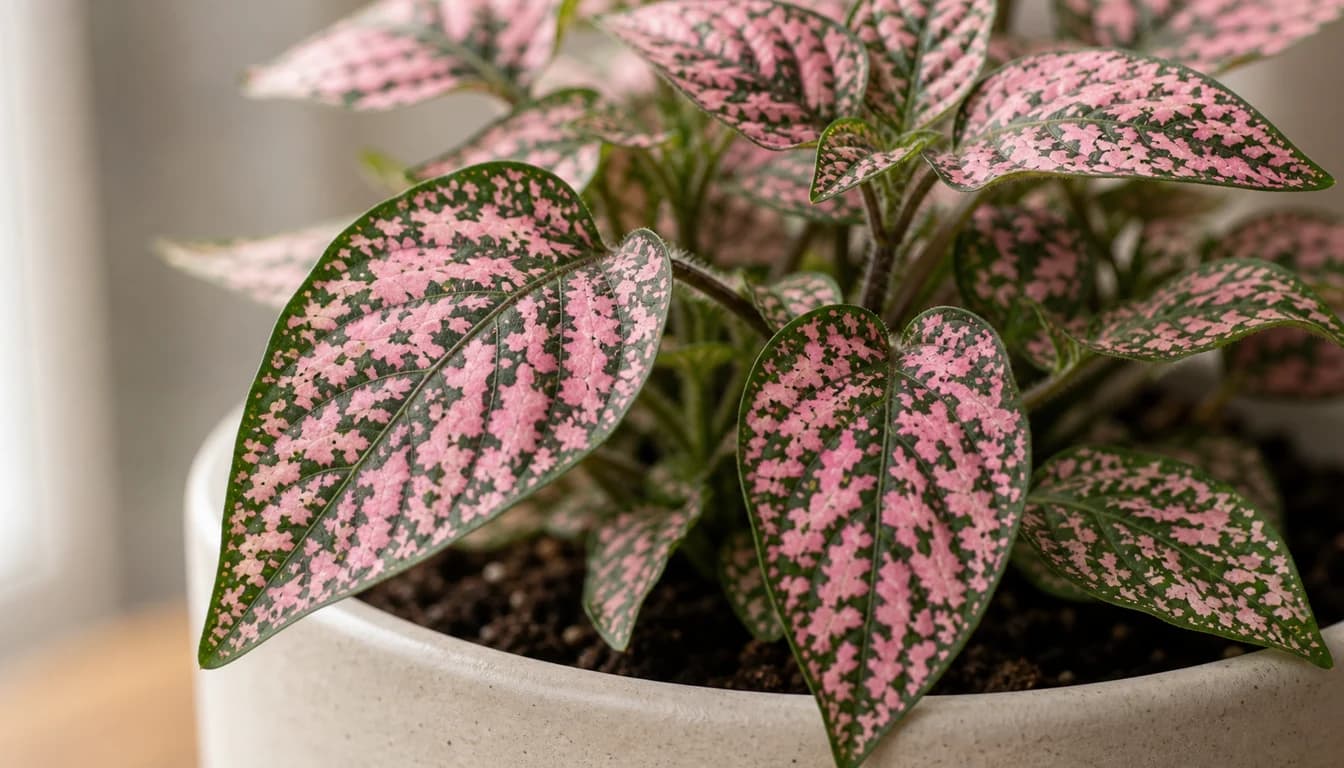
yardKeep the Mix Light and Even
Use a light indoor mix that holds moisture without staying heavy. A small pot works if you check it often.
- fiber_manual_recordAvoid deep wet planters.
- fiber_manual_recordRefresh tired pots with rooted cuttings.
- fiber_manual_recordKeep airflow around dense colorful growth.
Those symptoms move fast because the stems are thin and the root ball is small.
lightbulbSmall Pot Rule
A small pot is fine if you check it often. A deep wet pot makes the lower stems fail before the top warns you.
content_cutRoot Cuttings Before the Parent Gets Woody
Cuttings are the best renewal plan. Root young tips while the parent still looks good, then replace the plant when stems get woody or bare.
This makes Polka Dot Plant different from slower houseplants like Raven ZZ Plant. Here, replacement is normal care.
Root extras early, the way you might keep backup pieces of Tradescantia Nanouk. Waiting until the parent is bare makes the rescue weaker.
Guide — See AlsoBest Indoor Plants for Every Room and Light LevelA practical guide to choosing the best indoor plants for your home, covering beginner-friendly picks, low light champion
chevron_rightpest_controlCheck Tender Tips and Dense Color Growth
Aphids, mites, and mealybugs prefer tender growth. Inspect new tips when leaves curl or the color looks dusty.
Rinse gently or prune off weak tips. Dense color growth recovers faster when you remove the worst part early.
calendar_monthPlan for Renewal, Not Forever Care
Spring and summer are best for pinching and cuttings. In dark winter rooms, color fades and stems stretch.
Best resetRoot fresh cuttings before the old plant blooms heavily
Winter moveGive the brightest indirect light you have
Do not doFeed hard to force old stems back into a compact plant
For a color plant that behaves more like a vine, Tradescantia Nanouk gives a different renewal rhythm.
petsColorful Leaves Are Low-Toxicity, Not a Snack
Polka Dot Plant is usually treated as low toxicity, but pets can still damage the soft plant. Keep it where chewing will not ruin the display.
For a sturdier pet-safe color plant, Pilea Cadierei handles pruning and shelves better.
For a pet-safe plant with slower growth and less pinching, compare Pilea Cadierei.
eco
Keep Exploring
Related Plants
 Houseplants
Swiss Cheese Plant
Swiss Cheese Plant is the common-name houseplant people buy for smaller holey Monstera leaves, usually Monstera adansonii. The care job is to keep the vine
 Houseplants
Zz Plant
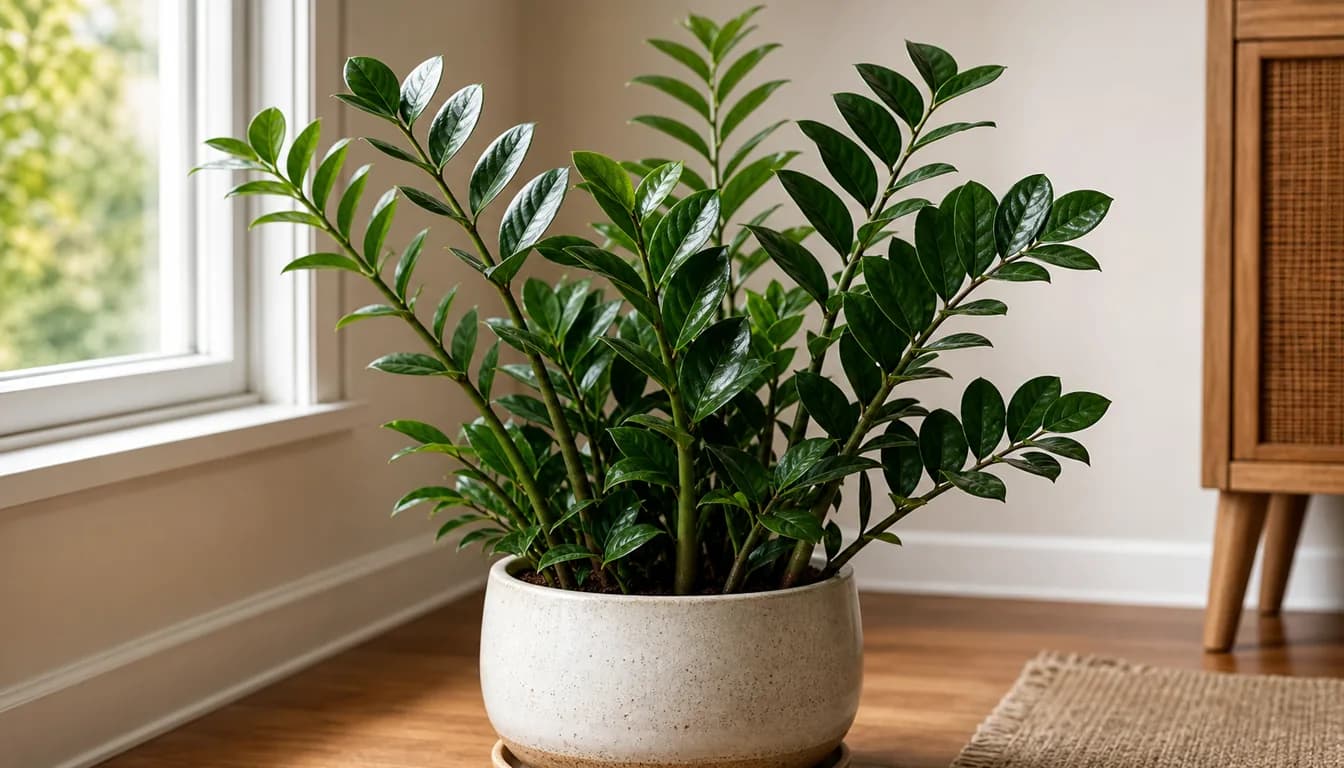
ZZ Plant survives neglect because its underground rhizomes store water. Treat it like a slow water-storage plant, not like a leafy plant that wants frequent
 Houseplants
Yucca
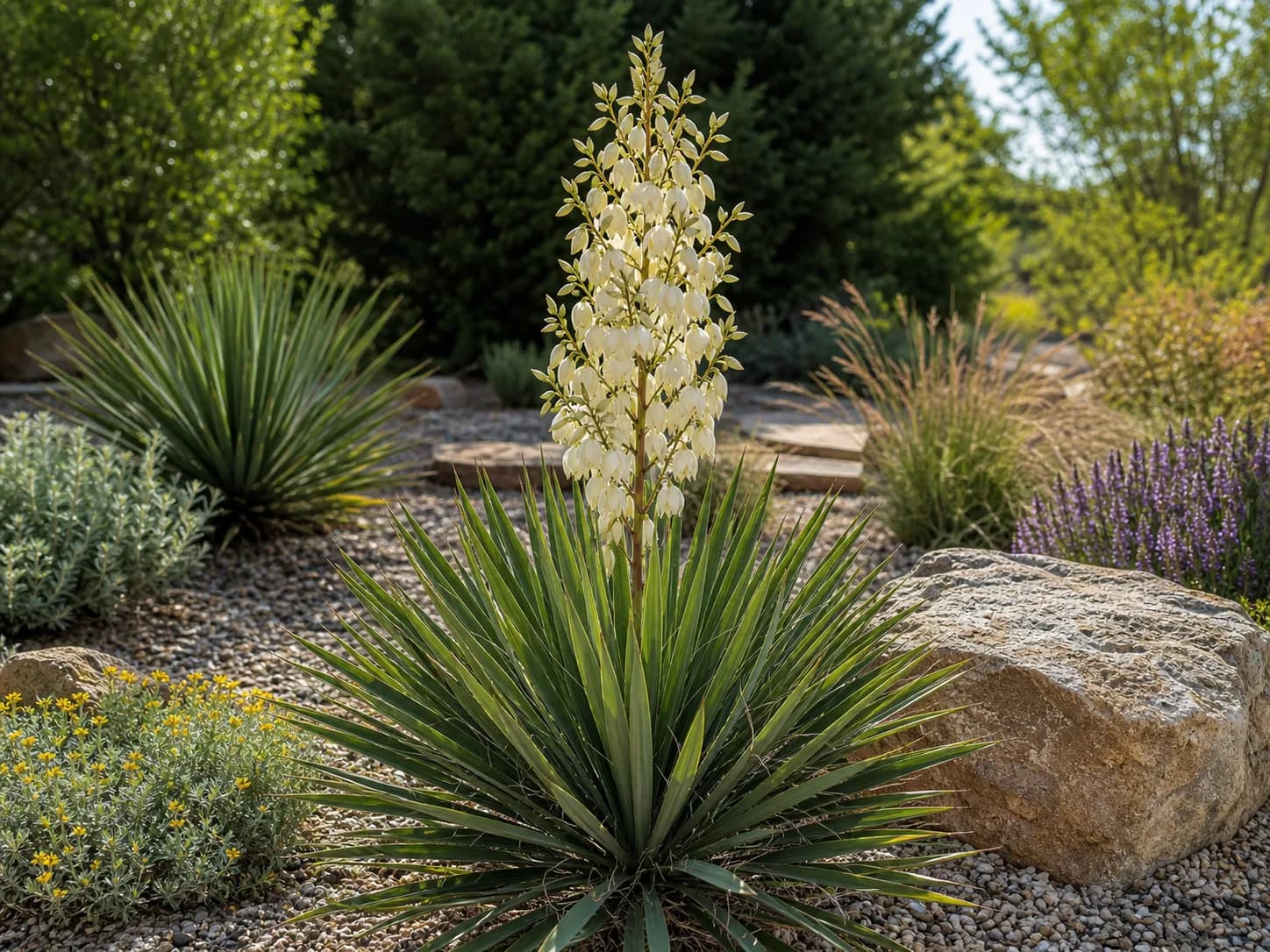
Yucca Cane is a dry-room indoor tree with thick canes, sword-like leaves, and a strong need for bright light. Good care means treating it like a sun-loving
quiz
Frequently Asked Questions
Why is my Polka Dot Plant leggy?expand_more
It needs more light and regular pinching. Root cuttings if the old stems are already bare.
Should I let Polka Dot Plant flower?expand_more
Pinch flower buds if you want colorful leaves. Blooming often makes the plant stretch and age faster.
How often should I water Polka Dot Plant?expand_more
Water when the top layer starts to dry. Do not let it collapse over and over.
Can I propagate Polka Dot Plant?expand_more
Yes. Tip cuttings root easily and are the best way to renew the plant.
Is Polka Dot Plant pet-safe?expand_more
It is usually treated as low toxicity, but chewing can still upset pets and ruin the plant.