verifiedSource Reviewed
Shasta Daisy: White Summer Perennial for Sunny Borders
Leucanthemum x superbum
Family: Asteraceae
wb_sunnyLight
Full sun, 6+ hours for best bloom
water_dropWater
Moderate; let soil drain between soakings
heightHeight
12-36 inches depending on cultivar
publicZone
Usually Zones 4-9, with cultivar differences

Native Region
Garden hybrid of European daisy species
ecoWhat Shasta Daisy Actually Does in a Border
Start with the plant habit: Shasta daisy is a herbaceous perennial, not a one-season bedding daisy. It dies back in winter, returns from the crown in spring, and forms a slowly widening clump when the crown stays dry enough to breathe.
Its job in the garden is simple but valuable: bright white midsummer flowers that read clearly from a path, porch, or street. That clean color is especially useful after earlier flowers such as peonies. Later asters can then carry the same bed into fall.
Most cultivars grow 12-36 inches tall and spread about 18-24 inches. Short types edge paths neatly; taller types belong in the middle of a sunny mixed bed where neighboring plants can soften the stems.
infoShort-Lived Without Division
Shasta daisies are perennial, but many clumps fade after a few years if they are never divided. Treat division as routine care, not rescue work.
paletteChoosing Single, Double, Tall, or Compact Types
Single-flowered Shasta daisies have the classic white petal and yellow disk look. They feel looser and more meadow-like, and pollinators can reach the centers more easily than on dense doubles.
Double and semi-double cultivars give more petal texture for cutting gardens and cottage beds. They look fuller in a vase, but heavy blooms may need staking after rain.
infoSelection check
If your border already has airy spikes from salvia, a simple single Shasta daisy is often stronger visually than the frilliest cultivar. Hazy blue Russian sage creates the same kind of useful contrast.
Shasta daisies range from compact edging plants to tall cutting cultivars. The taller and more double-flowered the plant, the more likely it is to need support, division, and careful spacing to avoid a flattened clump after rain.
Compact cultivarsBest for edging and small beds, often 12-18 inches tall
Mid-height cultivarsUseful in mixed perennial borders, usually 18-30 inches tall
Tall cutting typesGood stems for vases, but more likely to need support
Single flowersCleaner look and better pollinator access
Guide — See AlsoAir Purifying Plants for Cleaner Indoor AirLearn how to pick, place, and care for air purifying plants so they help your indoor air instead of just looking pretty.
chevron_rightwb_sunnySun for Strong Stems and More Flowers
Sun exposure decides the result: Shasta daisies need 6 or more hours of direct sun for dense growth and heavy bloom. Too much shade gives taller stems, fewer flowers, and clumps that lean outward.
In cool and moderate climates, full sun is the cleanest answer. In hotter zones, morning sun with light afternoon shade can protect petals without turning the plant into a shade perennial.
lightbulbLight cue
If a bed gets only filtered light under trees, choose shade plants instead. Shasta daisy is better grouped with full-sun perennials that enjoy open sky and moving air.
Shasta daisies bloom best in full sun, but afternoon shade can help in hot climates. The tradeoff is stem strength: too much shade gives taller, softer growth that needs support.
- check_circleBest bloom: open sun for most of the day.
- check_circleHot climates: morning sun plus light afternoon relief.
- check_circlePoor-light clue: floppy stems and few buds.
- check_circleCrowding clue: leaves stay damp and lower stems yellow.
Email Updates
Join the KnowTheYard update list
Zone-specific advice, seasonal reminders, and new plant guides — no filler.
water_dropWater Deeply, Then Let the Crown Breathe
New Shasta daisies need steady moisture while roots settle in. After establishment, they prefer a deep soak followed by drying at the surface instead of constant shallow watering.
Use the same slow, root-zone habit described in deep watering. A long soak every few days during dry spells does more good than a quick daily splash.
The crown is the vulnerable point. Mulch helps conserve moisture, but keep it pulled back from the center so damp material does not sit against the plant after rain.
warningDo Not Treat It Like a Bog Plant
Shasta daisy does not want the wet soil that some iris plantings tolerate. If water stands after rain, fix drainage before planting.
Water stress during bud formation shortens stems and reduces flower size. Once established, the plant handles moderate dryness, but a hard dry spell before bloom shows up in the flower display.
Guide — See AlsoBest Herbs to Grow Indoors for Real Harvests, Not Spindly PotsChoose indoor herbs that can actually produce in your light, temperature, and container setup, then match each one to th
chevron_right
potted_plantSoil, Drainage, and Feeding
Drainage sets the limit: Shasta daisies grow best in well-drained, moderately fertile soil. Average loam is fine; rich, wet soil often creates soft stems and crown trouble.
Before planting, loosen compacted soil and mix compost through the top 8-10 inches. The goal is crumbly soil that holds some moisture but releases extra water quickly.
Feed lightly in spring if growth looks weak. Heavy nitrogen is rarely helpful, because it pushes leaves at the expense of sturdy bloom stems.
If crowns heave after freeze-thaw weather, press them back into firm soil and refresh mulch around, not over, the crown. Exposed roots dry quickly once spring wind starts.
Rich soil is not always an upgrade for Shasta daisy. Too much nitrogen can grow lush stems that flop, while average soil with good drainage usually gives sturdier plants and fewer crown problems.
Best textureLoam or sandy loam with reliable drainage
Clay fixRaised planting area plus compost, not a wet hole
pH rangeSlightly acidic to neutral soil is usually fine
FertilizerLight spring feeding only when needed
account_treeDeadheading and Division
Deadheading keeps Shasta daisies looking intentional and can stretch the bloom season. Cut spent flowers down to a lower side bud or strong leaf instead of snapping off only the petals.
Division is the bigger long-term task. Every 3-4 years, lift crowded clumps, discard tired woody centers, and replant vigorous outer pieces in fresh soil.
Flopping is often a spacing and vigor signal, not only a staking problem. Overrich soil, shade, crowding, and old centers all make stems weaker; compact cultivars or timely division are better fixes than tying every stem.
lightbulbTiming check
Spring division works well in cold areas; early fall division works where plants still have time to root before hard freezes. The same refresh habit helps many clumping perennials, including black-eyed Susans.
Division keeps the clump young. When flowering moves to the outer ring or the center thins out, lift the plant, discard tired woody pieces, and replant vigorous outer divisions with room for air to move.
- 1Water the clump the day before dividing.
- 2Lift the whole root mass with a spade.
- 3Cut into sections with several shoots and healthy roots.
- 4Discard dead, woody, or mushy center pieces.
- 5Replant divisions at the same depth, 18-24 inches apart.
- 6Water deeply and keep soil lightly moist while roots reset.
Guide — See AlsoBest Indoor Plants for Every Room and Light LevelA practical guide to choosing the best indoor plants for your home, covering beginner-friendly picks, low light champion
chevron_rightpest_controlPests, Disease, and Flopping
Most trouble shows up in patterns: Shasta daisies are not fragile, but crowded or stressed plants can pick up aphids, leaf miners, spider mites, powdery mildew, and leaf spot.
Aphids cluster on soft new growth; leaf miners leave pale tunnels inside leaves. Spider mites show up during hot dry spells as stippling and fine webbing.
Flopping usually comes from shade, overfeeding, crowded clumps, or heavy double blooms after rain. Stake tall cultivars early, but also fix the site conditions causing weak stems.
Leaf spots and crown problems increase when clumps are crowded. Division, spacing, and watering at soil level do more for long-term health than repeatedly trimming spotted leaves.
pest_controlAphids
Rinse from tender tips or use insecticidal soap if colonies persist.
pest_controlLeaf miners
Remove heavily tunneled leaves and keep the bed clean.
pest_controlMildew
Improve spacing, avoid wet foliage at night, and remove infected leaves.
pest_controlCrown rot
Suspect drainage if a clump collapses suddenly from the center.
calendar_monthSeasonal Care Calendar
In spring, clean old stems and watch for new shoots at the crown. Add a thin compost top-dressing around the clump, keeping the center open.
In summer, deadhead weekly if you want a tidy border and more bloom. Water during dry spells, especially the first year after planting or division.
In fall, remove diseased foliage and divide tired clumps. In cold climates, a light mulch after the ground cools helps buffer crowns, but heavy wet mulch can do more harm than good.
After the first flush, cut spent stems low enough that fresh basal leaves can carry the clump. If the whole plant looks tired after bloom, a light shear and deep watering usually work better than feeding heavily.
local_floristSpring
Cut back old stems, top-dress lightly, and divide if needed.
wb_sunnySummer
Deadhead, water deeply in drought, and support tall cultivars.
ecoFall
Divide crowded clumps and remove diseased leaves.
ac_unitWinter
Keep crowns protected but not buried under wet mulch.
Guide — See AlsoBlue Flowers: Plan Beds That Actually Look BlueLearn how to choose, place, and care for blue flowers so your beds read as blue in real life, not purple or gray, from z
chevron_righthealth_and_safetyPet Safety and Pollinator Value
For people, pets, and wildlife, Shasta daisy is not a plant to encourage pets to chew. It can cause vomiting, drooling, or skin irritation in cats and dogs, so place it where habitual grazers are less likely to sample the flowers.
For people with sensitive skin or ragweed-family allergies, gloves are sensible when cutting stems or dividing clumps.
warningSafety cue
Single-flowered Shasta daisies can feed pollinators, though they are garden hybrids rather than native host plants. For stronger habitat value, combine them with pollinator plants that bloom before and after midsummer.
That makes them better as one piece of a border than the whole pollinator plan; extend the season with plants that bloom before and after.
lightbulbBetter Bloom Sequence
Pair Shasta daisies with spring bulbs, summer spikes, and late flowers so the bed does not depend on one white flush.
eco
Keep Exploring
Related Plants
 Flowers
Knock Out Rose
Knock Out Roses are landscape shrub roses bred for repeat bloom, compact habit, and better disease resistance than many older roses. They are low-maintenance, n
 Flowers
Marigold
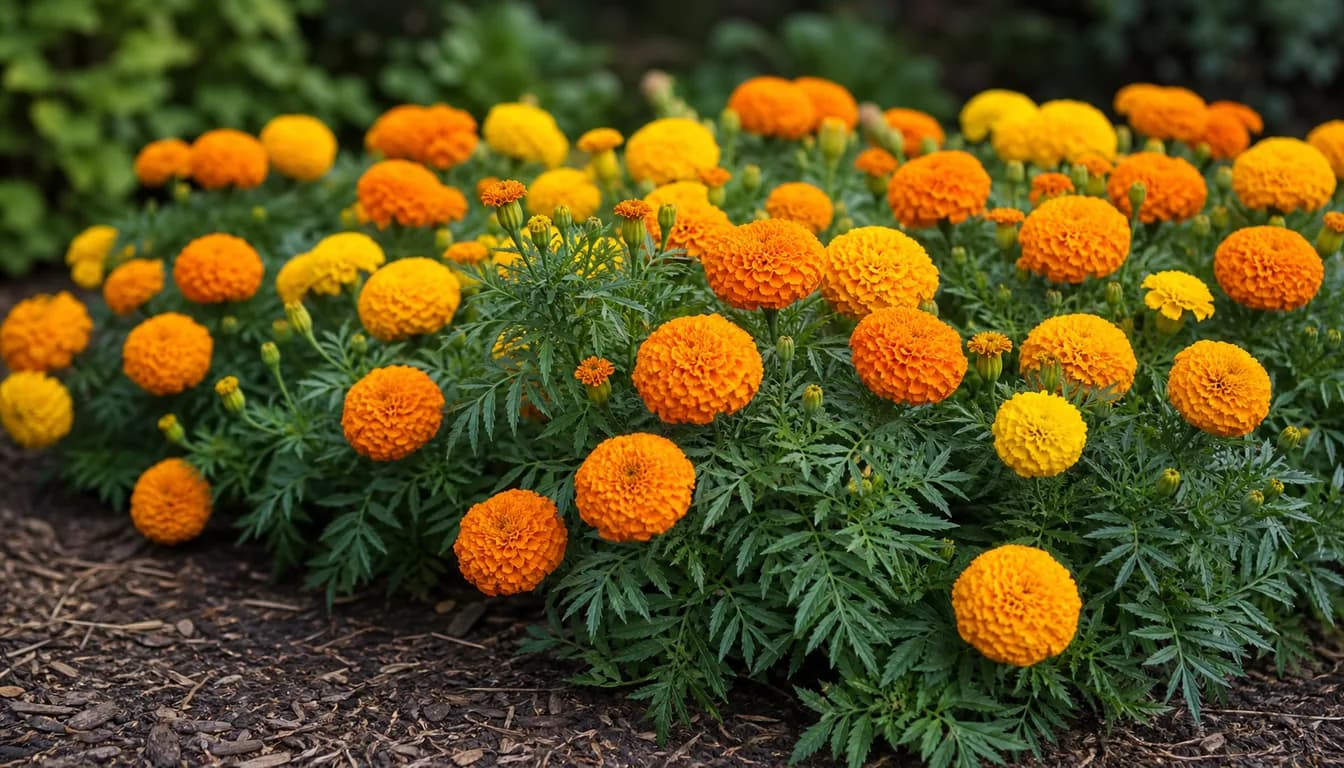
Marigolds are warm-season annuals grown for bright flowers, easy seed starting, containers, borders, and vegetable-garden edges. They help garden diversity and
 Flowers
Lantana
Lantana is a sun-loving, drought-tolerant flowering plant grown for nonstop hot-weather color. It is easy in containers and dry borders, but warm-climate garden
quiz
Frequently Asked Questions
Are Shasta daisies annuals or perennials?expand_more
Shasta daisies are perennials in many temperate gardens. They return from the crown each spring, though older clumps should be divided every few years.
How much sun do Shasta daisies need?expand_more
Shasta daisies bloom best with at least 6 hours of direct sun. Too much shade usually causes weak stems and fewer flowers.
Should I deadhead Shasta daisies?expand_more
Yes. Deadheading Shasta daisies keeps the plant tidy and can extend bloom by sending energy into side buds instead of seed.
Why are my Shasta daisies flopping?expand_more
Shasta daisies flop from shade, overfeeding, crowded clumps, wet soil, or heavy double flowers after rain. More sun, lighter feeding, division, and early staking help.
Are Shasta daisies toxic to dogs and cats?expand_more
Shasta daisies can upset pets that chew them and may irritate skin. They are best planted away from dogs or cats that graze on garden plants.
When should I divide Shasta daisies?expand_more
Divide Shasta daisies every 3-4 years, either in spring in cold regions or early fall where plants have time to root before winter.
menu_book