Sedum vs Succulents
Every Sedum is a succulent, but most succulents are not Sedum. Choose the exact species or cultivar for its hardiness, light, mature form, and drainage needs instead of treating either label as a complete care guide.
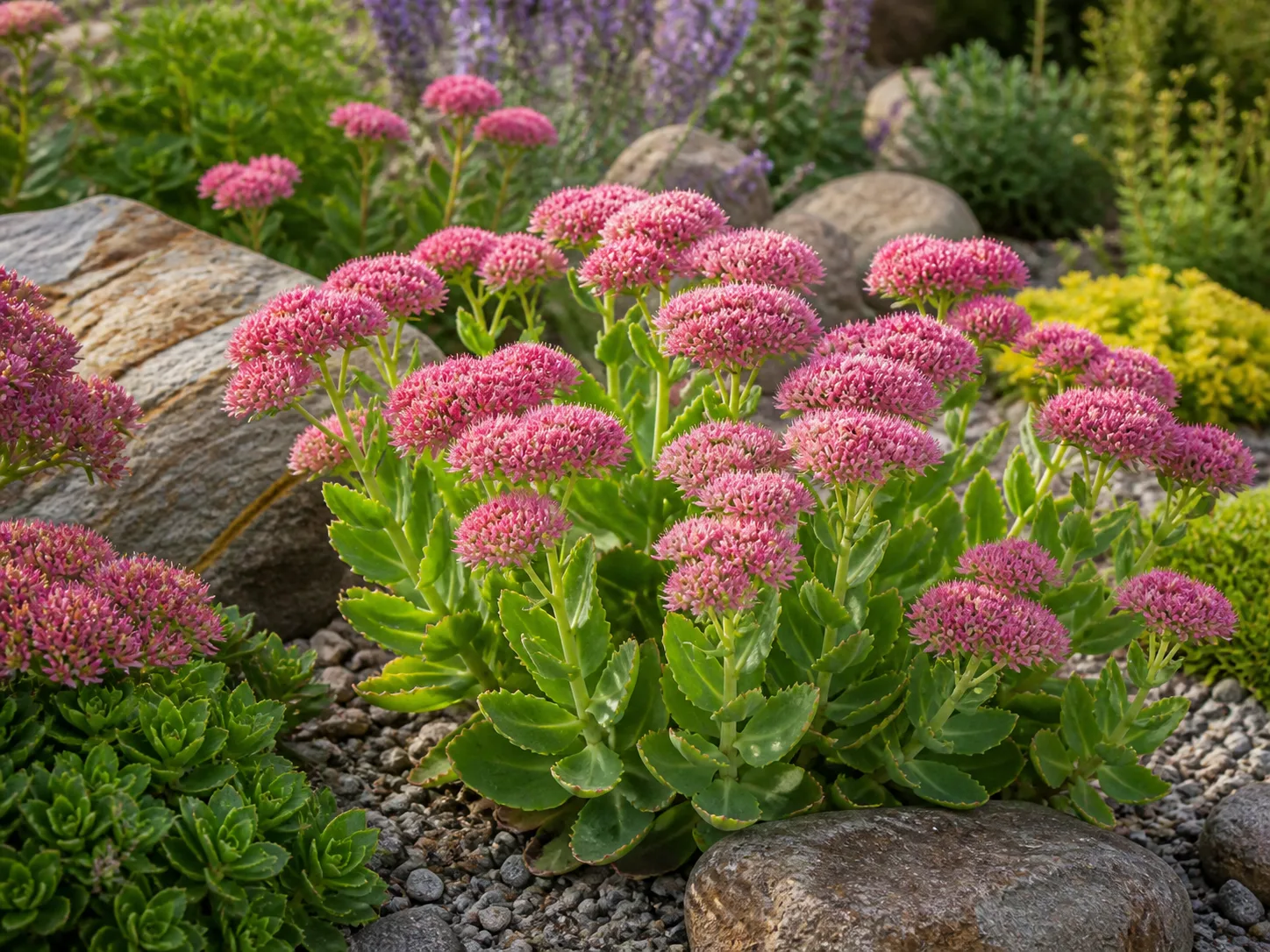
Sedum
Sedum spp.
Succulents
Many genera and families
The direct answer is that Sedum is one genus within the much larger succulent group. A succulent stores water in thickened leaves or stems, while Sedum identifies a particular botanical lineage in the stonecrop family.
This is a relationship, not a contest between equal categories. Sedum includes low mats, trailing plants, and upright flowering forms, while the word succulent also covers plants as different as aloes, agaves, jade plants, cacti, and hens and chicks.
Choose by the plant's full name and the job it must do. A hardy creeping sedum may suit a sunny rock edge, while a tender rosette succulent may belong in a drained pot that moves indoors before frost.
Specifications
Compare the traits that change the growing decision.
| Feature | Sedum | Succulents |
|---|---|---|
| What the name means | A botanical genus | A broad descriptive category |
| Relationship | Every Sedum is succulent | Most succulents are not Sedum |
| Water storage | Usually in fleshy leaves and stems | In leaves, stems, roots, or combinations |
| Growth forms | Creeping mats, trailers, and upright clumps | Rosettes, columns, shrubs, mats, vines, and more |
| Outdoor hardiness | Often cold hardy, but species and cultivar vary | Ranges from frost tender to very cold hardy |
| Typical garden role | Rock gardens, edges, ground layers, borders | Depends entirely on the selected plant |
| Drainage need | Free-draining root zone | Usually free-draining, with species differences |
| Buying information | Species or cultivar plus mature habit | Genus, species, hardiness, and mature habit |
The most useful difference is the level of precision. Sedum narrows the identity to one genus, while succulent alone still leaves climate tolerance, growth habit, and care unresolved.
Neither label supports a universal watering interval or hardiness zone. The pot, root zone, season, light, and exact plant determine when water is needed and whether it can remain outside.
Best Use Cases
Choose by the job the planting needs to do.
Sunny rock edge or ground layer
Low growth in lean soil
Creeping sedums can root along stems and form low mats between rocks or at the front of a dry border.
Other succulents may clump, rise upright, or lack enough winter hardiness, so the broad group name cannot promise groundcover performance.
Indoor or movable container
Form and indoor light decide
A compact Sedum can grow in a bright container, but some outdoor forms stretch or lose color when indoor light is weak.
Many other succulents offer rosettes, columns, trailing stems, or woody forms, yet each still needs its own light and temperature check.
Garden with freezing winters
The label is not enough
Many sedums tolerate cold, and nursery labels commonly identify hardy choices for permanent outdoor planting.
Sedum also includes tender selections, while other succulent genera include hardy plants such as hens and chicks. Match the exact name to your zone.
What does succulent mean in a plant name?
Succulent describes a water-storage strategy rather than one branch of the plant family tree. The University of Minnesota calls it a broad, loose category that includes plants with thick, fleshy leaves or stems.
Those storage tissues help plants survive dry periods, but they do not make every succulent a desert plant or give them identical care. The category crosses many genera and families.
Common examples show the range:
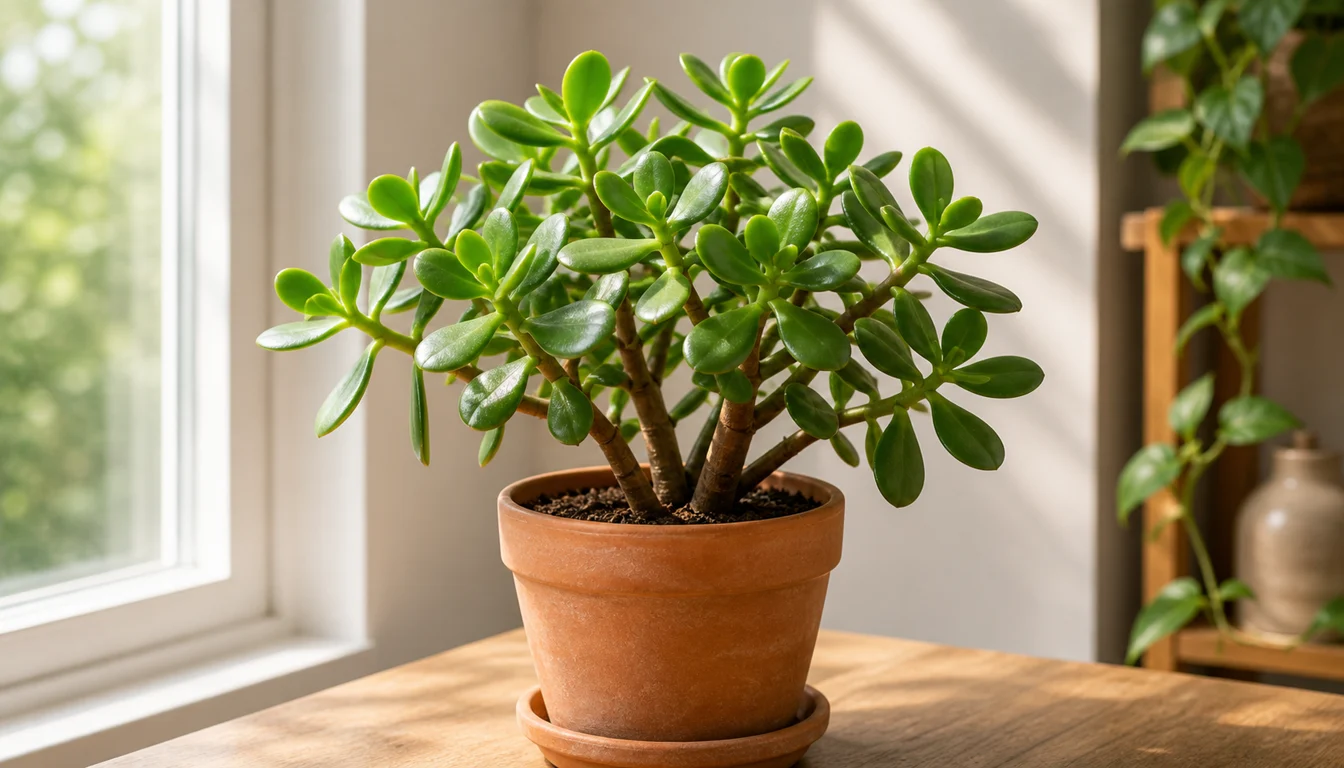
- Jade plants store water in thick leaves and develop woody stems.
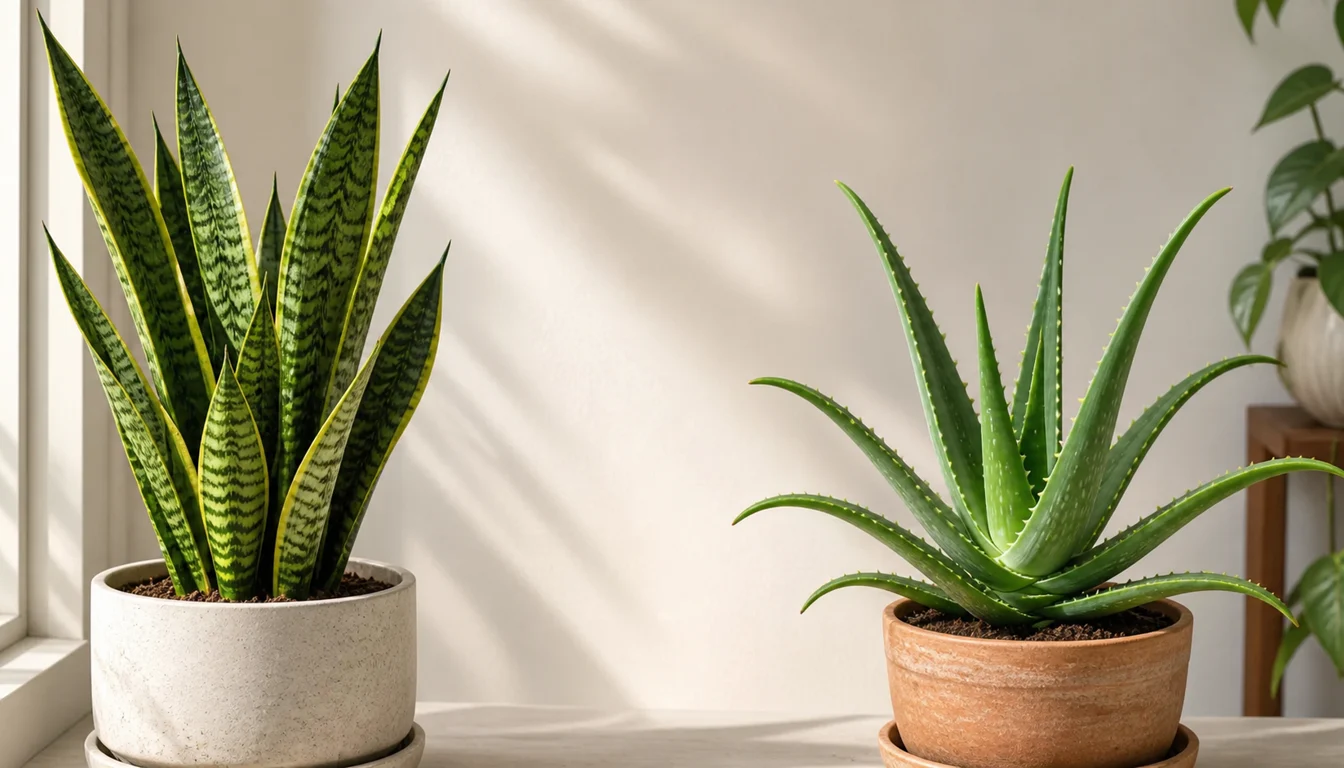
- Aloes form fleshy leaf rosettes.
- Cacti store much of their water in stems.
- Hens and chicks make low rosettes and include cold-hardy garden choices.
- Sedums range from creeping mats to upright flowering clumps.
The word succulent therefore answers how a plant stores water. It does not fully answer what the plant is, where it survives winter, or how large it becomes.
What makes a Sedum different from other succulents?
Sedum is a genus in the Crassulaceae, or stonecrop, family. NC State describes its members as succulent herbaceous perennials with fleshy leaves that may be flat or rounded.
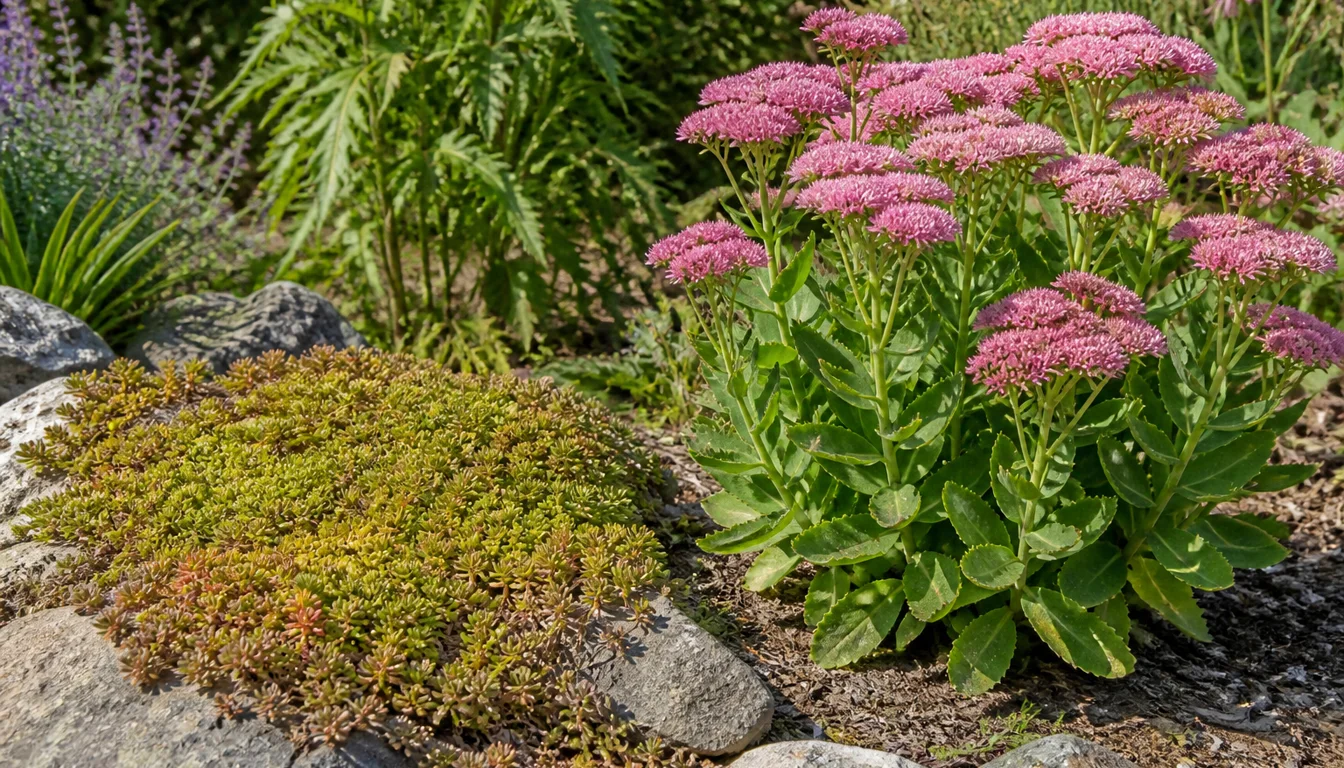
The genus itself is diverse. Low species spread along the ground and may root where stems touch soil, while taller garden forms build upright clumps topped by clusters of small star-shaped flowers.
Some familiar plants once sold as Sedum have moved into the genus Hylotelephium. Nursery labels and common usage may still call them sedums, which is one reason the complete botanical name matters.
Is Sedum always the better outdoor succulent?
No. Many sedums make excellent outdoor plants, but hardiness belongs to the exact species or cultivar rather than the genus name alone.
NC State notes that most Sedum species are cold tolerant, not that every selection survives every winter. The wider succulent group also includes hardy garden plants, so excluding everything outside Sedum would overlook useful choices.
Check an outdoor candidate in this order:
- Read the complete botanical or cultivar name on the label.
- Confirm its listed USDA hardiness zone against your location.
- Check whether the mature habit is a mat, trailer, rosette, or upright clump.
- Match its light requirement to the actual hours of direct sun.
- Reject the site if water remains around the roots after rain or snowmelt.
Cold alone is not the only winter test. Repeated wetting in poorly drained soil can damage a plant that would tolerate the temperature in a drier root zone.
For a rock garden, path edge, or low cover, creeping Sedum is a practical place to start. For a focal rosette or a different flower form, compare other hardy succulents with equal attention to drainage and named hardiness.
Which group works better in pots and indoors?
The broader succulent group offers more shapes for a container, but that does not make every member a good houseplant. Indoor success depends on enough light, a drained pot, compatible watering needs, and a temperature range the plant accepts.
Sedum can grow in containers when the selected type receives sufficient light. A stretched stem, wider spacing between leaves, or fading color often points to inadequate light rather than a need for more water.
Other succulents may hold a compact rosette, trail over a rim, or develop a woody outline. Use our container succulent guide to narrow those forms after the site is measured.
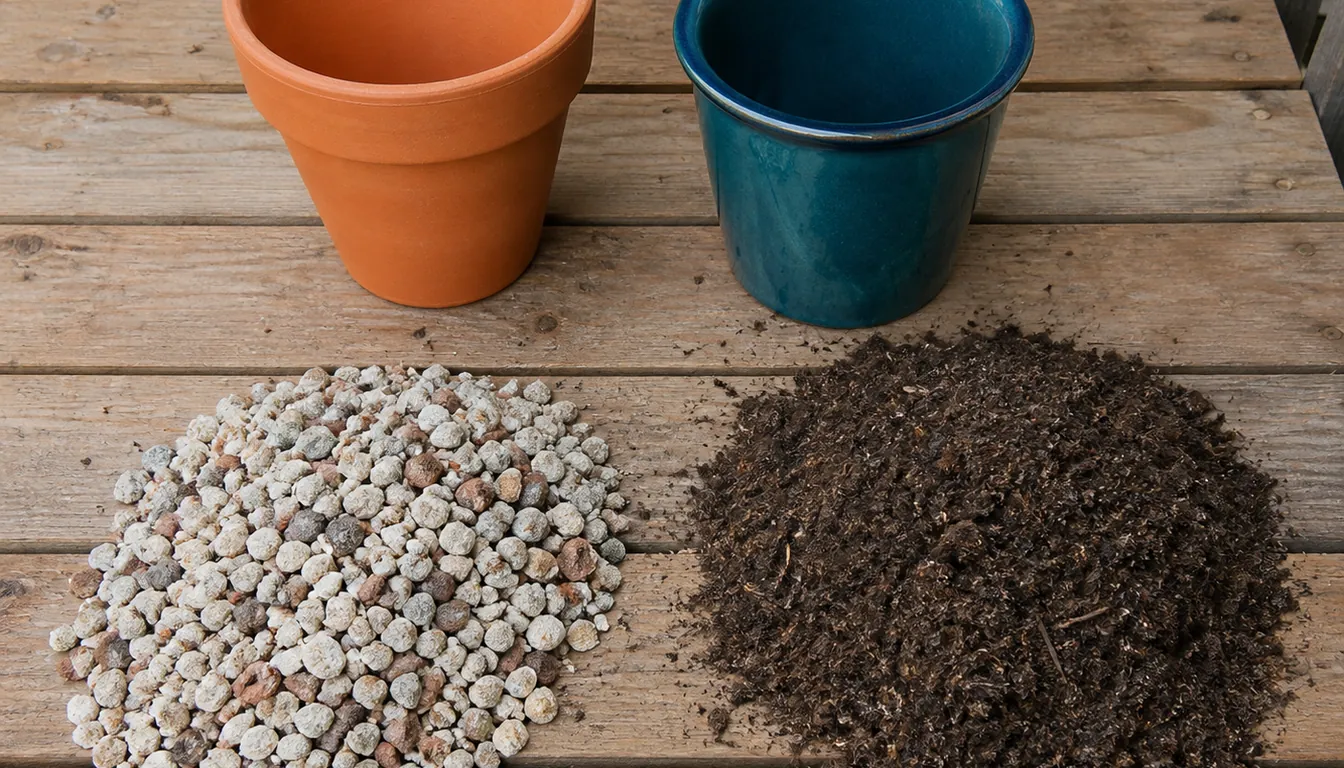
A drainage hole gives excess water a direct exit. Decorative cachepots can hide standing water, so empty them after watering rather than assuming a gritty surface means the root ball is dry.
Do Sedum and other succulents need the same watering routine?
They share a need to avoid chronically saturated roots, but they do not share one calendar. A small terracotta pot in summer dries differently from a deep glazed pot in winter, and an established outdoor sedum experiences rainfall that an indoor plant never receives.
Check moisture below the surface before watering a container. Then water the full root ball and let excess drain, following the plant-specific guidance in our succulent watering guide.
Read the plant's response instead of assigning a fixed number of days:
- Soft, translucent, or collapsing tissue with wet mix can indicate excess moisture or rot.
- Dry, wrinkled leaves with dry mix can indicate that stored water is depleted.
- Long pale growth and wide leaf spacing usually point to insufficient light.
- A healthy outdoor sedum that becomes loose and tall may have too much shade, rich soil, or a naturally upright flowering habit.
Compare symptoms with the root-zone condition before acting. Adding water to a pale, stretched plant does not correct low light, and placing a rotting plant in stronger sun does not remove saturated mix.
The guide to leggy Sedum growth separates normal seasonal stems from weak extension caused by site conditions. That distinction prevents unnecessary cutting and repeated treatment of the wrong problem.