yard
KnowTheYard

databasePlant Database

Browse by category

potted_plant

Houseplants

Indoor & tropical species

nutrition

Vegetables

Edible garden crops

spa

Herbs

Culinary & medicinal

local_florist

Flowers

Ornamental blooms

water_drop

Succulents

Drought-tolerant species

park

Trees

Arboreal species

forest

Shrubs

Bushes & hedges

nature

Perennials

Garden flowers

grass

Lawn Grasses

Turf varieties

local_dining

Fruits

Fruit-bearing plants

Best Indoor Plantsarrow_forwardBest Shade Plantsarrow_forward

menu_bookGarden Guides

Step-by-step guides by task type

grass

Lawn Care

Seasonal checklists and year-round maintenance guides for a championship lawn.

yard

Planting

When, where, and how to plant — from seed to transplant for every garden type.

water_drop

Watering

Deep-watering techniques, schedules by plant type, and drought management.

compost

Fertilizing

Feeding schedules, NPK ratios, and organic vs synthetic options by plant.

pest_control

Pest Control

Identify, prevent, and treat common garden pests without harming beneficial insects.

content_cut

Pruning

Pruning timing, techniques, and tools for trees, shrubs, and flowering plants.

Popular Guides

parkFall Lawn Carelocal_floristSpring Lawn Carecalendar_monthFull Calendar
All Guidesarrow_forwardLawn Care Hubarrow_forward
ToolsCompareRegional GuidesPlant ProblemsPet SafetyAbout
searchPlant Finder
yardKnowTheYard

Published plant profiles, practical care guides, problem diagnosis pages, and side-by-side comparisons for home gardeners.

chatphoto_camera

databaseBrowse Plants

  • arrow_forwardHouseplants
  • arrow_forwardVegetables
  • arrow_forwardHerbs
  • arrow_forwardFlowers
  • arrow_forwardTrees

menu_bookResources

  • arrow_forwardGarden Tools
  • arrow_forwardRegional Guides
  • arrow_forwardPlant Problems
  • arrow_forwardPet Safety
  • arrow_forwardCare Calendar
  • arrow_forwardPlant Finder

infoCompany

  • arrow_forwardAbout Us
  • arrow_forwardOur Team
  • arrow_forwardMethodology
  • arrow_forwardEditorial Policy
  • arrow_forwardContact Us

mailEmail Updates

Join the list for new guides, seasonal notes, and launch updates.

No spam. Request removal anytime.

fact_check

Reviewed Pages

77 pages currently attributed to public review lanes

public

USDA Zone Coverage

Zone-aware recommendations and regional growing context

database

230 Published Plant Profiles

555 public pages across profiles, guides, comparisons, and problem pages

© 2026 KnowTheYard. All rights reserved.

Privacy PolicyTerms of ServiceContactSitemap
Home/vegetables/Watermelon: Heat, Space, Pollination, and Ripe Picking/Poor Fruit Set
scienceEditorial DiagnosisUpdated Feb 20, 2026

Watermelon Poor Fruit Set

Practical guidance to diagnose and fix poor fruit set in **Watermelon** (Citrullus lanatus). Covers how to tell pollination problems from heat or water stress, steps to boost pollinators and hand-pollinate, irrigation and shading tactics during flowering, and a realistic recovery timeline for ==**zones 3-11**==.

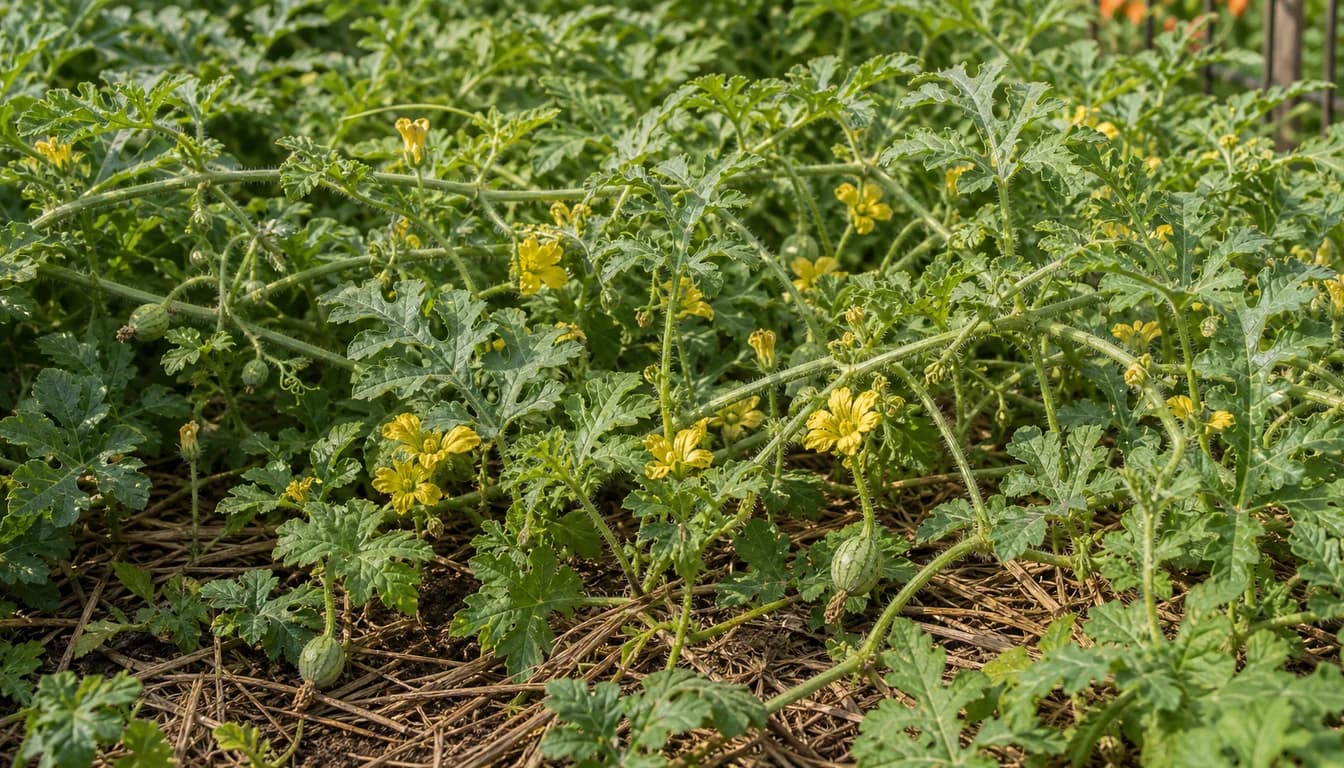
Watermelon vines with many yellow flowers and very few developing fruit

Watermelon vines with many yellow flowers and very few developing fruit

lightbulb
bolt

Quick Diagnosis

Most Likely Cause: Pollination gap or heat stress during flowering.

Start with the flowers, not the leaves. If female Watermelon blossoms open and close without swelling into fruit, the first split is between pollination failure and stress during bloom, and that means checking bee activity, morning temperatures, and soil moisture on the same day; steady watermelon bloom care makes those checks easier to read.

Jump to fix steps arrow_downward

Poor fruit set in Watermelon is usually a bloom-window problem, not a season-long mystery. The vine can look lush and still abort tiny fruit when pollination is weak, bloom weather turns extreme, or the plant runs short on steady moisture just as female flowers open.

Flowering typically occurs in mid to late spring and through summer in zones 3-11, but success depends on pollinator presence and temperatures during bloom. Pollinator activity peaks on calm, warm mornings; prolonged heat, especially consistent daytime temps above 90°F (32°C) or hot nights, reduces pollen viability and causes blossom drop. Planting a swath of nearby pollinator-attracting flowers increases bee visits quickly and raises the odds of overlap between male and female bloom.

Soil moisture during bloom must be steady: extremes either side-drought stress or waterlogged roots-can reduce female flower longevity and increase abortion. That said, pollination is the most common bottleneck for small home gardens, so we prioritize checking bees and bloom timing before changing fertility, then tightening irrigation with deeper, steadier watering.

pest_control
Plant Problem - See AlsoWatermelon Blossom End Rot
chevron_right
psychology

How flowering temperature, pollinators, and moisture interact

Successful fruit set in Citrullus lanatus needs three things at once: viable pollen released by male flowers, receptive stigmas on female flowers, and insects to move the pollen. Temperature extremes damage pollen and stigmas, so even active bees can’t compensate when it’s too hot.

Pollinators favor calm, warm mornings; heavy wind or cool, rainy weather reduces visits and shortens the effective pollination window. Water stress shortens flower lifespan and lowers female receptivity, so steady moisture during bloom is as important as attracting bees.

In small patches-raised beds or backyard vines-plant vigor and spacing affect microclimate. Crowded vines can overheat and shade lower blooms; well-spaced plants with good airflow help pollinators work and keep temperatures more even.

thermostat

Environmental Baseline

Before diagnosing specific failures, confirm your Watermelon: Heat, Space, Pollination, and Ripe Picking's environment matches its core care requirements.

forestWatermelon: Heat, Space, Pollination, and Ripe Picking Care Needs

  • Light: Full sun, ==**8-10 hours**== if possible
  • Water: Deep moisture through vine growth and fruit fill
  • Temp: Best with warm soil and ==**70-90 F**== weather

homeTypical Indoor Home

  • Humidity: 30-50% (Low)
  • Temp: 65-72°F variable
  • Light: Often too dim or direct
biotech

Possible Causes

Sorted by likelihood

1. Insufficient pollination (low bee activity)

Likelihood: High

Watermelon needs insects, especially bees, to transfer pollen from male to female blossoms. Low bee activity from poor habitat, pesticide drift, or bad weather during the bloom window is the leading cause of few or aborted fruits in home gardens.

Identification

  • remove_circle_outlineFew bees visiting flowers during warm mornings; many open female blossoms with no pollen on stigmas
  • remove_circle_outlineIsolated flowers with intact petals that drop without forming a small melon, often within 24-48 hours
  • remove_circle_outlineMale blossoms abundant relative to female blossoms, and no visible pollen on female stigmas
  • remove_circle_outlineTiming of blossom opening: female and male blooms open at different times of day and require overlap; observe for 2-3 mornings

The Fix

  1. 1Plant pollinator-attracting flowers nearby and avoid insecticides during bloom; creating a small bee patch improves visits within weeks
  2. 2Hand-pollinate during the morning by transferring pollen from a fresh male blossom to the female stigma using the male flower or a small brush
  3. 3Place a shallow tray of water with rocks near vines to give bees a water source and reduce bee loss on site
  4. 4Stagger plantings or start transplants earlier so male and female bloom overlap more reliably
  5. 5If cucumber beetles or other pests are present, control them with targeted methods (row covers before bloom, then remove covers to allow bees) to protect pollinators and flowers

2. Heat stress during flowering

Likelihood: High

High daytime or nighttime temperatures reduce pollen viability and stigma receptivity; when temperatures climb above about 90°F (32°C) or nights stay hot, pollination fails even when bees are present and small fruits abort soon after setting.

Identification

  • remove_circle_outlinePoor set coincides with several days of high daytime temps or consecutive hot nights
  • remove_circle_outlinePollen looks dry or powdery when you inspect male blossoms; stigmas on female flowers appear shriveled
  • remove_circle_outlineProblems occur even when bees are present, and hand-pollinated flowers still fail to set during the hottest period
  • remove_circle_outlineCheck local daily highs and night lows during the flowering period and compare with when blossoms opened

The Fix

  1. 1Provide temporary shade during the hottest part of the day using 30-40% shade cloth draped over hoops to lower canopy temperature without blocking pollinators
  2. 2Mulch to keep soil cooler and water deeply in early morning to cool roots; avoid midday watering that wastes moisture
  3. 3Shift planting dates in future seasons to avoid peak heat during first heavy bloom or choose early-maturing varieties
  4. 4Use lightweight row cover to protect flowers from extreme sun, removing it each morning for pollinators if you can access the plants
  5. 5Monitor nightly temperatures; on heatwave evenings prioritize shade and irrigation to reduce combined heat stress

3. Soil moisture stress (drought or fluctuating moisture)

Likelihood: Medium

Inconsistent watering-long dry spells followed by soaking-causes more blossom drop and aborted young fruits than constant, even moisture. Both drought and saturated soils interfere with fruit development during the flowering window.

Identification

  • remove_circle_outlineSoil probe shows dry conditions 2-4 inches below surface during bloom or puddling after heavy irrigation
  • remove_circle_outlineLeaves wilt midday or show stress despite recent watering, paired with fewer set fruits
  • remove_circle_outlineIrregular irrigation schedule that matches rainfall spikes and droughts correlates with periods of blossom drop
  • remove_circle_outlineLook for root rot signs in waterlogged conditions-yellowing leaves and soft crowns-rather than simple blossom abortion

The Fix

  1. 1Adopt a consistent deep-watering plan: give 1-2 inches of water per week delivered slowly to wet the root zone during bloom
  2. 2Install drip irrigation or soaker lines under mulch to keep soil evenly moist and reduce surface evaporation
  3. 3Avoid heavy nitrogen after bloom begins; excess vegetative growth raises water demand and can reduce fruit set
  4. 4Amend beds with organic matter before planting to improve moisture retention and drainage for future seasons
  5. 5Check soil moisture daily during hot stretches and increase watering frequency rather than volume to maintain steady moisture
pest_control
Plant Problem - See AlsoWatermelon Powdery Mildew
chevron_right
potted_plant

Root Health Examination

A direct inspection of the root system distinguishes root rot from drought stress - saving weeks of guesswork.

check_circleHealthy Roots

  • Firm to the touch
  • White or light tan color
  • Earthy, pleasant smell

cancelCompromised Roots

  • Mushy or slimy texture
  • Dark brown or black color
  • Sour, rotting odor

Inspection Step: Gently slide the pot off while supporting the base of the stems. The outer root ball gives sufficient clues without disturbing all the soil.

gpp_bad
warning

When to Worry

A few yellow leaves are normal. If more than 20% of foliage turns yellow within a week, or new growth is affected, act immediately - check the roots first.

timeline

Recovery Protocols

Recovery takes time. Once the root cause is corrected, implement a 30-day stabilization window.

0-1 weekImmediate checks and short-term fixes

Inspect morning pollinator activity, check soil moisture 2-4 inches deep, and record daytime and nighttime temperatures. If bees are absent, begin hand pollination for the next 3-7 days and set up water and shade measures during heat spikes.

1-3 weeksNew set and early fruit development

If pollination and moisture are corrected, you should see new small fruits 7-21 days after successful pollination. Expect variable success during ongoing heat; shaded or cooler microclimates will show better retention.

3-8 weeksFruit growth and re-evaluation

Fruit that sets reliably after fixes should grow normally. Re-evaluate irrigation, pest pressure (cucumber beetles), and vine vigor-address any recurring blossom drop by adjusting shade, water timing, or pollinator habitat for the next bloom flush.

menu_book
Guide - See AlsoAir Purifying Plants for Cleaner Indoor Air
chevron_right
shield

Preventing Future Issues

Prevent future losses by creating pollinator habitat, maintaining steady soil moisture with drip irrigation and mulch, adjusting planting dates or varieties to avoid peak heat, and spacing Watermelon vines for airflow. Small, regular investments such as shade cloth for heat waves, a morning hand-pollination habit, and pollinator-friendly companion plantings from mixed flower-and-herb beds cut the chance of repeat poor set in zones 3-11. For a quick diagnosis, check pollination first, then review heat and moisture stress, and only then blame overall vine vigor.

menu_book

Related Reads

pest_control
Plant ProblemWatermelon Blossom End Rot
chevron_right
pest_control
Plant ProblemWatermelon Powdery Mildew
chevron_right
menu_book
GuideAir Purifying Plants for Cleaner Indoor Air
chevron_right
menu_book
GuideBest Herbs to Grow Indoors for Real Harvests, Not Spindly Pots
chevron_right
menu_book
GuideBest Indoor Plants for Every Room and Light Level
chevron_right
Watermelon: Heat, Space, Pollination, and Ripe Picking (Citrullus lanatus) - full care guideCitrullus lanatus

Watermelon: Heat, Space, Pollination, and Ripe Picking

Cucurbitaceae Family

wb_sunny

Light

Full sun, ==**8-10 hours**== if possible

water_drop

Water

Deep moisture through vine growth and fruit fill

thermostat

Temp

Best with warm soil and ==**70-90 F**== weather

yardFull Care Guide

On This Page

boltQuick DiagnosispsychologyUnderstandingthermostatEnvironment CheckbiotechPossible Causespotted_plantRoot ExamwarningWhen to WorrytimelineRecovery PlanshieldPreventionmenu_bookRelated Reads