yard
KnowTheYard

databasePlant Database

Browse by category

potted_plant

Houseplants

Indoor & tropical species

nutrition

Vegetables

Edible garden crops

spa

Herbs

Culinary & medicinal

local_florist

Flowers

Ornamental blooms

water_drop

Succulents

Drought-tolerant species

park

Trees

Arboreal species

forest

Shrubs

Bushes & hedges

nature

Perennials

Garden flowers

grass

Lawn Grasses

Turf varieties

local_dining

Fruits

Fruit-bearing plants

Best Indoor Plantsarrow_forwardBest Shade Plantsarrow_forward

menu_bookGarden Guides

Step-by-step guides by task type

grass

Lawn Care

Seasonal checklists and year-round maintenance guides for a championship lawn.

yard

Planting

When, where, and how to plant — from seed to transplant for every garden type.

water_drop

Watering

Deep-watering techniques, schedules by plant type, and drought management.

compost

Fertilizing

Feeding schedules, NPK ratios, and organic vs synthetic options by plant.

pest_control

Pest Control

Identify, prevent, and treat common garden pests without harming beneficial insects.

content_cut

Pruning

Pruning timing, techniques, and tools for trees, shrubs, and flowering plants.

Popular Guides

parkFall Lawn Carelocal_floristSpring Lawn Carecalendar_monthFull Calendar
All Guidesarrow_forwardLawn Care Hubarrow_forward
ToolsCompareRegional GuidesPlant ProblemsPet SafetyAbout
searchPlant Finder
yardKnowTheYard

Published plant profiles, practical care guides, problem diagnosis pages, and side-by-side comparisons for home gardeners.

chatphoto_camera

databaseBrowse Plants

  • arrow_forwardHouseplants
  • arrow_forwardVegetables
  • arrow_forwardHerbs
  • arrow_forwardFlowers
  • arrow_forwardTrees

menu_bookResources

  • arrow_forwardGarden Tools
  • arrow_forwardRegional Guides
  • arrow_forwardPlant Problems
  • arrow_forwardPet Safety
  • arrow_forwardCare Calendar
  • arrow_forwardPlant Finder

infoCompany

  • arrow_forwardAbout Us
  • arrow_forwardOur Team
  • arrow_forwardMethodology
  • arrow_forwardEditorial Policy
  • arrow_forwardContact Us

mailEmail Updates

Join the list for new guides, seasonal notes, and launch updates.

No spam. Request removal anytime.

fact_check

Reviewed Pages

77 pages currently attributed to public review lanes

public

USDA Zone Coverage

Zone-aware recommendations and regional growing context

database

230 Published Plant Profiles

555 public pages across profiles, guides, comparisons, and problem pages

© 2026 KnowTheYard. All rights reserved.

Privacy PolicyTerms of ServiceContactSitemap
Home/flowers/Knock Out Rose: Easy Landscape Roses With Real Limits/Rose Aphids
scienceEditorial DiagnosisUpdated Feb 20, 2026

Rose Aphids

Practical guide to identify, diagnose, and manage **Rose** aphids (Macrosiphum rosae) on **Rose** plants. Focuses on recognizing signs, differentiating aphids from scale, monitoring thresholds, using natural predators and cultural controls, and when to use targeted treatments.

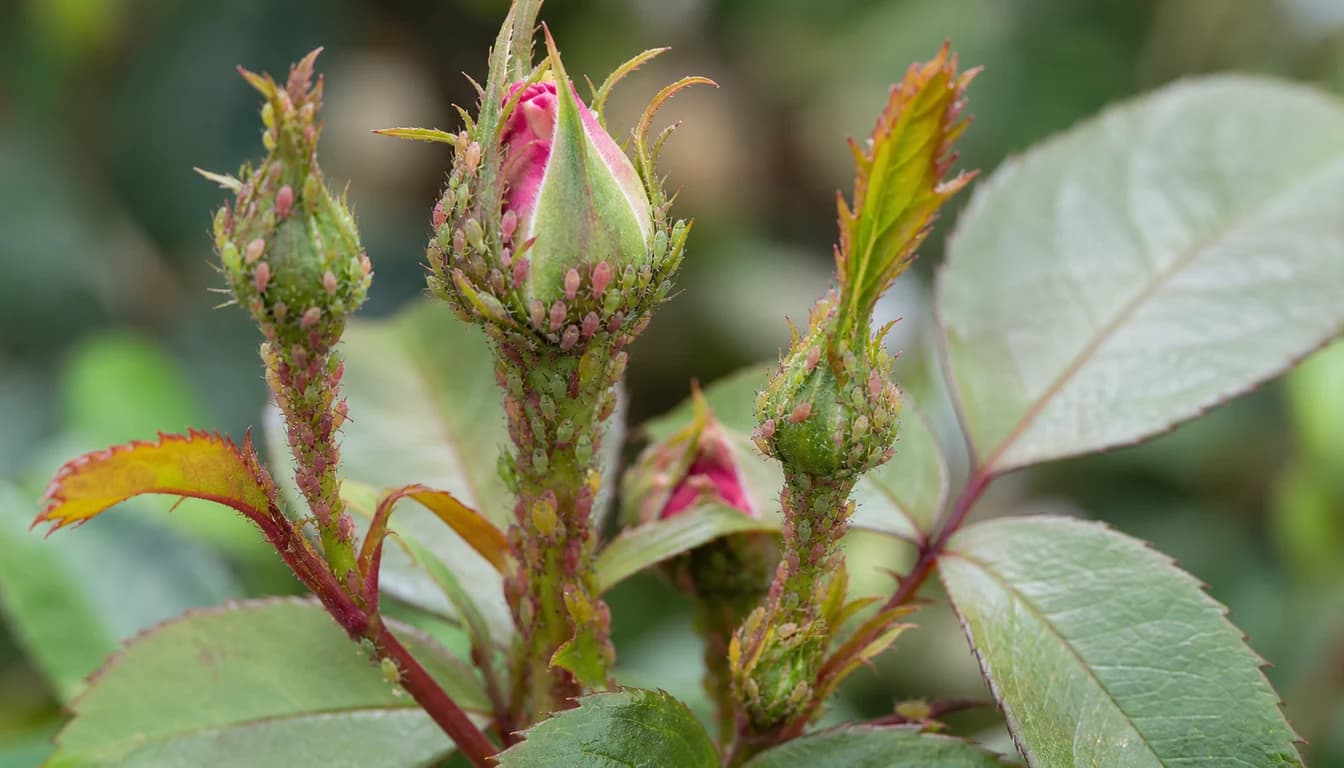
Aphids clustered on a tender rose shoot and flower bud

Aphids clustered on a tender rose shoot and flower bud

lightbulb
bolt

Quick Diagnosis

Most Likely Cause: Rose aphids (Macrosiphum rosae).

Clusters of soft-bodied insects on new shoots and flower buds with sticky honeydew on leaves, distorted new growth, and early sooty mold; a quick way to confirm is to closely inspect young rose growth for pear-shaped, wingless nymphs and adults gathered at bud tips.

Jump to fix steps arrow_downward

Rose aphids (family Aphididae; species often Macrosiphum rosae) are common on Rose plants across zones 3-11 and usually show up on fresh spring growth and developing buds, where their sap-feeding produces curling, distortion, sticky honeydew, and the blackening sooty mold that follows.

Aphid outbreaks are often garden- and weather-driven: they explode on flushes of soft new growth after pruning or mild rains, and most small populations are best watched because natural enemies - lady beetles, lacewings, and hoverflies - will often reduce numbers quickly if you provide nearby plants that attract beneficials.

We’ll help you confirm when this is Macrosiphum rosae, separate aphids from lookalike pests such as scale, choose threshold-based actions, and favor biological and cultural fixes that preserve helpful predators while offering quick relief when needed.

compare_arrows
Comparison - See AlsoKnock Out Rose vs Drift Rose
chevron_right
psychology

Understanding rose aphids and their impact

Rose aphids are soft-bodied, pear-shaped insects usually green but sometimes yellow, pink, or dark. Adults and nymphs cluster on tender shoots and inside buds where they suck plant sap and inject saliva that causes distorted leaves and poor bloom development.

Aphids excrete honeydew - a sticky, sugary waste - which attracts ants and encourages black sooty mold growth that reduces photosynthesis and stain blooms. Some aphids can also transfer viruses, so heavy or persistent infestations raise the risk to plant health and vigor.

Differentiating aphids from scale insects matters for treatment: aphids are mobile and soft-bodied and often move when disturbed, while scale insects are dome-shaped or flattened, harder, and more stationary and require scraping or targeted systemic treatments.

thermostat

Environmental Baseline

Before diagnosing specific failures, confirm your Knock Out Rose: Easy Landscape Roses With Real Limits's environment matches its core care requirements.

forestKnock Out Rose: Easy Landscape Roses With Real Limits Care Needs

  • Light: Full sun, at least 6 hours for best bloom
  • Water: Deep weekly soak once established, more in heat
  • Temp: Prune after the worst winter cold has passed

homeTypical Indoor Home

  • Humidity: 30-50% (Low)
  • Temp: 65-72°F variable
  • Light: Often too dim or direct
biotech

Possible Causes

Sorted by likelihood

1. Abundant new growth after pruning or fertilizing

Likelihood: High

Aphids prefer tender shoots and buds. Heavy pruning or a strong nitrogen fertilizer application produces flushes of soft tissue that attract Macrosiphum rosae and speed population growth.

Identification

  • remove_circle_outlineClustering of tiny pear-shaped insects on the underside of new leaves and inside buds.
  • remove_circle_outlineDistorted or curled leaves emerging after a pruning or feeding event.
  • remove_circle_outlineSticky residue (honeydew) on leaves or nearby surfaces shortly after new growth appears.
  • remove_circle_outlinefix

The Fix

  1. 1Delay high-nitrogen fertilizer until after the main bloom to reduce tender flushes.
  2. 2Remove the most affected shoots by hand-pruning to eliminate dense clusters and improve air flow.
  3. 3Use balanced feeding (slow-release fertilizer or compost) to slow overly lush growth that attracts aphids.
  4. 4identification_extra
  5. 5note

2. Favorable weather and mild winters

Likelihood: Medium

Warm, wet springs and mild winters let more aphids survive and reproduce earlier, producing noticeable outbreaks on roses when temperatures sit in the mid-range for insect activity.

Identification

  • remove_circle_outlinePopulations appearing earlier than normal in spring after a mild winter.
  • remove_circle_outlineQuick rebounds in numbers following warm, rainy periods.
  • remove_circle_outlinefix
  • remove_circle_outlineextra

The Fix

  1. 1Watch closely in early spring and inspect buds weekly after warm rains; early detection prevents large colonies.
  2. 2Encourage predators by avoiding broad-spectrum sprays that reduce natural enemy populations.
  3. 3identification_extra
  4. 4note
  5. 5extra2

3. Disruption of beneficial insects (broad-spectrum insecticides)

Likelihood: Medium

Sprays that kill lady beetles, lacewings, and hoverflies remove the natural controls that keep aphids at low levels; aphids can rebound quickly and become worse than before treatment.

Identification

  • remove_circle_outlineSudden increase in aphid numbers shortly after a general insecticide application.
  • remove_circle_outlineFew or no visible predators on the plant despite heavy aphid presence.
  • remove_circle_outlinefix
  • remove_circle_outlinenote

The Fix

  1. 1Stop using broad-spectrum insecticides on roses when aphids are present.
  2. 2If chemical control is necessary, select targeted options and apply in ways that spare predators - spot spray in the morning when bees are inactive and avoid repeat blanket sprays.
  3. 3extra
  4. 4identification_extra
  5. 5note
menu_book
Guide - See AlsoAir Purifying Plants for Cleaner Indoor Air
chevron_right
potted_plant

Root Health Examination

A direct inspection of the root system distinguishes root rot from drought stress - saving weeks of guesswork.

check_circleHealthy Roots

  • Firm to the touch
  • White or light tan color
  • Earthy, pleasant smell

cancelCompromised Roots

  • Mushy or slimy texture
  • Dark brown or black color
  • Sour, rotting odor

Inspection Step: Gently slide the pot off while supporting the base of the stems. The outer root ball gives sufficient clues without disturbing all the soil.

gpp_bad
warning

When to Worry

A few yellow leaves are normal. If more than 20% of foliage turns yellow within a week, or new growth is affected, act immediately - check the roots first.

timeline

Recovery Protocols

Recovery takes time. Once the root cause is corrected, implement a 30-day stabilization window.

Immediate (0-3 days)What to expect right after control

After a targeted water spray or manual removal you should see fewer visible aphids within a day. Honeydew will remain sticky and may drip for a few days; rinse leaves to remove residue and reduce sooty mold development.

Short term (1-3 weeks)Plant response and predator recruitment

Natural predators often arrive or increase within 1-2 weeks if you avoid broad sprays. New, undistorted growth appears in 2-3 weeks after the main colony is reduced; watch for any nymphs that escaped the first treatment.

Medium term (3-8 weeks)Full recovery and bloom quality

Expect bloom quality and normal leaf expansion to return within a month to two months, depending on season and plant vigor. Residual sooty mold fades as leaves replace and you keep honeydew washed off.

menu_book
Guide - See AlsoBest Herbs to Grow Indoors for Real Harvests, Not Spindly Pots
chevron_right
shield

Preventing Future Issues

Prevent aphids by routinely inspecting new growth, encouraging beneficial predators, avoiding high-nitrogen late-season feeding, and matching irrigation to plant needs. Adjust proper watering timing to avoid lush flushes that invite aphids by following proper watering timing. Use targeted treatments only when thresholds are exceeded to protect natural enemies and long-term balance. When choosing plants, favor pest-resistant varieties such as pest-resistant varieties like Knock Out to reduce recurring pressure on Rose beds. Action trigger: if you see 10+ aphids per cluster on new growth or noticeable honeydew, start monitoring and plan a natural-control approach.

menu_book

Related Reads

compare_arrows
ComparisonKnock Out Rose vs Drift Rose
chevron_right
menu_book
GuideAir Purifying Plants for Cleaner Indoor Air
chevron_right
menu_book
GuideBest Herbs to Grow Indoors for Real Harvests, Not Spindly Pots
chevron_right
menu_book
GuideBest Indoor Plants for Every Room and Light Level
chevron_right
menu_book
GuideFull Sun Perennials for All-Day Hot Spots
chevron_right
menu_book
GuideLow Maintenance Plants for Hands-Off Gardens
chevron_right
Knock Out Rose: Easy Landscape Roses With Real Limits (Rosa 'Knock Out') - full care guideRosa 'Knock Out'

Knock Out Rose: Easy Landscape Roses With Real Limits

Rosaceae Family

wb_sunny

Light

Full sun, at least 6 hours for best bloom

water_drop

Water

Deep weekly soak once established, more in heat

thermostat

Temp

Prune after the worst winter cold has passed

yardFull Care Guide

On This Page

boltQuick DiagnosispsychologyUnderstandingthermostatEnvironment CheckbiotechPossible Causespotted_plantRoot ExamwarningWhen to WorrytimelineRecovery PlanshieldPreventionmenu_bookRelated Reads