
Plantingschedule14 min read
Fragrant Flowers for Every Yard and Season
Step-by-step guide to choosing, placing, and caring for fragrant flowers so your yard smells good from spring through fall, in containers or beds.
A yard can look good and still smell like nothing. Fragrant flowers fix that fast if you pick the right plants and put them in the right spots.
The details that move the needle: choosing strong-scented bloomers, planning for all-season fragrance, and keeping them healthy without high-maintenance fuss; we will point you toward reliable shrubs like lilac, tough perennials, and even scented herbs so you can build a garden that smells as good as it looks.
spaDecide What Kind of Fragrance You Actually Like
Not all scents feel the same in real life. Heavy sweet blooms near a doorway can be great in small doses and overwhelming on hot evenings.
Think about where you spend time outside. A strong wall of scent works by a patio, but a subtle trail is nicer along a path or driveway.
Flower fragrance also shifts through the day. Evening-scented plants often smell strongest at dusk, which matters if you are home after work more than at noon.
Common choices break into a few clear scent groups.
- fiber_manual_recordSweet floral: old-fashioned garden roses, peonies, and oriental lilies for big perfume blasts
- fiber_manual_recordFresh and clean: lilac in spring, lightly scented hydrangeas, and some fragrant hosta varieties
- fiber_manual_recordSpicy or clove-like: frilly dianthus cultivars and certain old garden rose types
- fiber_manual_recordHerbal: lavender, rosemary, brisk mint, and earthy culinary sage
Sample fragrant flowers in person on a warm day before you commit a whole bed to them.
If you are scent-sensitive, lean on herbs and lighter bloomers. If you love perfume, concentrate the big guns like lilac and gardenia in one main seating area and keep the rest of the yard calmer.
wb_sunnyMatch Fragrant Plants to Sun, Zone, and Space
Strong scent does not make up for bad growing conditions. A plant that is miserable will bloom less, so it will also smell less.
Start by checking your USDA zone and how much sun each bed gets. South-facing beds in zone 7 handle heat like crepe myrtles, while zone 4 beds behave more like cold-hardy peony clumps.
Full-sun areas are prime real estate for heat-tolerant fragrant shrubs and perennials. Partial shade and morning-only sun are better for delicate blooms and anything that scorches.
In warm regions, gardenia shrubs earn a protected part-sun spot where you can smell them from a porch without baking the leaves.
Planting a sun lover like lavender in deep shade is the quickest way to lose both flowers and fragrance.
Use this quick cheat sheet when you match plants.
- fiber_manual_recordFull sun (6+ hours): lavender, most roses, daylilies, catmint, salvia, and lantana
- fiber_manual_recordPart sun / part shade: lilac shrubs, gardenia in warm zones, peonies, fragrant hostas along paths
- fiber_manual_recordBright shade: some hydrangeas, feathery astilbe, and pots of vigorous mint for brushing against
Soil also matters. Dry slopes suit lavender and airy Russian sage, while rich beds with steady moisture suit lilac and peony plantings.
- fiber_manual_recordSoil drainage: Fast-draining for Mediterranean herbs, average for most perennials, slightly moist for shade lovers
- fiber_manual_recordMature size: Check tags and give shrubs the full spread listed, so they do not smother neighbors
- fiber_manual_recordHardiness: Confirm the plant thrives in your zone 3-11 conditions before you commit
Guide — See AlsoHow to Grow Raspberries for Big Summer HarvestsStep-by-step guide to growing raspberries at home, from choosing canes and preparing soil to trellising, pruning, and wa
chevron_rightcalendar_monthLayer Fragrance From Spring Through Frost
A yard that smells good for two weeks in May is fine. A yard that smells good from snowmelt to frost is better.
Plan fragrance like a relay race. One set of plants hands off to the next so something scented is always blooming or releasing oils.
Start with spring anchors. In cooler zones, shrubs like lilac and non-fragrant forsythia companions can frame the show while the fragrant choices carry the scent.
Summer should carry the longest stretch. Mix shrubs and perennials, then tuck herbs and annuals into gaps in the front of the border or in containers near seating.
Fall fragrance is easy to forget. Late-season bloomers pull a lot of weight once nights cool down.
Use this rough seasonal outline as you plan beds.
- fiber_manual_recordEarly spring: daffodils with light scent, early tulips, and fragrant hyacinths if your nose tolerates them
- fiber_manual_recordMid to late spring: lilac hedges, lush peonies, and certain bearded irises
- fiber_manual_recordSummer: repeat-blooming roses, oriental lilies, daylilies, lavender borders, catmint, and pots of spicy basil
- fiber_manual_recordLate summer to fall: garden mums, asters, some verbena varieties, and herbs like low thyme rubbing underfoot
If you can walk from your front door to your favorite chair and pass at least three different fragrant plants, the season-long plan is working.
Email Updates
Join the KnowTheYard update list
Zone-specific advice, seasonal reminders, and new plant guides — no filler.
yardPlace Scent Where You Actually Use It
High-fragrance plants do the most good where air is trapped or you pass close by. A random shrub in the back corner will not carry scent to your porch.
Start with doorways, patios, and paths. These small areas can handle your strongest bloomers because you only smell them as you move around or sit nearby.
Fragrance travels best on warm, still evenings. A hedge that blocks wind, like low boxwood, helps hold scent around a sitting area without needing more plants.
Avoid planting overpowering shrubs like gardenia by the door of a small home if anyone has scent allergies.
Think in vertical layers so scent sits near your nose, not only at ankle height.
- fiber_manual_recordShrub level (3-8 feet): lilac along fences, gardenia near patios, rose of Sharon where space allows
- fiber_manual_recordPerennial level (1-3 feet): daylilies by walkways, catmint edging, coneflowers mixed with lightly scented partners
- fiber_manual_recordGround level (under 1 foot): walkable thyme, creeping phlox in spring, pots of contained mint for brushing
In tiny yards or balconies, containers do the heavy lifting. Use a large pot with lavender, trailing verbena, and a small rose to stack three scents in the space of one chair.
Guide — See AlsoBest Shade Plants for Gardens That Get Little SunA practical guide to choosing the best shade plants for outdoor gardens, covering perennials, shrubs, ground covers, and
chevron_rightcompostSoil, Water, And Feeding For Strong Scent
Heavy perfume comes from healthy plants, not just fancy varieties. Flowers need enough energy, moisture, and nutrients to push oils into petals and leaves.
Poor soil or erratic watering gives you thin blooms with weak or no smell.
Most fragrant shrubs and perennials, like strongly scented roses and old fashioned peonies, like loose, rich soil. Mix in 2 to 3 inches of compost across the bed before planting.
Skip heavy clay that stays wet and pure sand that dries in an hour.
If the bed stays evenly moist, hydrangea shrubs can share the fragrant border even when their scent is lighter than the headline bloomers.
Consistent moisture matters more than daily watering. Aim to keep the top 2 to 3 inches of soil evenly damp during bud formation, then ease off slightly once blooms open so petals do not shatter.
Deep soaks once or twice a week beat light sprinkles.
Overwatering in heavy soil can dilute scent and rot roots before you notice anything above ground.
Fertilizer timing changes how flowers smell. A balanced, slow release product in early spring builds strong growth and buds.
Too much fast nitrogen, especially on shrubs like garden lilacs, pushes leafy shoots and fewer, less fragrant clusters.
- fiber_manual_recordSoil prep: 2–3 inches compost mixed into top 8–10 inches
- fiber_manual_recordWatering depth: Soak soil to 6–8 inches, then let surface dry slightly
- fiber_manual_recordFertilizer type: Slow release balanced formula, not high nitrogen lawn products
- fiber_manual_recordFertilizer timing: Once in early spring, skip heavy feeding during peak bloom
- fiber_manual_recordMulch layer: 2–3 inches of bark or shredded leaves, pulled back from stems
content_cutPruning And Deadheading To Keep Scent Coming
Fragrance fades fast on old, browned blooms. Regular deadheading keeps the show going and tells the plant to send up fresh, scented flowers instead of seeds.
Think clippers by the back door, not a once a month chore.
Cluster bloomers like fragrant salvias and humming catmints respond well to shearing. After the first flush fades, cut stems back by about one third.
You will see new buds form within a couple of weeks in warm weather.
Shrubs need more targeted cuts. On repeat blooming low-care rose shrubs and many modern fragrant panicle hydrangeas, remove spent clusters down to the first strong outward facing leaf.
Avoid cutting into thick old wood unless you are doing late winter shaping.
Major structural pruning on spring bloomers after buds swell cuts off the very flowers you planted for scent.
Once a year, refresh older shrubs like backyard lilac or sweet butterfly bushes with renewal pruning.
Right after bloom, remove up to one third of the oldest, thickest stems at ground level so younger, more fragrant shoots can replace them.
- fiber_manual_recordDeadhead often: Check beds twice a week during peak bloom
- fiber_manual_recordCut above leaf: Snip just above a strong leaf or side shoot
- fiber_manual_recordTiming for shrubs: Shape spring bloomers right after flowering finishes
- fiber_manual_recordRenewal cuts: Remove oldest stems, leave young flexible canes
- fiber_manual_recordTool care: Keep pruners sharp and wipe blades with alcohol between plants
Guide — See AlsoHow to Start a Vegetable Garden From ScratchStep-by-step guide to starting a productive vegetable garden from bare ground, including site choice, bed layout, soil p
chevron_rightpotted_plantGrowing Fragrance In Containers And Small Spaces
Small patios and balconies can smell as rich as big yards. Containers concentrate scent right where noses are, and you can move pots as sun angles change.
Think of each pot as a portable perfume bottle.
Compact shrubs like potted gardenia and small camellias do well in large tubs with at least 16 to 20 inches of width.
Mix them with trailing herbs such as cascading thyme sprigs or cool mint varieties to soften the edges and add layers of smell.
Warm season annuals carry patios through summer. Fill window boxes with petunia-like flowers, night-scented stock, and a clump of potted lavender on the corner.
Pinch faded blooms weekly to keep the scent coming into early fall.
Container soil dries quickly, which can boost fragrance as long as roots do not fry.
Use high quality potting mix, not garden soil, and water when the top inch is dry. Feed lightly every 4 to 6 weeks with a liquid bloom booster.
- fiber_manual_recordPot size: Bigger is better for shrubs, at least 16 inches wide
- fiber_manual_recordDrainage: Always use pots with holes, no exception
- fiber_manual_recordMix choice: Bagged potting mix labeled for containers, not topsoil
- fiber_manual_recordWater strategy: Deep soak until water exits holes, then let surface dry
- fiber_manual_recordWinter move: In cold zones, drag tender potted shrubs into a garage or against a sheltered wall
warningFragrance Troubleshooting: Weak Scent Or No Blooms
Strong fragrance can drop off after a couple of seasons. Sometimes the nose just gets used to it.
More often, light, pruning, fertilizer, or weather quietly changed and the plant is reacting.
Start with sun and age. Many classics, like older lilac thickets and long lived peonies, bloom and smell best on wood that gets several hours of direct light.
Trees and shrubs growing bigger nearby can shade them over time.
Pruning timing is another common culprit. If you cut spring bloomers like heavily scented wisteria in late winter, you likely removed flower buds. Fragrant azaleas set buds the same way.
They set buds the previous summer, so heavy winter pruning gives you leaves with no scent.
Nutrients can mute fragrance too. Overfed shrubs, especially those near lawns fertilized all season, push green growth instead of perfume.
Too much nitrogen often means lots of foliage and very few fragrant flowers.
Weather sometimes wins. Very hot, dry wind can bake away volatile oils on delicate petals, while cold wet springs reduce pollinator visits that help some plants repeat bloom.
- fiber_manual_recordCheck sun: Confirm at least 4–6 hours of direct light on blooming wood
- fiber_manual_recordReview pruning: Note when you last pruned and what you removed
- fiber_manual_recordWatch fertilizer: Avoid lawn runoff and high nitrogen near flower beds
- fiber_manual_recordInspect buds: Look for frost damage or dried, shriveled tips
- fiber_manual_recordCompare seasons: Keep a simple bloom and scent log in a notebook
Guide — See AlsoLow Maintenance Plants for Hands-Off GardensChoose genuinely low-maintenance plants for beds, containers, and tricky spots so your yard looks well tended, even when
chevron_righthealth_and_safetyDesigning For People, Pets, And Pollen
Big fragrance can come with side effects. Strongly scented plants can bother allergies, attract stinging insects, or be unsafe for pets and kids if you are not selective.
Plan beds around who uses the space, not just what smells good in theory.
If you have pollen sensitive guests, focus on double flowers and more foliage scent.
Dense, petal heavy varieties of many roses and formal camellias drop less loose pollen than open, daisy style blooms. Herbs like piney rosemaries and rough leaved sages smell strong even before they flower.
Pets and small children add another layer. Avoid shrubs with toxic parts along paths where chewing or grabbing is likely.
Choose safer options like soft lavender mounds and tough catmint clumps near seating and reserve potentially risky species for fenced or raised areas.
Never assume a plant is safe to touch or chew just because it is sold in a garden center.
Pollinators love fragrant flowers, which is usually a win.
If anyone is anxious about bees near doors, keep the heaviest bee magnets, such as big butterfly bushes and open coneflowers, out in the yard and use more lightly visited plants by the threshold.
- fiber_manual_recordAllergy focus: Lean on foliage scent and double flowers near patios
- fiber_manual_recordPet safety: Research toxicity before planting beside play areas
- fiber_manual_recordBee traffic: Place strong pollinator magnets away from entries
- fiber_manual_recordNight visitors: Reserve night blooming scent for calm sitting spots
- fiber_manual_recordScent height: Keep very intense smells below nose level for comfort
tips_and_updates
Pro Tips
- check_circlePlant at least one fragrant shrub, one perennial, and one herb near your main seating area for layered scent.
- check_circleStand where you sit in the evening and note wind direction before placing heavily scented plants.
- check_circleGroup plants with similar water needs so drought lovers like lavender are not overwatered beside thirsty hydrangeas.
- check_circleUse containers to test strong fragrances near doors before committing them to the ground.
- check_circleDeadhead repeat bloomers like roses and some salvias to keep flowers, and fragrance, coming longer.
- check_circleAdd a simple mulch layer to hold soil moisture and prevent stress that cuts down bloom scent.
- check_circleSkip heavy synthetic fertilizers near herbs and fragrant shrubs to avoid pushing weak, floppy growth.
quiz
Frequently Asked Questions
What are the easiest fragrant flowers for beginners?expand_more
Start with tough plants that forgive small mistakes. Good options include lavender, catmint, and repeat blooming shrub roses. They handle a wide range of soils, bounce back from imperfect pruning, and still give steady scent from late spring into fall.
Why do my fragrant flowers smell weaker this year?expand_more
Weaker scent usually traces back to less sun, over fertilizing, or pruning at the wrong time. Check that blooming stems still get 4–6 hours of light, avoid excess nitrogen near beds, and only prune spring bloomers right after they finish flowering.
Can I grow fragrant flowers in shade?expand_more
You can, but your plant list shrinks. Look for partial shade lovers like certain hostas, some astilbes, and a few scented azaleas. In deep shade, focus on fragrant foliage from herbs and shrubs planted where they catch stray light.
How close should I plant fragrant flowers to my house?expand_more
Keep strong scented shrubs at least 2–3 feet from foundation walls so air can move and maintenance is easier. For climbing plants, use sturdy trellises or wires a few inches off the siding to prevent trapped moisture and insect problems against the house.
Do fragrant flowers need special fertilizer?expand_more
They do not need fancy formulas, just balanced feeding and good soil. Use a slow release, balanced product once in early spring and rely on compost and mulch for the rest. Avoid high nitrogen lawn fertilizers near beds, which encourage leaves instead of blooms.
Related Guides

Air Purifying Plants for Cleaner Indoor Air
Learn how to pick, place, and care for air purifying plants so they help your indoor air instead of just looking pretty.
11 min read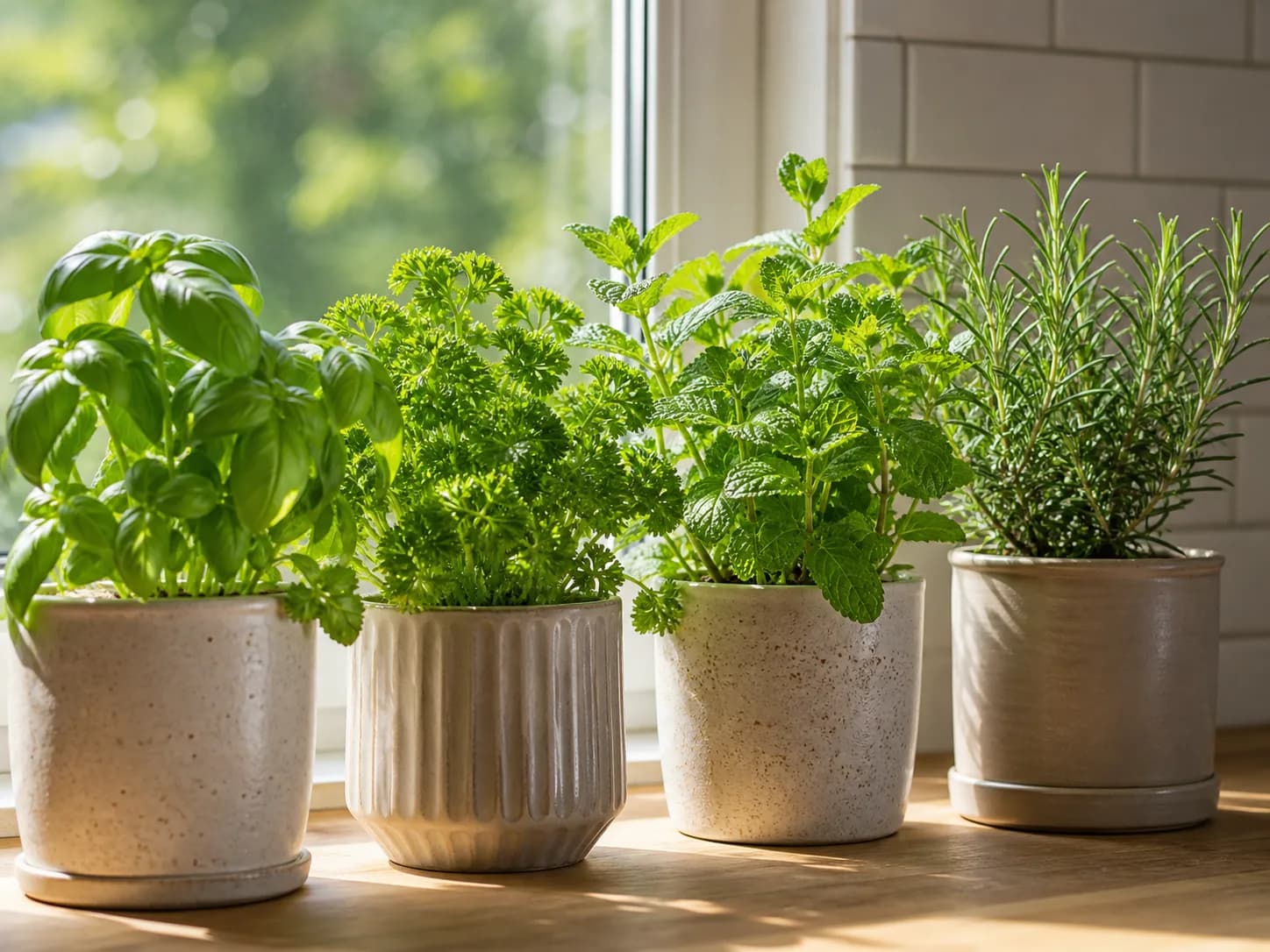
Best Herbs to Grow Indoors for Real Harvests, Not Spindly Pots
Choose indoor herbs that can actually produce in your light, temperature, and container setup, then match each one to the right harvest rhythm and watering style.
10 min read
Best Indoor Plants for Every Room and Light Level
A practical guide to choosing the best indoor plants for your home, covering beginner-friendly picks, low light champions, bright light lovers, watering basics, and how to avoid the most common mistakes.
13 min read