
Yard & Garden Guides
Choose the job you need to complete, then follow a practical guide from preparation through the final check.
Build skill in a useful order
Find the right instructions
146 matching guides
Search and filter guides
About search and filters
Search checks guide titles, introductions, and summaries. Topic narrows the task, reading depth uses the listed minutes, and sort uses update date, title, or reading time.
Common questions
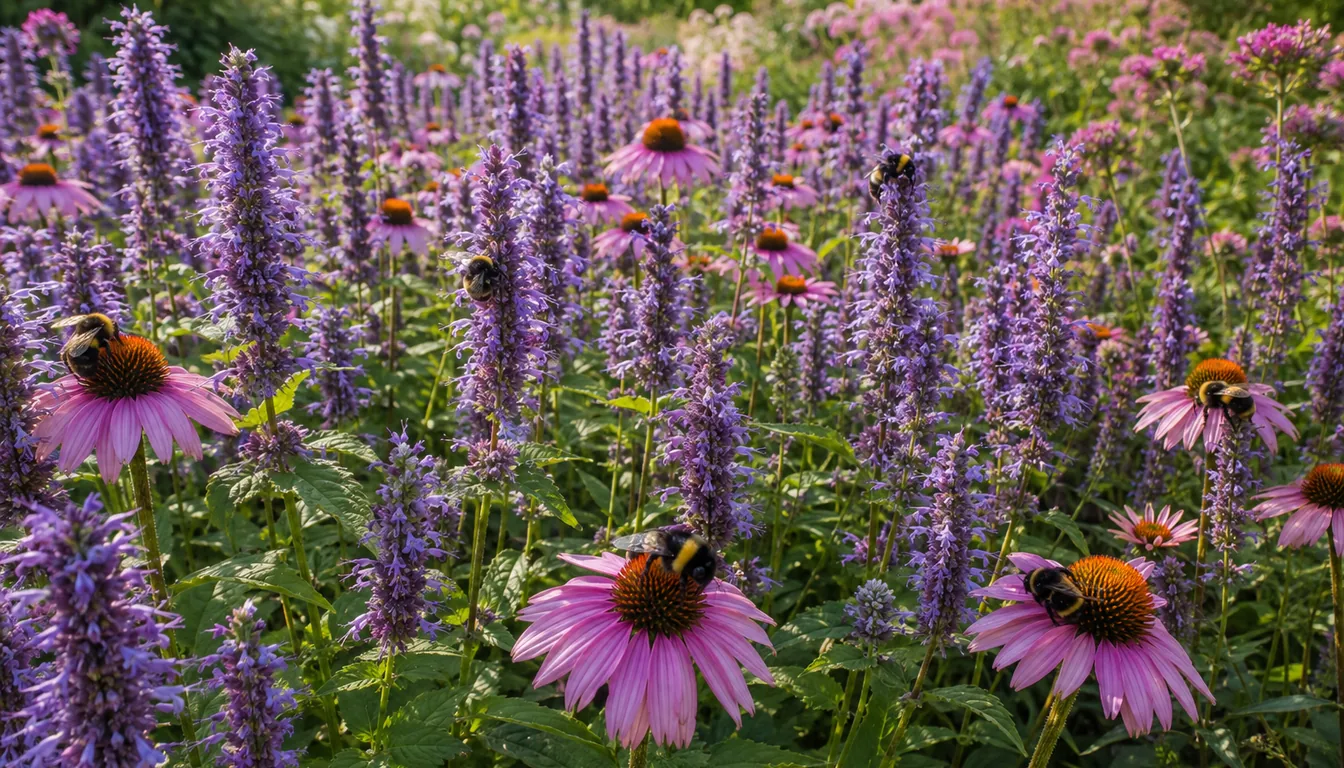
Do full-sun perennials need sun all day?
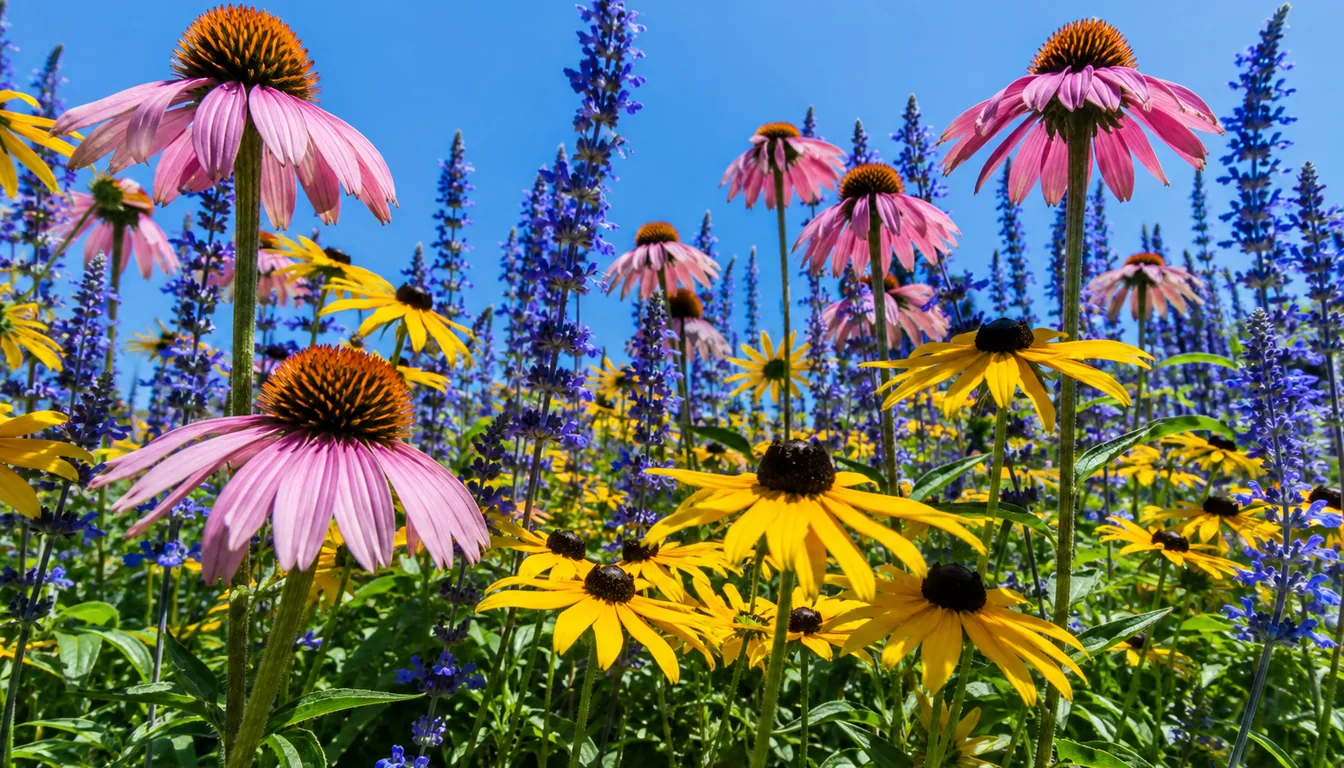
No. Full sun means 6 or more hours of direct sunlight a day. Russian sage flowers best and is less likely to flop in full sun, while purple coneflower grows in full sun to partial shade and blue catmint takes full sun to partial shade, especially in the South.
What is the lowest-maintenance ground cover?
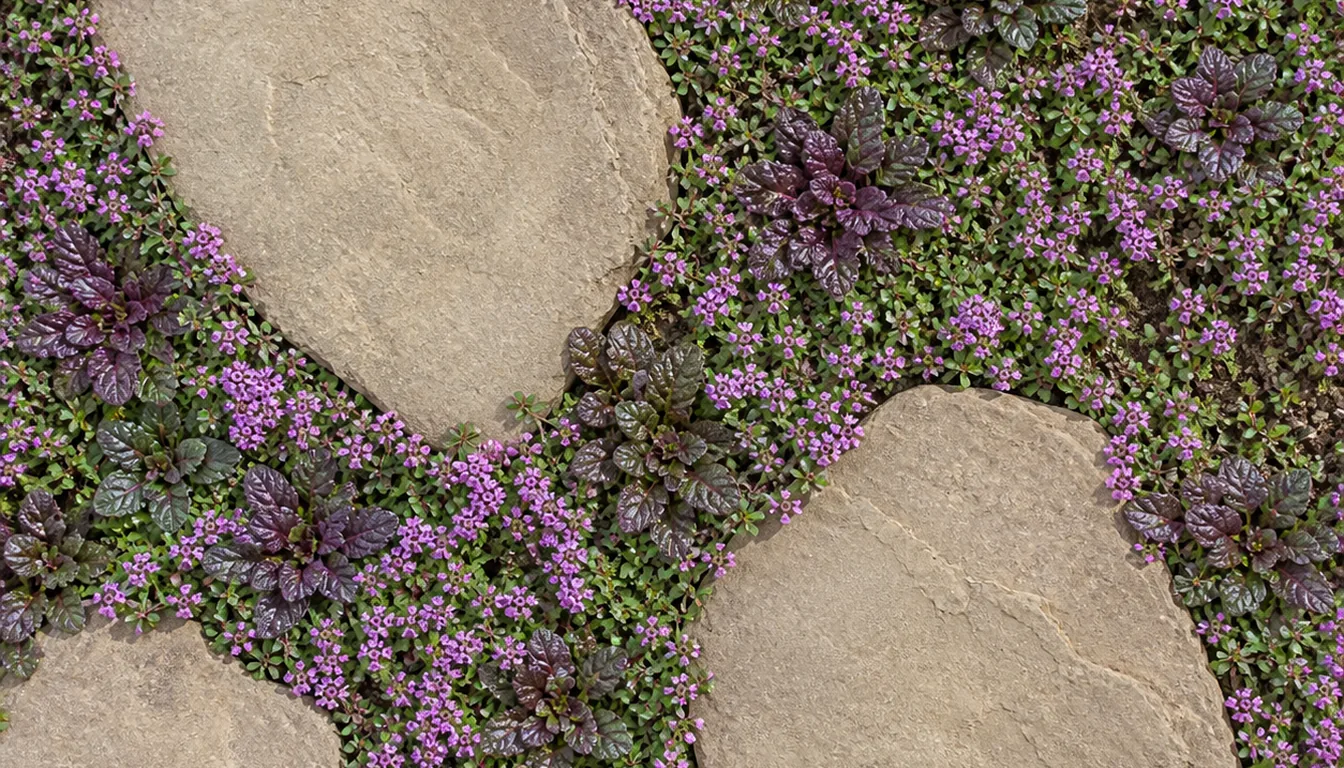
The one that suits the spot's light, drainage and traffic, because success is more likely when the plant fits the site as it is. No ground cover is maintenance free even then. Colorado State notes that evergreen ones such as creeping juniper need little care, while those that flower and fruit often need more to stay attractive.
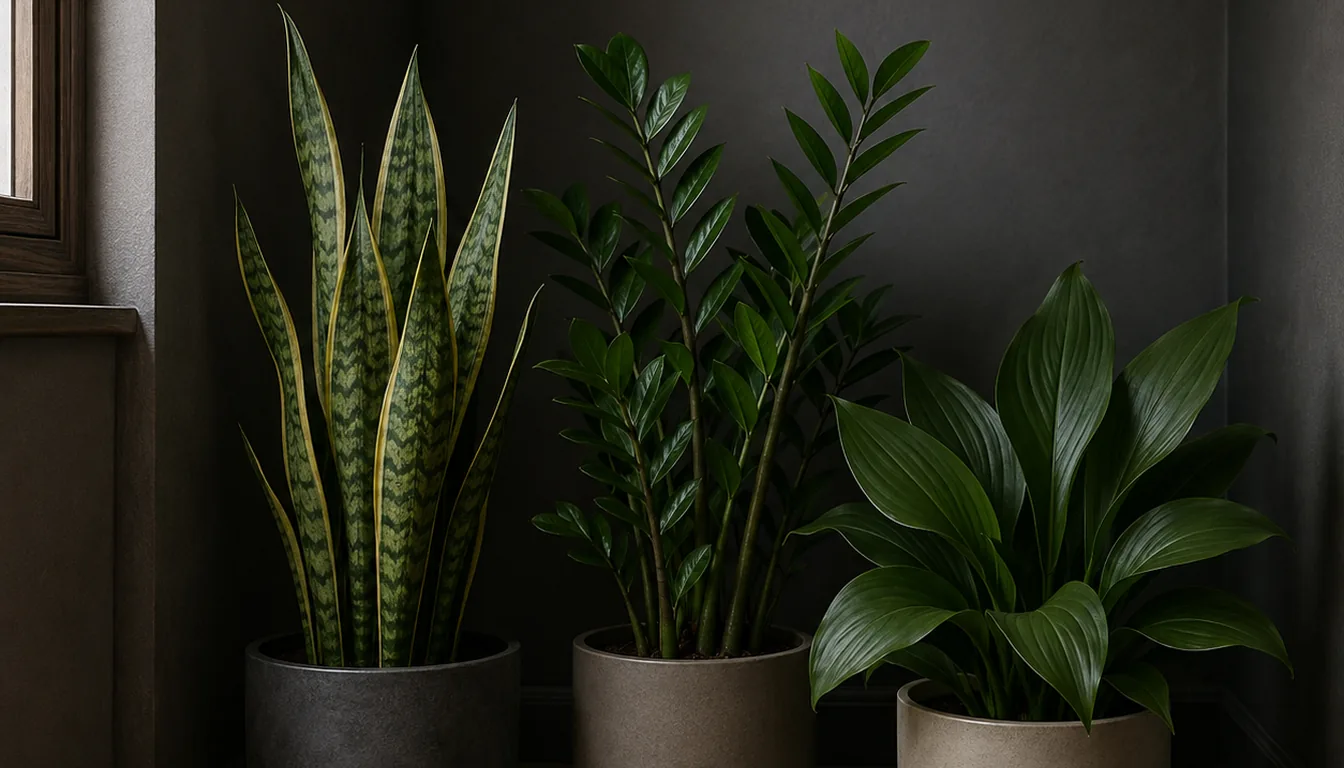
Can I rotate plants through a dark display spot?
A dark spot works only until the plant's stored energy runs out, because a plant without enough light cannot make the carbohydrates it lives on and eventually dies. If the spot is permanent, choose a plant for that light or add a grow light.
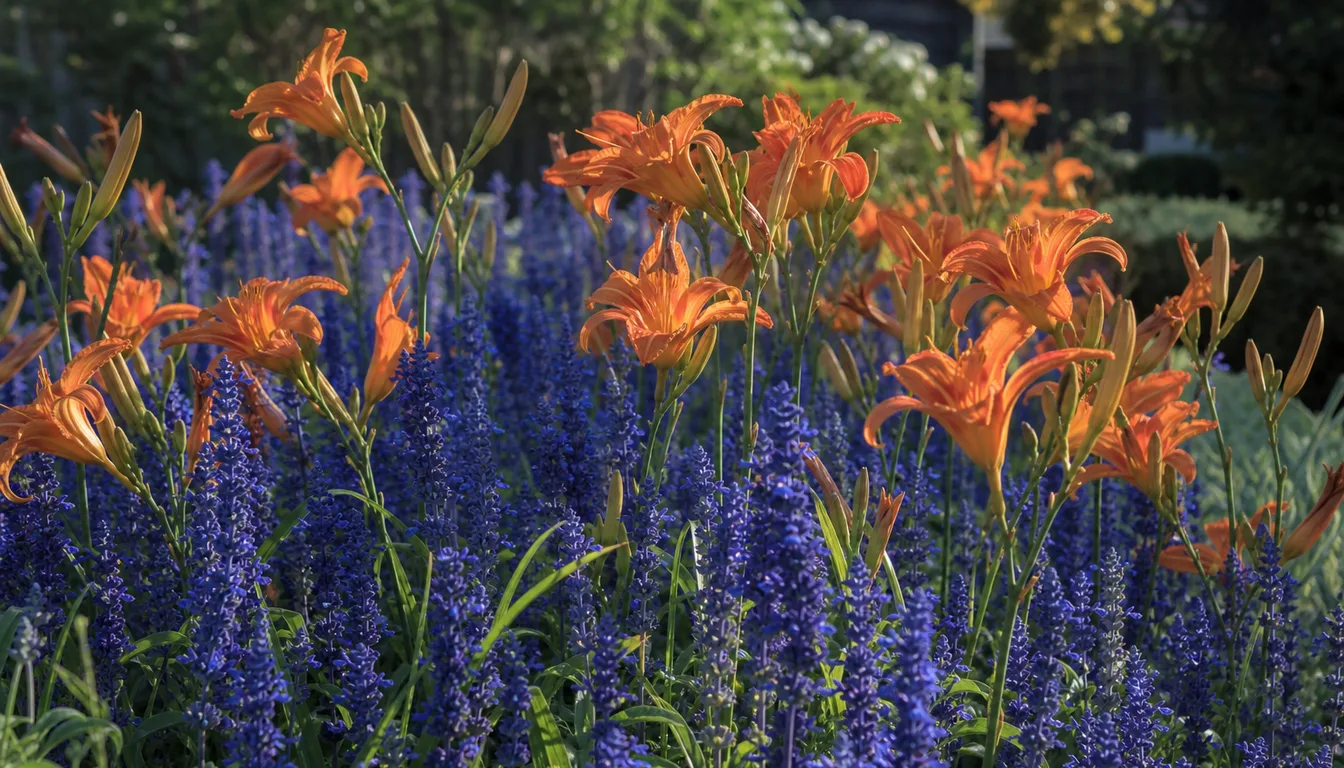
Does every coneflower, tulip or zinnia come in orange?
No. NC State describes purple coneflower with lavender rays and lists orange only among the colors of its many cultivars. Tulips come in all colors except true blue, and zinnias bloom in multiple colors, so check the cultivar name and a photo of its open bloom before you buy.
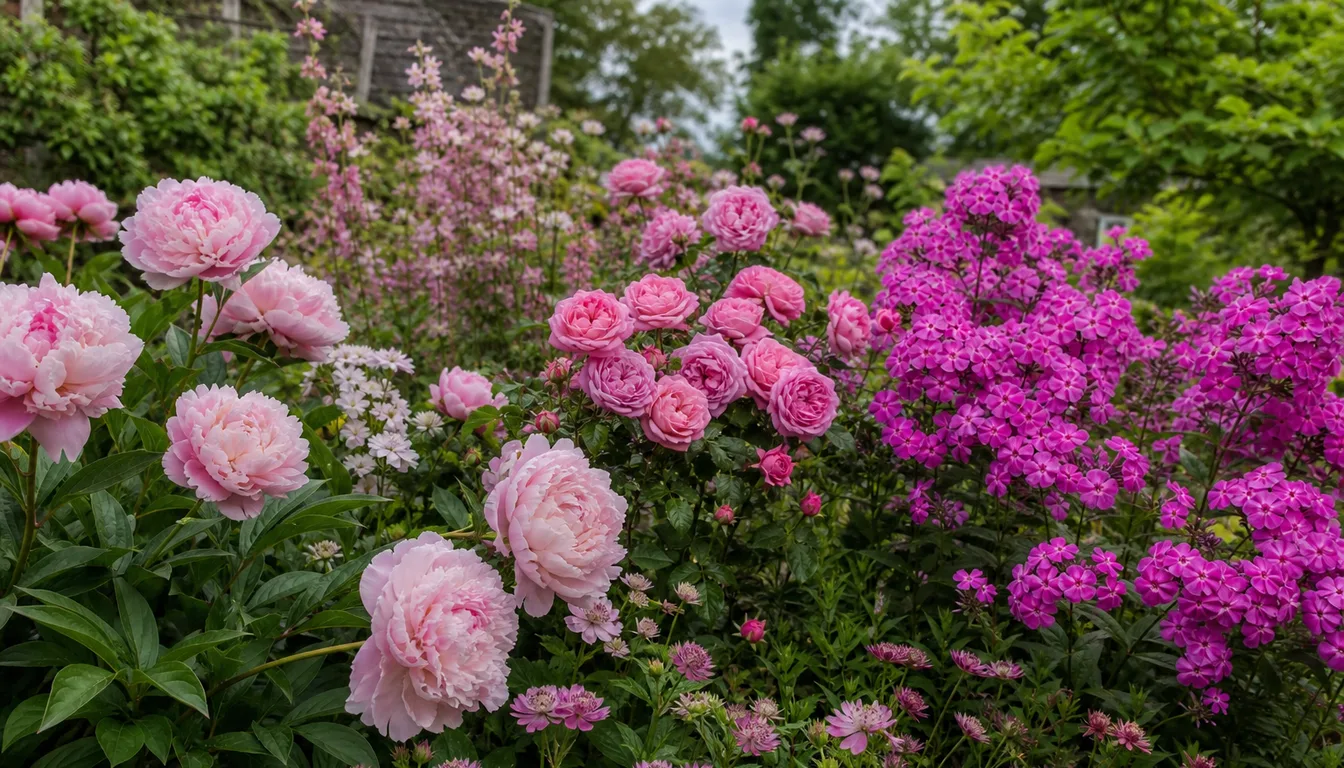
Why do my pink flowers look wrong together?
When a bed mixes many colors, some of them may clash, according to the University of Georgia, and repeating colors through the bed keeps it unified. Pastel pinks combine best with other pastels and with silver or gray-tinted foliage.
Connect instructions to your yard
How to use this library
- Pick the task you need to finish.
- Check timing and required tools.
- Follow the steps, then use the final checks.
A year of yard work
Spring
- Start seeds indoors 6 to 8 weeks before your last frost.
- Test soil pH and work compost into beds.
- Prune trees and shrubs before new growth starts.
- Check new leaves weekly for aphids and slugs.
Summer
- Water deeply twice a week instead of a little every day.
- Keep 2 to 3 inches of mulch over the roots.
- Pick vegetables and herbs often so plants keep producing.
- Check tomatoes and squash daily for hornworms and squash bugs.
Fall
- Sow lettuce, spinach, kale, and radishes for a cool-season crop.
- Plant trees and shrubs while the soil is still warm.
- Spread compost on empty beds before winter.
- Plant tulip and daffodil bulbs 6 weeks before hard frost.
Winter
- Note what grew well and order seeds early.
- Sharpen, clean, and oil your garden tools.
- Water houseplants less and keep them away from heaters.
- Mulch tender perennials and wrap young tree trunks.
Keep exploring

How every guide is made
KnowTheYard Editorial publishes every guide, with its sources and last-changed date on the page.