
Yard & Garden Guides
Choose the job you need to complete, then follow a practical guide from preparation through the final check.
Build skill in a useful order
Find the right instructions
146 matching guides
Search and filter guides
About search and filters
Search checks guide titles, introductions, and summaries. Topic narrows the task, reading depth uses the listed minutes, and sort uses update date, title, or reading time.
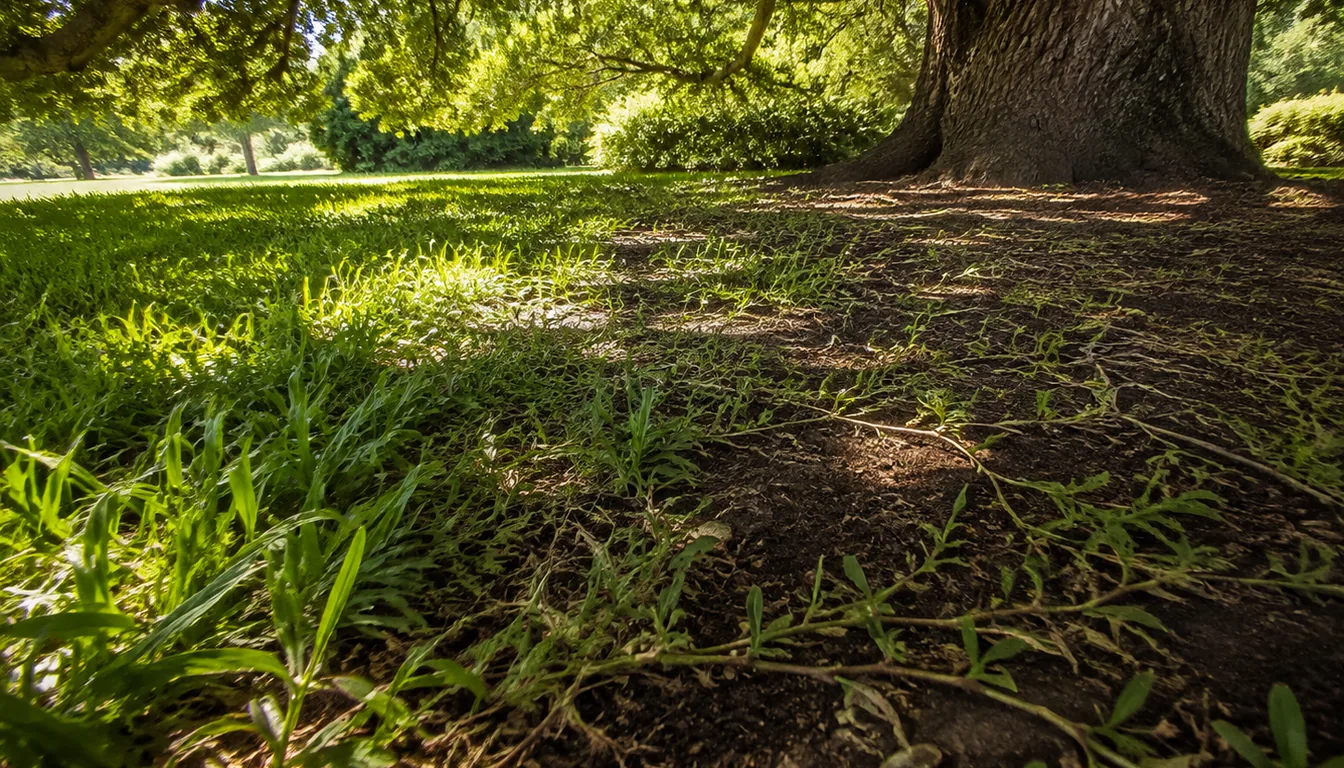
Can St. Augustine Grass Recover in Shade? When Repair Makes Sense
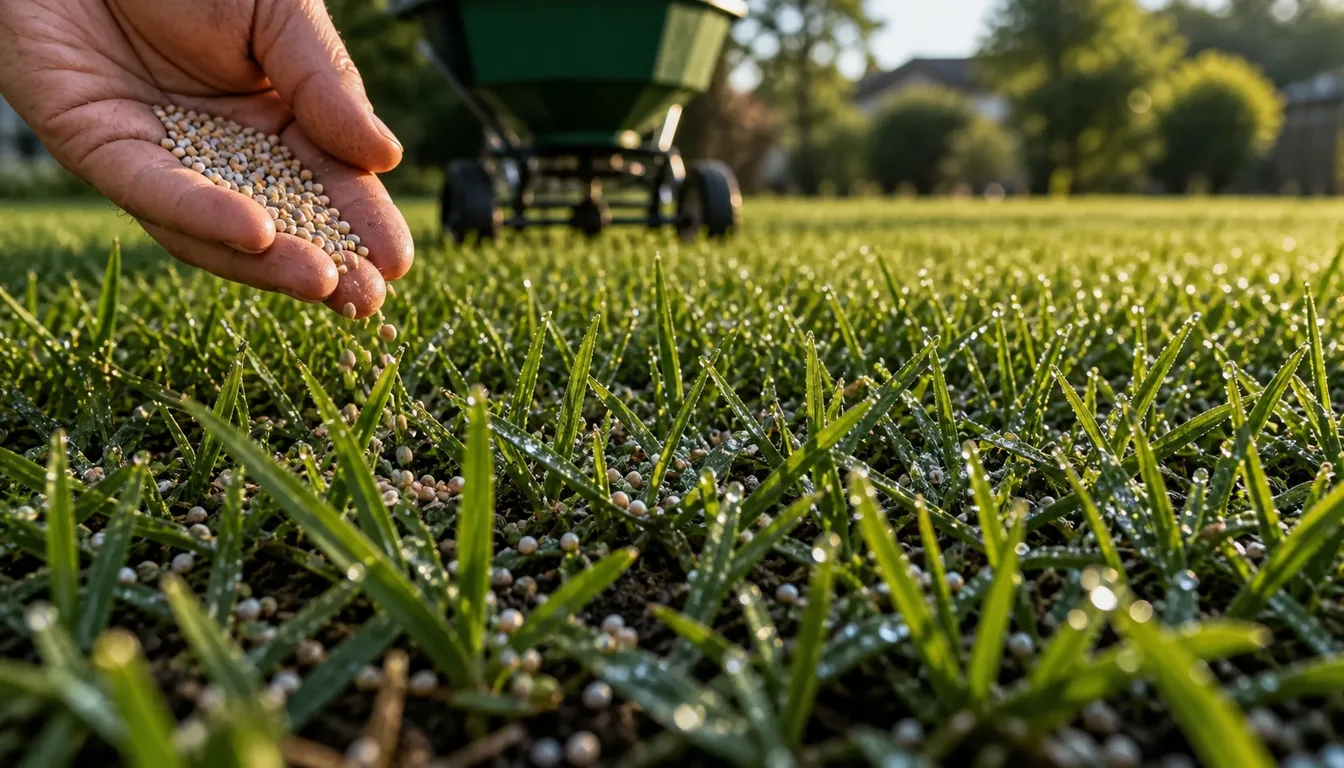
Can You Fertilize Wet Grass Safely?
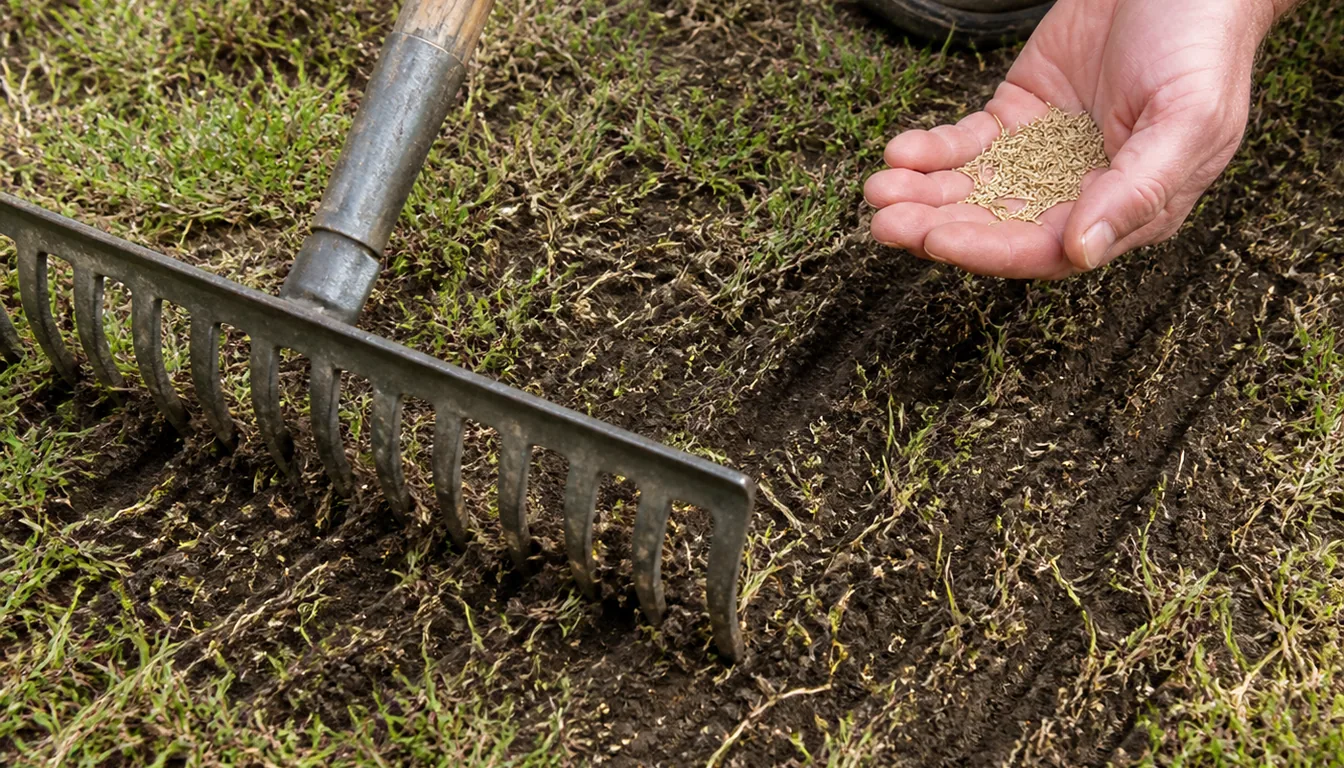
Can You Overseed a Lawn Without Aerating It First?
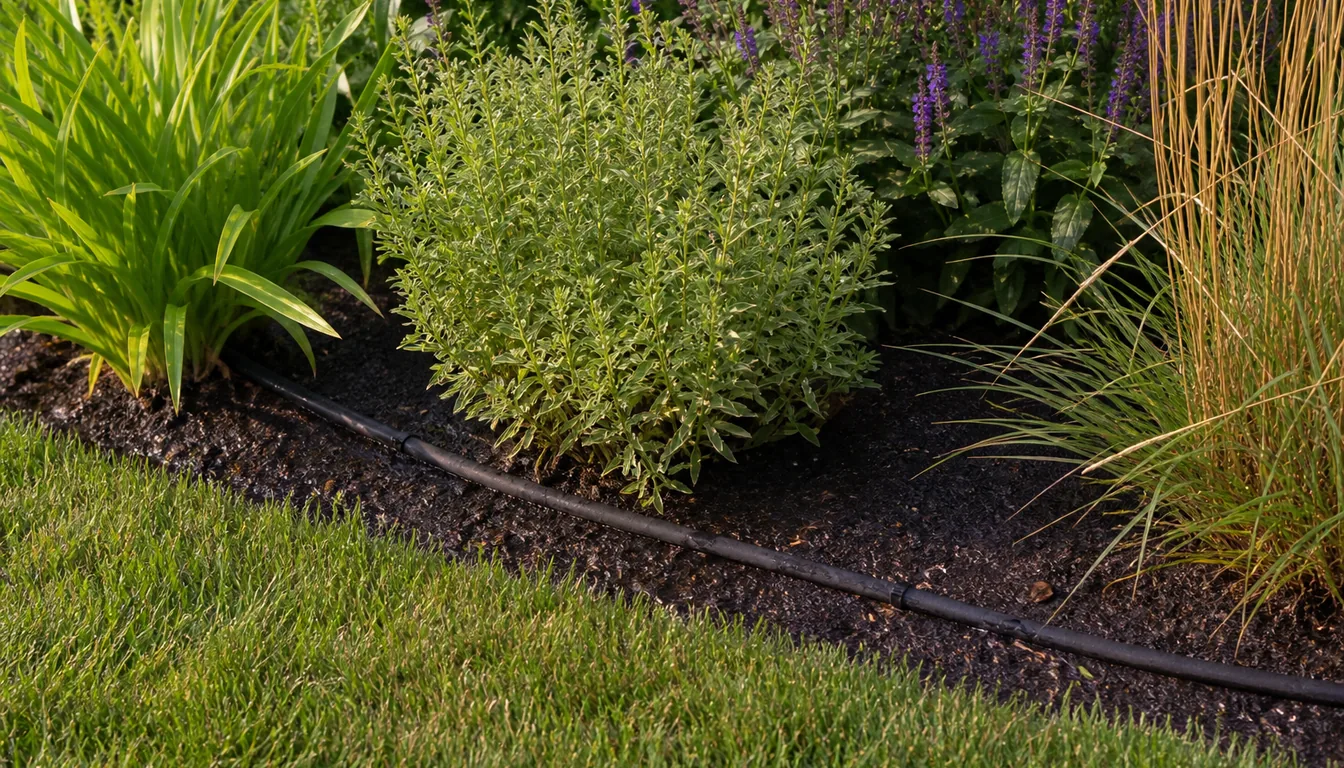
Deep Watering vs Frequent Watering: What Roots Need
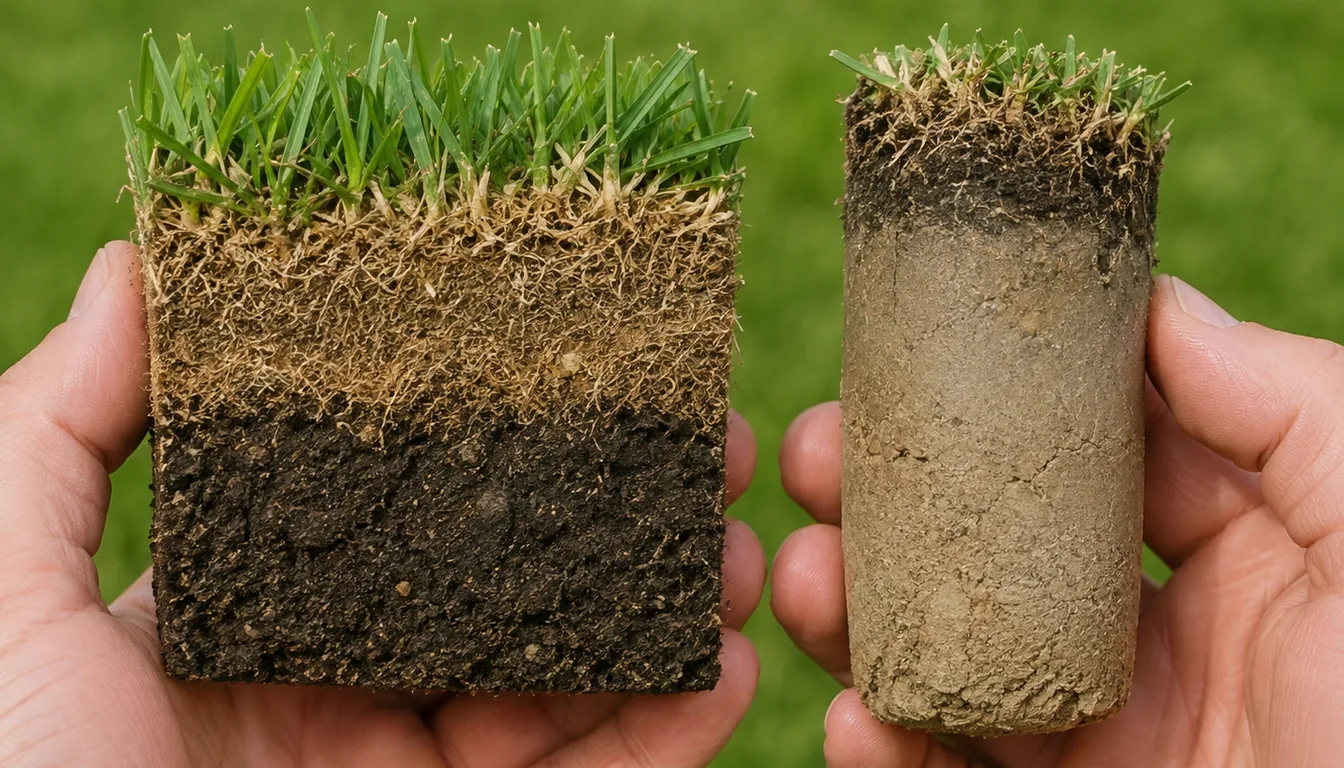
Dethatching vs Aerating: Which Does Your Lawn Need?
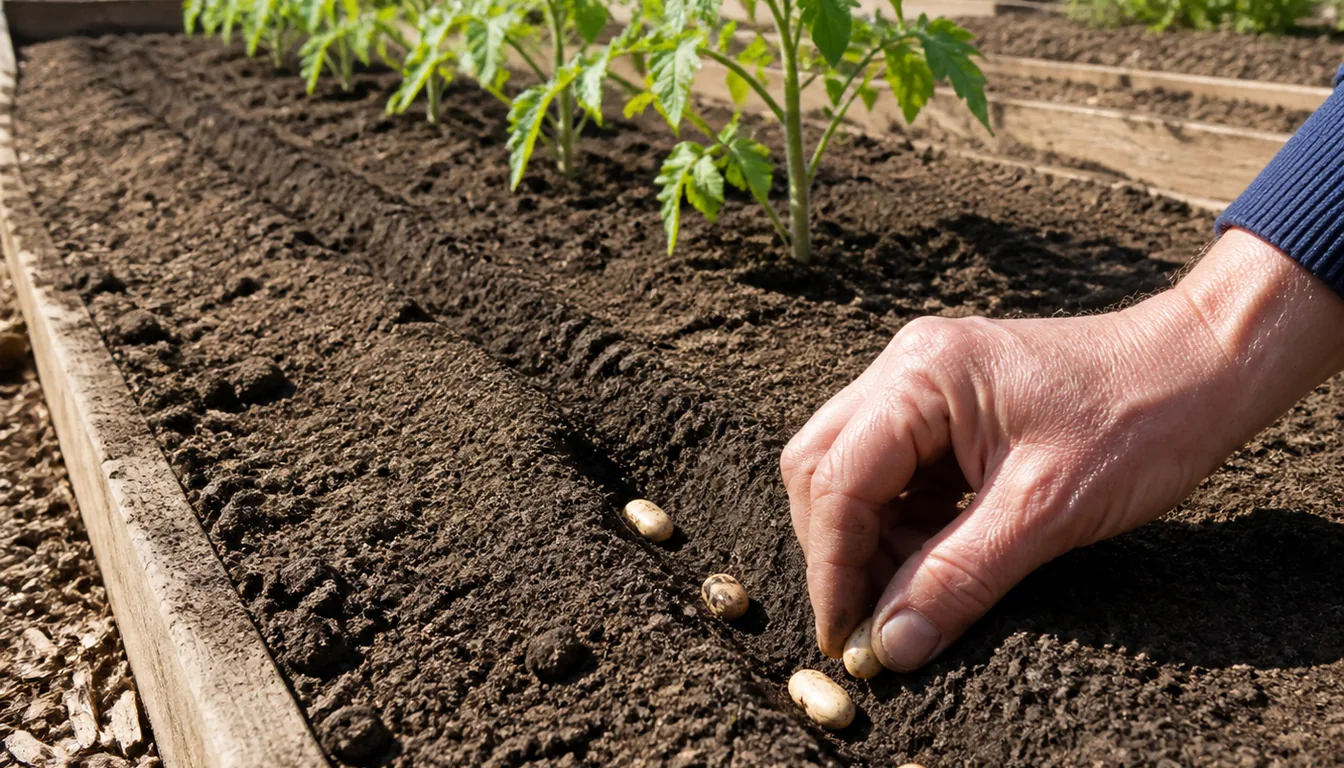
Direct Sow vs Transplant: Choose the Right Method
Common questions
Which St. Augustine grass is best for shade?
In University of Florida ratings, Seville, Palmetto, Classic and CitraBlue rate very good for shade. Seville is cold sensitive, Palmetto doesn't handle dense shade, and Classic's shade tolerance has not been verified by university research, so match the choice to your climate and to how much light the spot gets.
From Can St. Augustine Grass Recover in Shade? When Repair Makes Sense
Can you fertilize grass right after it rains?
Yes, if the soil is not saturated and no more heavy rain is coming. UF/IFAS advises against fertilizing when heavy rain is likely within 24 hours and against putting fertilizer on saturated soil. If the blades are still wet from the rain, wait until they dry before spreading granular fertilizer.
Is overseeding without aeration worth it on compacted soil?
Not until the compaction is dealt with. Compacted soil sheds water and keeps roots shallow, and overseeding has limited success on ground that is too compacted for healthy grass. Loosen a small compacted patch with a sod-coring tool, rent a core aerator for a larger one, and use the screwdriver test to see which parts of the lawn need it.
Is deep watering always better than frequent watering?
For established trees, shrubs and lawns, a deep watering followed by days of waiting is the better pattern, because frequent light watering promotes shallow roots. New seed, new sod and newly planted trees and shrubs are the exception and need frequent watering at first, then less often as their roots establish.
Should I dethatch or aerate first if my lawn needs both?
Dethatch first, rake up the debris, then core aerate, which is the order the University of California's lawn guide gives. Do both jobs only when your wedge and screwdriver tests show a problem and the grass is growing strongly.
Connect instructions to your yard
How to use this library
- Pick the task you need to finish.
- Check timing and required tools.
- Follow the steps, then use the final checks.
A year of yard work
Spring
- Start seeds indoors 6 to 8 weeks before your last frost.
- Test soil pH and work compost into beds.
- Prune trees and shrubs before new growth starts.
- Check new leaves weekly for aphids and slugs.
Summer
- Water deeply twice a week instead of a little every day.
- Keep 2 to 3 inches of mulch over the roots.
- Pick vegetables and herbs often so plants keep producing.
- Check tomatoes and squash daily for hornworms and squash bugs.
Fall
- Sow lettuce, spinach, kale, and radishes for a cool-season crop.
- Plant trees and shrubs while the soil is still warm.
- Spread compost on empty beds before winter.
- Plant tulip and daffodil bulbs 6 weeks before hard frost.
Winter
- Note what grew well and order seeds early.
- Sharpen, clean, and oil your garden tools.
- Water houseplants less and keep them away from heaters.
- Mulch tender perennials and wrap young tree trunks.
Keep exploring

How every guide is made

KnowTheYard Editorial publishes every guide, with its sources and last-changed date on the page.