verifiedSource Reviewed
Fig Tree: Backyard and Container Fruit With Smart Winter Care
Ficus carica
Family: Moraceae
wb_sunnyLight
Full sun, 6-8+ hours
water_dropWater
Deep watering, steady during fruit swell
heightHeight
6-20 feet depending on climate, cultivar, and pruning
publicZone
Variety and protection dependent

Native Region
Mediterranean region and western Asia
biotechWhy Figs Work as Trees, Shrubs, or Containers
In garden terms, Fig tree is naturally flexible: in warm climates it can become a small spreading tree, while in colder gardens it often behaves like a multi-stem shrub that regrows after winter dieback.
Most common backyard figs are self-fruitful and do not need a second tree or the specialized pollination that some wild fig types require. That makes one well-placed tree enough for many home gardeners.
Compared with apple trees, figs need less formal training but more attention to winter protection and pruning timing if cold damage is common.
infoBreba and Main Crops
Some figs make an early breba crop on last year's wood and a main crop on current growth. Heavy pruning can remove breba wood.
Figs can produce a breba crop on older wood and a main crop on new growth, depending on cultivar and climate. That distinction matters when winter dieback removes last year's stems.
paletteChoosing Cold-Hardy, Early, or Container Types
Choose a fig tree by ripening time first. Short-season gardens need early main-crop varieties that can ripen before fall cools down.
Cold-hardy names such as 'Chicago Hardy' are useful where top growth may freeze, because they can fruit on new shoots after dieback. In warm climates, flavor, fruit color, and size can matter more than cold recovery.
infoSelection check
Container growers should choose compact, productive varieties and a pot size they can actually move. This decision is similar to choosing dwarf citrus for patio life, but figs can overwinter cool and leafless.
Common figs are the practical choice for most home growers because they fruit without a specialized pollinator. The bigger decision is whether you need cold-hardiness, breba crop potential, container size control, or fresh-eating flavor.
Cold-hardy typesBest where winter dieback is likely and new wood must fruit
Early ripening typesBest for short summers and cool fall weather
Container typesBest with compact habit, reliable fruiting, and manageable pruning
Warm-climate typesBest where wood survives winter and long seasons ripen fruit fully
Guide — See AlsoAir Purifying Plants for Cleaner Indoor AirLearn how to pick, place, and care for air purifying plants so they help your indoor air instead of just looking pretty.
chevron_rightwb_sunnyFull Sun for Sweet, Ripe Figs
The bloom and fruiting cue is light: Fig trees need 6-8 or more hours of direct sun to ripen sweet fruit. Shade gives big leaves and weak fruit quality.
In cool climates, plant near a warm wall, driveway, or south-facing exposure where heat helps wood mature before winter. In hot climates, light afternoon relief can reduce leaf stress without sacrificing the crop.
Container figs should spend the growing season outdoors in sun whenever possible. Indoor windows rarely provide enough light for a heavy crop.
A sunny fig site is also a winter-management decision. The tradeoff in fig vs olive tree often comes down to whether your yard favors a fruiting shrub that can resprout or an evergreen tree that hates cold wet roots.
- check_circleBest site: full sun and reflected warmth in cool regions.
- check_circleHot sites: mulch roots and allow light afternoon relief.
- check_circleContainers: move outdoors after frost danger passes.
- check_circlePoor-light clue: leafy growth with slow, bland fruit.
Email Updates
Join the KnowTheYard update list
Zone-specific advice, seasonal reminders, and new plant guides — no filler.
water_dropSteady Moisture Without Fruit Splitting
The root zone decides watering: Fig trees tolerate some drought once established, but fruit quality drops if soil swings from bone dry to soaking wet during ripening.
Water deeply during long dry spells, especially while fruit is swelling. The deep watering pattern builds stronger roots than shallow daily watering.
lightbulbWatering cue
Containers dry much faster than in-ground trees. Check pots often in summer; a wilting container fig can drop fruit quickly.
The key is avoiding big swings; a fig that dries hard and then gets soaked is more likely to lose fruit quality.
warningAvoid Drought-Flood Cycles
Uneven moisture near harvest is a common reason figs split, sour, or attract wasps.
Figs tolerate dry soil once established, but fruit quality depends on even moisture while figs are swelling. Severe swings can cause fruit drop, splitting, or bland texture, especially in containers where roots heat up quickly.
Guide — See AlsoBest Herbs to Grow Indoors for Real Harvests, Not Spindly PotsChoose indoor herbs that can actually produce in your light, temperature, and container setup, then match each one to th
chevron_right
potted_plantSoil, Drainage, and Containers
The planting bed matters because Fig trees prefer well-drained soil with moderate fertility. They are more tolerant than many fruit trees, but wet roots in heavy clay are still a problem.
In cold climates, raised planting or a warm slope helps roots drain and warm earlier. In containers, use a fast-draining potting mix and a pot large enough to buffer water swings.
Unlike blueberries, figs do not require strongly acidic soil. Average garden soil is usually workable if drainage is good.
A fig in the ground can handle leaner soil than a fig in a pot. Container figs need a mix that drains well but still holds enough moisture to carry fruit through hot afternoons.
In containers, refresh part of the potting mix when growth slows rather than stepping up to a huge pot every time. Too much wet mix around a modest root ball can cause the same sour-root problems as poor ground drainage.
Best textureLoam or sandy loam with reliable drainage
FertilityModerate; avoid heavy nitrogen
Container sizeOften 15-25 gallons for long-term patio trees
MulchUseful for moisture and winter root protection
account_treePruning and Rooting Fig Cuttings
New plants start with timing: Fig trees root readily from hardwood cuttings, which is one reason gardeners share varieties so freely. Take dormant one-year wood from a healthy known tree.
Pruning depends on climate. Warm-climate trees can be trained as small open trees, while cold-climate figs are often kept as low multi-stem shrubs that are easier to wrap or bend down.
Avoid removing all last-year wood if your variety makes a breba crop. If main-crop figs are the goal, pruning can be more aggressive after winter damage.
That crop distinction matters after a cold winter. Cutting a breba-bearing fig to the ground may still give regrowth, but it can erase the early crop and leave only the later main crop if the season is long enough.
- 1Remove dead or winter-killed wood first.
- 2Keep the framework low enough to harvest and protect.
- 3Thin crowded stems so light reaches ripening fruit.
- 4Root dormant cuttings from healthy one-year shoots.
- 5Label cuttings by variety before they leaf out.
Guide — See AlsoBest Indoor Plants for Every Room and Light LevelA practical guide to choosing the best indoor plants for your home, covering beginner-friendly picks, low light champion
chevron_rightpest_controlPests, Rust, Wasps, and Souring Fruit
Pest work starts with diagnosis: Fig trees are fairly low-spray, but ripe fruit attracts birds, ants, wasps, beetles, and fruit flies if harvest is delayed.
Fig rust can spot leaves in humid climates and cause early leaf drop. Clean fallen leaves and improve airflow if it repeats every year.
warningFirst-response cue
Container figs overwintered indoors can pick up scale or mites. The same inspection habit used for spider mites on houseplants helps catch problems before spring.
Birds, ants, and splitting often become bigger harvest problems than leaf pests. Pick figs when they droop and soften, not days later, because fully ripe fruit turns into a sugar signal for everything nearby.
pest_controlBirds
Net small trees or harvest as soon as fruit droops and softens.
pest_controlWasps and beetles
Remove split and overripe fruit promptly.
pest_controlFig rust
Improve airflow and clean infected leaves.
pest_controlScale and mites
Inspect indoor containers before moving them back outside.
calendar_monthSeasonal Care and Winter Protection
Spring care starts with assessing winter damage. Cut dead wood back to live tissue, then wait for strong shoots before deciding how much shape to keep.
Summer care is mostly watering, mulch, and harvest timing. Pick figs when they soften, droop at the neck, and detach easily.
infoSeasonal cue
Fall care depends on climate. In cold regions, reduce late fertilizer, let wood harden, and plan wrapping, bending, mulching, or moving containers before hard freezes.
For container gardeners, figs are easier than lemon trees in winter because they can go dormant and do not need bright evergreen conditions.
In colder zones, winter protection is about preserving live wood. A fig that dies to the ground may regrow, but the crop timing changes; insulating stems or growing in a movable container can protect earlier fruiting wood.
local_floristSpring
Prune winter damage and resume watering as growth starts.
wb_sunnySummer
Water during fruit swell and harvest ripe figs often.
ecoFall
Clean fallen fruit and prepare winter protection.
ac_unitWinter
Protect roots and young wood in cold climates.
Guide — See AlsoHow to Grow Raspberries for Big Summer HarvestsStep-by-step guide to growing raspberries at home, from choosing canes and preparing soil to trellising, pruning, and wa
chevron_righthealth_and_safetyFig Sap, Pets, and Wildlife
Ripe figs are edible, but fig tree sap can irritate skin and eyes. Wear gloves and long sleeves when pruning or harvesting heavily.
Leaves, stems, and sap can also irritate pets that chew them. Keep prunings away from dogs, cats, and livestock.
warningSafety cue
Wildlife loves ripe figs. If you want a stronger harvest and habitat balance, grow figs alongside pollinator plants and harvest promptly rather than leaving split fruit to rot.
Harvest and cleanup decide how much wildlife pressure you invite; ripe figs left too long become a different kind of garden signal.
warningMilky Sap Warning
Wash fig tree sap off skin quickly and avoid sun exposure on irritated areas.
eco
Keep Exploring
Related Plants
 Fruits
Lemon Tree
Lemon trees are evergreen citrus trees grown for fragrant blossoms, glossy foliage, and tart yellow fruit. They are straightforward in warm climates and possibl
 Fruits
Peach Tree
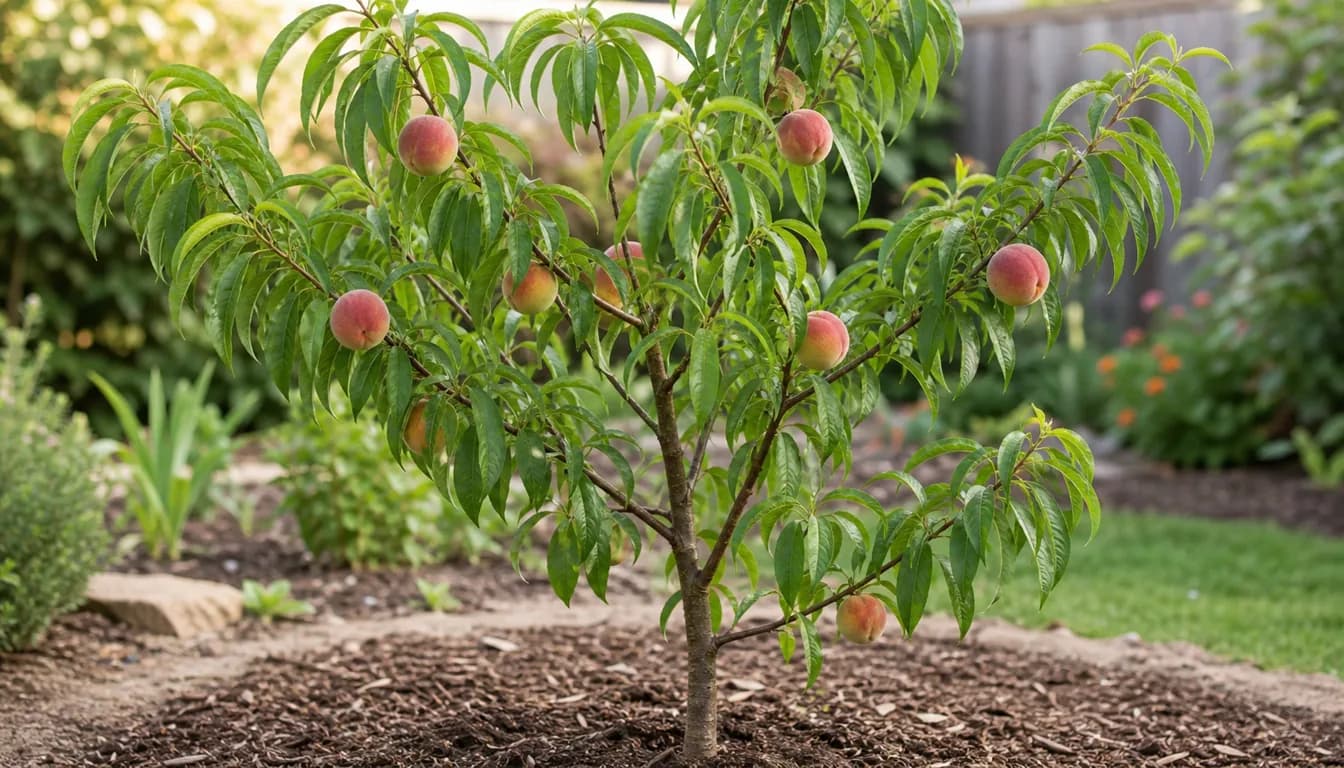
Peach trees are fast-bearing backyard fruit trees, but they are not plant-and-forget trees. Match the cultivar to your chill hours, give full sun and fast drain
 Fruits
Avocado Tree
Avocado tree is a subtropical evergreen fruit tree for frost-free gardens, warm patios, and bright indoor overwintering. It can be rewarding, but fruit producti
quiz
Frequently Asked Questions
Do fig trees need another tree for pollination?expand_more
Most common backyard fig trees are self-fruitful, so one tree is enough. You do not need a second variety for typical common figs.
Can fig trees grow in containers?expand_more
Yes. Fig trees grow well in large containers, especially where winter protection is needed. Use a fast-draining mix and protect the pot from deep freezes.
How much sun does a fig tree need?expand_more
A fig tree needs at least 6-8 hours of direct sun for sweet ripe fruit. Cooler climates need the warmest, sunniest site available.
When should I prune a fig tree?expand_more
Prune a fig tree during dormancy or after winter damage is clear. Avoid removing all last-year wood if you want a breba crop.
Why are my figs splitting?expand_more
Figs often split from uneven moisture, especially drought followed by heavy watering or rain near ripening. Keep soil moisture steadier during fruit swell.
Are fig trees safe for pets?expand_more
Fig trees are not ideal pet-safe plants. Ripe fruit is edible, but leaves, stems, and milky sap can irritate pets that chew them.