verifiedSource Reviewed
Liatris: Blazing Star Spikes for Sunny Pollinator Beds
Liatris spicata
Family: Asteraceae
wb_sunnyLight
Full sun, 6+ hours for sturdy spikes
water_dropWater
Moderate while establishing, drought tolerant later
heightHeight
2-4 feet, depending on cultivar and site
publicZone
Hardy in USDA Zones 3-9 in drained soil
petsPet Safety
Pet Safe

Native Region
Eastern and central North America
biotechWhy Liatris Looks Different in a Border
The useful starting point: Liatris spicata sends up narrow grassy leaves and tall bottlebrush flower spikes that bloom from the top down. That top-down bloom is one of the easiest ways to recognize blazing star in a summer border.
The plant grows from underground corms, not creeping runners. Those corms slowly make a clump, so Liatris gives strong vertical shape without taking over the bed.
In design terms, Liatris is the exclamation point among rounder flowers. It cuts through drifts of coneflower, Black Eyed Susan, and grasses without needing a large footprint.
infoBest Garden Job
Use Liatris when a sunny bed needs height, pollinator traffic, and late-summer color without the bulk of a shrub.
Liatris sends up vertical flower spikes from corm-like storage organs, which is why it handles dry prairie-style beds better than many lush perennials. The spike blooms from the top down, making it useful when you want height without a floppy plant.
paletteChoosing Liatris for Beds, Meadows, or Cutting
Most garden Liatris stays close to the wild plant, but height matters. Tall strains make better cut flowers and meadow accents; compact selections fit smaller borders and windier sites.
Purple is the classic color, with white forms available for softer plantings. White Liatris works well in evening gardens, especially with white flowering plants that show up after sunset.
For a naturalistic planting, mix several clumps instead of scattering one plant at a time. Pollinators find the flowers faster, and the vertical rhythm looks intentional.
Dense blazing star, prairie blazing star, and meadow blazing star differ in height and moisture tolerance. Match the species to the site instead of assuming every liatris wants the same dry border.
Standard purple forms3-4 feet, strong for meadows, cutting beds, and back borders
Compact selectionsOften 18-30 inches, better for small gardens and windy sites
White formsCream to white spikes for moon gardens and cooler color schemes
Cut-flower strainsSelected for straight stems, useful in summer bouquets
Guide — See AlsoAir Purifying Plants for Cleaner Indoor AirLearn how to pick, place, and care for air purifying plants so they help your indoor air instead of just looking pretty.
chevron_rightwb_sunnyLight: Full Sun Keeps Spikes Upright
The light target is practical: Liatris needs 6 or more hours of direct sun for sturdy stems and dense flower spikes. In too much shade, the spikes lean, stretch, and open with gaps.
Cool-climate gardens should give it the sunniest bed available. In hotter regions, a little late-day shade is tolerable, but the plant still needs open sky for most of the day.
lightbulbLight cue
Do not bury it behind heavy shrubs. Liatris is narrower than Knock Out Rose or hydrangea-style shrubs, so it needs a clear lane of sun rather than a crowded back row.
Because the plant is vertical and narrow, light and air have to reach the base as well as the flower spikes.
- check_circleBest site: full sun in a bed with moving air.
- check_circleOkay compromise: light afternoon shade in very hot climates.
- check_circlePoor-light clue: leaning stems and loose flower spikes.
- check_circleDesign tip: plant in groups so the vertical line reads from a distance.
Email Updates
Join the KnowTheYard update list
Zone-specific advice, seasonal reminders, and new plant guides — no filler.
water_dropWatering While Corms Establish
New Liatris needs steady moisture while roots grow from the corms. After that first season, it becomes much more drought tolerant than many lush border perennials.
Water deeply during dry spells, then let the upper soil dry. The same deep watering habit keeps roots moving downward instead of hanging near the surface.
lightbulbWatering cue
Wet soil is the main danger. If the planting area stays soggy for days after rain, Liatris corms can rot before the top growth tells you anything is wrong.
That is why drainage is part of winter care, not just planting prep; healthy corms tolerate cold better when water can leave.
warningWet Winters Matter
Cold does not usually kill healthy Liatris. Cold soil that stays wet around the corms is the real winter risk.
Liatris needs moisture while new roots settle in, then becomes much more drought-tolerant. The transition matters: neglecting first-year plants can leave thin spikes even though mature clumps handle dry summers well.
Guide — See AlsoBest Herbs to Grow Indoors for Real Harvests, Not Spindly PotsChoose indoor herbs that can actually produce in your light, temperature, and container setup, then match each one to th
chevron_right
potted_plantSoil and Planting Corms
The soil decision comes first: Liatris likes average garden soil with good drainage. It does not need rich, heavily amended ground, and too much fertility can make tall stems softer.
Plant corms in spring with the growing point facing up, usually about 2 inches deep. In heavy soil, plant a little higher in a raised bed or berm rather than pushing corms into a wet layer.
Space single corms far enough that each spike can stand in light. Tight planting gives quick impact for a season, but 12-18 inches between clumps is easier to keep airy and reduces winter rot in wet soil.
infoPlanting check
The soil goal is closer to prairie plants than to moisture lovers. If a bed stays damp enough for hydrangeas, it may be too wet for reliable blazing star.
Good drainage is the real dividing line. In lean soil, liatris usually stands upright and returns reliably; in rich, wet soil, stems can lean and the underground crowns are more likely to rot over winter.
If you garden in heavy clay, plant corms a little high and use grit or compost to open the top layer instead of burying them deeper. The crown should dry after rain quickly enough that new shoots do not sit in a cold wet pocket.
Planting depthUsually about 2 inches deep, with growing point up
Spacing12-18 inches apart for clumps; closer in meadow drifts
Soil textureLoam or sandy loam; raised planting for clay
FertilityAverage soil is enough; avoid heavy nitrogen
account_treeDivision and Seed
Division is the fastest way to make more Liatris from a strong clump. Lift and divide in early spring as shoots begin to show, before tall stems are easy to break.
Each division should have firm corms, roots, and visible buds. Replant at the same shallow depth, water once to settle soil, then avoid keeping the area wet.
Seed works well when you want a naturalized pollinator strip, but it is slower. Seed-grown plants often need more than one season before they bloom strongly.
Division is easiest when the clump is still easy to see but not actively stretching flower spikes. In a mixed bed of summer-blooming flowers, mark the corm location before nearby plants hide the crown.
- 1Lift the clump with a fork in early spring.
- 2Separate firm corm clusters with healthy buds.
- 3Discard soft, hollow, or rotted pieces.
- 4Replant shallowly in full sun and drained soil.
- 5Mark seedling patches so you do not weed out first-year plants.
Guide — See AlsoBest Indoor Plants for Every Room and Light LevelA practical guide to choosing the best indoor plants for your home, covering beginner-friendly picks, low light champion
chevron_rightpest_controlPests and Problems
The first scan is simple: Liatris is usually low trouble. Aphids, mites, and occasional caterpillars may appear, but the plant rarely needs routine spraying.
Aphids gather on tender tips and unopened flower spikes. Rinse small colonies early in the morning, then let foliage dry; that simple response often handles the issue.
warningFirst-response cue
Sudden wilting in damp soil is more concerning than a few insects. Crown or corm rot means the planting site is too wet, and better drainage matters more than pest control.
Start with the growing conditions before reaching for pest control; most serious decline shows up at the crown or corm first.
pest_controlAphids
Clusters on tips or buds, sometimes with sticky residue.
pest_controlSpider mites
Fine stippling during hot dry spells, especially in stressed plants.
pest_controlCorm rot
Soft corms, wilting, and decline in soil that stays wet.
pest_controlFlopping
Usually from shade, rich soil, or crowding rather than a pest.
calendar_monthSeasonal Care for Blazing Star
In spring, clear old stems before new shoots stretch and divide crowded clumps if needed. Add only a light compost top-dress if the soil is poor.
Summer care is simple: water during real drought, cut stems for bouquets when lower buds are still tight, and leave some flowers for pollinators.
After bloom, you can deadhead for tidiness or leave seed heads for birds. In meadow-style beds, leaving some standing stems also keeps winter structure beside Black Eyed Susan and grasses.
Because liatris blooms vertically, spent spikes are obvious. Cut them for a tidier border, or leave some standing if seed heads and winter texture matter more than a clean edge.
local_floristSpring
Plant corms, divide clumps, and remove last year's stems.
wb_sunnySummer
Water only during dry spells and harvest stems for cutting.
ecoFall
Leave seed heads for birds or cut stems down after they brown.
ac_unitWinter
Keep crowns from staying wet; use only light mulch in cold exposed beds.
Guide — See AlsoButterfly Garden Plants for Continuous BloomsLearn how to choose and place butterfly garden plants so you have nectar and host options from spring through fall in zo
chevron_righthealth_and_safetyPollinator Value and Garden Safety
Handle this part plainly: Liatris is one of the easier perennials for a pollinator bed because bees and butterflies use the spikes heavily while the plant stays narrow and tidy.
Plant it in clusters with other long-blooming pollinator plants so something is open before, during, and after the blazing star bloom window.
For cutting, harvest when the upper buds are opening but lower buds still have color. The top-down bloom habit means stems can look good in a vase before the whole spike is open outdoors.
Liatris is not known as a major pet-toxic plant, but it is still an ornamental. Keep pets from digging up corms or chewing any large amount of plant material.
check_circleGood Native-Style Choice
For sunny North American gardens, Liatris gives native-plant value without aggressive spreading, as long as the site drains well.
Leave some spent spikes if you want ecological value after bloom. Goldfinches and other seed-eating birds use the seed heads, while the summer flowers support butterflies and bees without needing constant deadheading.
eco
Keep Exploring
Related Plants
 Flowers
Peony
Peonies are long-lived spring perennials grown for huge flowers, fragrance, and dependable clumps that can bloom for decades. They need full sun, winter chill,
 Flowers
Lavender
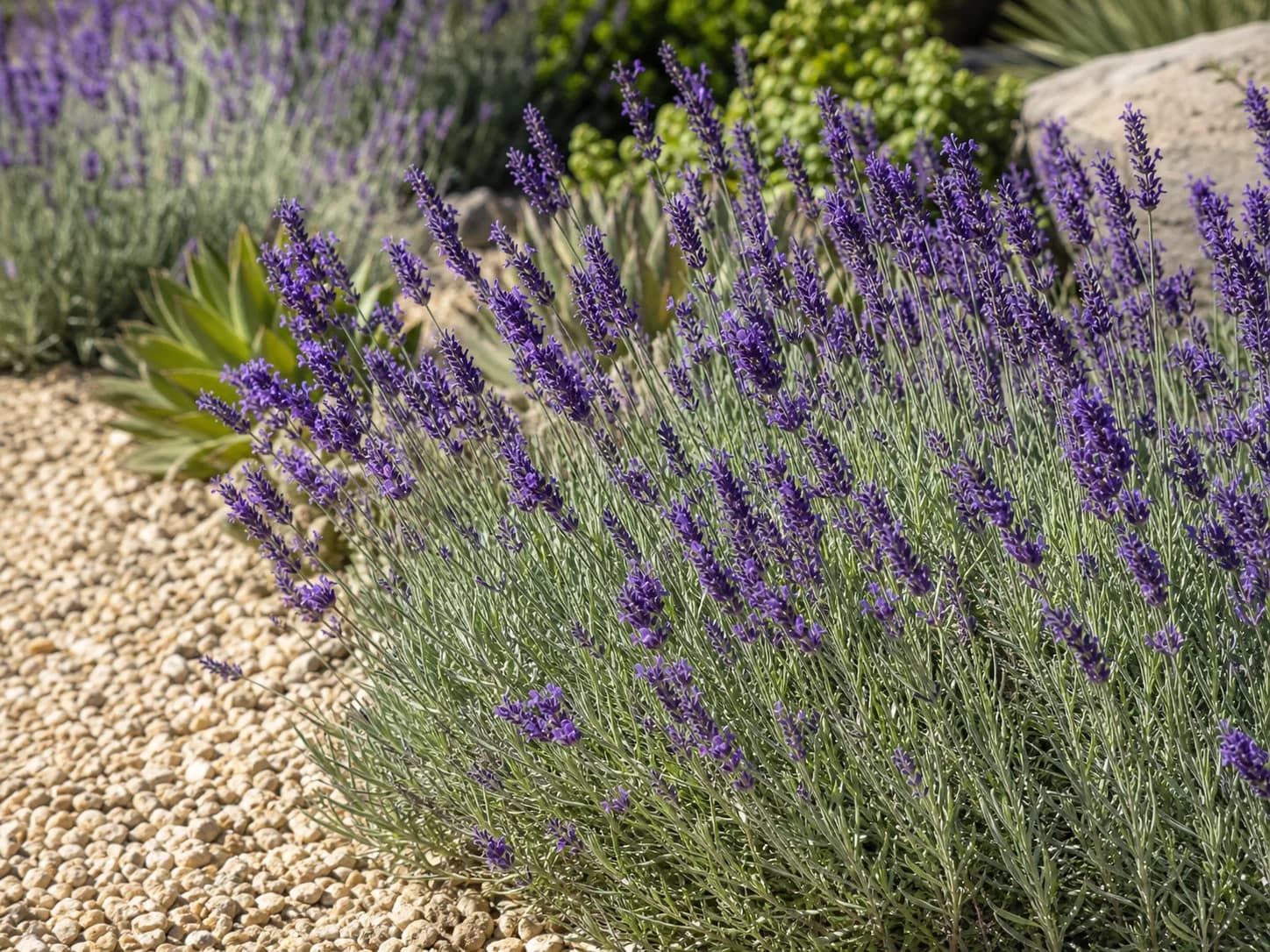
English Lavender is a woody Mediterranean subshrub grown for fragrant purple flower spikes, silvery foliage, pollinators, and dried stems. It thrives in full su
 Flowers
Chrysanthemum
Garden mums are the compact chrysanthemums most people buy for fall color. They bloom best in full sun, steady moisture, and soil that drains well; if you want
quiz
Frequently Asked Questions
Is Liatris a perennial?expand_more
Yes, Liatris is a hardy perennial that returns from underground corms. It is most reliable in full sun and soil that drains well through winter.
When should I plant Liatris corms?expand_more
Plant Liatris corms in spring after the soil is workable. Set them about 2 inches deep with the growing point up and space them roughly 12-18 inches apart.
Does Liatris attract butterflies?expand_more
Yes. Liatris is a strong butterfly and bee plant, especially in mid to late summer when its upright spikes open with many tiny florets.
Why is my Liatris flopping?expand_more
Liatris usually flops from too much shade, rich soil, crowding, or a very windy site. Move clumps to stronger sun, avoid heavy nitrogen, and use compact cultivars in exposed beds.
Can Liatris grow in containers?expand_more
Yes, compact Liatris can grow in containers with sharp drainage and full sun. Protect pots from freezing solid in very cold climates because container corms are less insulated than in-ground plants.
Should I cut back Liatris after blooming?expand_more
You can cut spent Liatris spikes for tidiness, but leaving some seed heads feeds birds and adds winter structure. Cut old stems down before new shoots grow in spring.
menu_book