verifiedSource Reviewed
Lettuce: Use the Cool Window Fast, Then Start Again
Lactuca sativa
Family: Asteraceae
wb_sunnyLight
Full sun in cool weather; afternoon shade helps in heat
water_dropWater
Consistent surface moisture for shallow roots
heightHeight
6-12 inches depending on variety
publicZone
Outdoors in Zones 2-11 as a cool-season crop
petsPet Safety
Pet Safe
Native Region
Ancient Egypt and the Mediterranean (domesticated from wild Lactuca serriola)
local_floristChoose Cut-and-Come-Again or Full Heads Before You Sow
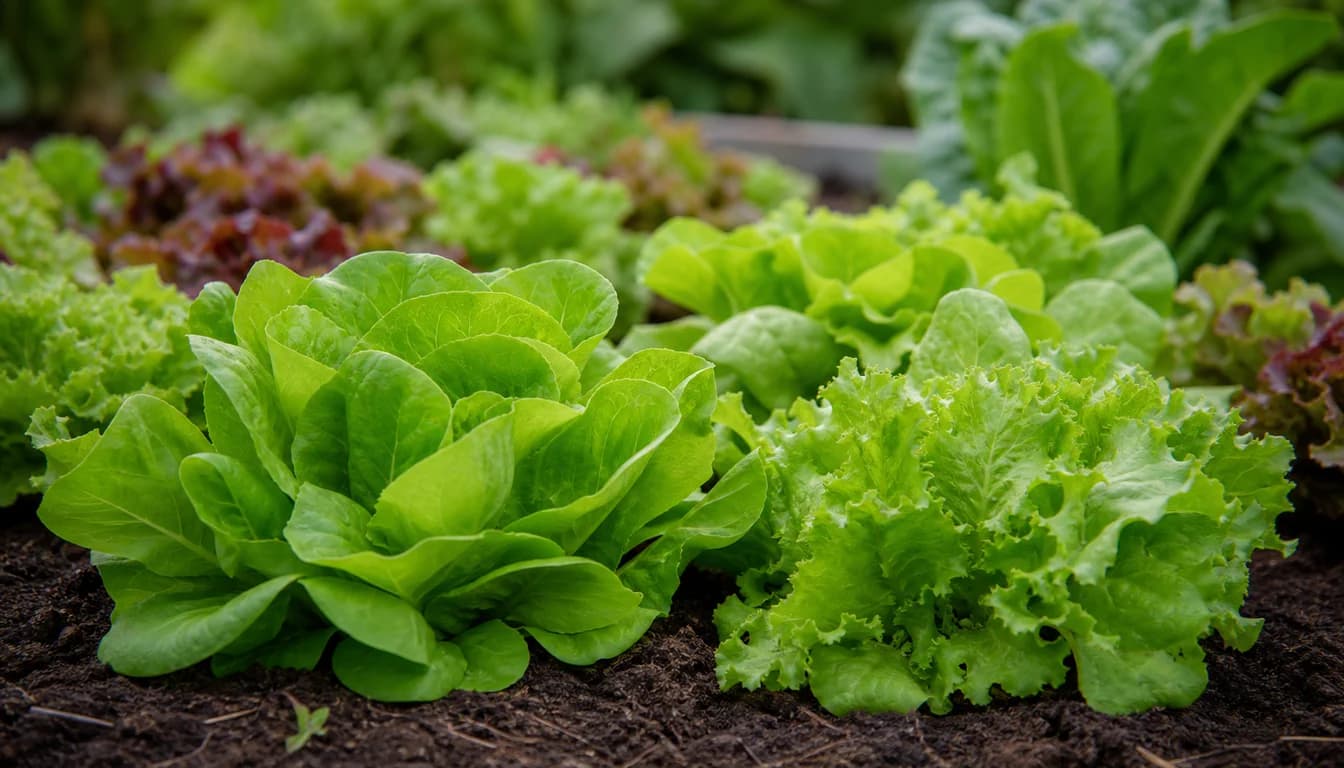
The main decision is not green or red. It is whether you want repeated handfuls or whole heads. Leaf Lettuce gives quick cut-and-come-again harvests. Romaine, butterhead, and crisphead types ask for more time and more space.
If you want easy weekday salads, leaf types are the safest choice. If you want dense sandwich heads, romaine or butterhead makes more sense. Iceberg is the slowest and least forgiving in a backyard bed.
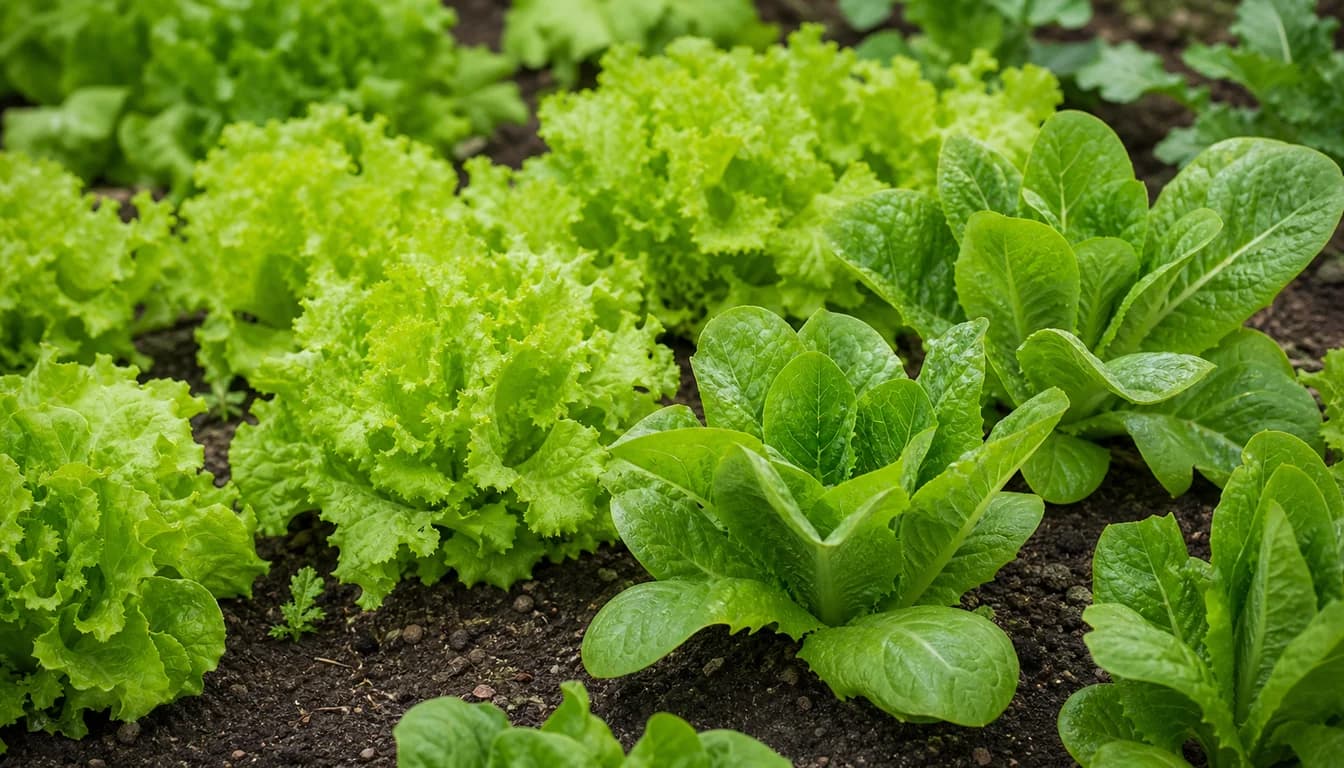
Leaf typesFastest harvest, easiest repeat picking, best for small sowings
RomaineUpright plants with crisp centers, better for full heads than baby cuts
ButterheadSoft tender heads, good flavor, less time than iceberg
CrispheadLongest season and most heat-sensitive; not the easiest starter crop
This is also where Lettuce separates itself from sturdier greens like kale. Lettuce wins on speed and tenderness, not on staying power once weather turns hot.
scheduleHit the Cool Window and Start Again Before Heat Wins
Lettuce is a cool-window crop. Two main sowing windows is the right mental model. Planting by habit instead of weather is how you end up with a bed that looks healthy for two weeks, then turns bitter and bolts.
For spring, sow as soon as the bed can be worked. For fall, count backward from your first frost using a frost date guide so the plants mature while days are easing off instead of heating up.
In hot climates, winter and late winter are often the real Lettuce season. In mild climates, fall crops usually taste better than spring ones because the plants mature in cooler, calmer weather.
Spring windowBest for quick leafy growth before days turn hot
Fall windowBest for sweeter flavor and slower bolting
Hot-climate winter windowBest where spring heat arrives too fast for a real spring crop
Guide — See AlsoAir Purifying Plants for Cleaner Indoor AirLearn how to pick, place, and care for air purifying plants so they help your indoor air instead of just looking pretty.
chevron_rightwater_dropTreat the Top Inch of Soil Like the Whole Root Zone
Lettuce roots stay shallow, so the surface layer matters more than deep subsoil. If the top inch dries out hard, flavor gets sharper and leaves turn tougher fast.
This crop wants steadiness, not heroic soaking. Unlike carrot, which can reach down if the bed is prepared deeply, Lettuce lives close to the surface and reacts fast to missed watering.
Use gentle irrigation, mulch lightly once seedlings are up, and avoid letting the bed crust over. Wet leaves are less of a problem than wet crowns sitting in stale air for days.
- check_circleKeep the top inch evenly moist during germination.
- check_circleWater at the base once plants start filling in.
- check_circleUse light mulch, not a heavy mat that traps slugs against the stems.
- check_circleDo not let containers swing from dry to soggy in one afternoon.
Email Updates
Join the KnowTheYard update list
Zone-specific advice, seasonal reminders, and new plant guides — no filler.
scatter_plotSow Small Batches and Thin Hard
The easiest Lettuce mistake is planting too much at once. A full packet looks efficient on sowing day and wasteful three weeks later.
Small sowings every 10-14 days keep the harvest steady without giving you one giant glut. That is the same logic behind a succession planting schedule, but Lettuce rewards it faster than almost any other vegetable.
Thin harder than feels comfortable. Crowded seedlings stay damp, stretch for light, and make small heads. Use a seedling thinning pass before leaves start touching, not after the row has already become a mat.
Fast side crops help too. A row of radish marks the bed quickly and gets harvested before Lettuce needs the elbow room.
- check_circleThin head lettuces harder than leaf types.
- check_circleKeep baby-leaf patches denser but harvest them younger.
- check_circleRe-sow before the current batch looks tired, not after the gap has already started.
Guide — See AlsoBest Herbs to Grow Indoors for Real Harvests, Not Spindly PotsChoose indoor herbs that can actually produce in your light, temperature, and container setup, then match each one to th
chevron_rightwb_cloudyUse Shade to Delay Bolting, Not to Replace Sun
Afternoon shade can buy you extra harvest days, but it cannot turn midsummer into spring. Think of shade as a delay tool, not a magic fix.
A light cloth or dappled afternoon protection helps when heat spikes arrive before the bed is finished. This matters more for Lettuce than for tougher cool greens such as spinach, which can take colder starts but still hate hot finishes.
lightbulbDo not keep feeding a plant that already bolted
Once a tall center stem starts rising and leaves turn bitter, that plant is done for eating quality. Pull it, clear the space, and sow again when the next cool window opens.
content_cutHarvest Before the Bed Turns Bitter and Sloppy
Leaf Lettuce is best when you pick it young and often. Head types are best when they feel filled but not overmature. Waiting for maximum size is how you lose sweetness.
Cut leaf types from the outside or shear baby-leaf patches once the stand is tall enough to hold after trimming. Head types should come out cleanly at the base before the core stretches.
pest_controlLeaf types
Start once leaves are usable and keep going every few days.
pest_controlRomaine and butterhead
Cut when the center feels formed but before heat starts loosening the head.
pest_controlAfter harvest
Cool and rinse quickly; warm wet leaves collapse fast in a bowl or bag.
Guide — See AlsoBest Indoor Plants for Every Room and Light LevelA practical guide to choosing the best indoor plants for your home, covering beginner-friendly picks, low light champion
chevron_rightpest_controlRead Bolting, Bottom Rot, and Slug Damage Fast
The biggest Lettuce problems are usually not rare diseases. They are heat, crowding, wet crowns, and slugs getting there before you do.
A bitter tall center means bolting. Soft leaf bases after hot wet weather mean the plant sat too long or the crown stayed damp. Ragged night-time chewing usually points to slugs, not mystery insects.
Aphids and mildew still show up, especially in crowded beds. If they do, start with the low-pressure steps from natural pest control for gardens and fix the airflow problem that invited them in.
eco
Keep Exploring
Related Plants
 Vegetables
Eggplant
Eggplant succeeds when you treat it as one of the hottest-slot crops in the whole yard. Warm soil, steady fruit support, and harvest by skin gloss matter fa
 Vegetables
Cabbage
Cabbage works best when you decide what kind of head you want before you even set out the transplant. The crop is less about dramatic tricks and more about
 Vegetables
Onion
Most failed Onion crops are not a watering mystery; they are a day-length mismatch or a late start. Pick the right type for your latitude, build strong leav
quiz
Frequently Asked Questions
How long does Lettuce take from seed to harvest?expand_more
Leaf Lettuce can be picked in about 30-45 days, sometimes sooner for baby leaves. Full heads usually take longer, with romaine and butterhead ahead of iceberg.
Can Lettuce grow in summer?expand_more
Only for a limited time, and usually only with shade, steady water, and heat-tolerant varieties. In hot climates, it is usually smarter to treat summer as a break and plant again for fall.
Why did my Lettuce turn bitter so fast?expand_more
Bitterness usually means heat or bolting. Once the plant starts pushing a flower stem, flavor drops quickly and you should harvest what is still usable or clear the bed.
Can I keep harvesting the same Lettuce plant?expand_more
Yes, if it is a leaf type and you keep taking outer leaves while leaving the center intact. Head types are more of a one-cut crop once the head is formed.
Does Lettuce grow well in containers?expand_more
Yes. Containers are excellent for Lettuce because you can move them into better light or cooler shade as the season shifts. Just do not let the potting mix dry out completely.