petslocal_florist
Plants Toxic to Pets
Review the most important toxic houseplants, common symptoms, and the high-risk species that need strict separation from pets.
search
library_books
226
Plants Indexed
fact_check
Source Checked
Safety Notes
update
96 Safe / 130 Toxic
Current Listing Mix
Understanding Biological Toxicity Pathways
Before diving into specific plant species, it is crucial to understand how botanical toxins interact with your pet's physiology. Knowledge of these mechanisms can be the difference between a minor reaction and a medical emergency.
scienceAlkaloid Risks: Cats vs. Dogs
Many toxic plants contain alkaloids—nitrogenous organic compounds that have pronounced physiological actions on humans and animals. However, the metabolic pathways for processing these compounds differ significantly between felines and canines.
Feline Sensitivity (Glucuronidation)
Cats lack specific liver enzymes (glucuronyl transferase) essential for breaking down complex compounds like phenols and certain alkaloids found in lilies and essential oils. This metabolic deficiency makes them uniquely susceptible to renal failure from toxins that dogs might process with only mild upset.
Canine Risks (Theobromine & Cardiac)
Dogs are often indiscriminate eaters, leading to larger ingestion volumes. They are particularly sensitive to methylxanthines and cardiac glycosides found in plants like Oleander and Foxglove, which directly interfere with the sodium-potassium pump in cardiac cells, leading to severe arrhythmias.
Common Botanical Misidentifications
Visual similarity between species is a frequent cause of accidental poisoning. Learning to distinguish these look-alikes ensures you don't inadvertently introduce a hazard disguised as a safe plant.
True Palms vs. Sago Palms
Parlor PalmNon-Toxic
compare_arrowsSago PalmFATAL
While both have feathery fronds, the Sago Palm (actually a cycad) is extremely dangerous. Look for the stiff, sharp leaves of the Sago versus the soft, drooping fronds of safe varieties like Parlor or Areca palms.
Easter Lily vs. Peace Lily
Peace LilyIrritant
compare_arrowsTrue LilyRENAL FAILURE
"True" lilies (Lilium species) cause fatal kidney failure in cats from just pollen exposure. Peace Lilies (Spathiphyllum), while irritating due to oxalates, do not cause organ failure.
warningToxic Plant Hazards
Back to safety hub →Awareness is the first line of defense against accidental poisoning. These common decorative plants contain toxins ranging from mild irritants to life-threatening poisons and should be kept strictly out of reach.
 Alocasia Dragon Scale
Alocasia Dragon Scale
Alocasia baginda 'Dragon Scale'
Dragon Scale alocasia shows thick, scale-like leaves but demands high humidity, bright indirect light, and soil kept lightly moist, never wet.
Keep out of reachHouseplants
 Alocasia Polly
Alocasia Polly
Alocasia amazonica 'Polly'
Alocasia Polly brings arrow-shaped, white-veined leaves to a tabletop. Give bright indirect light, high humidity, and let the top inch dry out.
Keep out of reachHouseplants
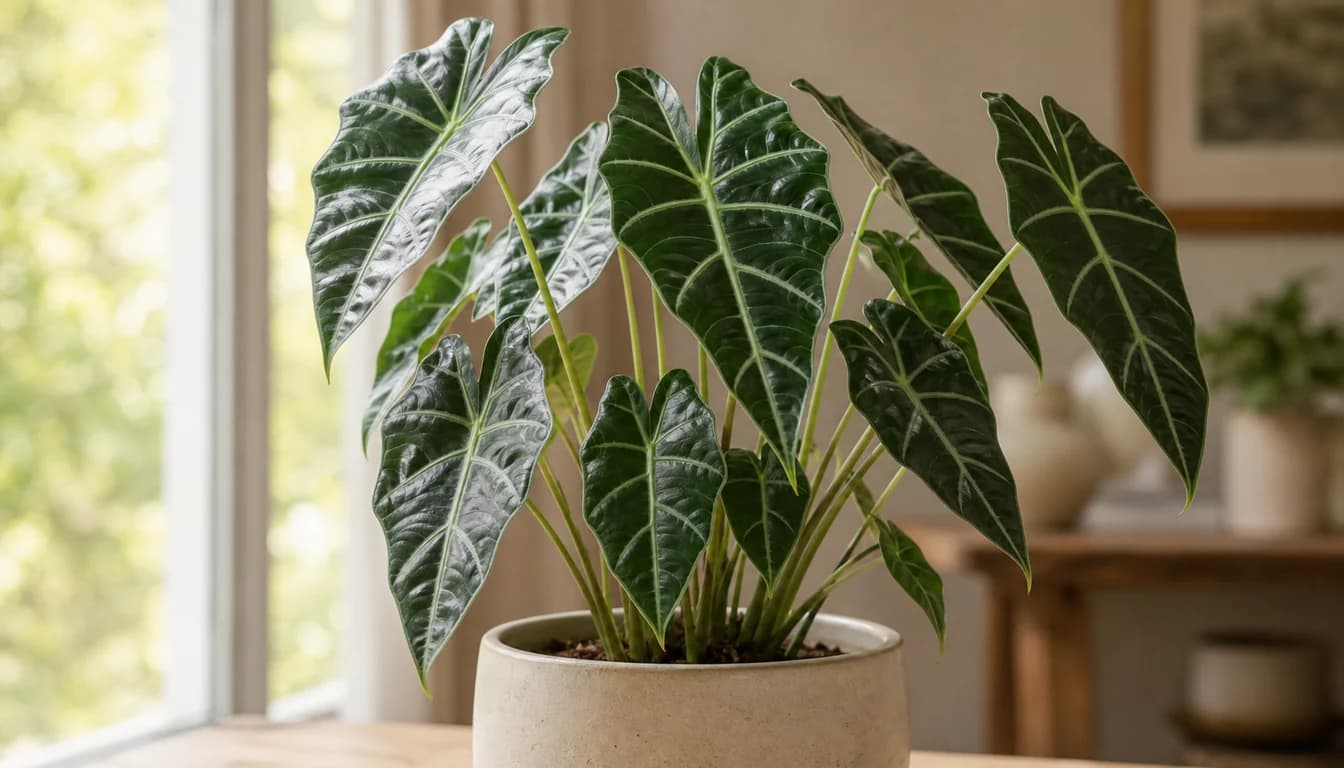 Alocasia: Bold Indoor Elephant Ear Foliage
Alocasia: Bold Indoor Elephant Ear Foliage
Alocasia spp.
Alocasia turns a warm, bright corner into a jungle with its huge arrow leaves. Keep soil lightly moist, humidity high, and cold drafts away.
Keep out of reachHouseplants
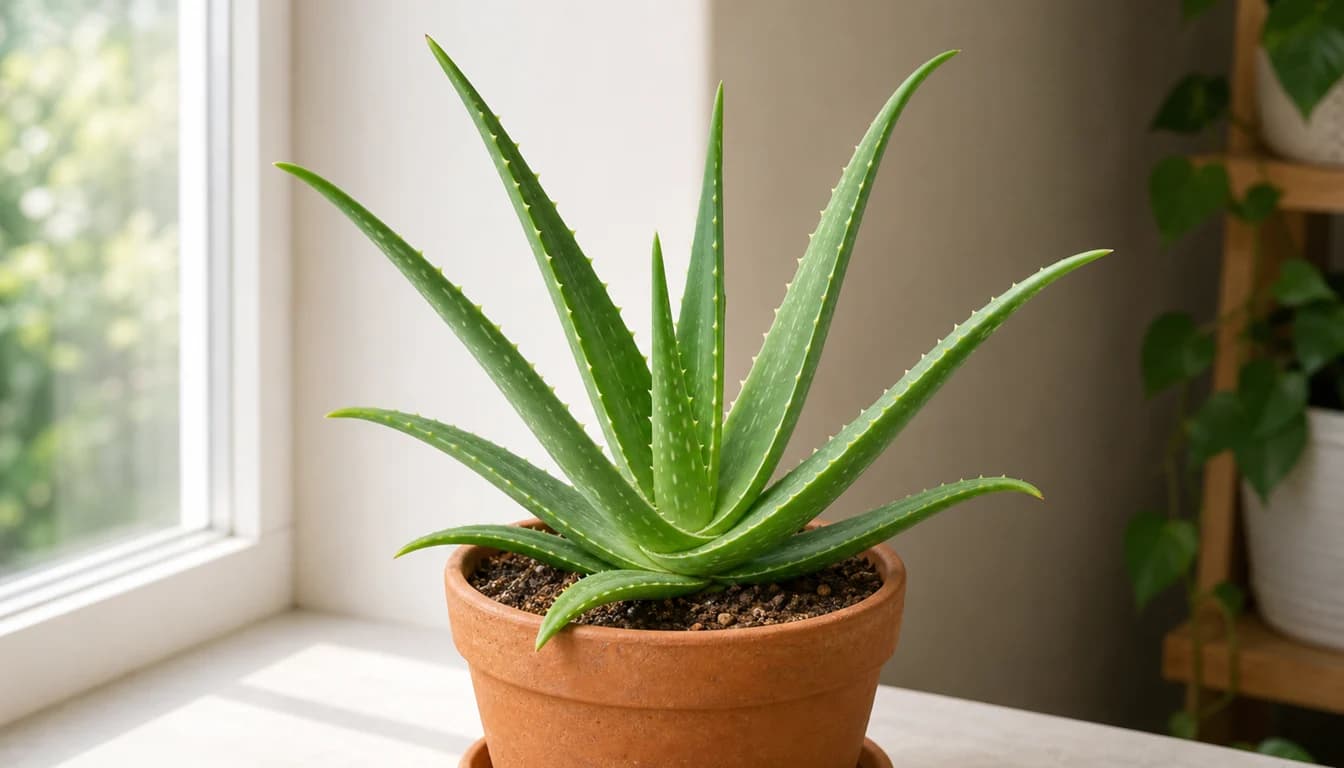 Aloe Vera: Easy Succulent Houseplant Care
Aloe Vera: Easy Succulent Houseplant Care
Aloe barbadensis miller
Aloe vera asks for almost nothing: bright light and a deep drink only once the soil dries halfway. Overwatering — not neglect — is what kills it.
Keep out of reachHouseplants
 Anthurium: Long-Lasting Color Indoors
Anthurium: Long-Lasting Color Indoors
Anthurium andraeanum
Anthurium holds its glossy spathes for weeks in bright, filtered light. Use an airy mix, water when the top dries, and never let it sit soggy.
Keep out of reachHouseplants
 Apple Tree: Home Orchard Care From Variety to Harvest
Apple Tree: Home Orchard Care From Variety to Harvest
Malus domestica
Apple trees fruit well only with the right variety, rootstock, and a pollination partner. Give full sun, deep water, and yearly pruning for reliable crops.
Keep out of reachFruits
Hidden Garden Hazards
Beyond the obvious toxic plants, yards often harbor subtler dangers that go unnoticed by even vigilant owners. These high-stakes hazards are frequently found in mulch, compost, and common gardening additives.
- warningCocoa MulchContains theobromine (like chocolate). The sweet smell attracts dogs, leading to lethal ingestion.
- warningBone & Blood MealOrganic fertilizers that taste good to pets but can cause severe pancreatitis or cement-like blockages.
- warningCompost PilesDecomposing matter produces tremorgenic mycotoxins, which cause severe muscle tremors and seizures.
- warningPesticides & BaitsSlug pellets (metaldehyde) and rodenticides are among the most common causes of fatal pet poisoning.