yard
KnowTheYard

databasePlant Database

Browse by category

potted_plant

Houseplants

Indoor & tropical species

nutrition

Vegetables

Edible garden crops

spa

Herbs

Culinary & medicinal

local_florist

Flowers

Ornamental blooms

water_drop

Succulents

Drought-tolerant species

park

Trees

Arboreal species

forest

Shrubs

Bushes & hedges

nature

Perennials

Garden flowers

grass

Lawn Grasses

Turf varieties

local_dining

Fruits

Fruit-bearing plants

Best Indoor Plantsarrow_forwardBest Shade Plantsarrow_forward

menu_bookGarden Guides

Step-by-step guides by task type

grass

Lawn Care

Seasonal checklists and year-round maintenance guides for a championship lawn.

yard

Planting

When, where, and how to plant — from seed to transplant for every garden type.

water_drop

Watering

Deep-watering techniques, schedules by plant type, and drought management.

compost

Fertilizing

Feeding schedules, NPK ratios, and organic vs synthetic options by plant.

pest_control

Pest Control

Identify, prevent, and treat common garden pests without harming beneficial insects.

content_cut

Pruning

Pruning timing, techniques, and tools for trees, shrubs, and flowering plants.

Popular Guides

parkFall Lawn Carelocal_floristSpring Lawn Carecalendar_monthFull Calendar
All Guidesarrow_forwardLawn Care Hubarrow_forward
ToolsCompareRegional GuidesPlant ProblemsPet SafetyAbout
searchPlant Finder
yardKnowTheYard

Published plant profiles, practical care guides, problem diagnosis pages, and side-by-side comparisons for home gardeners.

chatphoto_camera

databaseBrowse Plants

  • arrow_forwardHouseplants
  • arrow_forwardVegetables
  • arrow_forwardHerbs
  • arrow_forwardFlowers
  • arrow_forwardTrees

menu_bookResources

  • arrow_forwardGarden Tools
  • arrow_forwardRegional Guides
  • arrow_forwardPlant Problems
  • arrow_forwardPet Safety
  • arrow_forwardCare Calendar
  • arrow_forwardPlant Finder

infoCompany

  • arrow_forwardAbout Us
  • arrow_forwardOur Team
  • arrow_forwardMethodology
  • arrow_forwardEditorial Policy
  • arrow_forwardContact Us

mailEmail Updates

Join the list for new guides, seasonal notes, and launch updates.

No spam. Request removal anytime.

fact_check

Reviewed Pages

77 pages currently attributed to public review lanes

public

USDA Zone Coverage

Zone-aware recommendations and regional growing context

database

230 Published Plant Profiles

555 public pages across profiles, guides, comparisons, and problem pages

© 2026 KnowTheYard. All rights reserved.

Privacy PolicyTerms of ServiceContactSitemap
Home/lawn grasses/Tall Fescue Lawn Grass/Brown Patch
scienceEditorial DiagnosisUpdated Feb 20, 2026

Tall Fescue Brown Patch

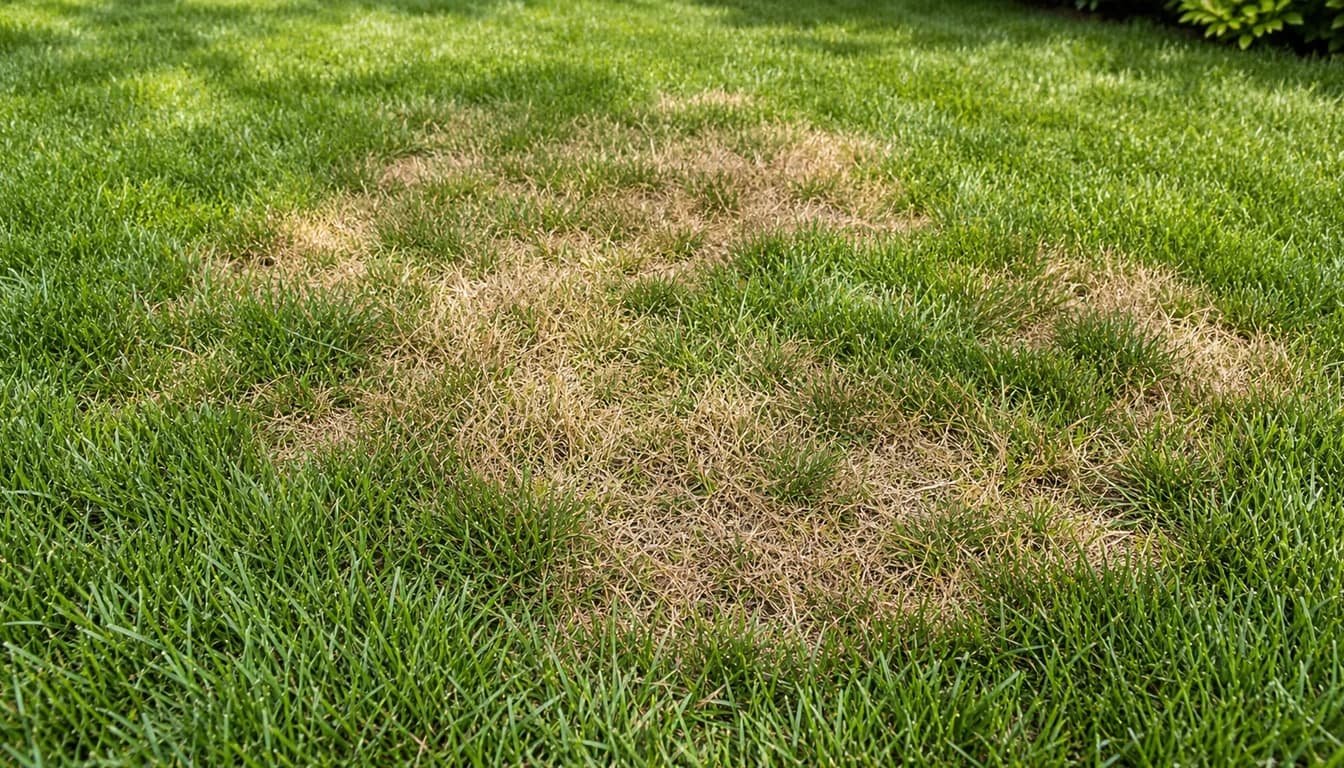
Brown patch is a common fungal disease that shows up as circular or irregular brown to tan areas in **Tall Fescue** lawns during warm, humid stretches. It favors moist, poorly drained turf and surfaces kept wet overnight. We’ll help you confirm brown patch, walk through quick cultural fixes, and explain when and how to use fungicides so your lawn recovers and stays healthier next season.

Tall fescue lawn with irregular tan brown patch disease areas surrounded by green grass

Tall fescue lawn with irregular tan brown patch disease areas surrounded by green grass

lightbulb
bolt

Quick Diagnosis

Most Likely Cause: Rhizoctonia/correctly suspected brown patch.

Irregular circular patches with tan centers, darker margins, or yellow halos on Tall Fescue during warm, humid weather usually point to brown patch. If the margins look smoky or the blades show purple to reddish rings when wet, compare the area against lawn disease photo comparisons before assuming simple heat or drought stress.

Jump to fix steps arrow_downward

Brown patch on Tall Fescue typically appears in late spring through early fall across North America zones 3-11, but hot, humid pockets can trigger it any warm season; if you garden in climates similar to Zone 7 timing, expect active disease windows when daytime temps are 75-90°F with nights above 60°F and long periods of leaf wetness. Lawns with overhead irrigation, compacted soil, or dense thatch are prime spots for outbreaks. For routine season timing and to match lawn chores, consider the best times to water to avoid overnight leaf wetness.

menu_book
Guide - See AlsoBest Time to Aerate and Overseed for a Thicker Lawn
chevron_right
psychology

How to tell brown patch apart from other problems

Brown patch often forms circular or irregular rings with tan centers and darker, smoky edges on Tall Fescue. Heat stress will produce more uniformly brown turf with dry soil beneath, while fungal patches usually have distinct margins and may show a yellow halo. Look for expanding borders during humid nights to confirm disease.

Dollar spot causes small, dime- to quarter-sized straw-colored spots and usually leaves grass blades with small hourglass-shaped lesions; brown patch spots are larger and merge into irregular patches. If you need species-level turf context, compare Tall Fescue behavior with other turfgrasses in guides like cool-season grass comparisons to see why symptoms differ.

Physical issues like pet urine or localized compaction will not expand with humidity and they won’t produce the dark rim or water-soaked appearance seen in brown patch. When in doubt, monitor an area over two humid nights: true brown patch will often expand noticeably.

thermostat

Environmental Baseline

Before diagnosing specific failures, confirm your Tall Fescue Lawn Grass's environment matches its core care requirements.

forestTall Fescue Lawn Grass Care Needs

  • Light: Full sun to light shade (4-8+ hours)
  • Water: Moderate, deeper but less frequent
  • Temp: Best between **60-80°F**

homeTypical Indoor Home

  • Humidity: 30-50% (Low)
  • Temp: 65-72°F variable
  • Light: Often too dim or direct
biotech

Possible Causes

Sorted by likelihood

1. Fungal pathogen activity (Rhizoctonia species)

Likelihood: High

Brown patch is caused by Rhizoctonia species that thrive in warm, humid, and wet conditions. The fungus attacks leaf tissue first, creating characteristic necrotic rings and water-soaked lesions under moist conditions. It spreads quickly across connected wet grass blades and through thatch.

Identification

  • remove_circle_outlineCircular to irregular tan or brown patches that can expand fast during wet nights
  • remove_circle_outlineDarker, chocolate-brown ring or smoky border around patches when humidity is high
  • remove_circle_outlineLeaf blades that pull away easily and show sunken, brown lesions on individual blades
  • remove_circle_outlineFixes usually require both cultural changes and, for severe cases, fungicide applications to stop further spread.

The Fix

  1. 1Reduce leaf wetness by changing irrigation timing to early morning so turf dries before evening
  2. 2Raise mowing height to 3-3.5 inches on Tall Fescue to improve root vigor and shade soil surface
  3. 3Remove excess thatch with mechanical dethatching or follow the dethatching vs aerating guidance when thatch exceeds ½ inch
  4. 4Apply a labeled fungicide if patches are spreading rapidly or threaten large lawn areas (see chemical control steps)
  5. 5Note: combine fixes with monitoring; fungicides control active spread but cultural fixes reduce recurrence.

2. Excess leaf wetness and poor drainage

Likelihood: High

Nighttime moisture-from dew, sprinkler schedules that run in the evening, or poor drainage-gives the fungus time to infect blades. Saturated soils and surface pooling increase disease pressure and lengthen recovery time.

Identification

  • remove_circle_outlineDisease hotspots lining the perimeter of sprinkler heads or low spots that stay wet
  • remove_circle_outlineSymptoms worsen after several consecutive humid nights or long irrigation cycles
  • remove_circle_outlineFixes focus on irrigation scheduling and improving drainage to limit leaf wetness duration.
  • remove_circle_outlineAvoid watering late in the day and fix sprinkler placement so zones don’t overlap during evenings.

The Fix

  1. 1Water only in the early morning-usually between 4-8 AM-so leaves dry quickly; follow the best time to water principle for timing
  2. 2Adjust sprinkler heads to reduce overspray and run cycles shorter but deeper to promote root growth
  3. 3Improve surface drainage in low spots and aerate compacted areas to encourage water infiltration
  4. 4If drainage problems persist, consider grading or installing simple drainage outlets in heavy clay areas.
  5. 5Run a quick catch-cup test after adjustments so low spots are not still receiving excess water.

3. Imbalanced nitrogen and rapid succulent growth

Likelihood: Medium

A late heavy application of high-analysis nitrogen produces lush, succulent blades that the fungus colonizes more easily. Conversely, chronic nitrogen deficiency weakens turf and reduces recovery speed.

Identification

  • remove_circle_outlineRecent fast green-up from fertilizer followed by rapid onset of lesions
  • remove_circle_outlinePatchy, slow recovery after disease where turf was thin or undernourished
  • remove_circle_outlineFixes are about timing and product choice more than total annual nitrogen.
  • remove_circle_outlineUse slow-release nitrogen and avoid feeding during long, humid heat waves.

The Fix

  1. 1Switch to slow-release, balanced fertilizers and avoid heavy nitrogen in late spring when conditions favor disease
  2. 2Split seasonal nitrogen into multiple small applications rather than one big feeding
  3. 3Follow aeration and overseeding schedules like best times to aerate and overseed to thicken turf and reduce infection sites
  4. 4Keep fertilizer records so you avoid application windows that coincide with humid weather forecasts.
  5. 5Resume stronger feeding only after humidity drops and active patch expansion has stopped.
menu_book
Guide - See AlsoBest Time to Overseed a Midwest Lawn for Thick Turf
chevron_right
potted_plant

Root Health Examination

A direct inspection of the root system distinguishes root rot from drought stress - saving weeks of guesswork.

check_circleHealthy Roots

  • Firm to the touch
  • White or light tan color
  • Earthy, pleasant smell

cancelCompromised Roots

  • Mushy or slimy texture
  • Dark brown or black color
  • Sour, rotting odor

Inspection Step: Gently slide the pot off while supporting the base of the stems. The outer root ball gives sufficient clues without disturbing all the soil.

gpp_bad
warning

When to Worry

A few yellow leaves are normal. If more than 20% of foliage turns yellow within a week, or new growth is affected, act immediately - check the roots first.

timeline

Recovery Protocols

Recovery takes time. Once the root cause is corrected, implement a 30-day stabilization window.

0-2 weeksStop spread and reduce moisture

Immediately change irrigation to early morning and mow at **3-3.5 inches**; trim any tall grass or dense clippings. For small outbreaks, increased air circulation and reduced leaf wetness will often halt spread within days. Chemical treatment now is most effective at preventing expansion.

2-6 weeksRegrowth and repair

Turf should start filling in from the edges within 2-4 weeks if conditions dry and cultural steps are followed. If recovery lags, core aerate and overseed thin areas once disease pressure drops and temperatures are moderate. Avoid heavy nitrogen early in recovery-use slow-release products.

6-12 weeksThickening and resilience

With proper mowing, watering, and nutrition, **Tall Fescue** will regain density over 6-12 weeks. Persistent thin patches benefit from targeted overseeding and routine aeration in the fall to build long-term resilience against future brown patch outbreaks.

menu_book
Guide - See AlsoBest Time to Overseed a Northeast Lawn for Thick Turf
chevron_right
shield

Preventing Future Issues

Prevent recurrence by keeping leaves dry overnight, maintaining taller mowing heights, using slow-release nitrogen on a split schedule, removing excessive thatch, and fixing drainage in problem areas. Pair those routines with timely aeration and overseeding so your Tall Fescue stays dense and resists reinfection. If you need a final diagnosis check, look for circular to irregular patches with tan-to-brown centers, yellow halos, and edges that expand after warm, humid nights.

menu_book

Related Reads

menu_book
GuideBest Time to Aerate and Overseed for a Thicker Lawn
chevron_right
menu_book
GuideBest Time to Overseed a Midwest Lawn for Thick Turf
chevron_right
menu_book
GuideBest Time to Overseed a Northeast Lawn for Thick Turf
chevron_right
menu_book
GuideDethatching vs Aerating: Which Your Lawn Needs First
chevron_right
menu_book
GuideHow to Fertilize Your Lawn Without Burning It
chevron_right
Tall Fescue Lawn Grass (Festuca arundinacea (Schedonorus arundinaceus)) - full care guideFestuca arundinacea (Schedonorus arundinaceus)

Tall Fescue Lawn Grass

Poaceae Family

wb_sunny

Light

Full sun to light shade (4-8+ hours)

water_drop

Water

Moderate, deeper but less frequent

thermostat

Temp

Best between **60-80°F**

yardFull Care Guide

On This Page

boltQuick DiagnosispsychologyUnderstandingthermostatEnvironment CheckbiotechPossible Causespotted_plantRoot ExamwarningWhen to WorrytimelineRecovery PlanshieldPreventionmenu_bookRelated Reads