yard
KnowTheYard

databasePlant Database

Browse by category

potted_plant

Houseplants

Indoor & tropical species

nutrition

Vegetables

Edible garden crops

spa

Herbs

Culinary & medicinal

local_florist

Flowers

Ornamental blooms

water_drop

Succulents

Drought-tolerant species

park

Trees

Arboreal species

forest

Shrubs

Bushes & hedges

nature

Perennials

Garden flowers

grass

Lawn Grasses

Turf varieties

local_dining

Fruits

Fruit-bearing plants

Best Indoor Plantsarrow_forwardBest Shade Plantsarrow_forward

menu_bookGarden Guides

Step-by-step guides by task type

grass

Lawn Care

Seasonal checklists and year-round maintenance guides for a championship lawn.

yard

Planting

When, where, and how to plant — from seed to transplant for every garden type.

water_drop

Watering

Deep-watering techniques, schedules by plant type, and drought management.

compost

Fertilizing

Feeding schedules, NPK ratios, and organic vs synthetic options by plant.

pest_control

Pest Control

Identify, prevent, and treat common garden pests without harming beneficial insects.

content_cut

Pruning

Pruning timing, techniques, and tools for trees, shrubs, and flowering plants.

Popular Guides

parkFall Lawn Carelocal_floristSpring Lawn Carecalendar_monthFull Calendar
All Guidesarrow_forwardLawn Care Hubarrow_forward
ToolsCompareRegional GuidesPlant ProblemsPet SafetyAbout
searchPlant Finder
yardKnowTheYard

Published plant profiles, practical care guides, problem diagnosis pages, and side-by-side comparisons for home gardeners.

chatphoto_camera

databaseBrowse Plants

  • arrow_forwardHouseplants
  • arrow_forwardVegetables
  • arrow_forwardHerbs
  • arrow_forwardFlowers
  • arrow_forwardTrees

menu_bookResources

  • arrow_forwardGarden Tools
  • arrow_forwardRegional Guides
  • arrow_forwardPlant Problems
  • arrow_forwardPet Safety
  • arrow_forwardCare Calendar
  • arrow_forwardPlant Finder

infoCompany

  • arrow_forwardAbout Us
  • arrow_forwardOur Team
  • arrow_forwardMethodology
  • arrow_forwardEditorial Policy
  • arrow_forwardContact Us

mailEmail Updates

Join the list for new guides, seasonal notes, and launch updates.

No spam. Request removal anytime.

fact_check

Reviewed Pages

77 pages currently attributed to public review lanes

public

USDA Zone Coverage

Zone-aware recommendations and regional growing context

database

230 Published Plant Profiles

555 public pages across profiles, guides, comparisons, and problem pages

© 2026 KnowTheYard. All rights reserved.

Privacy PolicyTerms of ServiceContactSitemap
Home/shrubs/Rhododendron: Spring Buds, Acid Roots, and Shade Balance/Bud Blast
scienceEditorial DiagnosisUpdated Feb 20, 2026

Rhododendron Bud Blast

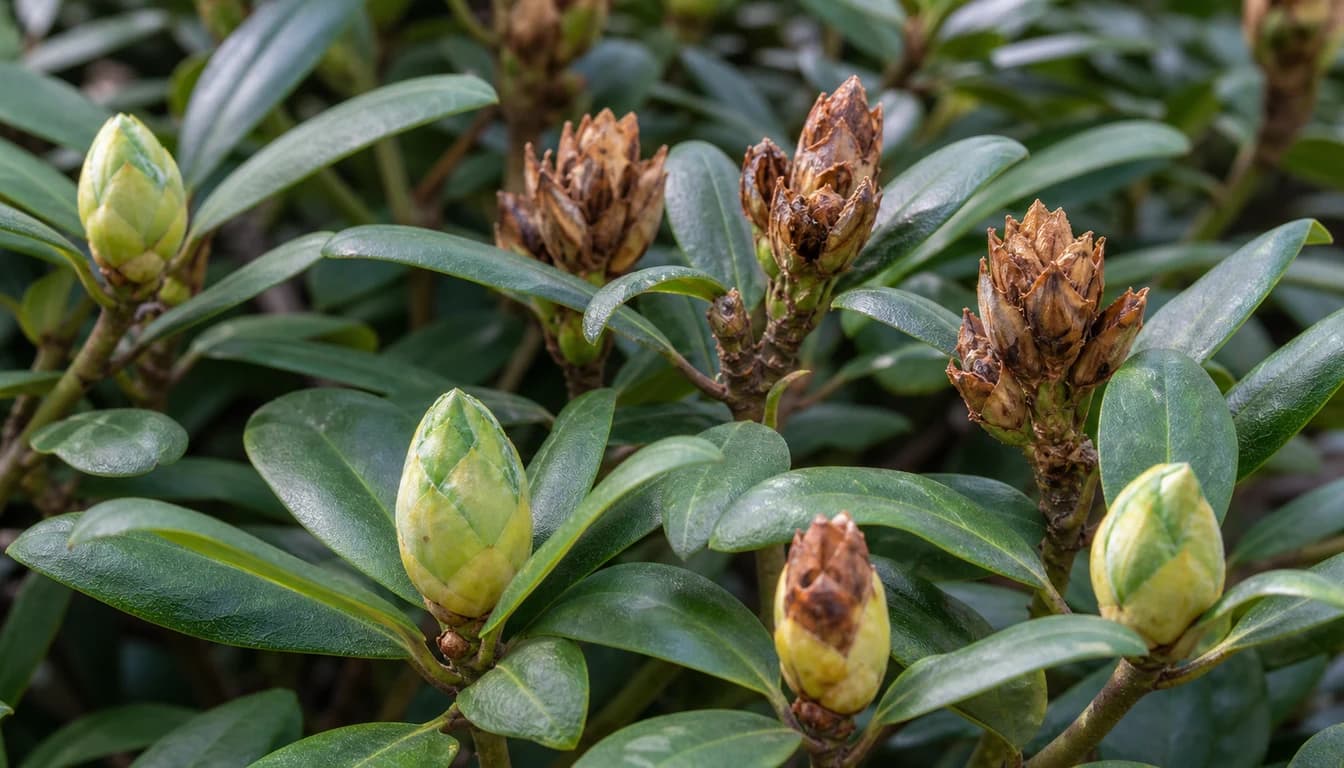
Bud blast is a common disorder where flower buds turn brown, fail to open, and drop before or during bloom. This profile helps you confirm bud blast on **Rhododendron** shrubs, choose the right immediate fixes (pruning, sanitation, watering), and adopt seasonal practices that reduce repeat outbreaks across **Zones 3-11**.

Rhododendron flower buds browned and dried before opening beside green leaves

Rhododendron flower buds browned and dried before opening beside green leaves

lightbulb
bolt

Quick Diagnosis

Most Likely Cause: Cold injury or sudden temperature swings causing bud blast.

If many buds brown and collapse just before opening after a warm spell or late frost, cold damage is the most likely cause. Comparing the yard-wide pattern with other types of shrubs-like the usual bloom differences between azaleas and rhododendrons-helps confirm that this is a bloom-timing issue, not a general shrub problem. Then check Rhododendron flower buds directly. Water stress, poor air circulation, and sanitation problems are common contributors and often appear together, so check soil moisture and nearby plant spacing while you inspect browned buds.

Jump to fix steps arrow_downward

Bud blast commonly shows up in the weeks before expected bloom and during spring weather swings. Rhododendron shrubs in Zones 3-11 bloom from early spring to early summer depending on cultivar; buds formed the previous season are sensitive to late freezes and rapid temperature drops. Check buds in late winter and early spring to establish a baseline before bloom.

Plant health before winter matters: well-fed, hydrated shrubs with intact root systems resist bud damage better than stressed plants. If your Rhododendron had yellowing leaves, intermittent wilting, or compacted soil last fall, expect a higher chance of bud blast. Where applicable, compare growth and bloom with neighboring Rhododendron shrubs to see if the issue is plant-specific or site-wide.

Timing your corrective steps matters. Early-season pruning of dead wood and removal of browned buds is safe after frost risk passes. For watering and mulching updates consult irrigation guidance so you don’t overcorrect: gardeners who adjust planting and care to local hardiness see faster recovery and fewer stress-related bud failures.

pest_control
Plant Problem - See AlsoRhododendron Leaf Scorch
chevron_right
psychology

Quick concepts to know

Bud blast describes failure of flower buds to develop into open flowers; damage is often internal, so the outside of the bud may look intact until you split it open. Knowing whether buds formed the previous year or this season helps determine cause.

Rhododendron buds are different from new vegetative buds; floral buds are larger and rounder. When diagnosing, split suspect buds with clean garden shears or a sharp knife to look for brown or black tissue that signals internal kill.

Sanitation means cleaning tools and removing dropped debris. Use disinfectant on pruning shears between plants to limit spread of any opportunistic pathogens, and wear gloves when pruning to protect your hands from sap and resin.

thermostat

Environmental Baseline

Before diagnosing specific failures, confirm your Rhododendron: Spring Buds, Acid Roots, and Shade Balance's environment matches its core care requirements.

forestRhododendron: Spring Buds, Acid Roots, and Shade Balance Care Needs

  • Light: Part shade, morning sun with afternoon shade
  • Water: Moderate, evenly moist, never soggy
  • Temp: Prefers cool summers, protection from harsh winter wind

homeTypical Indoor Home

  • Humidity: 30-50% (Low)
  • Temp: 65-72°F variable
  • Light: Often too dim or direct
biotech

Possible Causes

Sorted by likelihood

1. Late frost or sudden cold snaps (Cold injury)

Likelihood: High

Bud tissues are vulnerable once they deharden in spring. A warm spell followed by a hard freeze damages floral buds more than leaves, causing browning inside the bud and preventing opening.

Identification

  • remove_circle_outlineBuds appear black-brown inside when split open and collapse instead of stiffening.
  • remove_circle_outlineDamage follows a measurable temperature drop after a warm period; nearby evergreen foliage may be unaffected.
  • remove_circle_outlineMultiple cultivars and plants across the yard show similar timing of bud failure after frost events.

The Fix

  1. 1Wait until risk of further frost is past, then remove browned buds and any dead shoots to improve appearance.
  2. 2Protect future buds with temporary frost cloths during forecasted freezes, or use anti-desiccant sprays on particularly tender varieties.
  3. 3Plant sensitive cultivars in sheltered microclimates (north side of a building or under deciduous overstory) to reduce exposure to late freezes.

2. Water stress (drought or overwatering)

Likelihood: High

Both underwatering and saturated roots can prevent buds from developing properly. In drought, buds desiccate; in waterlogged soil, roots fail to supply moisture and nutrients.

Identification

  • remove_circle_outlineSoil is dry an inch below the surface or bone-dry around root ball for drought stress.
  • remove_circle_outlinePersistent soggy soil, surface pooling, or nearby poor drainage indicate root oxygen problems.
  • remove_circle_outlineOther drought signs include wilting, scorched leaf margins, or premature leaf drop that coincides with bud loss.

The Fix

  1. 1Use deep, infrequent watering (soak root zone to 8-12 inches) rather than light, frequent sprinkling; check with a soil probe.
  2. 2Improve drainage if soil is heavy clay by adding organic matter or raising beds; for persistent wet sites use coarse mulch and keep crowns slightly elevated.
  3. 3Mulch with 2-3 inches of organic material, keeping mulch away from the trunk, to retain humidity and moderate soil temperature.

3. Poor air circulation and microclimates

Likelihood: Medium

Crowded plantings and sheltered hollows trap humid air and cold pockets, increasing disease pressure and making buds more vulnerable to temperature stress.

Identification

  • remove_circle_outlineShrubs planted too close together or against walls with limited spacing show more bud problems than isolated plants.
  • remove_circle_outlinePersistent dampness on buds or mildew on lower leaves points to low airflow.
  • remove_circle_outlineAreas that sit in cold air pockets at night (valleys, high walls) correlate with timing of bud damage.

The Fix

  1. 1Prune to open the center of the shrub and remove crossing branches after bloom to improve airflow.
  2. 2Space new plantings according to mature spread and relocate severely affected specimens when practical.
  3. 3Avoid heavy late-summer fertilizer that forces dense growth, which can reduce airflow next spring.
pest_control
Plant Problem - See AlsoRhododendron Root Rot
chevron_right
potted_plant

Root Health Examination

A direct inspection of the root system distinguishes root rot from drought stress - saving weeks of guesswork.

check_circleHealthy Roots

  • Firm to the touch
  • White or light tan color
  • Earthy, pleasant smell

cancelCompromised Roots

  • Mushy or slimy texture
  • Dark brown or black color
  • Sour, rotting odor

Inspection Step: Gently slide the pot off while supporting the base of the stems. The outer root ball gives sufficient clues without disturbing all the soil.

gpp_bad
warning

When to Worry

A few yellow leaves are normal. If more than 20% of foliage turns yellow within a week, or new growth is affected, act immediately - check the roots first.

timeline

Recovery Protocols

Recovery takes time. Once the root cause is corrected, implement a 30-day stabilization window.

0-2 weeksImmediate response and pruning

Remove clearly dead buds and any brittle twig tips once frost danger has passed. This improves appearance and reduces pathogen habitat; expect little new bloom from already-killed buds.

3-8 weeksNew vegetative growth and monitoring

If roots and leaves are healthy, rhododendrons typically shift energy into vegetative growth. You should see new leaves and shoot tips in this window; however, significant bloom recovery for this season is unlikely if many floral buds were killed.

9-52 weeksNext season preparation

Full recovery of bloom potential depends on good root health through the following year. Focus on correct watering, mulching, and balanced late-spring fertilizing. Plant that recover vegetatively usually bloom the next season if buds form and overwinter successfully.

menu_book
Guide - See AlsoAir Purifying Plants for Cleaner Indoor Air
chevron_right
shield

Preventing Future Issues

To prevent bud blast, prioritize site selection (sheltered microclimate), steady watering routines, good air circulation through pruning, and winter care that avoids rapid de-hardening. Keep pruning shears clean, wear gloves when cutting or handling buds, and follow seasonal checks for drainage and mulch depth to reduce recurrence. When deciding between organic surface additions, gardeners often balance moisture retention and soil improvement-learning the pros and cons of using mulch versus compost helps you pick the right material for your Rhododendron site. Bud blast is a symptom-driven issue. Confirm with clean pruning shears and a quick field check of nearby buds and shoots.

menu_book

Related Reads

pest_control
Plant ProblemRhododendron Leaf Scorch
chevron_right
pest_control
Plant ProblemRhododendron Root Rot
chevron_right
menu_book
GuideAir Purifying Plants for Cleaner Indoor Air
chevron_right
menu_book
GuideBest Herbs to Grow Indoors for Real Harvests, Not Spindly Pots
chevron_right
menu_book
GuideBest Indoor Plants for Every Room and Light Level
chevron_right
Rhododendron: Spring Buds, Acid Roots, and Shade Balance (Rhododendron spp.) - full care guideRhododendron spp.

Rhododendron: Spring Buds, Acid Roots, and Shade Balance

Ericaceae Family

wb_sunny

Light

Part shade, morning sun with afternoon shade

water_drop

Water

Moderate, evenly moist, never soggy

thermostat

Temp

Prefers cool summers, protection from harsh winter wind

yardFull Care Guide

On This Page

boltQuick DiagnosispsychologyUnderstandingthermostatEnvironment CheckbiotechPossible Causespotted_plantRoot ExamwarningWhen to WorrytimelineRecovery PlanshieldPreventionmenu_bookRelated Reads