yard
KnowTheYard

databasePlant Database

Browse by category

potted_plant

Houseplants

Indoor & tropical species

nutrition

Vegetables

Edible garden crops

spa

Herbs

Culinary & medicinal

local_florist

Flowers

Ornamental blooms

water_drop

Succulents

Drought-tolerant species

park

Trees

Arboreal species

forest

Shrubs

Bushes & hedges

nature

Perennials

Garden flowers

grass

Lawn Grasses

Turf varieties

local_dining

Fruits

Fruit-bearing plants

Best Indoor Plantsarrow_forwardBest Shade Plantsarrow_forward

menu_bookGarden Guides

Step-by-step guides by task type

grass

Lawn Care

Seasonal checklists and year-round maintenance guides for a championship lawn.

yard

Planting

When, where, and how to plant — from seed to transplant for every garden type.

water_drop

Watering

Deep-watering techniques, schedules by plant type, and drought management.

compost

Fertilizing

Feeding schedules, NPK ratios, and organic vs synthetic options by plant.

pest_control

Pest Control

Identify, prevent, and treat common garden pests without harming beneficial insects.

content_cut

Pruning

Pruning timing, techniques, and tools for trees, shrubs, and flowering plants.

Popular Guides

parkFall Lawn Carelocal_floristSpring Lawn Carecalendar_monthFull Calendar
All Guidesarrow_forwardLawn Care Hubarrow_forward
ToolsCompareRegional GuidesPlant ProblemsPet SafetyAbout
searchPlant Finder
yardKnowTheYard

Published plant profiles, practical care guides, problem diagnosis pages, and side-by-side comparisons for home gardeners.

chatphoto_camera

databaseBrowse Plants

  • arrow_forwardHouseplants
  • arrow_forwardVegetables
  • arrow_forwardHerbs
  • arrow_forwardFlowers
  • arrow_forwardTrees

menu_bookResources

  • arrow_forwardGarden Tools
  • arrow_forwardRegional Guides
  • arrow_forwardPlant Problems
  • arrow_forwardPet Safety
  • arrow_forwardCare Calendar
  • arrow_forwardPlant Finder

infoCompany

  • arrow_forwardAbout Us
  • arrow_forwardOur Team
  • arrow_forwardMethodology
  • arrow_forwardEditorial Policy
  • arrow_forwardContact Us

mailEmail Updates

Join the list for new guides, seasonal notes, and launch updates.

No spam. Request removal anytime.

fact_check

Reviewed Pages

77 pages currently attributed to public review lanes

public

USDA Zone Coverage

Zone-aware recommendations and regional growing context

database

230 Published Plant Profiles

555 public pages across profiles, guides, comparisons, and problem pages

© 2026 KnowTheYard. All rights reserved.

Privacy PolicyTerms of ServiceContactSitemap
Home/shrubs/Butterfly Bush: Big Color, Bigger Pollinator Draw/Winter Dieback
scienceEditorial DiagnosisUpdated Feb 20, 2026

Butterfly Bush Winter Dieback

Practical steps to identify and recover Buddleja davidii stems killed by cold, choose the right pruning window, protect roots with mulch, and decide when to keep or replace a winter-damaged **Butterfly Bush**. Advice emphasizes cultivar hardiness, site conditions, and regional invasiveness considerations.

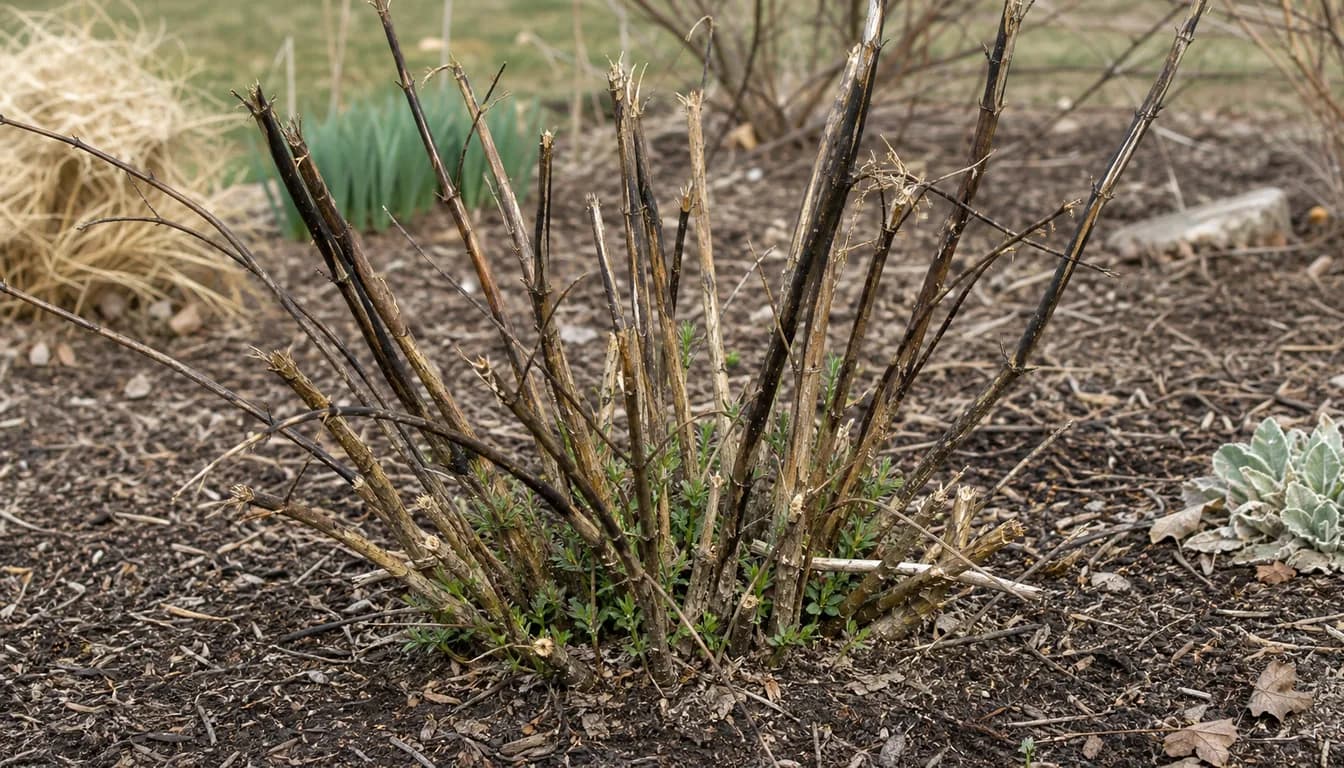
Winter-damaged butterfly bush with brittle brown and blackened canes and small green shoots emerging from the crown in a mulched bed.

Winter-damaged butterfly bush with brittle brown and blackened canes and small green shoots emerging from the crown in a mulched bed.

lightbulb
bolt

Quick Diagnosis

Most Likely Cause: Cold damage to above-ground wood (winter dieback).

Canes blacken or snap back from mid-branch to ground after a hard winter; live tissue remains green inside younger stems and at crown buds, and stressed shrubs often show secondary pest pressure such as aphid feeding that starts on dying tips - treat these outbreaks with targeted aphid control methods rather than assuming the pests caused the dieback.

Jump to fix steps arrow_downward

Winter dieback on Buddleja davidii occurs where winter lows push the shrub beyond its hardiness. Most garden cultivars reliably grow in zones 5-9, but cold snaps, fluctuating freeze-thaw cycles, and poorly drained soil raise the risk of canes freezing back to older wood or the ground. Plants near colder garden zones face the highest loss rates. Shrubs in milder winter zones typically bounce back more readily.

Butterfly Bush prefers full sun, well-drained soil, and moderate water; sites that meet those needs recover fastest. Cultivar hardiness varies; some compact or labeled hardy selections survive deeper freezes better than large, tender cultivars.

Timing matters: the classic pruning window is late winter or early spring once the worst cold has passed but before new shoots get well underway. That timing lets you remove dead wood without cutting away healthy spring growth you can still salvage.

pest_control
Plant Problem - See AlsoButterfly Bush Poor Flowering
chevron_right
psychology

How to think about winter dieback and recovery

Winter dieback is primarily an above-ground problem: canes freeze and die back but the root crown and dormant buds often survive if the plant was healthy going into winter. Confirming live tissue before large pruning preserves any recoverable wood.

Differentiate cold damage from pests and disease: insect outbreaks like aphids or spider mites and fungal issues such as powdery mildew often follow plant stress but create other visible clues-distorted leaves, webbing, or white fungal patches-not the clean blackened cane typical of freeze injury.

Regional invasiveness matters: Buddleja davidii is considered invasive in some areas. If your plant resprouts heavily from rootstock or produces abundant seed, you may choose to remove and replace it with a non-invasive nectar shrub rather than restore it.

thermostat

Environmental Baseline

Before diagnosing specific failures, confirm your Butterfly Bush: Big Color, Bigger Pollinator Draw's environment matches its core care requirements.

forestButterfly Bush: Big Color, Bigger Pollinator Draw Care Needs

  • Light: ==**full sun (6+ hours)**==
  • Water: Low once established
  • Temp: Hardy to about -20°F in well-drained soil

homeTypical Indoor Home

  • Humidity: 30-50% (Low)
  • Temp: 65-72°F variable
  • Light: Often too dim or direct
biotech

Possible Causes

Sorted by likelihood

1. Severe winter temperatures or late cold snaps

Likelihood: High

Prolonged or extreme lows kill above-ground branches, especially new growth and less-hardy cultivars. Fluctuating temperatures that thaw then refreeze cause cell rupture and dieback down to older wood.

Identification

  • remove_circle_outlineBlackened or brittle cane tips with green tissue only at the base
  • remove_circle_outlineDieback that follows the height of a previous summer's growth
  • remove_circle_outlineMultiple stems snapped when bent because wood is dead and dry
  • remove_circle_outlineDamage concentrated on exposed sides of the shrub after an exposed winter

The Fix

  1. 1Wait until late winter to test stems (see pruning guidance below) before removing questionable canes.
  2. 2Cut back dead stems to healthy green wood or to the crown when you can confirm no buds are swelling.
  3. 3After pruning, apply 2-4 inches of mulch over the root zone to buffer future cold.
  4. 4When replanting, choose a cultivar with better cold tolerance for your zone.
  5. 5If many stems died to the ground and crown buds are absent, plan for replacement rather than restoration.

2. Root damage from wet soil or root rot

Likelihood: Medium

Soggy, compacted soil or winter-saturated conditions let root pathogens and rot take hold; this weakens top growth and makes the bush less cold-hardy. Root failure often shows alongside dieback but requires different fixes.

Identification

  • remove_circle_outlineSoft, brown roots or a foul, musty smell when you dig at the crown
  • remove_circle_outlineEntire shrub collapses instead of isolated cane dieback
  • remove_circle_outlineDieback with persistently wet soil or poor drainage history
  • remove_circle_outlineBlackening that starts at the base and moves upward

The Fix

  1. 1Improve drainage by planting on a slight mound or amending soil with coarse material.
  2. 2Avoid heavy watering in fall; switch to conservative moisture to allow roots to harden before cold.
  3. 3If root rot is present, remove infected material and replant in better-draining location or replace the plant.
  4. 4Consider avoiding dense, clay-heavy spots or fix them with long-term soil improvement.
  5. 5Inspect for returning shoots in spring before deciding to replace the shrub.

3. Cultivar hardiness and age of wood

Likelihood: Low

Some Buddleja davidii cultivars are marginal in colder parts of the zones 5-9 range; older, woodier shrubs can sometimes survive better than recently planted, tender selections.

Identification

  • remove_circle_outlineNew cultivars with less field testing show higher winter loss records
  • remove_circle_outlineYoung transplants or shrubs planted that same fall show more dieback
  • remove_circle_outlineDifferential dieback across clones or neighboring bushes
  • remove_circle_outlineDead growth mainly on new shoots while older framework stays alive

The Fix

  1. 1Select reliably hardy cultivars for your zone and microclimate when replacing plants.
  2. 2Protect newly planted shrubs with heavier mulch and temporary windbreaks the first two winters.
  3. 3Avoid hard pruning late in the fall that stimulates tender new shoots before winter.
  4. 4Document which cultivar was affected to guide future planting choices.
  5. 5If only tips are killed, prune to older wood in late winter to encourage stronger shoots.
menu_book
Guide - See AlsoAir Purifying Plants for Cleaner Indoor Air
chevron_right
potted_plant

Root Health Examination

A direct inspection of the root system distinguishes root rot from drought stress - saving weeks of guesswork.

check_circleHealthy Roots

  • Firm to the touch
  • White or light tan color
  • Earthy, pleasant smell

cancelCompromised Roots

  • Mushy or slimy texture
  • Dark brown or black color
  • Sour, rotting odor

Inspection Step: Gently slide the pot off while supporting the base of the stems. The outer root ball gives sufficient clues without disturbing all the soil.

gpp_bad
warning

When to Worry

A few yellow leaves are normal. If more than 20% of foliage turns yellow within a week, or new growth is affected, act immediately - check the roots first.

timeline

Recovery Protocols

Recovery takes time. Once the root cause is corrected, implement a 30-day stabilization window.

Weeks 0-4 (late winter)Assess and wait

Delay major pruning until late winter. Scratch test small sections of cane-healthy wood is green and moist under the bark. Mark obviously dead stems but leave questionable canes until buds swell.

Weeks 4-8 (early spring)Prune dead wood and mulch

Remove completely dead canes back to healthy growth or to the crown using sharp shears. Apply **2-4 inches** of mulch over the root zone, keeping it off the trunk flare, and water deeply but infrequently to encourage root recovery.

Weeks 8-12 (spring growth)Monitor and be selective

Watch for new shoots from the crown or older wood. If a few strong shoots appear, selectively thin to two or three scaffold stems and delay heavy rejuvenation pruning until you see vigor. Treat any pest outbreaks promptly to avoid secondary stress.

menu_book
Guide - See AlsoBest Herbs to Grow Indoors for Real Harvests, Not Spindly Pots
chevron_right
shield

Preventing Future Issues

To reduce future dieback, plant Butterfly Bush in full sun on well-drained soil, mulch to a depth of 2-4 inches, avoid late-season fertilizing that encourages tender growth, choose hardy cultivars for your zone, and manage moisture to prevent root rot. Diagnosis tip: if you see dead wood beyond last year’s growth in late winter, note whether live buds remain at base for potential regrowth.

menu_book

Related Reads

pest_control
Plant ProblemButterfly Bush Poor Flowering
chevron_right
menu_book
GuideAir Purifying Plants for Cleaner Indoor Air
chevron_right
menu_book
GuideBest Herbs to Grow Indoors for Real Harvests, Not Spindly Pots
chevron_right
menu_book
GuideBest Indoor Plants for Every Room and Light Level
chevron_right
menu_book
GuideButterfly Garden Plants for Continuous Blooms
chevron_right
Butterfly Bush: Big Color, Bigger Pollinator Draw (Buddleja davidii) - full care guideBuddleja davidii

Butterfly Bush: Big Color, Bigger Pollinator Draw

Scrophulariaceae Family

wb_sunny

Light

==**full sun (6+ hours)**==

water_drop

Water

Low once established

thermostat

Temp

Hardy to about -20°F in well-drained soil

yardFull Care Guide

On This Page

boltQuick DiagnosispsychologyUnderstandingthermostatEnvironment CheckbiotechPossible Causespotted_plantRoot ExamwarningWhen to WorrytimelineRecovery PlanshieldPreventionmenu_bookRelated Reads