verifiedSource Reviewed
Astilbe: Feathery Color for Shade Beds
Astilbe spp.
Family: Saxifragaceae
wb_sunnyLight
Part shade to light shade
water_dropWater
Consistently moist, never bone-dry
heightHeight
1–4 ft tall, depending on variety
publicZone
Zone 3–9 outdoors
petsPet Safety
Pet Safe

Native Region
Asia and North America woodland stream edges
biotechBotanical Profile and Growth Habit
Astilbe earns its place where shade beds need flowers, not just foliage. It sends feathery plumes above ferny leaves in late spring to midsummer, but only if the soil stays cool and evenly moist.
Most clumps reach 1-4 feet tall, with white, pink, red, lavender, or peach plumes held above finely cut leaves. The plant grows from woody rhizomes, spreading slowly into wider clumps instead of running through the bed.
Its woodland-edge background explains the main care rule. Astilbe wants filtered light and steady moisture, not the baking exposure that suits Black-Eyed Susan or sun-loving coneflower types.
Use it as the flower layer between spring ephemerals and summer foliage plants. Early cultivars can overlap with Bleeding Heart. Later ones add color when Hosta is mostly leaf texture in mixed perennial beds.
paletteCultivars and How to Choose Them
Choose Astilbe cultivars by bloom window first, then height and color. Some open in late May, while others peak in July, so a mixed planting can keep plume color moving through the shade bed.
Tall Astilbe chinensis hybrids can reach 3-4 feet and belong behind lower plants such as Coral Bells. Dwarf selections under 18 inches work better along paths, containers, and the front edge of shade borders.
White and soft pink plumes feel quiet beside Hosta and ferns, while red or purple selections stand out against big leaves from summer-blooming hydrangea.
Early bloomersUseful with Bleeding Heart and spring bulbs before the shade bed fills in.
Tall AstilbeBack-border plumes for damp shade and woodland edges.
Dwarf AstilbeFront-edge plants for paths, containers, and small shaded pockets.
Dark foliage typesBest where leaf contrast matters after the flowers age.
The best-practice pick is the cultivar that matches your moisture and height limit before your favorite plume color. A red tall type in a dry front edge will disappoint faster than a smaller pink type in the right soil.
- fiber_manual_recordHeight class: Dwarf (12–18 in), medium (18–30 in), tall (30–48 in) for proper placement.
- fiber_manual_recordBloom time: Early, mid, or late season to extend the show across summer.
- fiber_manual_recordColor and form: Plumes can be fluffy, arching, or stiff and upright in different shades.
- fiber_manual_recordMoisture tolerance: Some chinensis types handle slightly drier spots better than others.
Guide — See AlsoAir Purifying Plants for Cleaner Indoor AirLearn how to pick, place, and care for air purifying plants so they help your indoor air instead of just looking pretty.
chevron_rightwb_sunnyLight: Where Astilbe Performs Best
Astilbe wants bright shade more than deep shade. The sweet spot is morning sun with afternoon shade, especially where soil can stay cool through summer.
Direct afternoon sun browns the finely cut leaves and shortens plume life. If the same bed keeps Daylily happy, it is probably too exposed for Astilbe unless irrigation is excellent.
Use filtered light under open deciduous trees or beside taller shrubs such as deciduous lilac. Dense evergreen shade is different; it may protect leaves, but it often reduces bloom.
If foliage looks healthy but plumes are sparse, light is the first thing to check. Move the clump a few feet brighter before feeding it.
A brighter move works best in early spring or fall, when cool soil lets the shallow roots settle before the next bloom push.
- check_circleLook for sites with 3–4 hours of morning or late-day sun in cooler zones.
- check_circleUse high, open tree canopies to provide dappled light in mid-summer.
- check_circleAvoid west-facing walls that reflect heat and light onto foliage.
- check_circleCombine with taller perennials or shrubs to create partial shade in sunny yards.
Email Updates
Join the KnowTheYard update list
Zone-specific advice, seasonal reminders, and new plant guides — no filler.
water_dropWatering: Keeping Astilbe Evenly Moist
Water is the make-or-break care point for Astilbe. A plant can survive shade and still fail if the root zone dries hard during plume formation.
New plantings need regular deep watering while rhizomes establish. In warm regions, shallow roots dry fast, so light daily sprinkles give you wet mulch and dry crowns.
Water deeply so moisture reaches 6-8 inches down, then let the top 1-2 inches begin to dry before watering again. That is the same root-zone logic behind deep watering instead of shallow.
Underwatering shows up as drooping, crispy leaf edges and short, sparse plumes. Overwatering looks different: yellowing leaves, sour soil, and soft rhizomes.
Best practice is to mulch and water before the plant wilts. More Astilbe fail from drying out once too often than from staying slightly moist, especially in the first two summers.
- check_circleUse 2–3 inches of mulch to hold moisture and keep roots cool.
- check_circleCheck soil moisture by pushing a finger 2 inches down near the clump.
- check_circleWater early in the day so foliage dries before nightfall.
- check_circlePrioritize deep soaks during heat waves, especially in Zone 8–9 beds.
Guide — See AlsoBest Herbs to Grow Indoors for Real Harvests, Not Spindly PotsChoose indoor herbs that can actually produce in your light, temperature, and container setup, then match each one to th
chevron_right
potted_plantSoil and Planting Conditions
Rich, humus-heavy soil is why Astilbe can flower in shade instead of just sitting there. It wants the opposite of the thin, dry ground that suits tough drought perennials like yarrow.
A slightly acidic to neutral pH around 6.0-7.0 works well. In heavy clay, wide planting holes amended with compost keep roots from sitting in stagnant water while still holding moisture.
In sandy soil, mix in compost and fine bark to slow drainage. Without that sponge, summer watering disappears before the rhizomes can use it.
The hand test is simple: soil should hold shape when squeezed, then break apart with a poke. Avoid low pockets that stay soggy after every rain, even if they look like a shortcut to moisture.
Ideal textureLoam or amended clay with plenty of organic matter
Organic matterAim for 20–30% compost blended into native soil
Drainage testA 1 ft deep hole should drain within 2–4 hours
Mulch depth2–3 inches of shredded leaves, bark, or compost
account_treePropagating Astilbe by Division
Division is the practical way to propagate Astilbe because it keeps the exact plume color, height, and foliage tone. Seedlings can vary too much for a designed shade bed.
Early spring is the cleanest timing in cold regions, before strong top growth begins. Mild climates can also use early fall while soil is still warm enough for new roots.
Dig wide and lift the whole clump instead of chopping from the side. The thick rhizomes sit near the crown, and rough cuts can leave small pieces with too few buds.
Cut divisions so each section has at least 3-5 healthy buds plus a firm chunk of roots. Tiny pieces dry out quickly and take longer to flower again.
lightbulbBest timing for divisions
Divide every 3-4 years before clumps get crowded. Overgrown Astilbe bloom less, and the centers turn woody and bare.
Replant right away at the same depth, then water deeply and mulch lightly. A division that dries on the workbench can fail even if the cut was clean.
- check_circleChoose an overcast day to reduce stress on divided plants.
- check_circleTrim back foliage by about one-third if divisions wilt after replanting.
- check_circleMulch 2-3 inches deep, keeping mulch off the crown to prevent rot.
- check_circleWater weekly through the first growing season whenever the top 1 inch of soil starts to dry.
- check_circleLabel colors and heights as you divide so you remember what went where.
Guide — See AlsoBest Indoor Plants for Every Room and Light LevelA practical guide to choosing the best indoor plants for your home, covering beginner-friendly picks, low light champion
chevron_rightpest_controlPests and How to Handle Them
Astilbe usually has more stress problems than pest problems. When leaves look rough, check moisture and sun exposure before assuming insects.
Leaf scorch from dryness can mimic pest damage, especially along brown edges. True pest issues often show up on leaf undersides, tender new growth, or crowns.
Spider mites can appear when plants are hot and dry; tiny webs and stippled leaves separate mites from simple drought scorch. Compare symptoms with spider mite treatment guides before treating.
pest_controlAphids
Watch for clusters on new stems and flower spikes. Blast them off with a strong water spray, or follow up with insecticidal soap every 5-7 days until populations crash.
pest_controlSpider mites
Look for fine webbing and bronzed foliage in hot, dry spots. Increase humidity with more frequent watering, then use a hose spray or miticide labeled for ornamentals if damage continues.
pest_controlSlugs and snails
Scout for ragged holes and slime trails. Hand-pick at dusk, use iron phosphate baits, or set simple beer traps around clumps in heavily mulched beds.
pest_controlPowdery mildew
Watch for white powdery coating in crowded, still air. Thin nearby plants, water soil instead of foliage, and remove badly affected leaves to keep it from spreading.
Once you know the culprit, fix the moisture and spacing issue that invited it before reaching for stronger products. A damp, well-spaced shade bed rarely needs heavy pest intervention.
Crown rot is the bigger threat in soggy pockets. If a clump collapses with soft rhizomes and sour soil, move healthy pieces to better-drained ground instead of watering more.
infoPreventing repeated pest problems
Encourage beneficial insects by mixing Astilbe with nectar plants like Coneflower or Yarrow, and avoid broad-spectrum sprays that wipe out helpful predators along with pests.
calendar_monthSeasonal Care Through the Year
Seasonal care for Astilbe is mostly about moisture timing. Spring builds roots and plumes, summer tests the bed, and fall is cleanup plus division if the clump is crowded.
Use spring to topdress with compost, remove old stems, and divide oversized clumps before heat arrives. Avoid heavy nitrogen because it makes soft foliage without solving dry soil.
local_floristSpring
Clear winter debris, top-dress with 1-2 inches of compost, and apply a balanced slow-release fertilizer as new red or green shoots emerge.
wb_sunnySummer
Water deeply during dry spells so soil stays evenly moist, not soggy. Deadhead spent flower plumes if you prefer a tidy look, or leave a few for texture.
ecoFall
Cut foliage back to 2-3 inches once frost blackens leaves, then mulch crowns with leaves or bark in Zone 3-5 to buffer freeze-thaw cycles.
ac_unitWinter
Leave mulch in place, check that crowns are not heaving out of the soil, and avoid uncovering plants too early during warm spells.
Summer care is simple but unforgiving: keep mulch even, water before leaves crisp, and cut spent plumes only if you dislike the faded seed heads.
If the bed dries every July no matter what you do, move Astilbe closer to a hose path or a naturally damp corner instead of trying to force it through a hot, dry border.
In fall, leave healthy foliage until it yellows, then clean up collapsed leaves. Where winters are harsh, a light mulch after the ground cools protects shallow crowns without burying them.
lightbulbMoisture management by zone
Increase irrigation frequency for Zone 8-9 beds, especially those near heat-reflecting walls, because fast-drying soil is the main reason Astilbe clumps fail in warmer climates.
Guide — See AlsoBest Shade Plants for Gardens That Get Little SunA practical guide to choosing the best shade plants for outdoor gardens, covering perennials, shrubs, ground covers, and
chevron_righthealth_and_safetySafety and Ecological Notes
Astilbe is generally a low-risk ornamental around kids and pets when used as a normal garden perennial. The bigger safety issue is whatever fertilizer, slug bait, or spray you use nearby.
Plant it near shaded patios and walkways without the concern you would have for clearly toxic shrubs such as Oleander or Yew. Keep normal rules for treated beds: wait until sprays dry before people or pets use the area.
For ecology, Astilbe is useful but not a full pollinator plan. Pair it with shade-friendly bloomers such as Bleeding Heart and Phlox, then use sunny plants such as Coneflower elsewhere for a longer nectar season.
Typical hybrid Astilbe used in North American gardens is not treated like an invasive runner. It expands slowly by clumps, so division is usually about rejuvenation, not containment.
check_circleEcology in mixed borders
Use Astilbe in layered beds beneath small trees like Dogwood or Japanese Maple to create cool, moist soil where woodland insects and soil life thrive.
eco
Keep Exploring
Related Plants
 Perennials
Bleeding Heart
Bleeding Heart looks like a fussy woodland plant, but it is a tough perennial for Zone 3-9 shade beds. Once planted in cool, humus-rich soil, it gives years
 Perennials
Fern
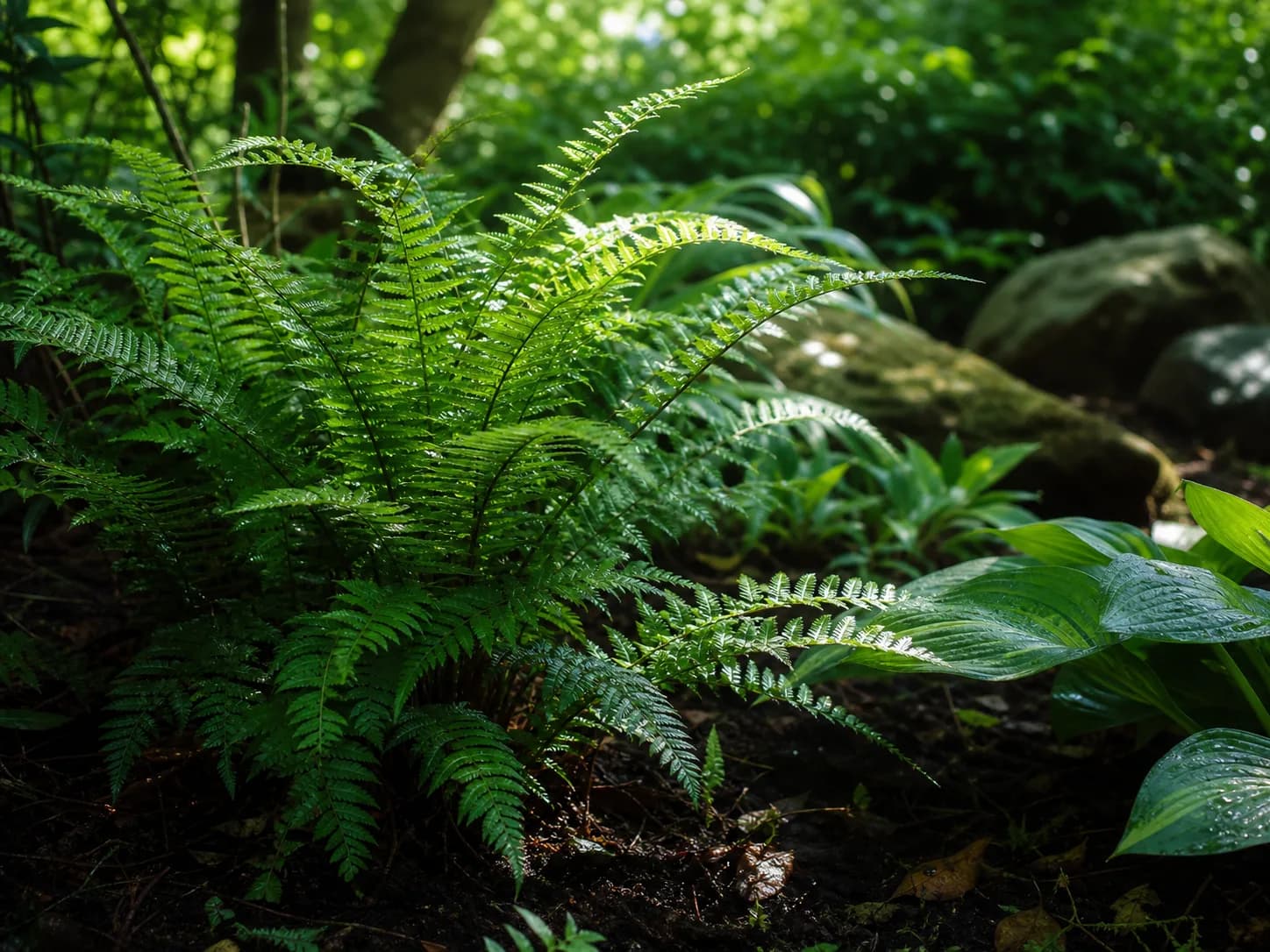
Ferns earn their place with texture, shade tolerance, and a calm green presence that softens woodland edges, foundation beds, and damp corners where flowers
 Perennials
Hosta
Gardeners crave color in shade beds, and Hosta delivers with bold foliage instead of fussy flowers. This clumping perennial thrives in Zones 3-9, sp
quiz
Frequently Asked Questions
Do Astilbe come back every year?expand_more
Astilbe are true perennials in Zones 3–9, returning from their rhizomes each spring. In colder climates, a mulch layer helps protect crowns, but you do not need to lift or replant them each year like many annual flowers.
Will Astilbe grow in full shade?expand_more
Astilbe tolerate light to medium shade and do best in dappled light or morning sun with afternoon shade. In deep, dense shade, foliage may look fine but blooms are fewer and weaker, so try to give at least a few hours of indirect brightness.
Can Astilbe grow in containers?expand_more
Yes, Astilbe can grow in containers if you use a large pot with rich, moisture-retentive soil and water consistently. Choose compact varieties, keep the pot in part shade, and expect to divide or replant clumps into the ground every few years.
How often should I divide astilbe clumps?expand_more
Divide astilbe every 3–4 years, or whenever the center of the clump looks woody and thin. Spring is best in cooler zones, while early fall is safer in warmer climates where soil stays warm longer.
Why are my astilbe not blooming well?expand_more
Poor bloom usually comes from too little light, not enough moisture, or old, crowded clumps. Give them at least dappled light, keep soil consistently moist, and divide overgrown plants to refresh flowering.
Can astilbe grow in full sun?expand_more
Astilbe can handle full morning sun in cooler zones if soil stays moist, but they struggle in hot afternoon sun. In warmer areas, give them partial shade and extra watering during summer heat.
menu_book
Sources & References
- 1.Astilbe, University of Minnesota Extensionopen_in_new
- 2.Astilbe, Missouri Botanical Garden Plant Finderopen_in_new
- 3.Astilbe Growing Guide, Royal Horticultural Societyopen_in_new
- 4.Missouri Botanical Garden: Astilbe x arendsiiopen_in_new
- 5.NC State Extension: Astilbe, False Goat’s Beardopen_in_new
- 6.University of Minnesota Extension: Perennials for Shadeopen_in_new
- 7.Penn State Extension: Dividing Perennialsopen_in_new
- 8.University of Wisconsin Extension: Perennials for Shadeopen_in_new