verifiedSource Reviewed
Lemon Tree: Backyard Citrus Care for Sun, Fruit, and Frost Protection
Citrus limon
Family: Rutaceae
wb_sunnyLight
Full sun, 6-8+ hours
water_dropWater
Deep watering, then slight drying at the surface
heightHeight
6-20 feet depending on rootstock and pruning
publicZone
Outdoors only where winters are mild; container elsewhere

Native Region
Asia, with cultivated origins linked to northeastern India and nearby regions
biotechLemon Trees Are Evergreen Citrus, Not Cold-Hardy Orchard Trees
The useful starting point: Lemon trees stay evergreen, bloom fragrantly, and can carry flowers and fruit at the same time in warm climates. That year-round activity is useful, but it also means the tree never goes fully dormant like an apple or peach.
Cold is the main limiting factor. A mild-winter yard can grow a lemon tree in the ground, while colder regions need a container that moves inside before frost.
Compared with apple trees, lemon trees do not need winter chill. They need warmth, bright light, and roots that never sit in soggy soil.
infoBuy Grafted if You Want Fruit
A grafted lemon tree fruits sooner and more predictably than a seed-grown plant.
paletteChoosing Eureka, Lisbon, Meyer, or Dwarf Forms
Classic true lemons such as 'Eureka' and 'Lisbon' give sharp, tart juice and vigorous growth. They fit warm outdoor sites better than dim indoor corners.
Meyer lemon is a sweeter hybrid and often the better container choice. It stays smaller, fruits young, and handles patio culture well.
If your main goal is a movable patio plant, compare lemon choices with dwarf citrus before buying. Rootstock and mature size matter as much as fruit flavor.
A lemon tree for the ground and a lemon tree for a pot are different decisions. Container growers should prioritize compact habit and indoor tolerance, while warm-climate gardeners can think more about harvest season and fruit quality.
Standard Lemon Tree varieties can become large landscape trees in frost-free climates. In containers, compact choices and pruning matter because root restriction alone does not cancel the tree's need for light and nutrition.
EurekaClassic tart lemon, productive in warm regions
LisbonVigorous, thornier, and strongly tart
MeyerSweeter hybrid, compact, container-friendly
Dwarf grafted formsBest for patios, containers, and easier indoor moves
Guide — See AlsoAir Purifying Plants for Cleaner Indoor AirLearn how to pick, place, and care for air purifying plants so they help your indoor air instead of just looking pretty.
chevron_rightwb_sunnyFull Sun Is Non-Negotiable
The light target is practical: Lemon trees need 6-8 or more hours of direct sun for dense foliage, bloom, and fruit. Low light is the main reason indoor trees drop leaves or refuse to flower.
Outdoor trees should get open sun with some wind protection while young. Container trees moved outside in spring need gradual acclimation so leaves do not scorch.
lightbulbLight cue
The same gradual move used to harden off seedlings works for citrus: start in bright shade, then increase sun over a week or two.
A lemon tree that flowers indoors but drops fruit is often short on energy. It may have enough light to bloom but not enough to mature a crop, especially if winter days are short and the pot sits far from glass.
- check_circleOutdoor growing: full sun most of the day.
- check_circleIndoor winter: brightest south window plus grow light if needed.
- check_circleContainers: rotate monthly for balanced growth.
- check_circleHot patios: prevent black pots from overheating roots.
Email Updates
Join the KnowTheYard update list
Zone-specific advice, seasonal reminders, and new plant guides — no filler.
water_dropWater Deeply, Then Let the Top Dry
The watering target is practical: Lemon trees want even moisture and oxygen around the roots; water thoroughly, then let the top few inches dry slightly before watering again.
Use the same logic as deep watering: soak the root zone fully, then avoid constant shallow wetness.
lightbulbWatering cue
Containers need drainage holes and no standing water in saucers. Indoor winter trees use less water because light and growth slow down.
When growth slows, water demand drops before the plant looks different; let the pot conditions lead the decision.
warningYellow Leaves Are Not Always Hunger
Yellowing on a wet lemon tree can mean root stress. Check drainage before adding fertilizer.
Lemon trees resent both drought and stale wet mix. Water when the upper root zone begins to dry, then water deeply enough to flush the pot; this keeps fine feeder roots active without letting salts build around them.
Guide — See AlsoBest Herbs to Grow Indoors for Real Harvests, Not Spindly PotsChoose indoor herbs that can actually produce in your light, temperature, and container setup, then match each one to th
chevron_right
potted_plantDrainage, Citrus Fertilizer, and Containers
The soil decision comes first: Lemon trees need well-drained soil with moderate fertility. In pots, use a citrus or high-quality potting mix amended with bark, perlite, or pumice.
Citrus are steady feeders during active growth. Use a citrus fertilizer with micronutrients rather than pushing only nitrogen.
Container lemons also need salt management. If white crust builds on the mix or leaf edges brown after regular feeding, flush the pot thoroughly with clean water and let it drain before feeding again.
infoPlanting check
If you also grow blueberries, do not copy their strongly acidic soil recipe. Lemons prefer slightly acidic to neutral conditions, not a true acid-bed setup.
Yellow leaves on lemon trees need a careful read. Uniform pale growth can mean nitrogen hunger, while green veins with yellow tissue often point to iron or pH issues, especially in container mixes with hard-water buildup.
Best soilLoose, well-drained loam or chunky container mix
FertilizerCitrus formula with micronutrients during active growth
Container sizeLarge enough for roots, but not a cold oversized soil mass
AvoidStanding water, dense clay, and heavy late-season nitrogen
account_treeSeed, Cuttings, and Grafted Trees
A lemon tree from seed is slow and unpredictable. It may take years to flower, and the fruit may not match the parent.
Cuttings can clone a known lemon, but grafted nursery trees are usually stronger and faster for home fruit production.
Most common lemons are self-fertile, so one tree can fruit. Indoors, gently brushing flowers or shaking branches can help move pollen where insects are absent.
Seedlings can be fun, but fruit quality and thorniness are unpredictable. If the goal is kitchen fruit, compare named citrus choices such as lemon vs lime tree before giving years of space to a seed-grown plant.
- 1Buy grafted trees for reliable harvest.
- 2Keep the graft union above soil.
- 3Remove shoots from below the graft.
- 4Prune lightly after harvest or before spring growth.
- 5Use seed-grown plants mainly as experiments.
Guide — See AlsoBest Indoor Plants for Every Room and Light LevelA practical guide to choosing the best indoor plants for your home, covering beginner-friendly picks, low light champion
chevron_rightpest_controlScale, Mites, Aphids, and Leaf Miners
The first scan is simple: Lemon trees often attract scale insects, spider mites, aphids, whiteflies, and citrus leaf miners, especially after moving indoors or pushing tender new growth.
Sticky leaves usually point to sap-sucking insects and honeydew. Fine webbing and stippled leaves suggest mites, much like the signs in spider mite care for houseplants.
warningFirst-response cue
Inspect before bringing a container tree indoors. A small scale problem outside can become a sticky indoor mess by winter.
Scale, mites, and mealybugs often show up after the tree moves indoors or into low airflow. Check leaf undersides and stems before winter, because a small population can multiply fast once the tree is away from outdoor predators.
Ants on a Lemon Tree often point to honeydew-producing pests. Control the scale or aphids first, then manage ants, because ants may protect the insects that are feeding on the tree.
pest_controlScale
Small bumps on stems and leaves; wipe, scrape, or use horticultural oil.
pest_controlSpider mites
Fine webbing and dull stippled leaves in dry air.
pest_controlAphids
Soft clusters on new tips and flower buds.
pest_controlLeaf miners
Winding tunnels in young leaves; mostly cosmetic on mature trees.
calendar_monthSeasonal Care for Warm Yards and Cold Winters
Spring is the time to move container lemon trees outdoors gradually, resume feeding, and prune dead or crossing wood.
Summer is for full sun, steady watering, and citrus fertilizer. Fruit may be at several stages at once, so avoid hard pruning that removes flowering wood.
Fall is frost-prep season. Move containers indoors before damaging cold, or protect in-ground trees with frost cloth and mulch where light freezes are possible.
If your climate is too cold for outdoor citrus, compare long-term container work with fig trees, which can go dormant and need less winter light.
Moving a lemon tree outdoors should be gradual. Leaves formed indoors can scorch in direct sun, so harden the tree into brighter light over a week or two before leaving it in full exposure.
Frost protection works best when the tree is hydrated and covered before temperatures drop. Dry roots and exposed graft unions are more vulnerable than a mulched, well-watered Lemon Tree going into a cold night.
local_floristSpring
Acclimate outdoors, feed, and prune lightly.
wb_sunnySummer
Water deeply, feed, and inspect for pests.
ecoFall
Prepare frost protection or move pots indoors.
ac_unitWinter
Maximize light and reduce watering in low growth.
Guide — See AlsoBest Time to Water Indoor Plants for Healthy GrowthLearn exactly when to water indoor plants during the day, how timing changes by season and light level, and how to avoid
chevron_righthealth_and_safetyPet Safety, Pollinators, and Fruit Use
Handle this part plainly: Lemon tree fruit is widely used in food, but leaves, stems, peel, and essential oils can upset pets that chew or eat large amounts.
Flowers attract bees outdoors, so avoid spraying during bloom. If the tree is indoors, hand-pollination may help fruit set.
For a more resilient edible yard, mix citrus with pollinator plants and other fruits that bloom at different times.
warningPets and Citrus
Do not let pets chew lemon tree leaves, stems, or peel. Keep fallen fruit and prunings cleaned up around curious animals.
Citrus thorns and acidic fruit are minor but real placement issues. Keep a container Lemon Tree away from narrow walkways where thorns snag clothing and dropped fruit becomes slippery.
eco
Keep Exploring
Related Plants
 Fruits
Apple Tree
Apple trees can be excellent backyard fruit trees when the variety, rootstock, pollination partner, sun, and pruning plan fit the site. The tree is not hard to
 Fruits
Peach Tree
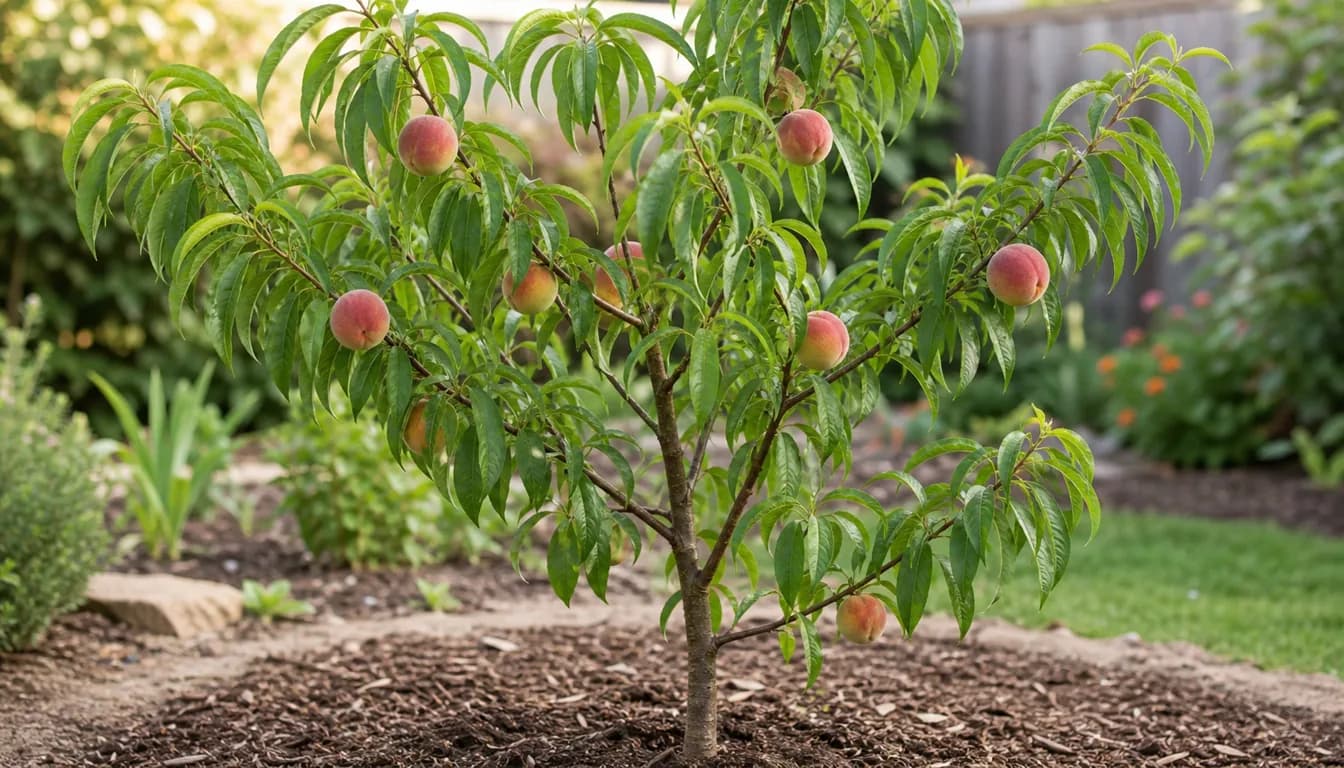
Peach trees are fast-bearing backyard fruit trees, but they are not plant-and-forget trees. Match the cultivar to your chill hours, give full sun and fast drain
 Fruits
Avocado Tree
Avocado tree is a subtropical evergreen fruit tree for frost-free gardens, warm patios, and bright indoor overwintering. It can be rewarding, but fruit producti
quiz
Frequently Asked Questions
Can lemon trees grow indoors?expand_more
Lemon trees can grow indoors if they get very bright light, excellent drainage, and careful winter watering. Trees that spend summer outdoors usually fruit better.
How long does a lemon tree take to fruit?expand_more
A grafted lemon tree may fruit in 2-3 years under good care. Seed-grown trees can take much longer and may produce unpredictable fruit.
How much sun does a lemon tree need?expand_more
Lemon trees need 6-8 or more hours of direct sun for strong bloom and fruiting. Indoors, use the brightest window plus grow light if needed.
Do lemon trees need special fertilizer?expand_more
Lemon trees benefit from citrus fertilizer with micronutrients during active growth. Avoid heavy feeding in low-light winter conditions.
Why is my lemon tree dropping leaves indoors?expand_more
A lemon tree may drop leaves indoors from low light, overwatering, cold drafts, dry air, or pests. Check light and drainage first.
Are lemon trees safe for pets?expand_more
Lemon trees are not ideal pet-safe plants. Fruit flesh is used in food, but leaves, stems, peels, and oils can upset pets if chewed or eaten.
menu_book