verifiedSource Reviewed
Garden Phlox for Long Summer Color
Phlox paniculata
Family: Polemoniaceae
wb_sunnyLight
full sun to light afternoon shade
water_dropWater
Moderate, prefers consistent moisture
heightHeight
2-4 ft tall at maturity
publicZone
Hardy in USDA Zones 3-9
petsPet Safety
Pet Safe

Native Region
Eastern North America
biotechGrow Garden Phlox for Fragrant Summer Height
Tall summer bloomers that shrug off deep freezes are rare in Zone 3-4 gardens, but garden phlox fits that job easily. Thick, fibrous roots ride out winter, then send up sturdy, leafy stems in late spring.
In Zone 7-9 heat, these same stems top out around 2-4 ft tall and carry big, fragrant flower clusters called panicles. Each panicle is packed with dozens of star-shaped blooms that can cover a bed in color.
Across its native range in eastern North America, Phlox paniculata grows in open meadows and woodland edges. That mix of bright light and decent soil moisture explains why it thrives in well-watered, sunny borders at home.
In mixed perennial beds, garden phlox behaves like a vertical accent, similar in height to coneflower or purple coneflower types. Clumps slowly widen to 1.5-2 ft across, making a dense block of stems rather than a running groundcover.
The upright stems make Garden Phlox a middle-or-back border plant, not a low filler. Put it where the flower heads can rise through shorter companions and where you can still reach the base for thinning.
palettePick Phlox by Mildew Resistance and Bloom Window
Older phlox varieties still perform well in cooler Zone 3-5 gardens, but newer mildew-resistant lines save work. Names change often, so look for tags that state "powdery mildew resistant" rather than chasing one specific series.
In warmer zones such as Zone 8-9, mildew resistance matters even more because humid nights can coat leaves in white fuzz. Shorter, compact cultivars also hold up better in heat and stay closer to 2-3 ft instead of flopping over neighbors.
For color schemes, pure white forms partner well with hydrangea and hosta foliage in part shade. Hot pinks and magentas mix nicely with black-eyed Susan and airy Russian sage in sunny borders.
Fragrant cultivars are worth seeking out if you stand near your beds in the evening. Many modern selections still carry a strong, sweet scent that draws in butterflies and complements other pollinator plants like classic butterfly garden mixes.
Guide — See AlsoAir Purifying Plants for Cleaner Indoor AirLearn how to pick, place, and care for air purifying plants so they help your indoor air instead of just looking pretty.
chevron_rightwb_sunnySun Builds Bloom, Airflow Keeps Leaves Clean
Full sun is your friend in Zone 3-6, and garden phlox rewards 6-8 hours of direct light with strong stems and heavy bloom. Cool nights in these regions help the plants recover even after bright, open exposure.
In Zone 7-9, all-day blazing sun can bake shallow roots and scorch foliage. A site with morning sun and light afternoon shade, or dappled shade after 2 p.m., keeps blooms bright without crisping the leaves.
In deep shade, comparable to the low-light corners used for houseplants like tough snake plant, garden phlox grows tall, weak, and sparse. Stems stretch, flop, and bloom very lightly, if at all.
In humid regions, good air flow matters as much as sun. Space clumps so light can reach the lower leaves, and avoid tucking phlox directly behind solid shrubs like tall arborvitae screens where air stagnates and mildew settles in.
- check_circleAim for 6+ hours of direct sun in Zone 3-6
- check_circleProvide afternoon shade in Zone 8-9 to prevent scorch
- check_circleAvoid solid shade where stems stretch and flop
- check_circleKeep at least 18-24 inches between clumps for airflow
Email Updates
Join the KnowTheYard update list
Zone-specific advice, seasonal reminders, and new plant guides — no filler.
water_dropWater Roots Without Feeding Mildew
Deep, less frequent watering works best in cooler Zone 3-5 gardens. A thorough soak once a week in average weather, reaching 6-8 inches deep in the soil, keeps roots happy without staying soggy.
In hotter zones like Zone 8-9, shallow daily sprinkles cause more problems than they solve. Roots stay near the surface, plants stress between waterings, and powdery mildew loves the constantly damp foliage.
In any zone, water at the base of the plant early in the day, just like you might for vegetables such as thirsty tomato vines. Soaker hoses or drip lines are ideal because they keep leaves dry and reduce disease.
In sandy soils, garden phlox may need water every 3-4 days during heat waves, while heavier clay holds moisture longer. Check soil 2 inches down, and water only when it feels dry instead of following a rigid schedule.
Overhead watering is not automatically fatal, but timing decides the outcome. Morning water can dry off the leaves; evening water leaves a damp canopy that helps mildew spread from lower leaves upward.
lightbulbQuick moisture check
Push your finger 2 inches into the soil beside the clump. If it feels dry at that depth, water slowly until the top 6 inches are moist, then let the bed drain fully before watering again.
Guide — See AlsoBest Herbs to Grow Indoors for Real Harvests, Not Spindly PotsChoose indoor herbs that can actually produce in your light, temperature, and container setup, then match each one to th
chevron_right
potted_plantFeed Stems, But Do Not Bury the Crown
Garden phlox survives cold in Zone 3-5 clay soils, but winter wet is the harder problem. Raised beds or gently mounded rows help excess water drain away from the crown, keeping roots from rotting during freeze-thaw swings.
In Zone 7-9 sandy or lean soils, the challenge flips to fast drying and low nutrients. Mixing in 2-3 inches of compost before planting improves water holding and gives phlox something closer to the fertile loams favored by shrubs like traditional lilac hedges.
In any zone, a slightly acidic to neutral pH 6.0-7.0 suits Phlox paniculata. You do not need perfectly lab-grade soil, but very alkaline conditions, like those that stress azalea, can reduce vigor and flower production.
In mixed borders, mulch around plants with 2-3 inches of shredded bark, keeping it a couple inches off the stems. Mulch evens out soil moisture like it does for clump-forming daylily, and it also helps keep soil from splashing diseases onto leaves.
Ideal soil textureLoamy soil with good drainage, improved with 2-3 inches of compost
Soil pH rangePrefers 6.0-7.0 (slightly acidic to neutral)
Planting depthSet crowns at soil level, not buried deeper
Mulch thickness2-3 inches of organic mulch, kept off the stems
account_treeDivide Before the Center Thins Out
Spring in Zone 3-9 is prime time to multiply clumps of Phlox paniculata by division before stems stretch tall. Cool soil and mild air help new root systems settle without constant wilting stress.
Fall division also works well, especially in warmer spots like zone 8 beds, as long as you finish a month before the ground freezes so roots can reestablish.
For division, water the clump the day before, then dig a wide circle so you keep as much root as possible. Use a sharp spade or garden knife to split the crown into sections, each with 3–5 shoots and a solid root mass.
Replant divisions at the same depth they grew before and space them 18–24 inches apart. Firm soil around the roots and water deeply so no air pockets remain, then mulch lightly to hold moisture.
A division that carries two or three strong shoots is easier to replant than a huge woody chunk. Smaller pieces settle faster and let you reset spacing before the next humid summer closes the canopy again.
lightbulbFastest propagation method
Division gives blooming-size plants the same season, while cuttings are better for quickly increasing a favorite mildew-resistant cultivar.
Guide — See AlsoBest Indoor Plants for Every Room and Light LevelA practical guide to choosing the best indoor plants for your home, covering beginner-friendly picks, low light champion
chevron_rightpest_controlPut Powdery Mildew First in the Diagnosis
Summer heat, especially in humid regions like Zone 6-8, brings out the main troubles for garden phlox, from powdery mildew to leaf-eating insects. Stressed, crowded plants draw pests faster than healthy, airy clumps.
Many of the same conditions that invite pests on vegetables, such as soggy foliage and tight spacing, also cause problems here, so any experience you have controlling issues in a vegetable patch will transfer over.
pest_controlSpider mites
Show up in hot, dry spells. Look for fine stippling, dull leaves, and webbing on undersides. A strong hose blast every few days and better moisture levels usually knock them back.
pest_controlAphids
Cluster on tender shoots and flower buds, leaving sticky honeydew. Wash them off with water, then follow up with insecticidal soap if they return in large numbers.
pest_controlPowdery mildew
Technically a disease, but it is the number-one cosmetic issue. White, talc-like coating starts on lower leaves in mid to late summer, especially where air does not move well.
pest_controlLeaf spots
Brown or purplish spots appear in wet summers. Remove and trash badly spotted leaves, water at soil level, and thin crowded stems to dry plants faster after rain.
In a mixed flower bed, pair phlox with taller, airy plants like Russian sage stems that allow breezes through, which helps keep mildew and leaf diseases in check.
warningPowdery mildew reality check
Even resistant varieties can show some mildew in wet or muggy summers. Focus on spacing, sun, and removing the worst leaves so the clumps still look good from a normal viewing distance.
For severe mite or aphid outbreaks, spot-treat only affected plants with insecticidal soap or neem and spray in the evening. That timing reduces risk to pollinators using your phlox and nearby flowers like salvia spikes.
calendar_monthStagger Bloom Instead of Forcing One Big Flush
Spring care sets up phlox for taller stems and better flower heads, especially in cooler places like Zone 5 gardens where the growing season is shorter.
As soon as new shoots are a few inches tall, weed around the clumps and top-dress with 1–2 inches of compost. Then add a light mulch layer, keeping it an inch away from the stems to avoid crown rot.
Early summer is the time to pinch or lightly cut back the tallest stems by 2–3 inches if you want stockier plants. This can delay bloom slightly but often gives bushier growth and more flower clusters.
Through summer, water deeply during dry spells so the top 6–8 inches of soil are moist, then let the surface dry a bit. Deep watering once or twice a week beats frequent sprinkles and matches advice for other thirsty bloomers like hydrangea shrubs.
- check_circleSpring: Feed lightly with compost and apply mulch.
- check_circleEarly summer: Pinch or trim for bushier, shorter plants.
- check_circleSummer: Water deeply during drought and deadhead often.
- check_circleFall: Cut back after frost and remove diseased foliage.
- check_circleWinter: Check mulch depth and watch for frost heave in exposed beds.
Guide — See AlsoBlue Flowers: Plan Beds That Actually Look BlueLearn how to choose, place, and care for blue flowers so your beds read as blue in real life, not purple or gray, from z
chevron_righthealth_and_safetyFragrance, Pollinators, and Pet-Safe Borders
Summer flower spikes draw butterflies, bees, and even hummingbirds in every region from Zone 4 through Zone 9. Long, tubular florets are easy for pollinators to work, especially when grouped in drifts.
Garden phlox is not known as a highly toxic plant for people, but kids and pets should not snack on ornamentals in general. If you want plants that are specifically grown as safe house companions, focus on options like a spider plant indoors instead.
In terms of wildlife, deer and rabbits will nibble phlox foliage in many areas, especially in spring when growth is tender. In heavy browsing zones, tuck it among less tasty perennials like astilbe clumps to reduce damage.
Garden phlox is native to parts of North America and behaves well in beds when you deadhead and divide clumps every few years. It does not spread aggressively like some problematic shrubs such as privet hedges.
Because the plant is grown for scent as much as color, site it near a path or seating edge instead of hiding it deep in a wide bed. That placement also makes mildew checks quicker.
infoEcological value
Mid to late summer blooms bridge a nectar gap between spring bulbs and fall asters, which helps support local pollinator populations when other food sources are thin.
eco
Keep Exploring
Related Plants
 Perennials
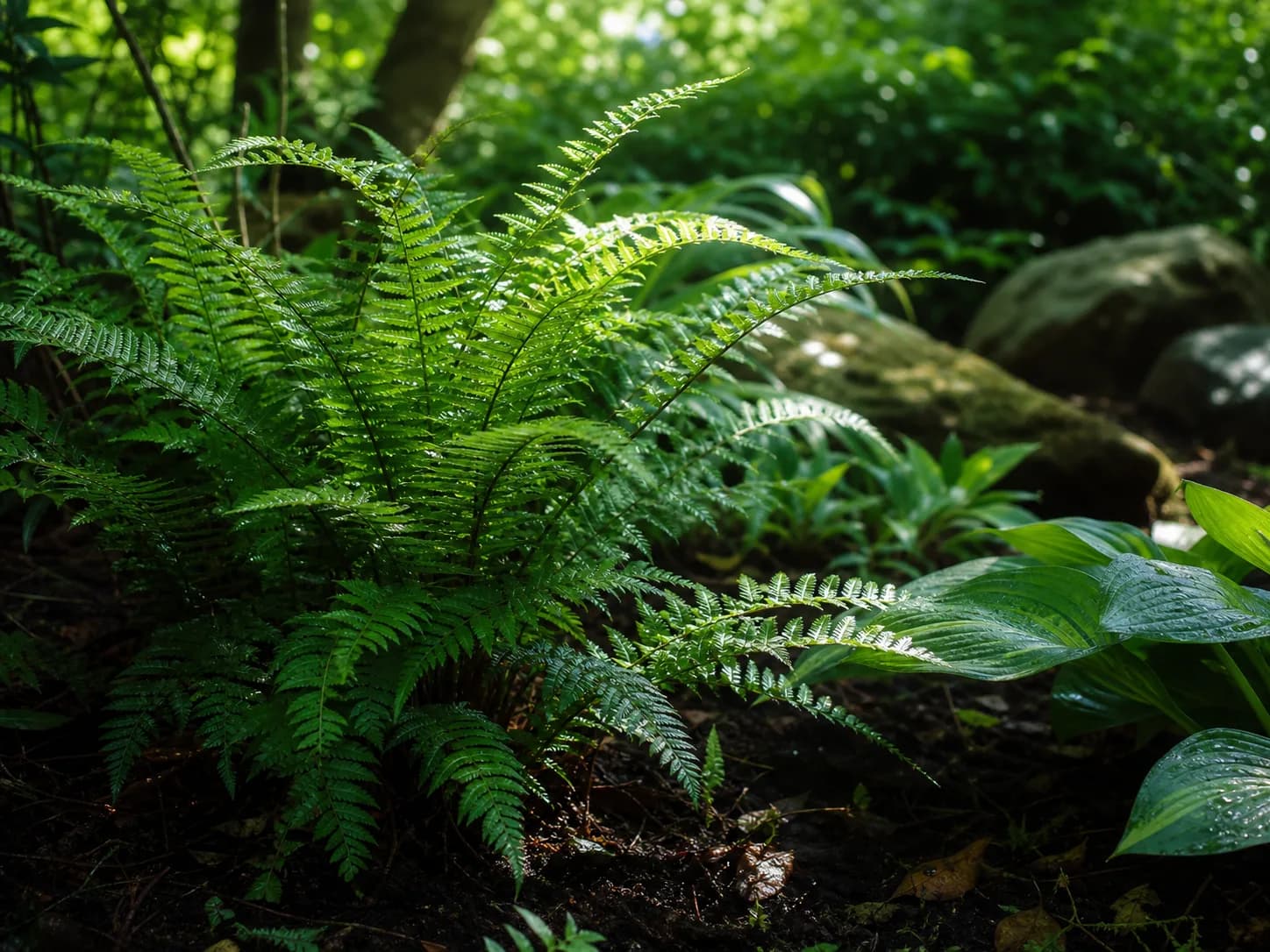
Fern
Ferns earn their place with texture, shade tolerance, and a calm green presence that softens woodland edges, foundation beds, and damp corners where flowers
 Perennials
Coneflower
Many gardeners overwater and overpamper Coneflower (Echinacea purpurea), then wonder why it flops or rots. This tough summer-blooming perennial prefers lean
 Perennials
Elephant Ear
Elephant Ear is a tropical aroid grown for oversized, shield-shaped leaves. It behaves like a wet-soil foliage perennial in warm zones and like a tender cor
quiz
Frequently Asked Questions
Does garden phlox come back every year?expand_more
Yes, garden phlox is a hardy perennial in Zones 3-9 and returns from its root system each spring. Cut stems back after frost, mulch lightly in colder zones, and the clumps will resprout once soil warms.
How tall does Phlox paniculata grow?expand_more
Most garden phlox cultivars reach 2-4 ft tall and about 1.5-2 ft wide. Shorter border types stay closer to 18-24 inches, which works well at the front of beds or in smaller city gardens.
Will phlox grow in part shade?expand_more
Phlox tolerates light shade, especially afternoon shade in Zone 7-9 heat, but blooms best with at least 4-6 hours of direct sun. In deep shade, expect fewer flowers, weaker stems, and more issues with powdery mildew.
How often should I divide garden phlox?expand_more
Plan to divide garden phlox every 3–5 years. Division in early spring or early fall keeps clumps vigorous, helps control powdery mildew, and lets you spread favorite varieties around your yard.
Why does my phlox flop over in midsummer?expand_more
Flopping usually comes from rich soil, shade, or low pinching early in the season. Give plants full sun, avoid over-fertilizing, and pinch or cut stems back lightly in late spring so they grow stockier.
Is garden phlox good for pollinators?expand_more
Yes, Phlox paniculata is excellent for bees, butterflies, and hummingbirds. Long-blooming clumps in Zone 3-9 fill a nectar gap in midsummer, especially when paired with other pollinator plants like coneflower patches.
menu_book
Sources & References
- 1.Phlox paniculata, Missouri Botanical Garden Plant Finderopen_in_new
- 2.Phlox in the Garden, Cornell Cooperative Extensionopen_in_new
- 3.Powdery Mildew on Ornamentals, Penn State Extensionopen_in_new
- 4.Missouri Botanical Garden Plant Finder, Phlox paniculataopen_in_new
- 5.North Carolina State Extension, Garden Phloxopen_in_new
- 6.University of Minnesota Extension, Powdery Mildew on Ornamental Plantsopen_in_new
- 7.Clemson Cooperative Extension, Phlox in the Gardenopen_in_new