
Yard & Garden Guides
Choose the job you need to complete, then follow a practical guide from preparation through the final check.
Build skill in a useful order


Find the right instructions
146 matching guides
Search and filter guides
About search and filters
Search checks guide titles, introductions, and summaries. Topic narrows the task, reading depth uses the listed minutes, and sort uses update date, title, or reading time.
Common questions
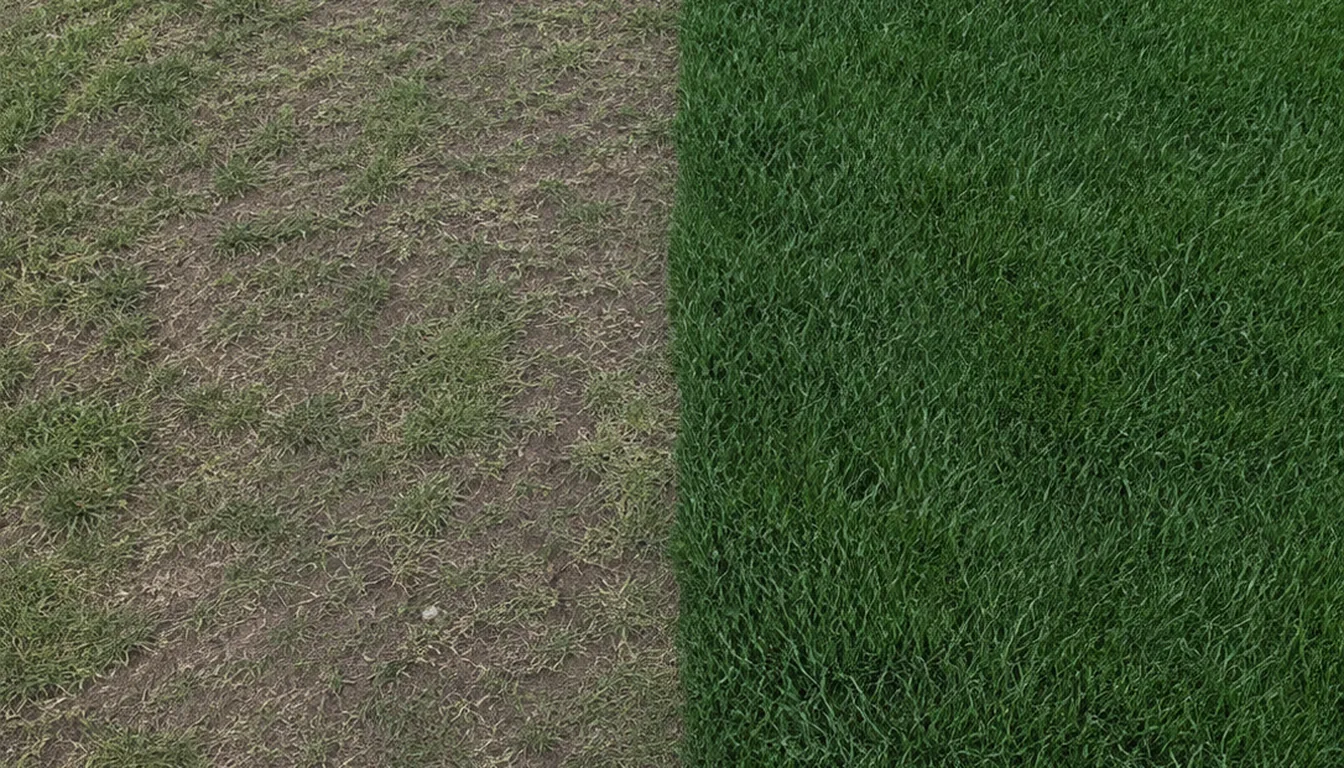
Is overseeding worth it if a lawn is mostly weeds?
Usually not. Penn State's program for a lawn with under half desirable grass, or with perennial weed grasses, kills the existing vegetation first. Glyphosate kills grass and weeds within about 14 to 21 days, and seeding waits until a good kill is obvious.
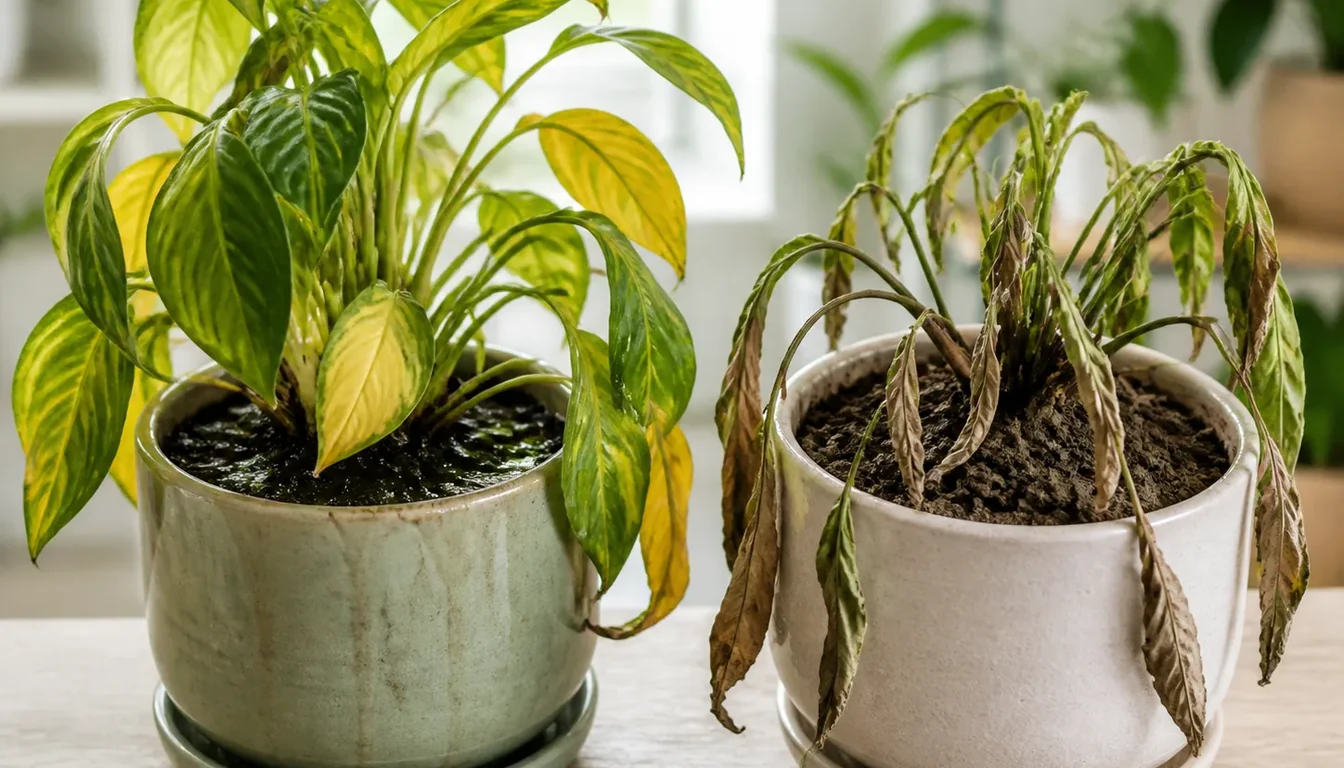
Can an overwatered plant look like it needs water?
Yes. Roots that sat in wet soil rot, and with fewer roots the stems and leaves cannot get enough water, so the plant wilts. Wisconsin Extension notes that gardeners often become aware of root rot when a plant is wilted even though the soil is wet, so check the mix and the roots before you water.
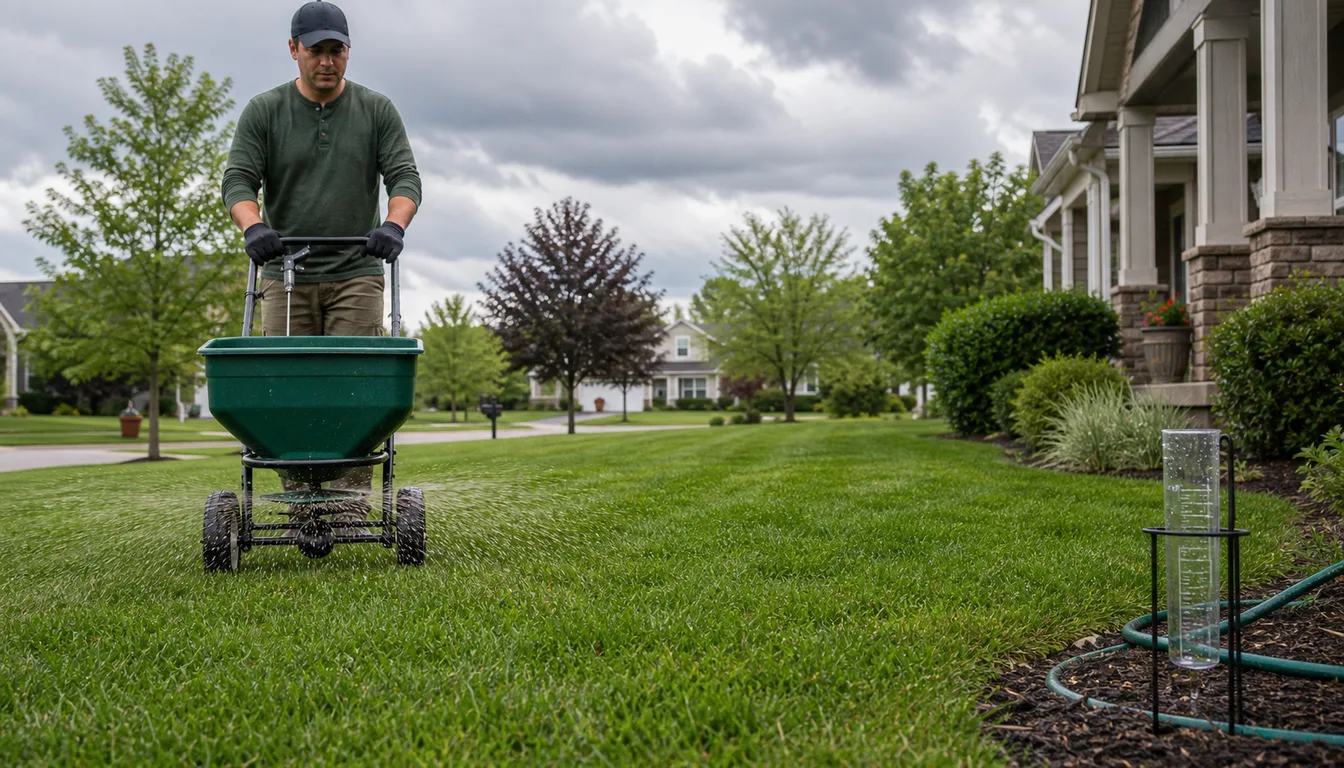
Is it better to fertilize a lawn before or after rain?
Just before a light rain is ideal, and so is watering the lawn in right after you spread. Skip the day when moderate to heavy rain is likely within 24 hours, because it washes away some of the fertilizer before the lawn can use it. When the forecast is hard to read, spread about 24 hours after a soaking rain or an irrigation.
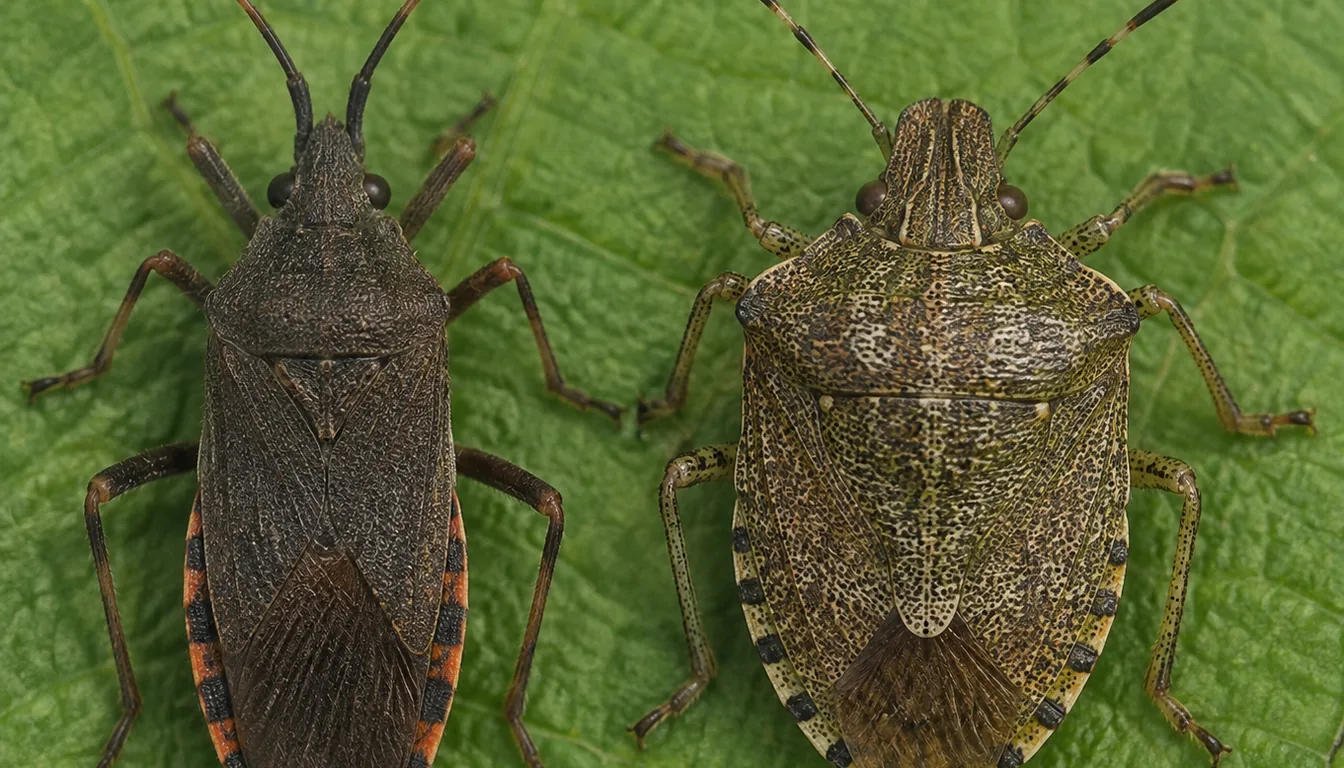
Do squash bugs and stink bugs eat the same plants?
Pumpkin and squash are the most attractive hosts for squash bugs, and cucumbers, melons and gourds are less attractive. Stink bugs feed on many plants, including beans, okra pods, ripening tomatoes and peppers, and the stems of melons and asparagus.
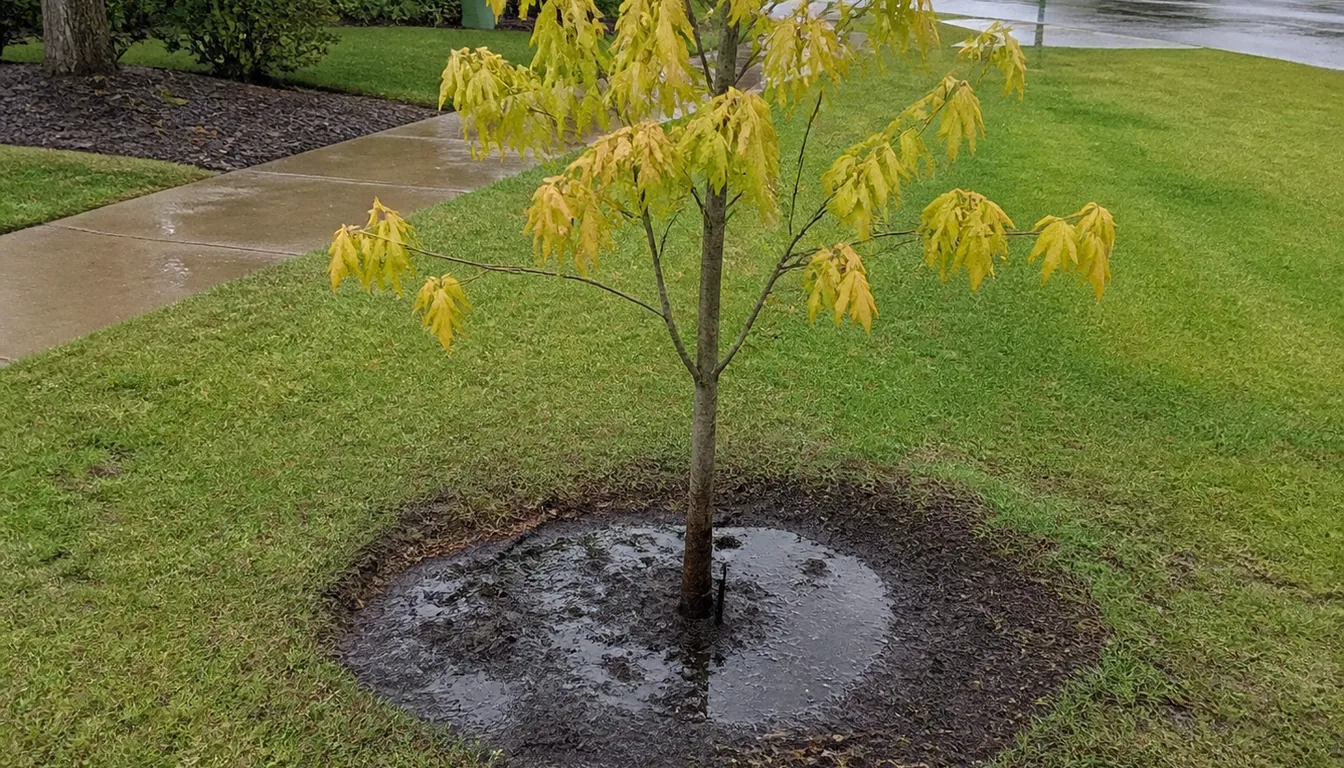
How can I tell if my tree is overwatered or just dry?
Read the soil 6 to 9 inches down under the canopy. Soil that is constantly damp, with young leaves turning light green or yellow and young shoots wilted, points to overwatering. Soil that is dry at that depth, with older leaves turning yellow or brown and leaves wilted or curled, points to underwatering.
From What Are Overwatered Tree Signs? Waterlogging Injury May Lag a Year or More
Connect instructions to your yard
How to use this library
- Pick the task you need to finish.
- Check timing and required tools.
- Follow the steps, then use the final checks.
A year of yard work
Spring
- Start seeds indoors 6 to 8 weeks before your last frost.
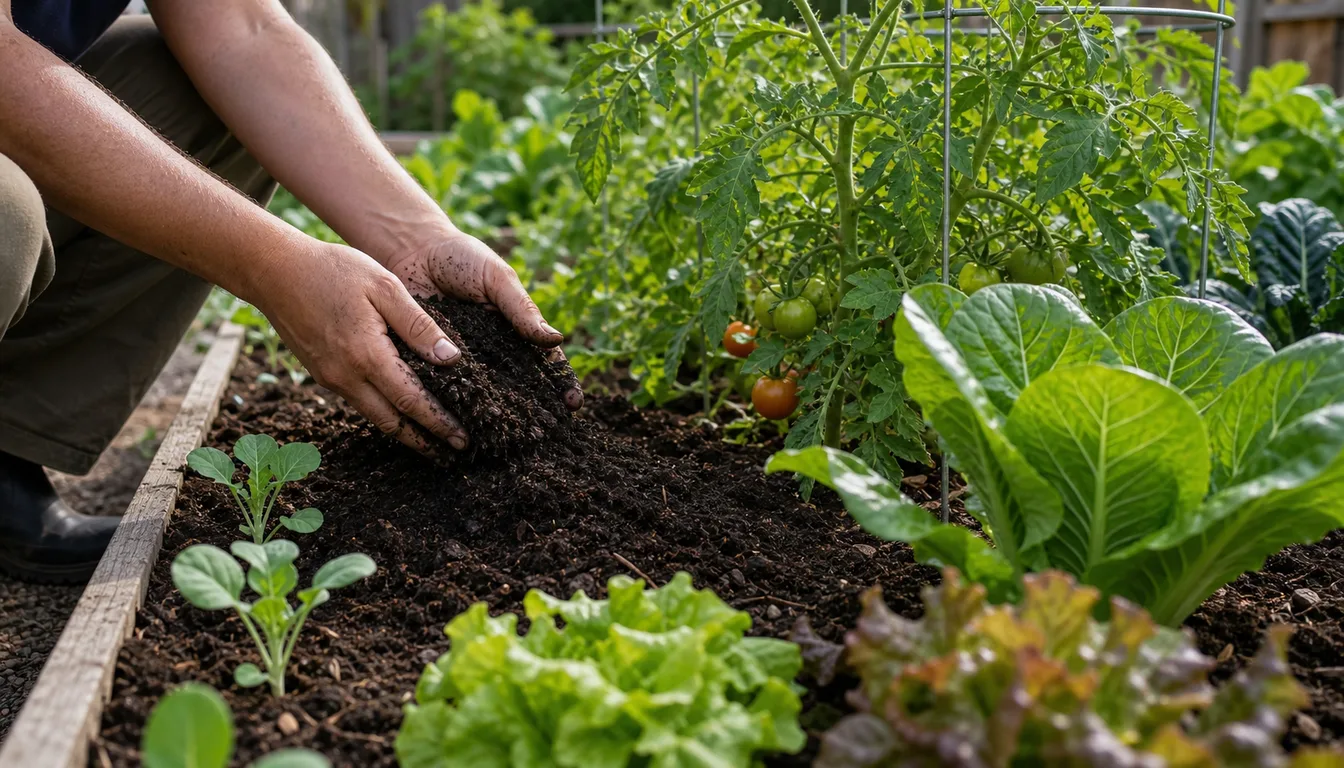
- Test soil pH and work compost into beds.
- Prune trees and shrubs before new growth starts.
- Check new leaves weekly for aphids and slugs.
Summer
- Water deeply twice a week instead of a little every day.
- Keep 2 to 3 inches of mulch over the roots.
- Pick vegetables and herbs often so plants keep producing.
- Check tomatoes and squash daily for hornworms and squash bugs.
Fall
- Sow lettuce, spinach, kale, and radishes for a cool-season crop.
- Plant trees and shrubs while the soil is still warm.
- Spread compost on empty beds before winter.
- Plant tulip and daffodil bulbs 6 weeks before hard frost.
Winter
- Note what grew well and order seeds early.
- Sharpen, clean, and oil your garden tools.
- Water houseplants less and keep them away from heaters.
- Mulch tender perennials and wrap young tree trunks.
Keep exploring

How every guide is made

KnowTheYard Editorial publishes every guide, with its sources and last-changed date on the page.