
Yard & Garden Guides
Choose the job you need to complete, then follow a practical guide from preparation through the final check.
Build skill in a useful order
Find the right instructions
146 matching guides
Search and filter guides
About search and filters
Search checks guide titles, introductions, and summaries. Topic narrows the task, reading depth uses the listed minutes, and sort uses update date, title, or reading time.
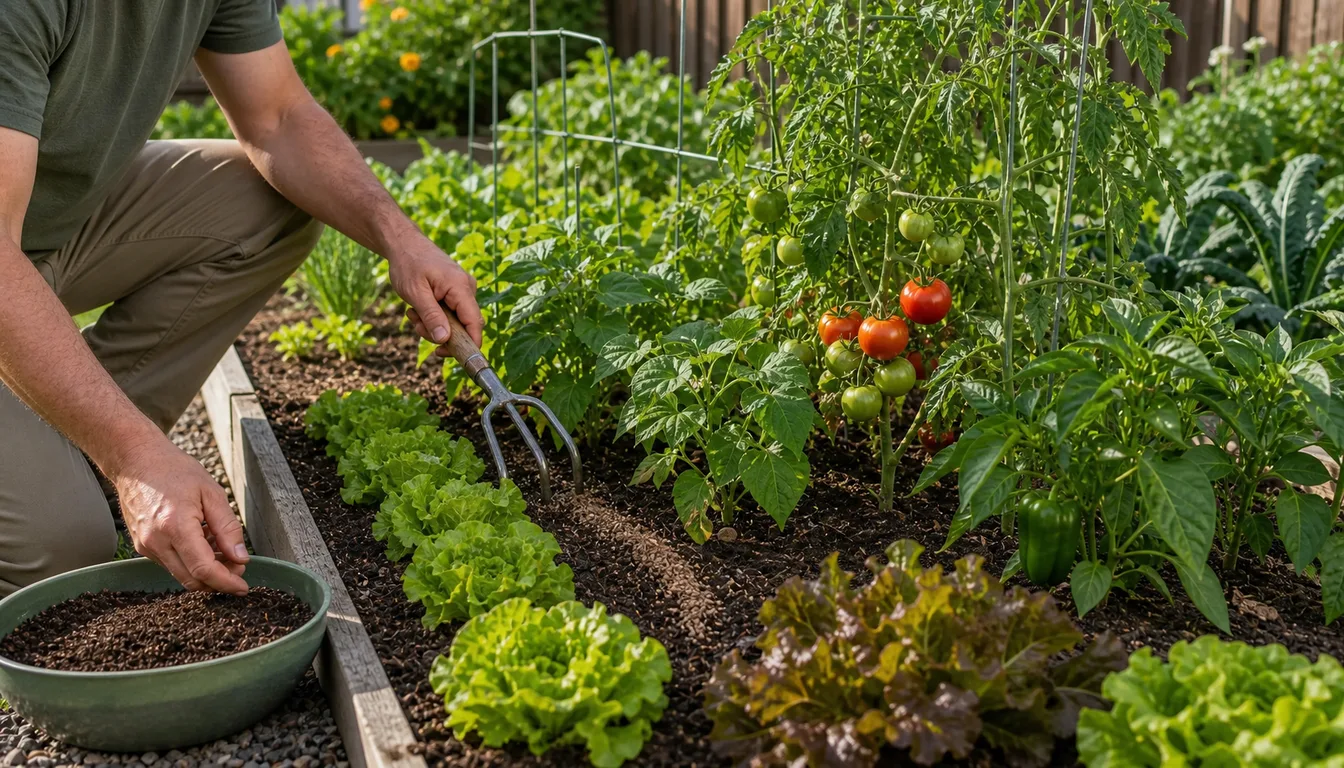
How to Fertilize a Vegetable Garden for Maximum Yield
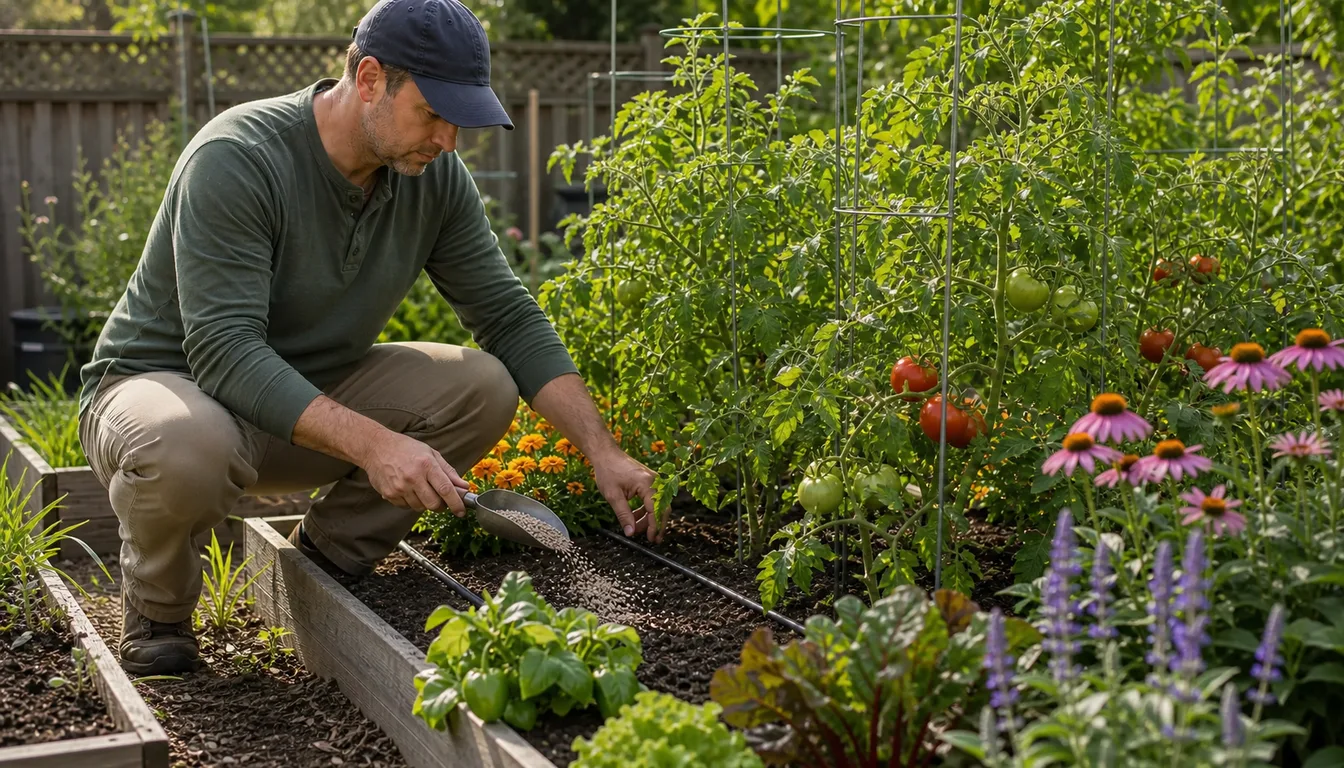
How to Fertilize Tomatoes Without Overfeeding
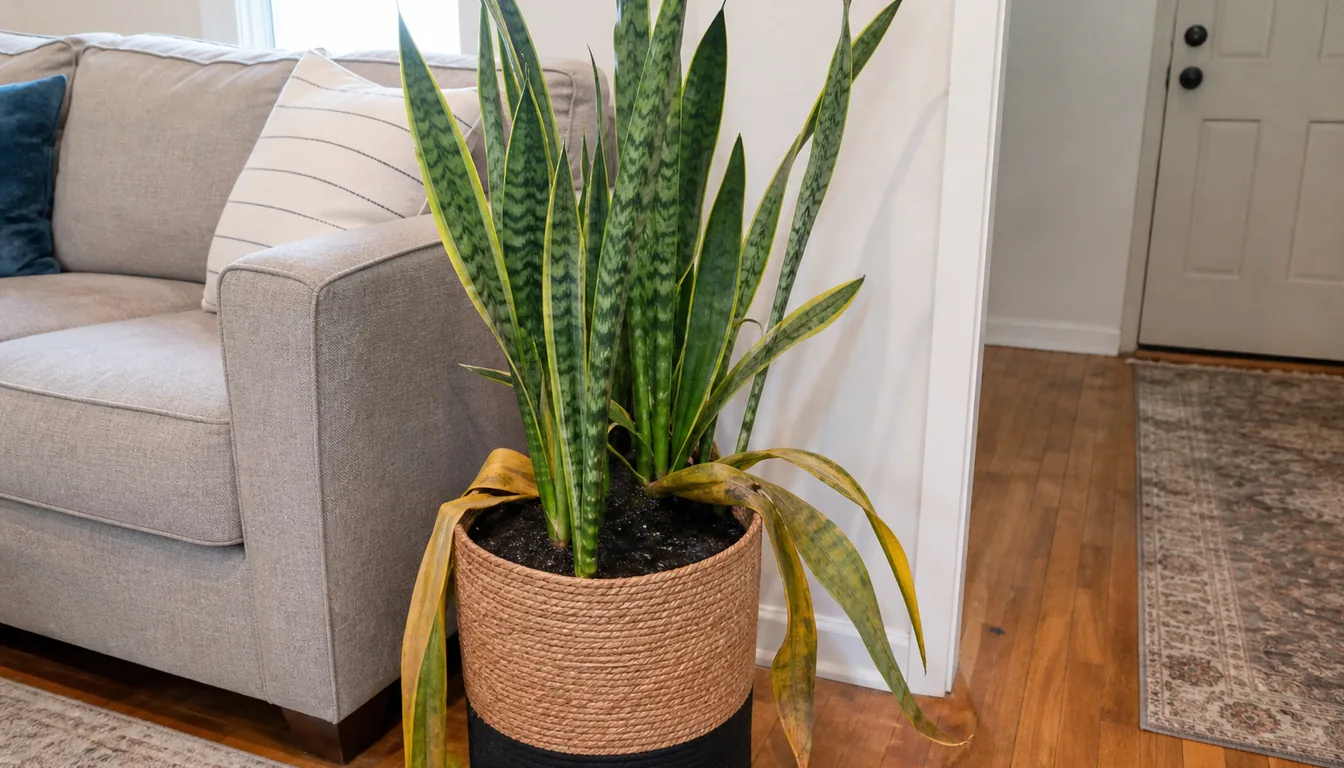
How to Fix an Overwatered Plant Without Damaging More Roots
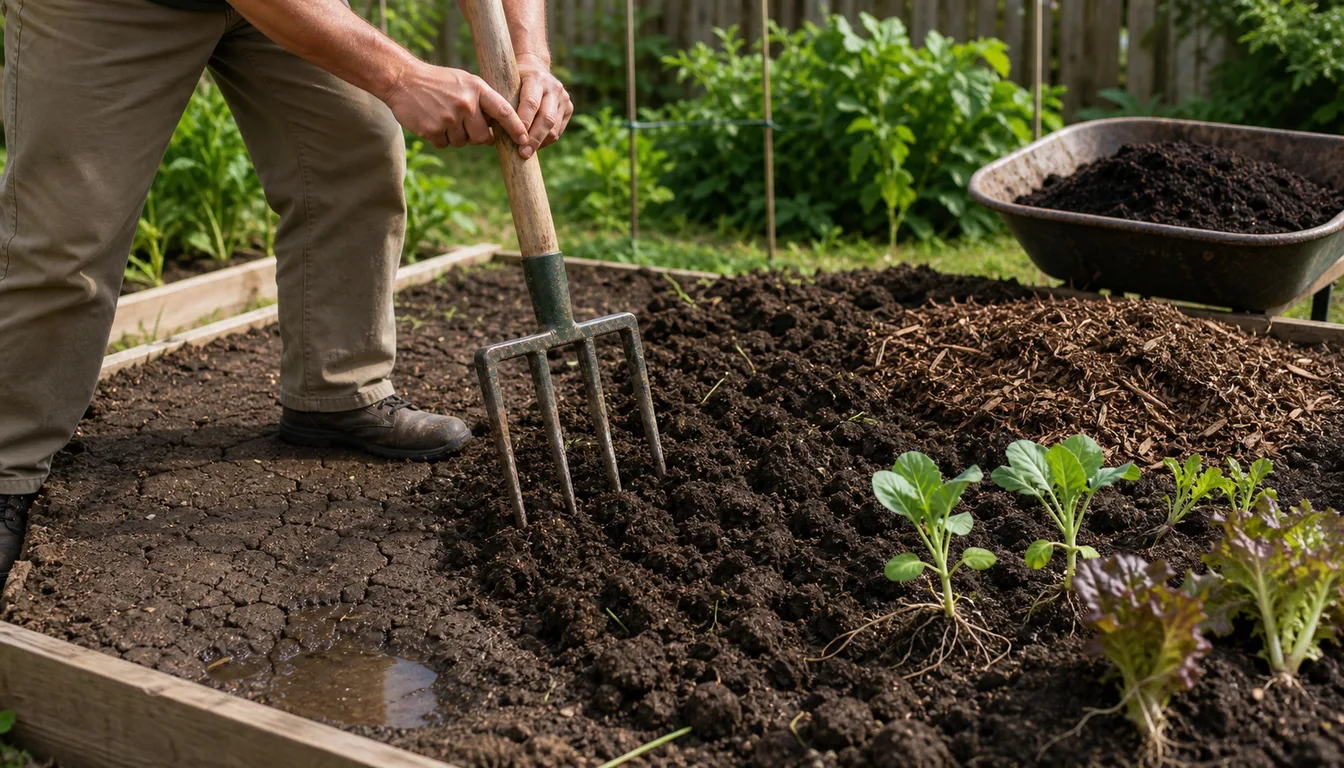
How to Fix Compacted Soil for Healthier Roots
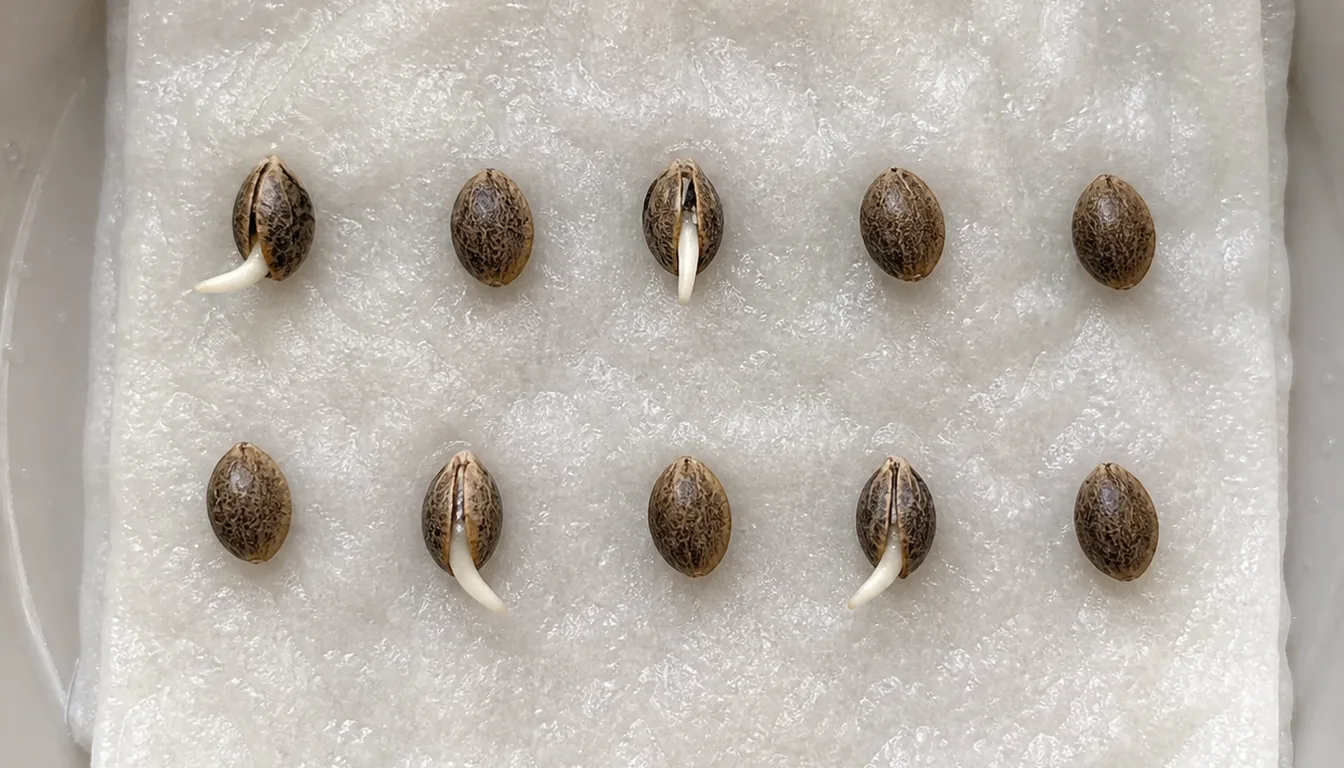
How to Germinate Old Seeds After a Quick Viability Test
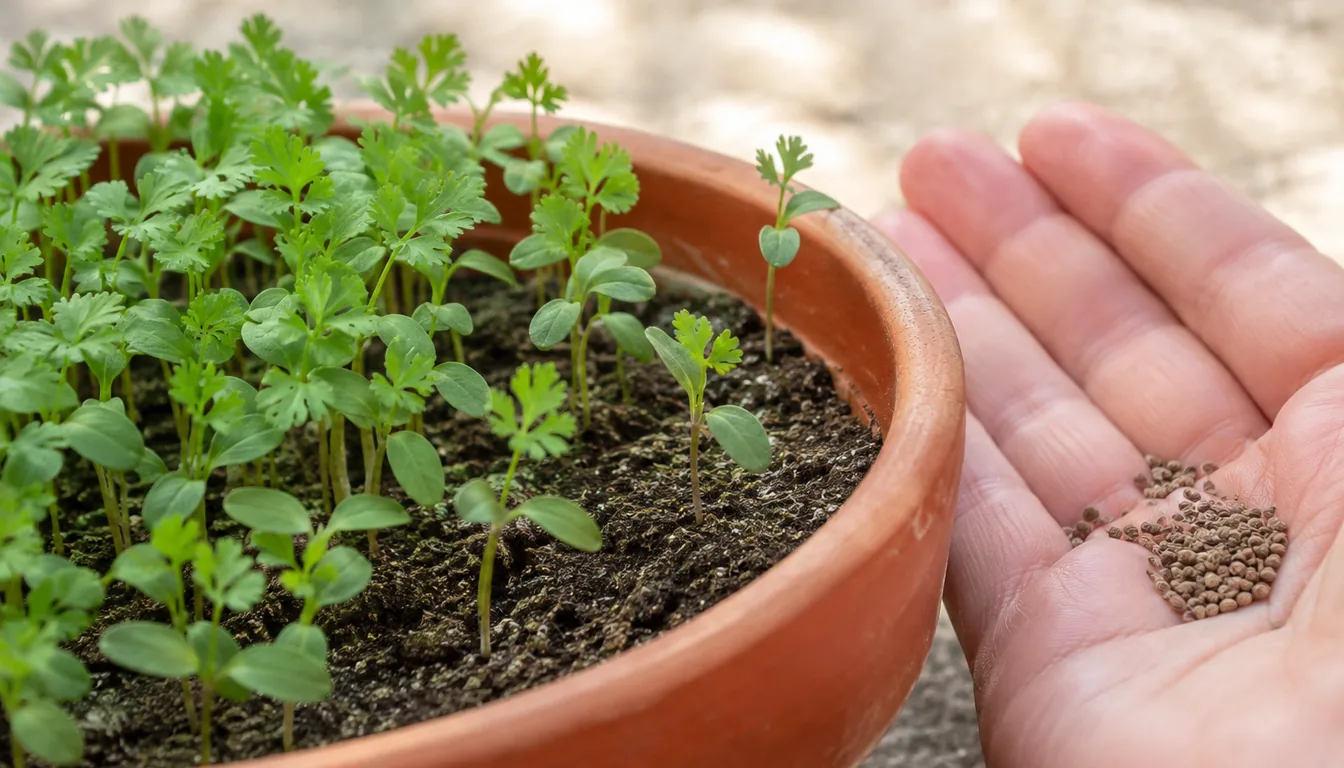
How to Grow Parsley From Seed When Germination Takes Weeks
Common questions
Can I use lawn fertilizer on my vegetable garden?
Not if it contains a weed killer. Weed-and-feed products may kill vegetable plants, so read the bag and use a product without a herbicide.
What is the best fertilizer ratio for tomatoes?
The soil test decides. Where phosphorus and potassium test high, a nitrogen-only fertilizer fits, and Minnesota advises a low- or no-phosphorus fertilizer unless the report recommends more. Without a test, a general fallback for a vegetable garden is 1.75 pounds of 10-10-10 per 100 square feet for the season.
Can an overwatered plant recover without repotting?
Often, yes. Many houseplants recover quickly once their growing conditions improve. If the roots are white and firm, empty the saucer and let the mix dry until a finger an inch down comes out only slightly moist. If the plant keeps wilting while the mix stays wet, pull it out and look at the roots.
From How to Fix an Overwatered Plant Without Damaging More Roots
How long does it take to fix compacted soil?
Light compaction improves gradually when you topdress with compost, because earthworms pull it down into the soil. Heavy compaction takes longer. In Minnesota research on farm soil packed by axle loads of 10 tons or more, yields on the compacted soil approached those on uncompacted soil after two to seven years, depending on soil and climate, and clay soils recovered more slowly.
How long do vegetable seeds stay viable?
It depends on the crop and how the seed was stored. Iowa State, South Dakota State and Illinois Extension agree on two years for corn and pepper, three for bean, pea and carrot, four for beet and tomato, and five for radish. They differ on onion, parsley and parsnip, which are one year for Illinois and two for South Dakota State.
From How to Germinate Old Seeds After a Quick Viability Test
Connect instructions to your yard
How to use this library
- Pick the task you need to finish.
- Check timing and required tools.
- Follow the steps, then use the final checks.
A year of yard work
Spring
- Start seeds indoors 6 to 8 weeks before your last frost.
- Test soil pH and work compost into beds.
- Prune trees and shrubs before new growth starts.
- Check new leaves weekly for aphids and slugs.
Summer
- Water deeply twice a week instead of a little every day.
- Keep 2 to 3 inches of mulch over the roots.
- Pick vegetables and herbs often so plants keep producing.
- Check tomatoes and squash daily for hornworms and squash bugs.
Fall
- Sow lettuce, spinach, kale, and radishes for a cool-season crop.
- Plant trees and shrubs while the soil is still warm.
- Spread compost on empty beds before winter.
- Plant tulip and daffodil bulbs 6 weeks before hard frost.
Winter
- Note what grew well and order seeds early.
- Sharpen, clean, and oil your garden tools.
- Water houseplants less and keep them away from heaters.
- Mulch tender perennials and wrap young tree trunks.
Keep exploring
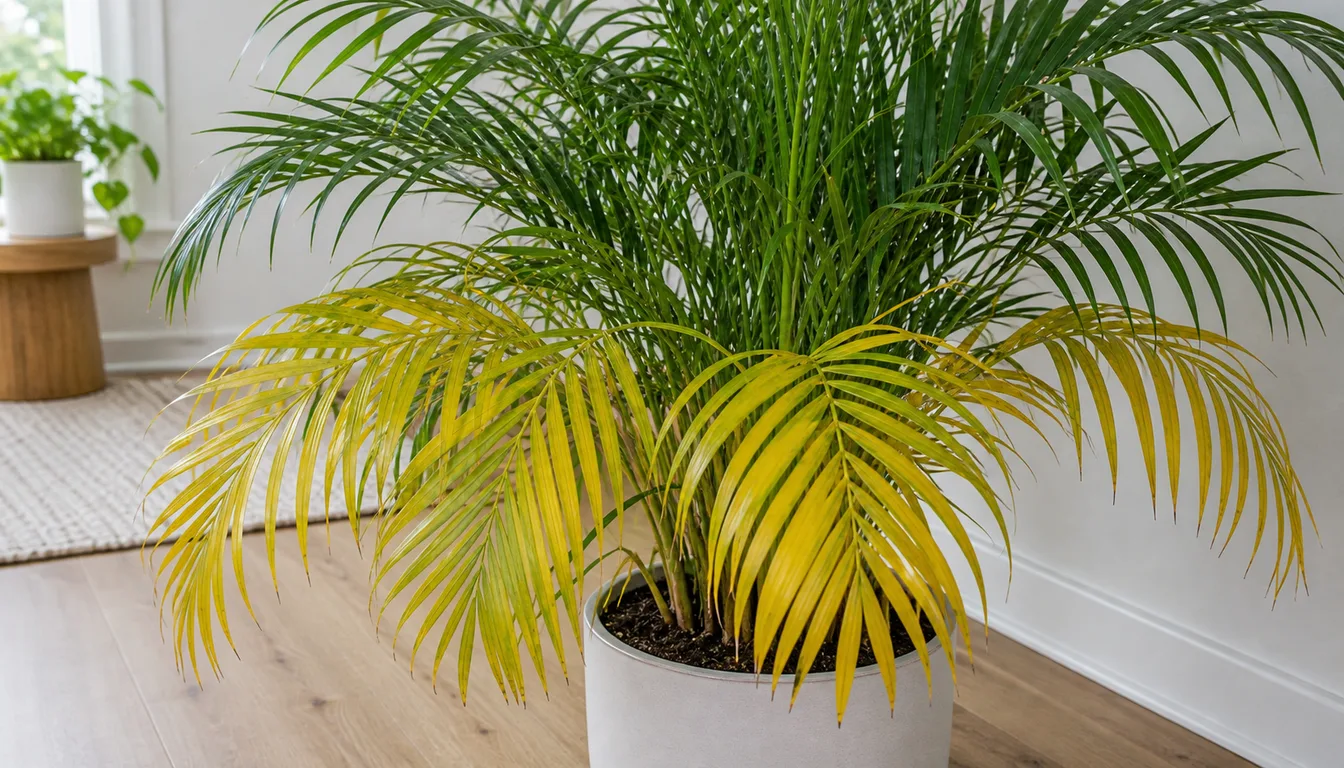
Plant problems
Match a symptom to its likely cause before you treat.
Plant comparisons
Side-by-side checks for two close options.
Houseplants
Indoor plants sorted by light, water and pet safety. 74 plant profiles.
How every guide is made

KnowTheYard Editorial publishes every guide, with its sources and last-changed date on the page.