verifiedSource Reviewed
Sunflower: Easy Annual Color, Seeds, and Summer Height
Helianthus annuus
Family: Asteraceae
wb_sunnyLight
Full sun, 6-8+ hours
water_dropWater
Moderate while establishing; drought tolerant later
heightHeight
1-12 feet depending on variety
publicZone
Grown as a warm-season annual in most zones
petsPet Safety
Pet Safe

Native Region
North America
ecoWhat Sunflowers Are Best At
In garden terms, Sunflower is a warm-season annual, so one seed can become a full plant, bloom, set seed, and finish in a single growing season. That speed is the reason it works in vegetable beds, cutting rows, kids' gardens, and temporary privacy screens.
The species can be short and branching or tall and single-headed. A dwarf pot cultivar may stay under 2 feet, while a giant seed type can rise over 10 feet if it gets open sun, steady moisture early, and enough root room.
Unlike clumping perennials such as Shasta daisies, sunflowers do not return from the same crown. If you see plants the next year, they are usually volunteers from dropped seed.
infoChoose by Use First
Pick giant seed types for birds and harvest, branching types for long bloom, pollen-free types for vases, and dwarf types for containers.
paletteGiant, Branching, Dwarf, and Cut-Flower Types
Giant sunflowers make the biggest statement, but they are not always the best garden plant. They need deeper soil, wider spacing, and protection from strong wind once the heads fill with seed.
Branching types are often more useful in a home border because they bloom over a longer window. They fit naturally with warm annuals like marigolds and lower summer color at the front of the bed.
Pollen-free types solve a vase problem but can reduce seed value for wildlife. If birds, seed saving, or edible kernels matter, include at least a few seed-producing plants instead of planting only florist types.
infoSelection check
For bouquets, choose pollen-free or low-pollen cultivars if clean tabletops matter. For birds and edible seed, choose seed-producing types and leave some heads standing into fall.
A sunflower can be a single giant, a branching cut-flower plant, a pollenless bouquet type, or a seed crop. Choosing among those jobs matters more than choosing the biggest packet photo.
Giant seed typesBest for height, wildlife seed, and dramatic back-row planting
Branching typesBest for longer bloom and casual cutting
Dwarf typesBest for pots, raised beds, and small-space gardens
Pollen-free cutsBest for indoor arrangements, but less useful for seed harvest
Guide — See AlsoAir Purifying Plants for Cleaner Indoor AirLearn how to pick, place, and care for air purifying plants so they help your indoor air instead of just looking pretty.
chevron_rightwb_sunnyFull Sun Means Stronger Stems
The bloom cue is light: Sunflowers need 6-8 or more hours of direct sun for thick stems and full flower heads. Less light gives lanky plants that lean hard toward the brightest opening.
Open exposure matters more as plants get taller. A giant variety planted behind a fence or shrub may reach for light, then snap when the heavy head catches wind.
Use sunflowers with other heat-loving flowers such as lantana. Low, spreading verbena can cover the front edge while the tall stems rise behind it.
Branching cutting types need more side light than a single giant seed head because multiple stems are trying to fill at once. That is why many summer-blooming flowers perform better in open beds than tucked along a shaded fence.
- check_circleBest site: open, south-facing, and away from tree shade.
- check_circleTall types: plant where wind is not funneled between buildings.
- check_circleRows: put tall plants on the north side so they do not shade smaller crops.
- check_circleContainers: rotate pots so stems do not lean one direction.
Email Updates
Join the KnowTheYard update list
Zone-specific advice, seasonal reminders, and new plant guides — no filler.
water_dropWater for Deep Roots, Not Soft Growth
Young sunflowers need consistent moisture until the taproot and side roots take hold. Dry seedlings stall quickly, especially in hot raised beds or sandy soil.
Once plants are established, water deeply when the top few inches dry. The deep watering approach builds stronger anchoring roots than frequent shallow sprinkling.
Too much water and too much nitrogen can make stems lush but weak. If a tall plant grows fast and floppy, check the feeding and watering pattern before blaming the variety.
lightbulbMidday Wilt Is Not Always Drought
Large leaves may droop in intense afternoon heat and recover by evening. Water when soil is dry, not only because leaves sag at noon.
Sunflowers look drought-tough once tall, but the critical window is early root growth and bud formation. Dry stress during those stages shortens plants, reduces head size, and can leave branching types with fewer usable stems.
Guide — See AlsoBest Herbs to Grow Indoors for Real Harvests, Not Spindly PotsChoose indoor herbs that can actually produce in your light, temperature, and container setup, then match each one to th
chevron_right
potted_plantSoil, Spacing, and Feeding
The planting bed matters because Sunflowers tolerate average soil, but they perform best where roots can push down easily. Loosen compacted ground before sowing, especially for tall seed types.
Mix in compost if soil is sandy, crusted, or low in organic matter. Avoid heavy lawn fertilizer; too much nitrogen gives impressive leaves and disappointing heads.
Spacing controls the final look. Close spacing creates a dense screen with smaller heads; wider spacing gives larger plants with sturdier stems and bigger blooms.
For giant types, soil depth is part of wind resistance. A loose, shallow bed can grow height but still fail when a heavy head and summer storm test the roots.
Sunflowers grow in average soil, but giant types need deeper fertility and water than small branching types. A thin, dry bed may still bloom, just with shorter stems and smaller heads.
Dwarf typesSpace 8-12 inches apart in pots or beds
Branching typesSpace 18-24 inches apart for airflow and side blooms
Giant typesSpace 24-36 inches apart for root room and large heads
Screen plantingUse closer spacing, accepting smaller heads for thicker cover
account_treePlanting Sunflowers From Seed
Direct sowing is usually the easiest way to grow sunflowers. Their taproots dislike being kinked, so seedlings started indoors should be moved young and handled by the root ball.
Plant after frost danger passes and soil has warmed. Sow seeds about 1 inch deep, water the row, and protect the area if birds or squirrels dig newly planted seed.
For steady flowers, sow a short row every 10-14 days for several weeks. This same succession mindset is useful in a cut flower garden where one big bloom wave is less helpful than a rolling supply.
Direct sowing usually gives stronger sunflowers than transplanting large seedlings. If you start indoors, move seedlings out young before the taproot coils in the cell.
- 1Prepare a weed-free sunny bed.
- 2Water the soil before sowing if it is dry.
- 3Plant seeds about 1 inch deep.
- 4Thin seedlings to match the variety's mature size.
- 5Stake giant types before the heads become heavy.
- 6Save seed only from healthy, mature heads.
Guide — See AlsoBest Indoor Plants for Every Room and Light LevelA practical guide to choosing the best indoor plants for your home, covering beginner-friendly picks, low light champion
chevron_rightpest_controlPests, Birds, and Broken Stems
Pest work starts with diagnosis: Sunflowers are generally easy, but seedlings can disappear overnight if cutworms, slugs, birds, or squirrels find them early.
Later in the season, aphids, beetles, caterpillars, and leaf spots may show up. Most problems stay cosmetic if plants are vigorous and not overcrowded.
warningFirst-response cue
If your goal is seed harvest, cover selected heads with breathable mesh once petals fade and seeds begin to swell. Leave other heads uncovered for birds if wildlife value matters more than a clean harvest.
Seedlings are the vulnerable stage for cutworms, birds, and slugs. Once stems harden and roots deepen, most sunflowers can outgrow minor leaf damage.
pest_controlCutworms
Use collars around seedlings for the first few weeks.
pest_controlAphids
Rinse with water or use insecticidal soap on heavy colonies.
pest_controlBeetles and caterpillars
Hand-pick in small gardens before damage spreads.
pest_controlBroken stems
Stake giant types early and avoid overfeeding with nitrogen.
calendar_monthSeasonal Care and Harvest
Spring care is mostly timing. Wait for warm soil, sow into a clean bed, and keep seedlings evenly moist until they are growing fast.
Summer care depends on type. Branching sunflowers can be cut regularly for bouquets; giant single-head types should be supported and left to fill seed.
infoSeasonal cue
In fall, decide whether the heads belong to you or the birds. Harvest when the back of the head turns yellow-brown and seeds look plump, or leave stalks standing as a natural feeder near pollinator plants.
Choose the harvest goal before cleanup; seed heads for the kitchen and seed heads for birds need different timing.
local_floristSpring
Sow after frost, thin seedlings, and protect from digging animals.
wb_sunnySummer
Water deeply in drought, cut branching stems, and stake tall plants.
ecoFall
Harvest mature heads or leave them for birds.
ac_unitWinter
Clear old stalks and store dry seed in labeled containers.
Guide — See AlsoYellow Flowers for Bright, Reliable Garden ColorLearn how to pick, place, and care for yellow flowers that bloom in your yard, from cool-zone spring bulbs to heat-lovin
chevron_righthealth_and_safetyPets, Wildlife, and Garden Impact
Ecology and safety are separate jobs: Sunflower is generally considered a pet-safe garden annual, though pets should not be allowed to gorge on seeds, leaves, or any moldy plant material.
The bigger safety issue is physical: tall stalks can fall in storms, and rough stems may irritate sensitive skin when you cut or pull them.
warningSafety cue
Sunflowers support bees while blooming and birds after seed forms. They also make useful temporary structure behind lower flowers such as roses or summer annuals.
Leaving heads is a design choice as much as a wildlife choice; it works best where late-season height and looseness will not bother you.
infoLeave a Few Heads
If the garden can look a little loose in fall, leave several seed heads standing. Birds will do much of the cleanup for you.
If wildlife is part of the goal, leave some seed heads standing until birds finish them. If clean beds or reseeding control matter more, cut heads before seeds scatter and compost only disease-free stalks.
eco
Keep Exploring
Related Plants
 Flowers
Knock Out Rose
Knock Out Roses are landscape shrub roses bred for repeat bloom, compact habit, and better disease resistance than many older roses. They are low-maintenance, n
 Flowers
Lavender
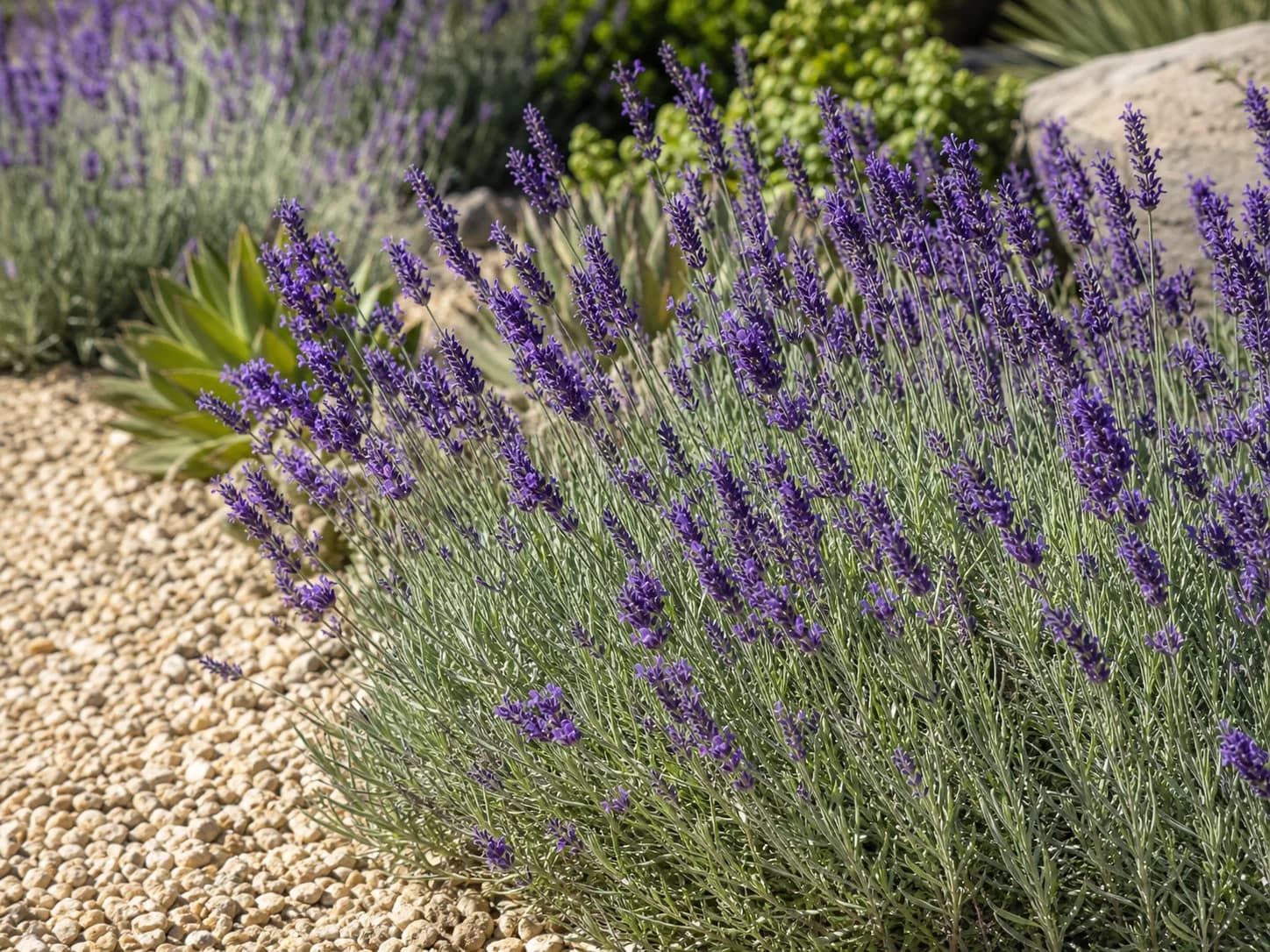
English Lavender is a woody Mediterranean subshrub grown for fragrant purple flower spikes, silvery foliage, pollinators, and dried stems. It thrives in full su
 Flowers
Tulip
Tulips are cool-season spring bulbs grown for upright flowers, clean foliage, and bold early color. They are simple to plant, but their long-term performance de
quiz
Frequently Asked Questions
Do sunflowers come back every year?expand_more
Sunflowers grown as Helianthus annuus are annuals, so the same plant does not return. Dropped seed can sprout the next year as volunteers.
When should I plant sunflower seeds?expand_more
Plant sunflower seeds after frost danger passes and soil has warmed. Direct sowing works best because the taproot dislikes disturbance.
How much sun do sunflowers need?expand_more
Sunflowers need at least 6-8 hours of direct sun for strong stems and full flower heads.
Can sunflowers grow in containers?expand_more
Yes. Choose dwarf sunflower cultivars, use a deep pot with drainage, and water more consistently than you would in open ground.
Why did my sunflower fall over?expand_more
Sunflowers fall from wind, shallow roots, soggy soil, overcrowding, or too much nitrogen. Giant types often need early staking.
Should I deadhead sunflowers?expand_more
Deadhead branching sunflowers if you want more blooms. Leave single-headed seed types in place if you want seed for birds or harvest.