Peace Lily vs Spathiphyllum
Peace lily is the common name for plants in the genus Spathiphyllum. The two labels do not describe rival houseplants, so use the species or cultivar name to tell one selection from another.
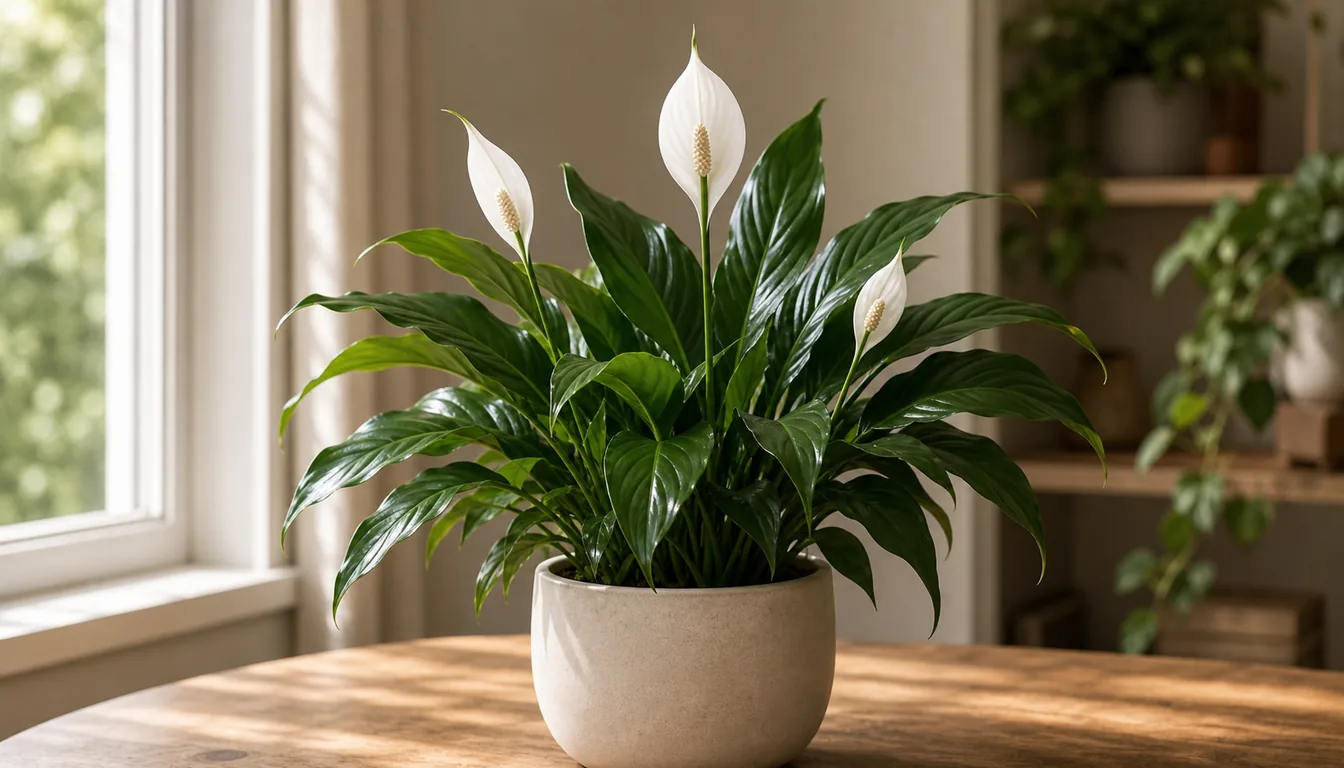
Peace Lily
Spathiphyllum spp.
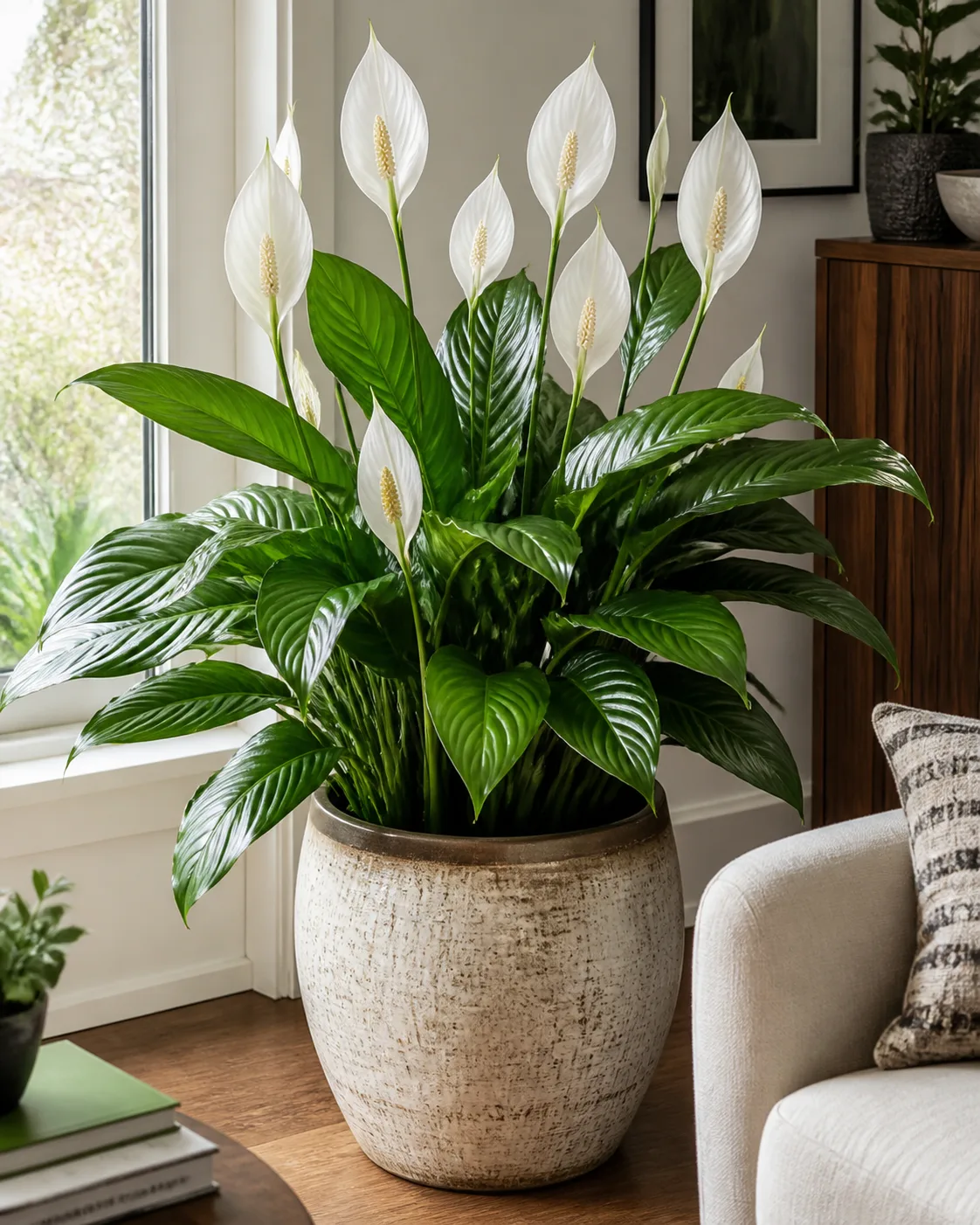
Spathiphyllum
Spathiphyllum spp.
A peace lily and a Spathiphyllum are the same kind of plant. Peace lily is the familiar common name, while Spathiphyllum is the botanical genus printed on nursery labels and plant references.
The useful comparison begins after that genus name.
Species and cultivar details can change mature size, leaf pattern, and the amount of room a plant needs, even when every pot on the shelf carries the words ‘peace lily.’
If one seller lists Peace Lily and another lists Spathiphyllum, do not choose on that wording alone. Compare the complete label, the plant's present size, its condition, and the care information supplied for that selection.
Specifications
| Feature | Peace Lily | Spathiphyllum |
|---|---|---|
| What the name refers to | The common name used in shops and care guides | The botanical genus that contains the plants called peace lilies |
| Where you meet the name | Plant tags, garden centers, and care guides | Scientific names, nursery catalogs, and plant databases |
| Does care change with the name | No. Care follows the species or cultivar you own | No. The genus label does not create a different care category |
| What to check instead | The full label, cultivar, mature size, and plant condition | The species or cultivar written after the genus name |
The common and botanical names point to the same group, so the wording alone does not change light, water, or safety advice. The full identity and the conditions around the pot matter.
A cultivar name is especially useful when size affects placement. NC State lists compact selections as well as plants that can grow more than 5 feet tall, a difference large enough to change where the pot fits.
What does a peace lily label actually tell you?
A botanical label normally moves from a broad group to a narrower identity. In Spathiphyllum wallisii ‘Domino,’ Spathiphyllum is the genus, wallisii is the species, and ‘Domino’ is the cultivar name.
The genus confirms that the plant belongs to the peace lily group. The later parts help distinguish a particular plant within that group.
Use this order when two labels look different:
- Match the genus first. Spathiphyllum confirms a peace lily.
- Look for a species name after the genus. A tag that says only Spathiphyllum stops at the broader group.
- Record any cultivar name in quotation marks because it may indicate a distinct size or leaf pattern.
- Compare the actual plant with the tag before buying. Damaged roots, pests, or wilt matter more than common-name wording.
A missing cultivar name does not make the plant unusable, but it limits how precisely you can predict its mature form. Leave extra room when the tag gives only the genus and the seller cannot identify the selection.
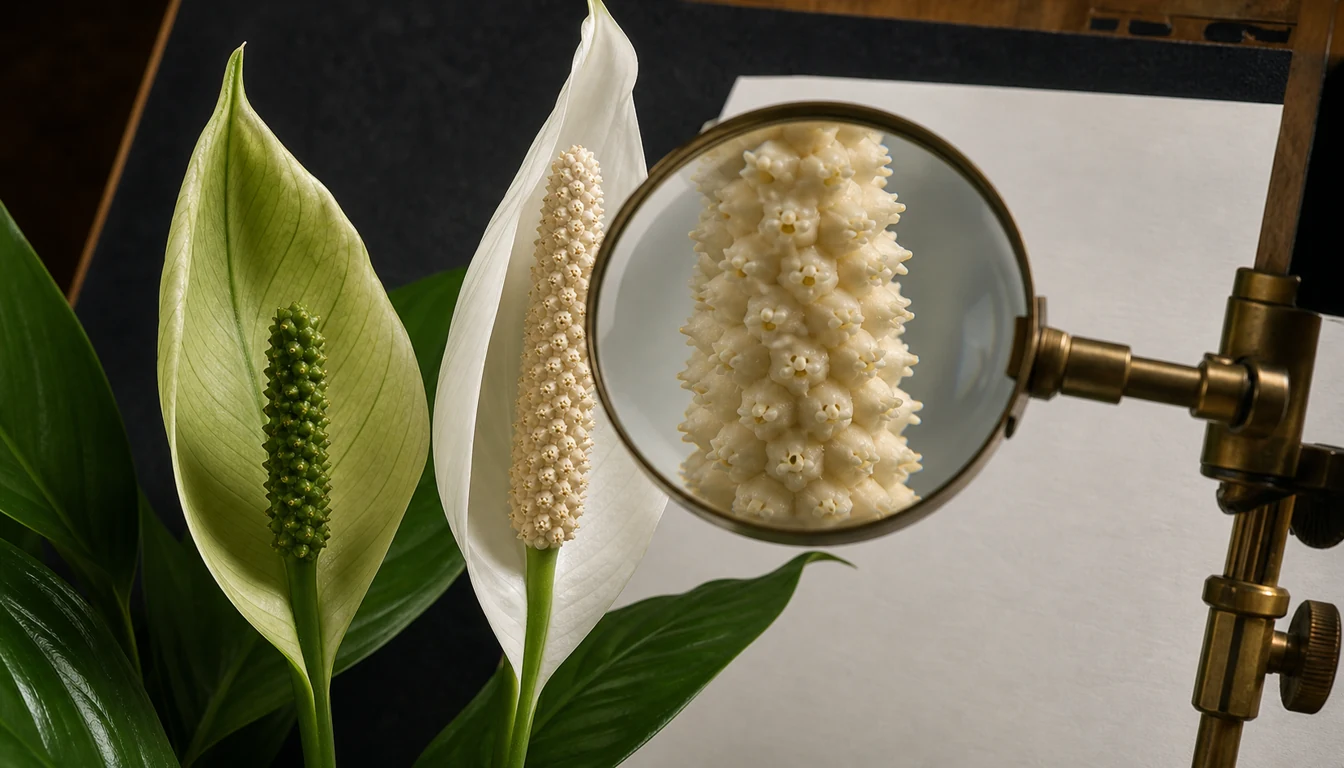
Does the name change care or pet safety?
Changing the label from Peace Lily to Spathiphyllum does not change the plant's needs.
Start with the care guidance for the identified species or cultivar, then adjust from what the root zone and leaves show in your home.
Light descriptions deserve context. NC State describes peace lilies as plants for partial to deep shade and warns against direct sun, while individual cultivars can differ in size and vigor.
The correct response is to watch the actual plant rather than treating one name as a low-light version of the other.
Water the root zone according to its condition instead of waiting for a common-name rule to trigger. A wilted plant can be dry, but repeated wilting and constantly wet mix can also damage roots.
Shop by the full plant identity and its condition because both labels describe the same plant group. That resolves the naming question without inventing a care difference that is not there.