
Zone Hub
verifiedVerified Data
The Transition Zone:
Zone 5
Mild winters, hot summers. Discover plants thriving between 0°F and 20°F. This zone acts as a biological bridge between the frigid north and the subtropical south, creating unique planting opportunities for adventurous gardeners.
Sort by
science
Soil and Climate Characteristics
Understanding the foundational elements of your garden is critical for long-term success in the transition zone. Zones 7 and 8 often feature clay-heavy soils that retain nutrients but drain slowly, requiring amendment for sensitive root systems.
Clay Composition
Red clay is common, rich in iron but prone to compaction. Regular aeration and organic matter integration are essential for root health.
Humidity Levels
High humidity in summer promotes rapid fungal growth. Space plants generously to ensure adequate airflow and reduce disease pressure.
Top Recommendations
124 resultsThese selections represent the most reliable performers for the region, balancing cold hardiness with heat tolerance.

Zone 7-9
Crape Myrtle
4.8star
Lagerstroemia indica
Full SunDrought Tolerant

Zone 3-9
Popular
Coneflower
Echinacea purpurea
NativePollinator

Zone 4-9
Lenten Rose
Helleborus orientalis
ShadeDeer Resistant
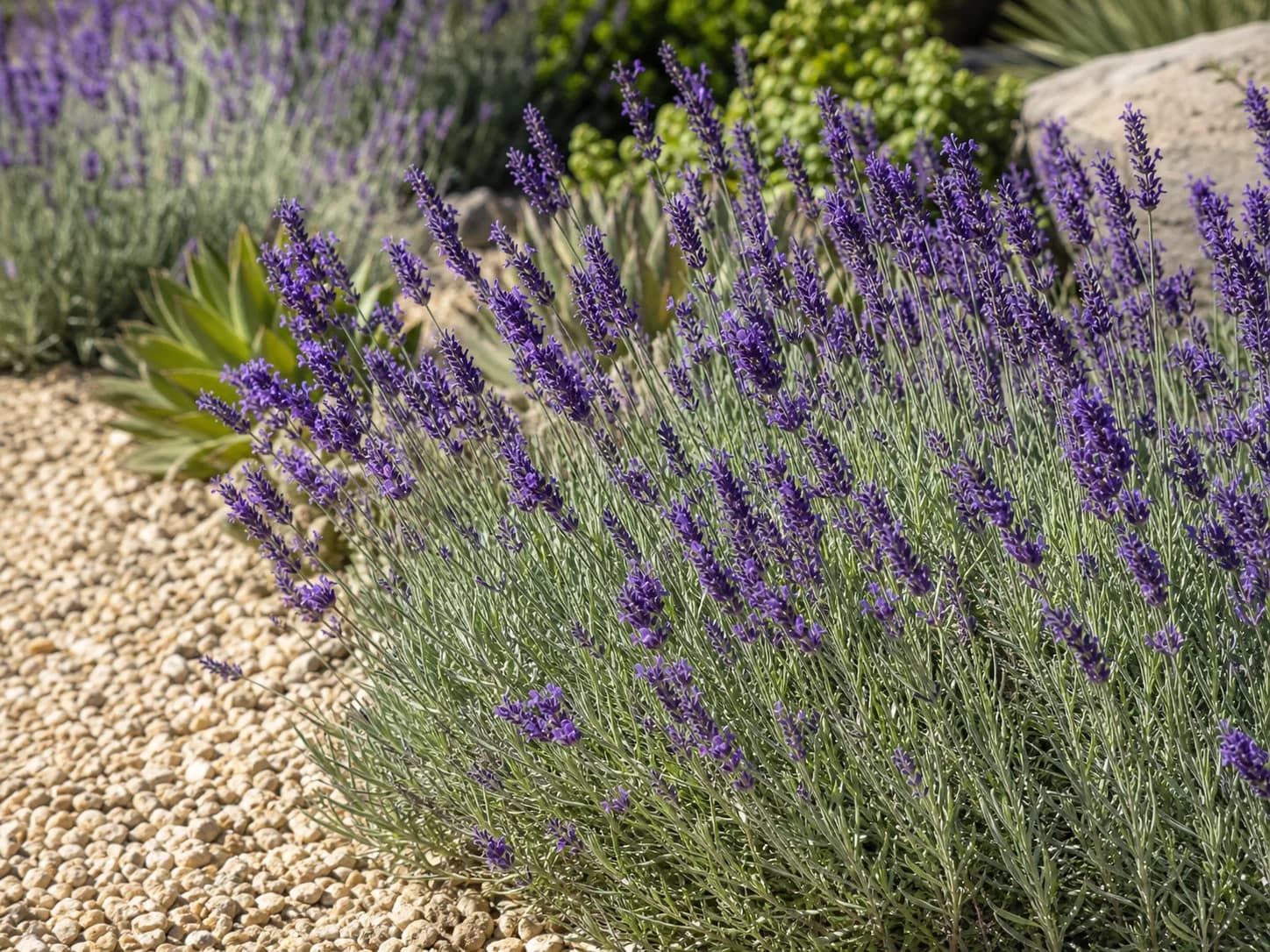
Zone 5-9
English Lavender
Lavandula angustifolia
FragrantFull Sun

Zone 6-9
Bigleaf Hydrangea
Hydrangea macrophylla
Part ShadeMoisture

Zone 3-9
Hosta
Hosta spp.
Full ShadeFoliage
Regional Gardening: Zone 5
USDA Hardiness Zones 7 and 8 represent a sweet spot for gardeners in the United States. Spanning from the Mid-Atlantic across the South and into parts of the Pacific Northwest, these zones offer mild winters that allow for a vast array of plant life.
The key challenge in these zones is often the summer heat rather than winter cold. When selecting plants for Zone 7 and 8, it is crucial to consider heat tolerance and water requirements, especially for gardens in the southern United States where humidity can be a factor.
location_on
Major Hubs in Zone 5
These cities define the heart of the transition zone, acting as reference points for regional microclimates.