
Seed Starting Calculator
Pick one of 23 crops and enter a ZIP code or frost date to get indoor sowing, hardening-off, and transplant dates from University of New Hampshire Extension timing.
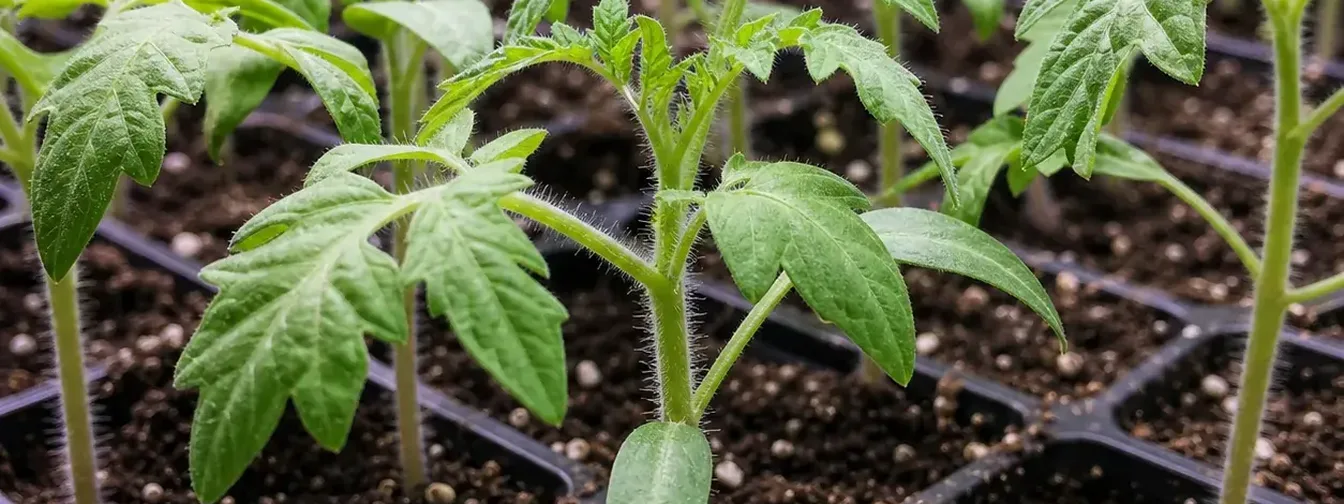
Seed Starting
Turn your frost date into a crop schedule you can put on a calendar today.
Adjust timing
The practical plan will appear here.
Your whole garden, one chart
Every crop from the same frost date, at its UNH Extension timing.
| Crop | Sow indoors | Harden off | Plant out | Timeline |
|---|---|---|---|---|
| Onion8-10 weeks indoors, set out 4 weeks before last frost | ||||
| Leek8-10 weeks indoors, set out 4 weeks before last frost | ||||
| Parsley9-10 weeks indoors, set out 2-3 weeks before last frost | ||||
| Celery10-12 weeks indoors, set out after last frost | ||||
| Spinach4-6 weeks indoors, set out 3-6 weeks before last frost | ||||
| Cabbage4-6 weeks indoors, set out 4 weeks before last frost | ||||
| Kale4-6 weeks indoors, set out 4 weeks before last frost | ||||
| Kohlrabi4-6 weeks indoors, set out 4 weeks before last frost | ||||
| Broccoli4-6 weeks indoors, set out 2-4 weeks before last frost | ||||
| Brussels sprouts4-6 weeks indoors, set out 2-4 weeks before last frost | ||||
| Lettuce4-5 weeks indoors, set out 3-4 weeks before last frost | ||||
| Pepper8-10 weeks indoors, set out 2 weeks after last frost | ||||
| Cauliflower4-6 weeks indoors, set out 2 weeks before last frost | ||||
| Swiss chard4-6 weeks indoors, set out 2 weeks before last frost | ||||
| Eggplant8-10 weeks indoors, set out 2-3 weeks after last frost | ||||
| Tomato6-8 weeks indoors, set out 1-2 weeks after last frost | ||||
| Basil6-8 weeks indoors, set out 2 weeks after last frost | ||||
| Cucumber3-4 weeks indoors, set out 1-2 weeks after last frost | ||||
| Melon3-4 weeks indoors, set out 2 weeks after last frost | ||||
| Summer squash3-4 weeks indoors, set out 2 weeks after last frost | ||||
| Zucchini3-4 weeks indoors, set out 2 weeks after last frost | ||||
| Winter squash3-4 weeks indoors, set out 2 weeks after last frost | ||||
| Pumpkin3-4 weeks indoors, set out 2 weeks after last frost |
Where the dates come from
- 23crops timed by University of New Hampshire Extension
- 1991-2020NOAA frost normals behind the ZIP lookup
- 5 to 14days of hardening off, per University of Maryland Extension
Before you sow
Work backward from transplant timing
Start with the outdoor planting window and count backward. Cabbage family crops, onions, leeks, lettuce, and spinach go out 2 to 6 weeks before the last frost, while tomatoes, peppers, eggplant, melons, and squash wait until 1 to 3 weeks after it.
Every crop shows its UNH range, and NDSU's table where it lists the same crop. The two universities differ on some crops, such as lettuce (4 to 5 weeks at UNH, sown 8 weeks before frost at NDSU), so treat each range as a window rather than a single right answer. A USDA zone cannot supply a frost date or soil temperature.
How to use this result
What it means
The transplant date sits in the middle of the UNH set-out window, rounded to the later day, and the indoor date counts back the long end of the UNH seed-to-transplant range. Shorten the indoor time if your seedlings grow fast under strong lights.
Next action
Put the dates on your calendar, then check spacing so the number of starts matches the bed.
Risk note
Frost averages do not guarantee safe weather. Seed packet instructions, local extension advice, soil temperature, and seedling readiness can change every date shown.
Common mistakes
Starting every crop on one weekend. Warm crops, herbs, and cool-season crops need different lead times.
Skipping hardening off. Indoor seedlings need a gradual transition to sun, wind, and outdoor temperatures.
What this tool decides
Counts back from a transplant date set by the crop's extension timing to give indoor sowing and hardening dates, plus a direct-sow date where the source gives one.
Crops: 23 crops. Each with its University of New Hampshire Extension timing, cross-checked against NDSU where NDSU lists the crop.
Keep planning
Timing sources and limits
Seed-to-transplant weeks and set-out windows come from the University of New Hampshire Extension fact sheet. NDSU's table is shown as a cross-check, and hardening-off times come from University of Maryland Extension. Frost dates from the ZIP lookup come from NOAA NCEI 1991-2020 normals.
- University of New Hampshire Extension: Growing Vegetables, When to Plant Your Vegetable Garden
- NDSU Extension: How to Succeed at Seed Starting (H1139, PDF)
- University of Maryland: Starting Vegetable Seeds Indoors
- University of Minnesota: Growing basil in home gardens
- University of Maryland: Planting Vegetable Transplants
- NOAA NCEI, U.S. Climate Normals 1991-2020